
The Early Diagnosis Journey
A simple 3-step path that can lead to early detection and better outcomes.
Recognize
Be aware of early signs and symptoms. Listen to your body and don’t ignore changes.
Evaluate
Consult a healthcare professional and undergo appropriate screening or tests.
Act Early
Early detection leads to timely treatment and better chances of recovery.
Why Early Diagnosis Matters

More Treatment Options
Early diagnosis opens up more effective and less aggressive treatment possibilities.

Improved Quality of Life
Timely care reduces complications and helps maintain a better quality of life.

Lower Healthcare Costs
Early detection can reduce the need for extensive treatments and hospitalization.
Common Signs to Watch For

Change in Bowel or Bladder Habits
Long-term changes in bowel movements, stool appearance, or urination patterns should be discussed with a healthcare professional.
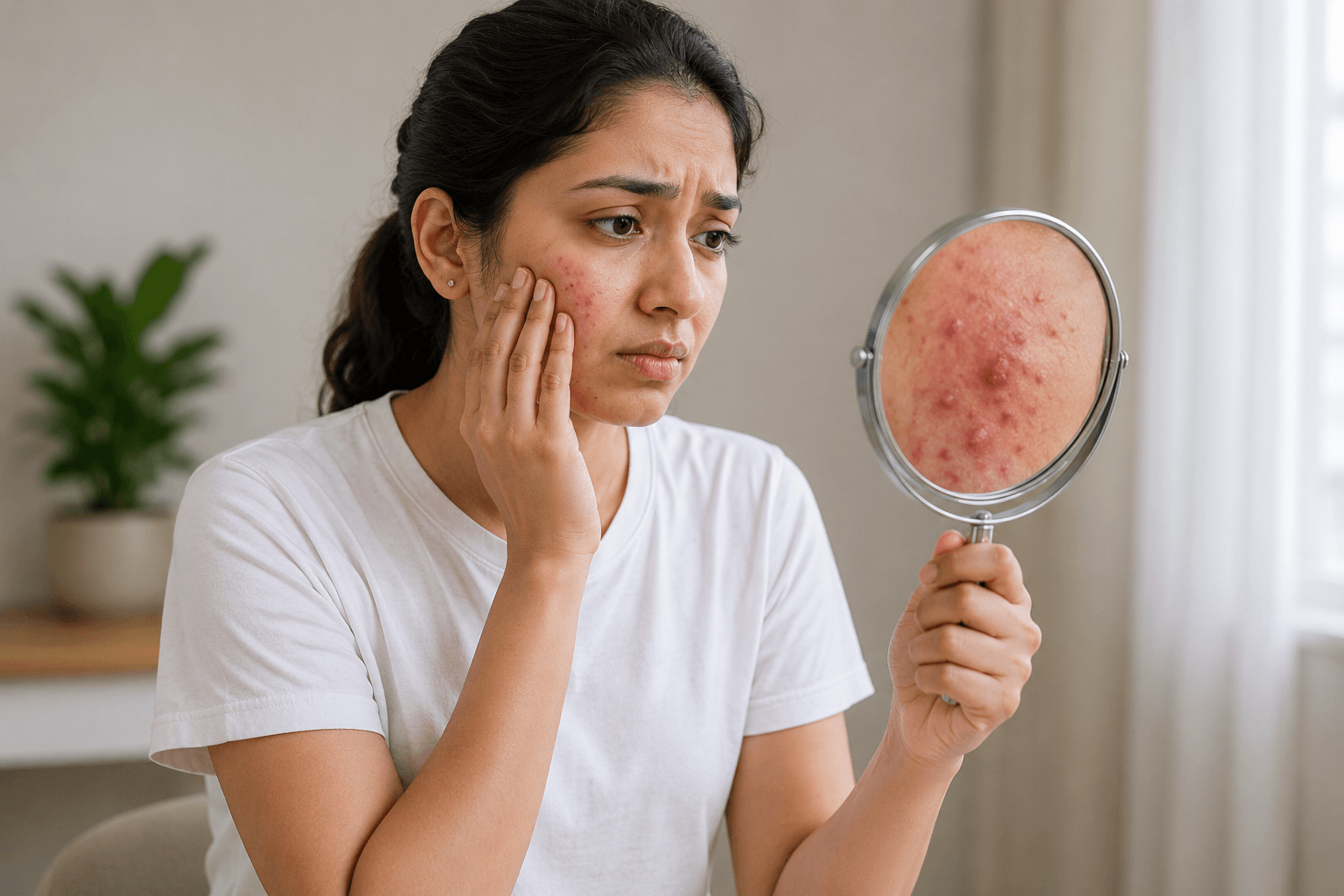
Sores That Do Not Heal
Persistent sores on the skin, mouth, or other body parts that fail to heal may require medical attention.

Unusual Bleeding or Discharge
Unexpected bleeding or discharge from any part of the body should never be ignored and should be evaluated by a doctor.

Lump or Thickening
A lump or thickened area in the breast, testicles, lymph nodes, or elsewhere may be an important warning sign.

Indigestion or Difficulty Swallowing
Persistent indigestion or trouble swallowing that does not improve over time should be medically assessed.

Changes in Moles or Mouth Sores
Changes in the size, color, shape, or appearance of moles, freckles, or mouth sores should be checked promptly.

Nagging Cough or Hoarseness
A long-lasting cough or unexplained hoarseness may indicate an underlying condition that needs evaluation.

Unexplained Weight Loss
Losing weight without changes in diet or activity may be a sign that warrants further medical investigation.
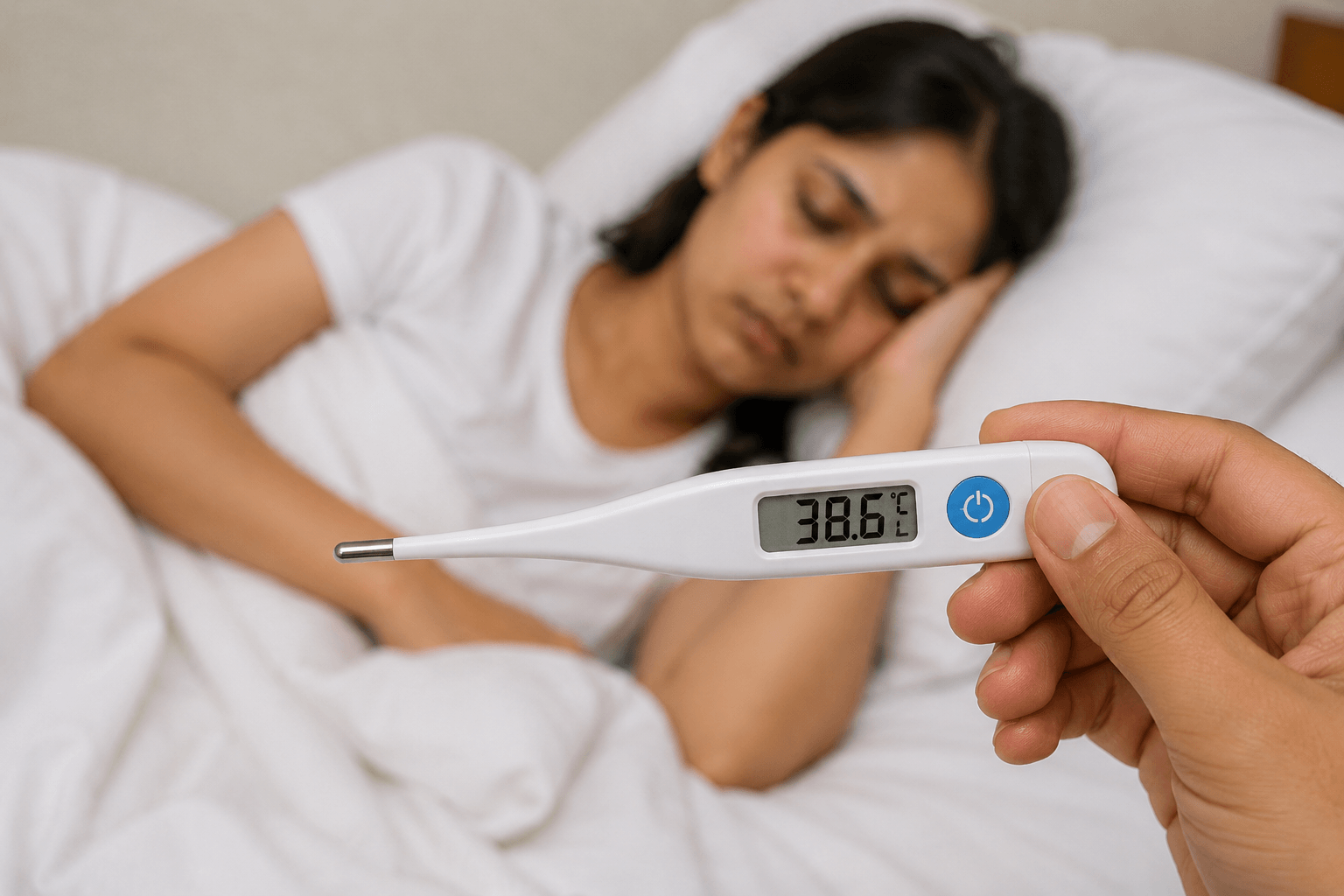
Persistent Fever
Recurring fever without a clear cause can sometimes be associated with underlying health conditions.

Extreme Fatigue
Feeling unusually tired despite adequate rest may be a symptom that should not be overlooked.

Persistent Pain
Pain that lasts for a long period or gradually worsens should be discussed with a healthcare professional.
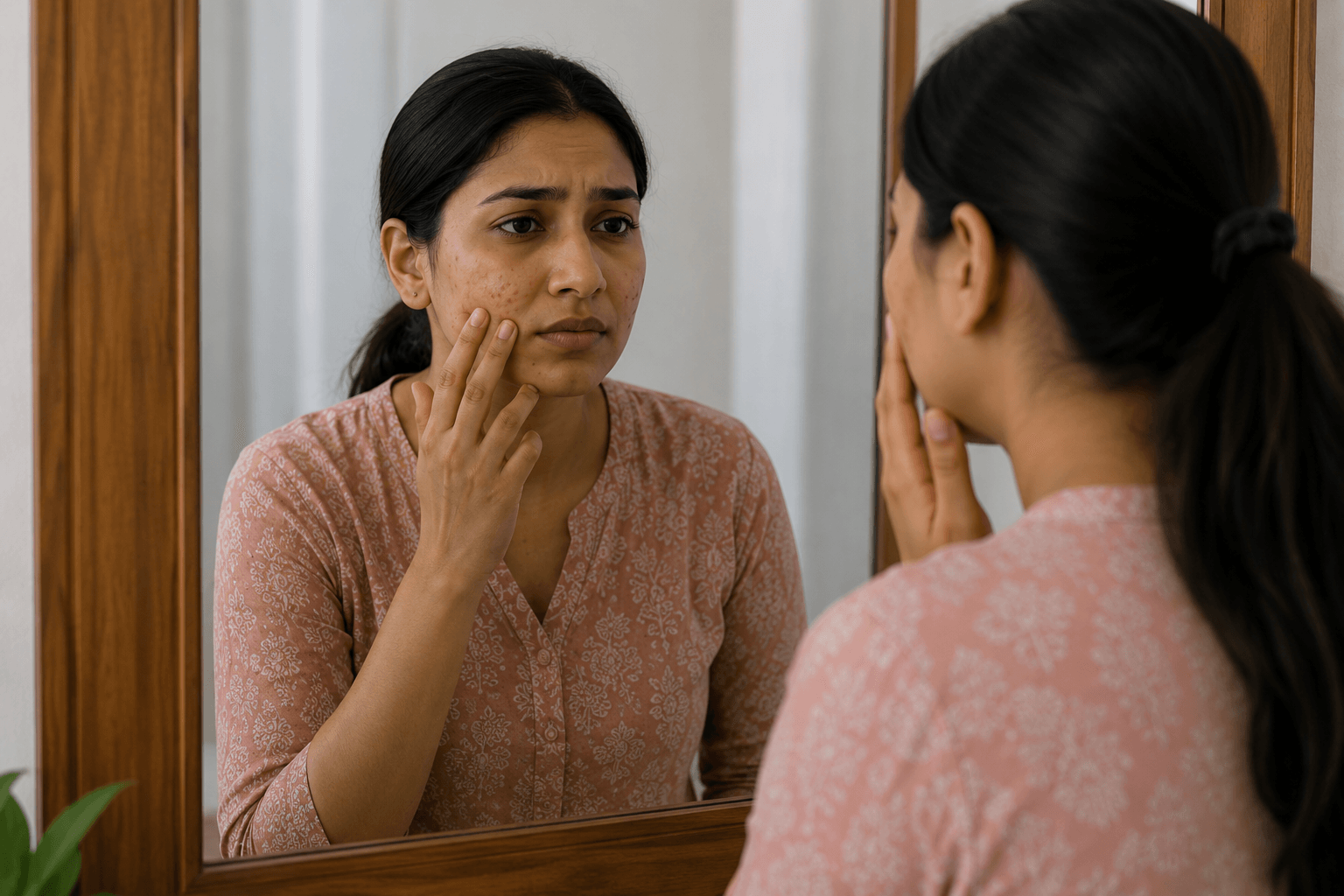
Skin Changes
New or unusual changes in the skin, including color, texture, or appearance, should be examined promptly.