Understand Cancer in Simple Steps
Cancer is complex, but understanding the basics can help you fight it better.
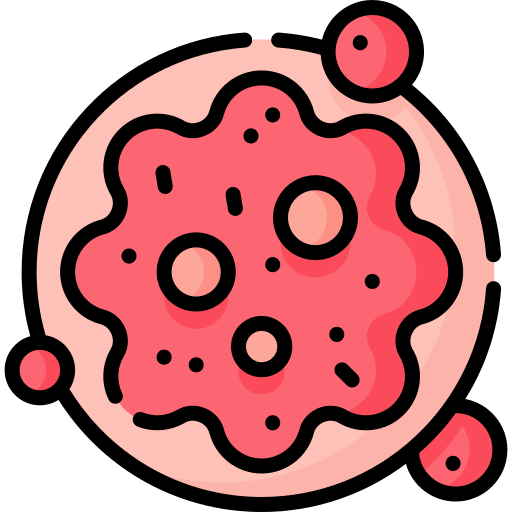
How Cancer Begins
Normal cells grow and divide to form new cells. Changes or mutations can turn some cells abnormal and lead to cancer.
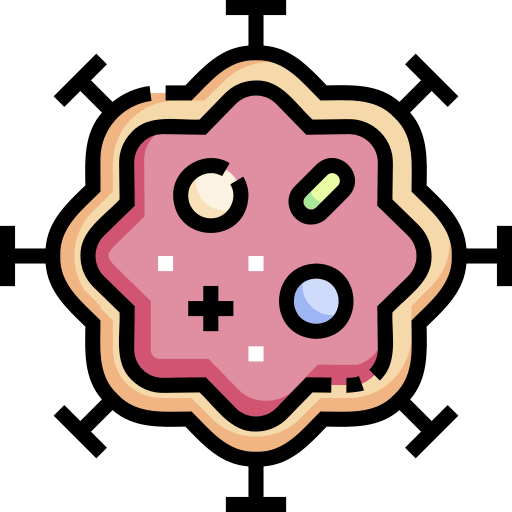
How Cancer Spreads
Cancer cells can invade nearby tissues and spread through the blood or lymph to other parts of the body.
Why Early Detection Matters
Finding cancer early, when it is small and localized, increases the chances of successful treatment.
Learn More About Cancer
Explore the key aspects of cancer and how it affects the body.
What causes cancer?
Facts About Cancer

Cancer is not a death sentence. Improvements in screening, treatment, and supportive care have helped many people live longer and healthier lives after a cancer diagnosis.
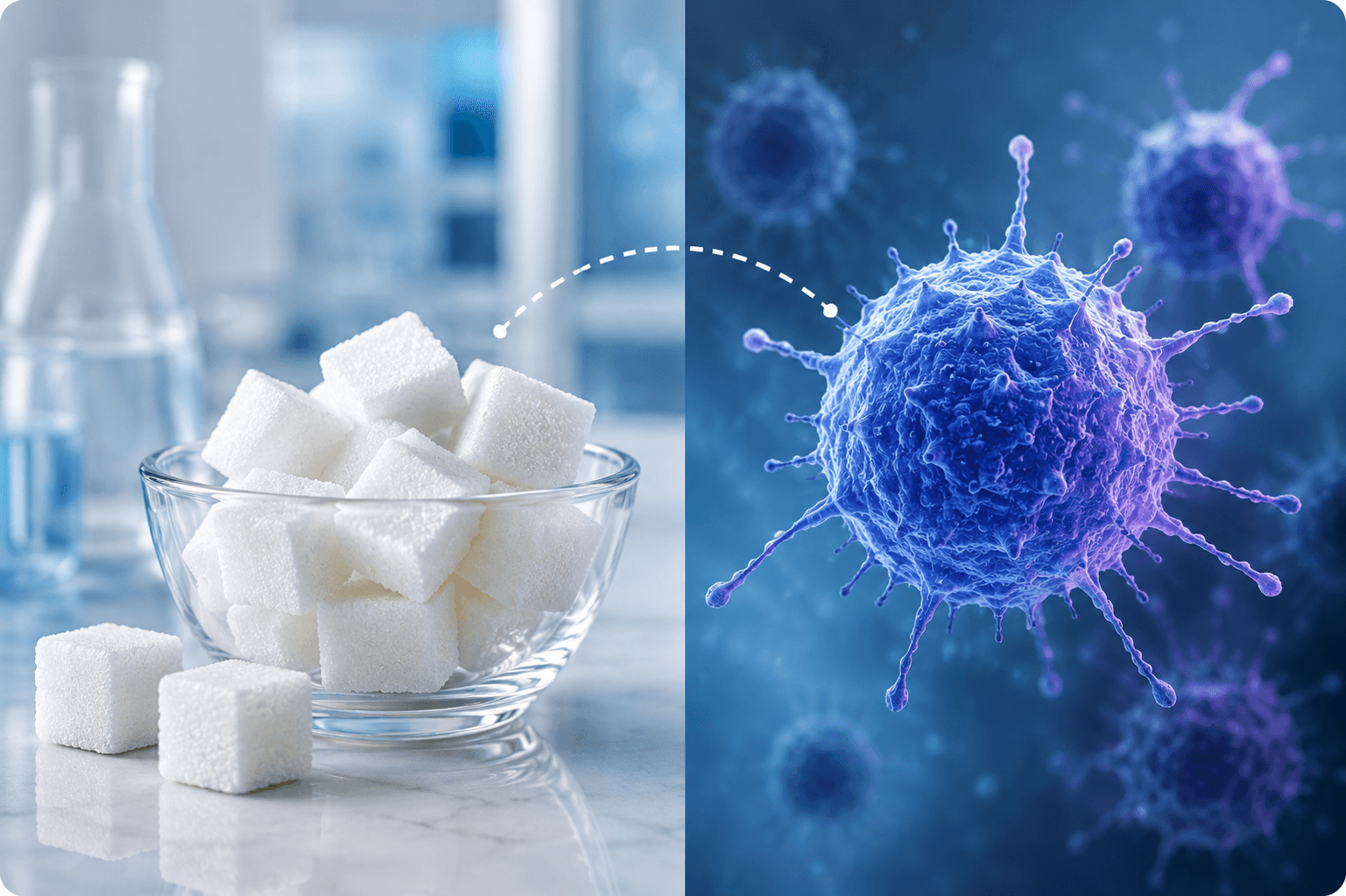
Eating sugar does not make cancer grow faster. Although cancer cells use glucose, no studies have shown that consuming sugar causes cancer to worsen or spread.

Cancer is not contagious. You cannot catch cancer from another person through close contact, sharing meals, or everyday interactions.

Cancer surgery and biopsies do not usually cause cancer to spread. Surgeons follow specialized procedures designed to prevent cancer cells from spreading during treatment.
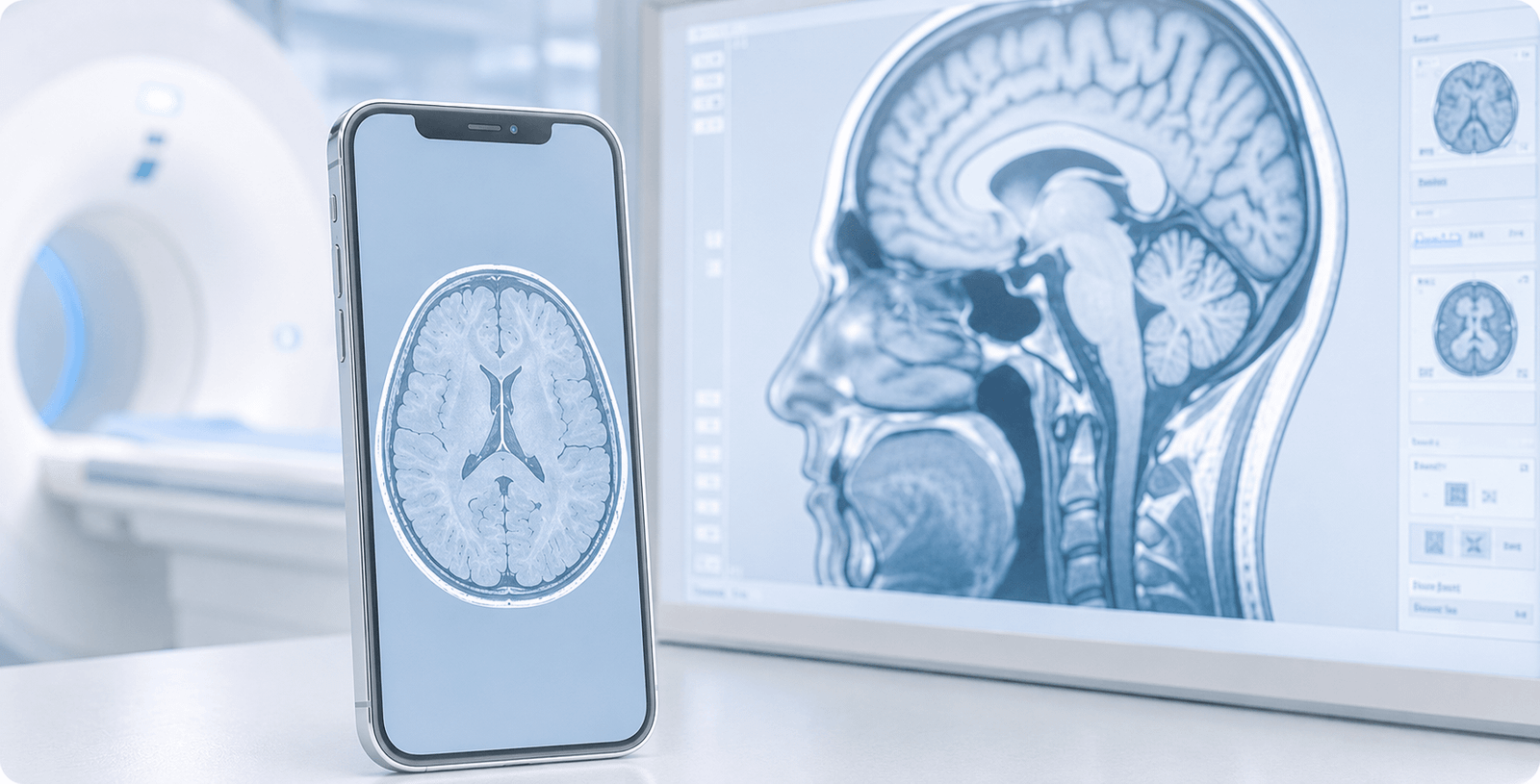
Cell phone use has not been proven to cause cancer. Current evidence reviewed by researchers does not show that cell phones cause brain cancer or other cancers in humans.

Artificial sweeteners have not been proven to cause cancer in people. Most studies examining their use have not shown an increased cancer risk in humans.

Fluoridated drinking water has not been linked to cancer. Multiple scientific reviews have found no evidence of an association between fluoridated water and cancer risk.

Underarm antiperspirants and deodorants have not been shown to cause breast cancer. Research has not found scientific evidence linking their use to breast cancer development.
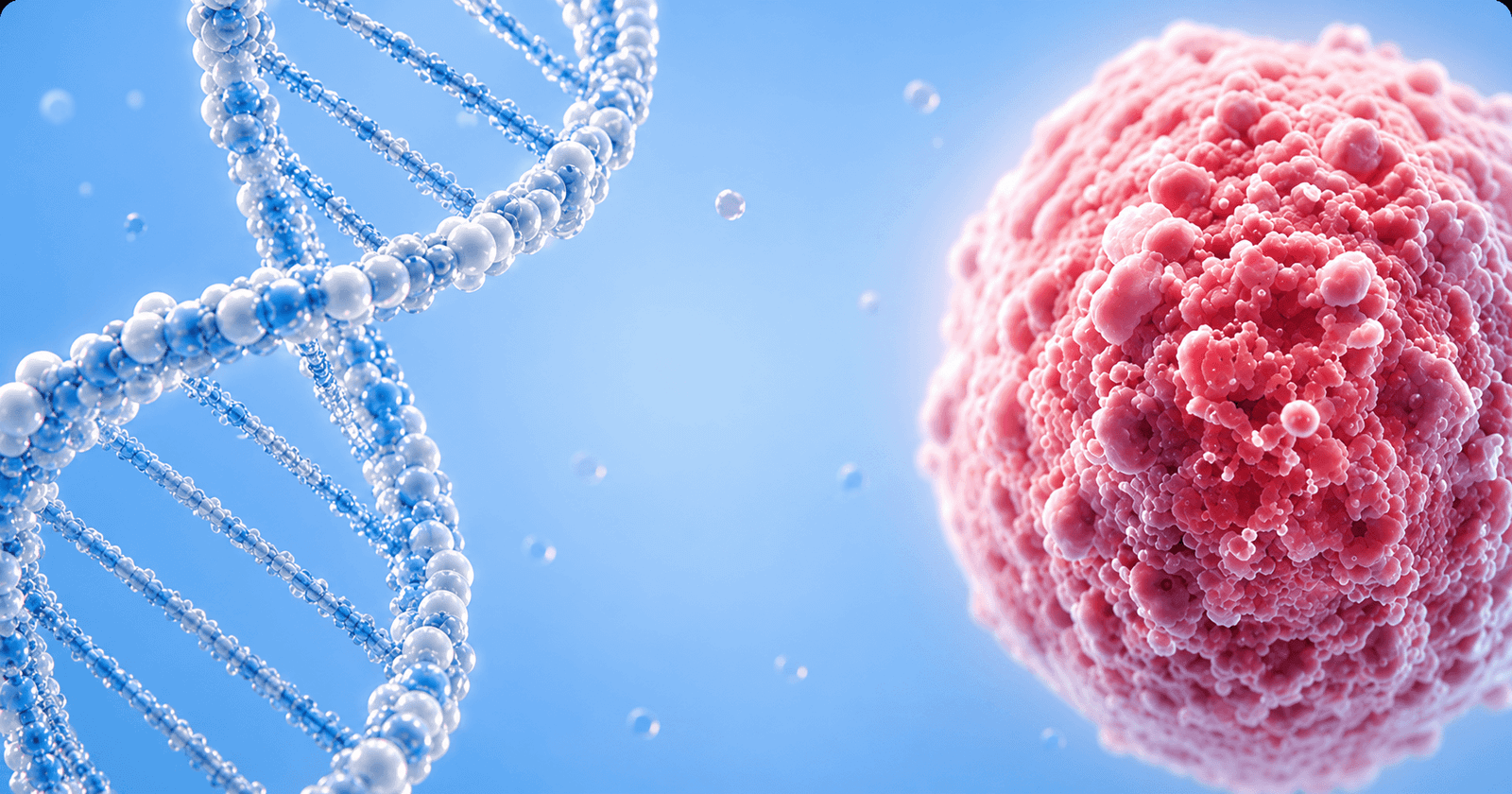
Cancer is a genetic disease, but most cancers are not inherited. Genetic changes that cause cancer can develop during a person's lifetime due to environmental exposures or errors in cell division.
Common Cancer Terms
Familiarize yourself with important terms used in cancer care.
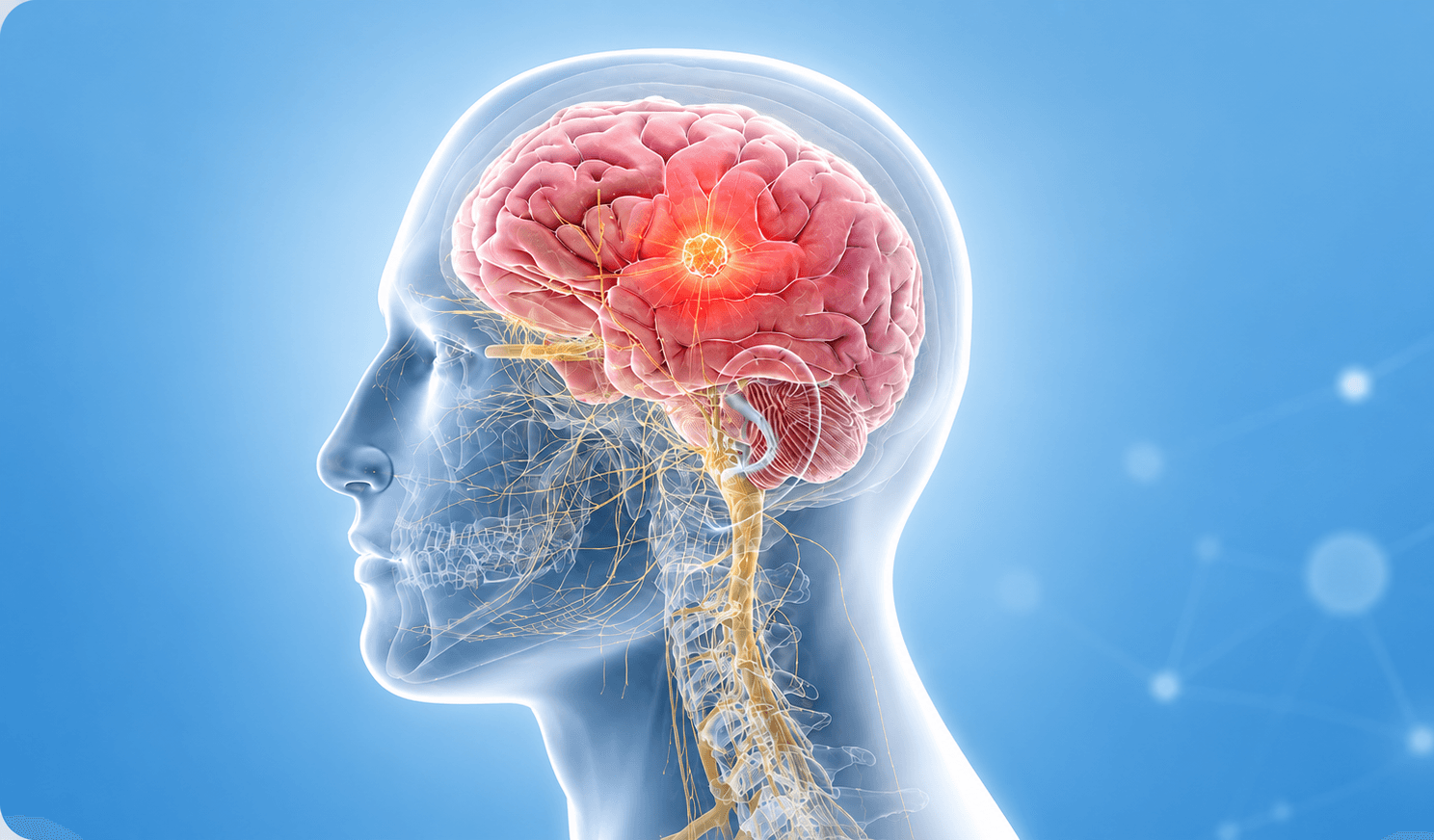
Benign
A benign tumor is a non-cancerous growth that does not spread to nearby tissues or other parts of the body. However, some benign tumors may still require medical attention depending on their size and location.
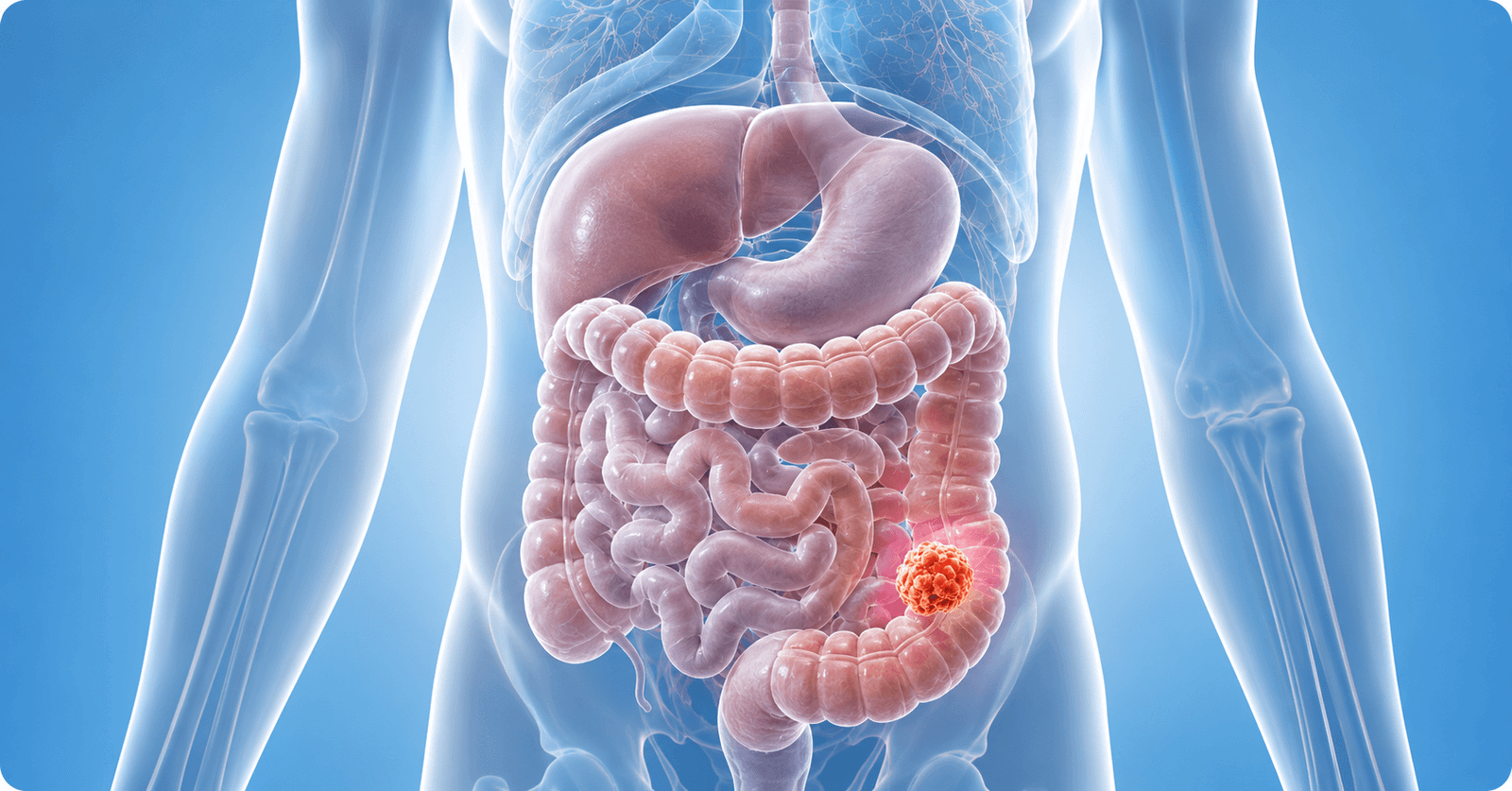
Malignant
A malignant tumor is cancerous and can grow aggressively, invade nearby tissues and spread to different parts of the body through blood or lymphatic systems.
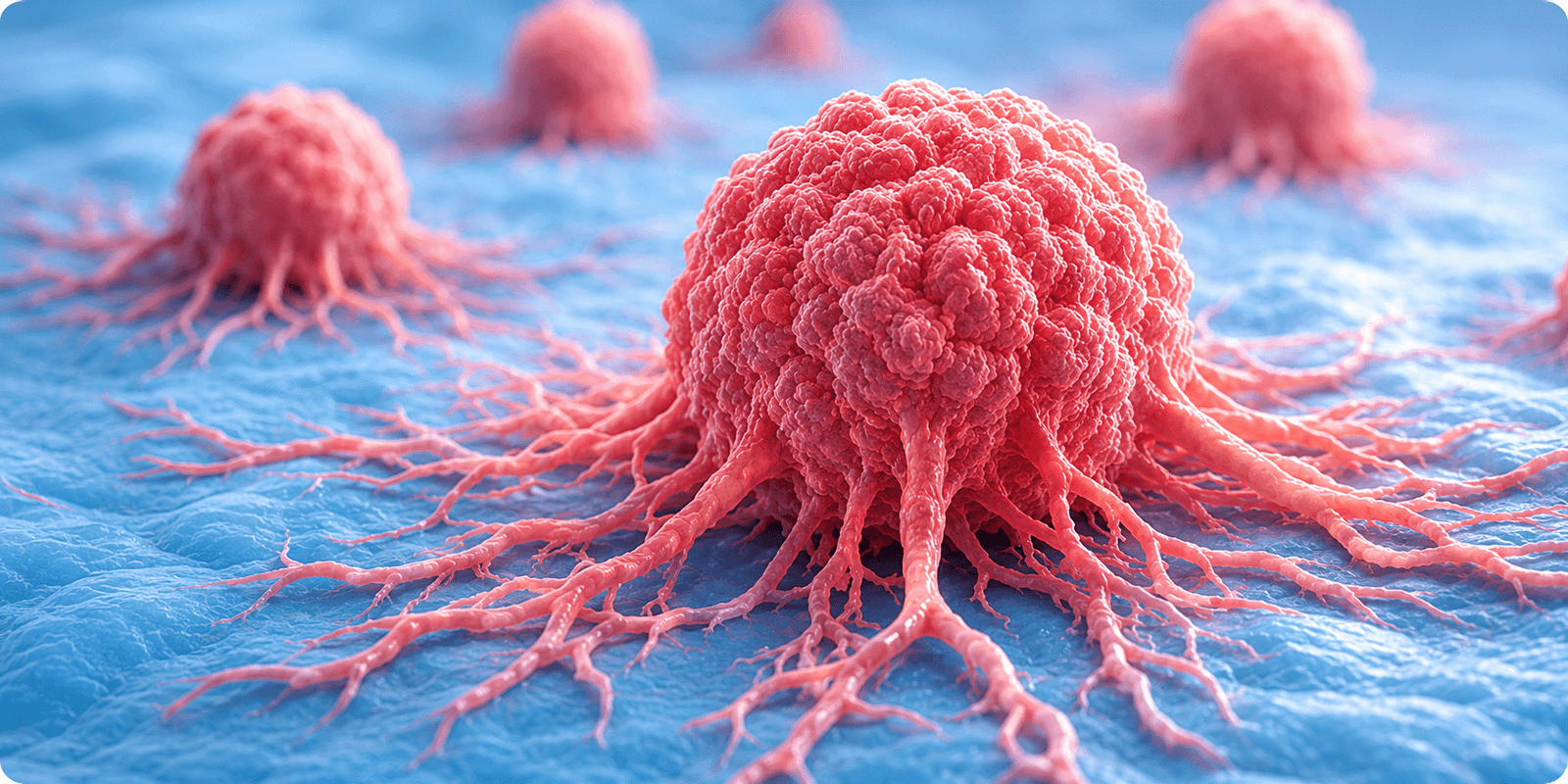
Cancer
Cancer occurs when abnormal cells in the body grow uncontrollably and disrupt the normal functioning of healthy tissues and organs.
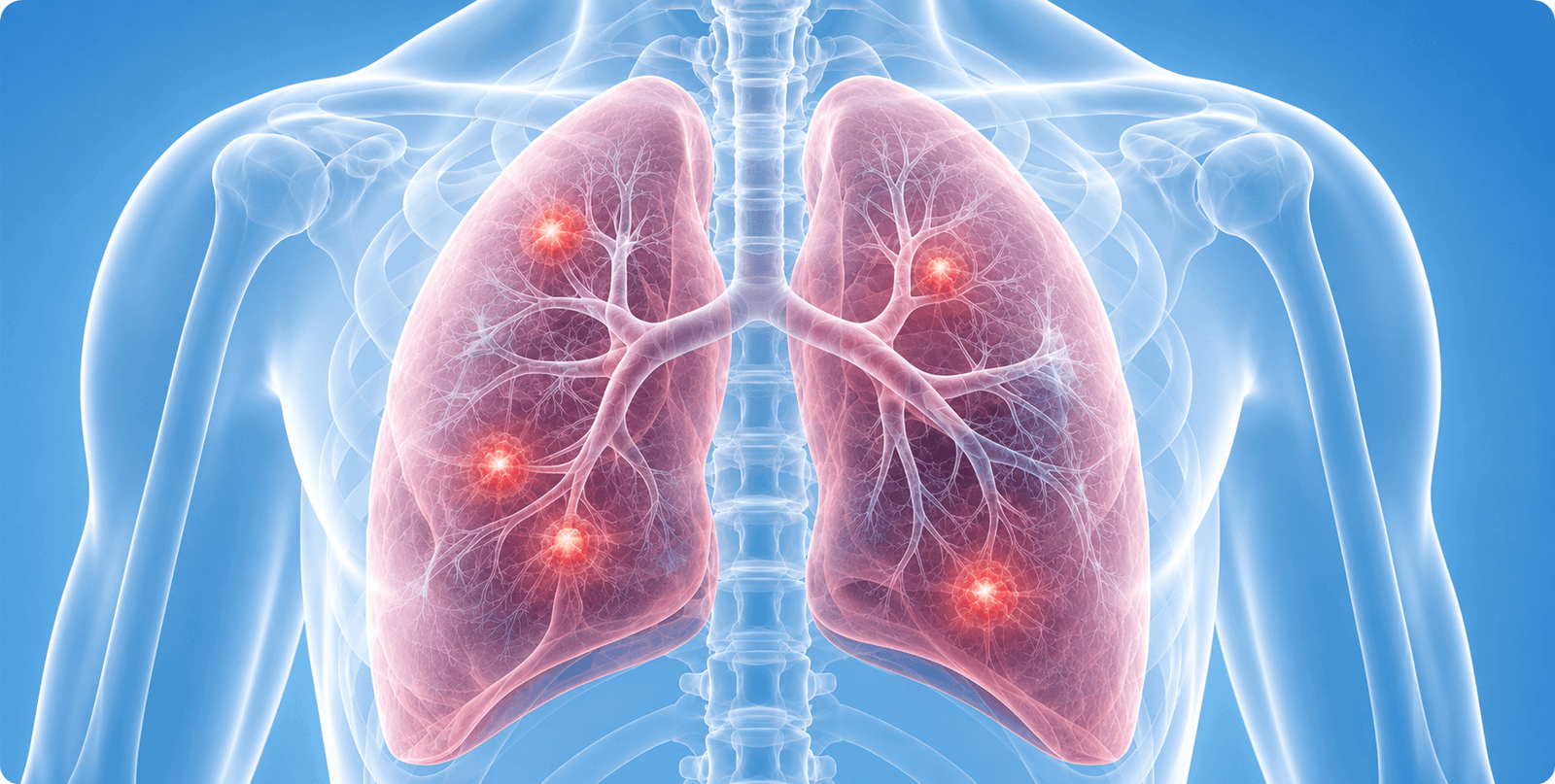
Metastasized
Metastasized cancer refers to cancer that has spread from its original location to distant organs or tissues in the body.
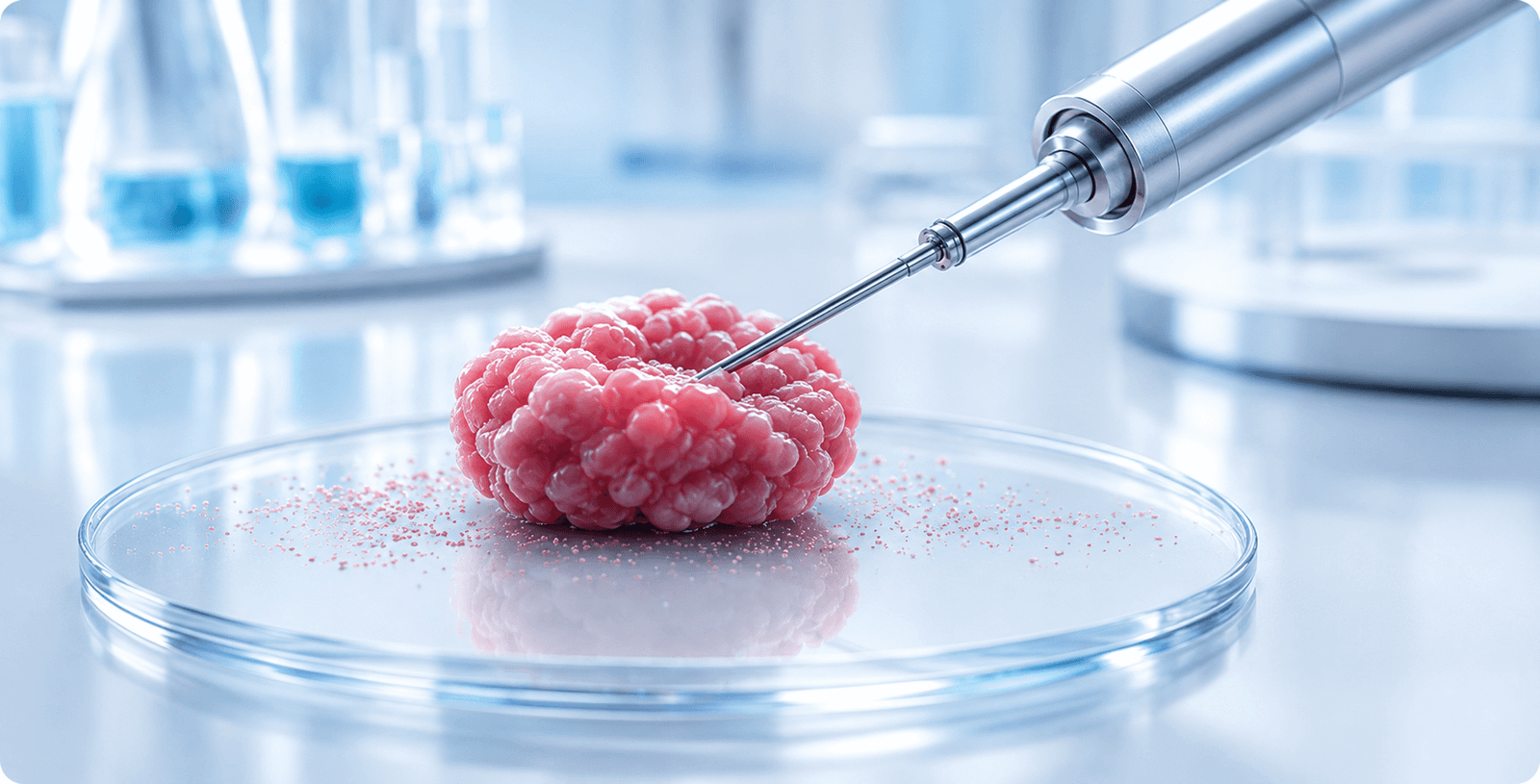
Biopsy
A biopsy is a medical procedure in which a small sample of tissue or cells is removed and examined to detect cancerous or abnormal changes.

Chemotherapy
Chemotherapy is a cancer treatment that uses powerful drugs to destroy or slow the growth of cancer cells in the body.

Oncologist
An oncologist is a doctor who specializes in diagnosing, treating and managing cancer and related conditions.
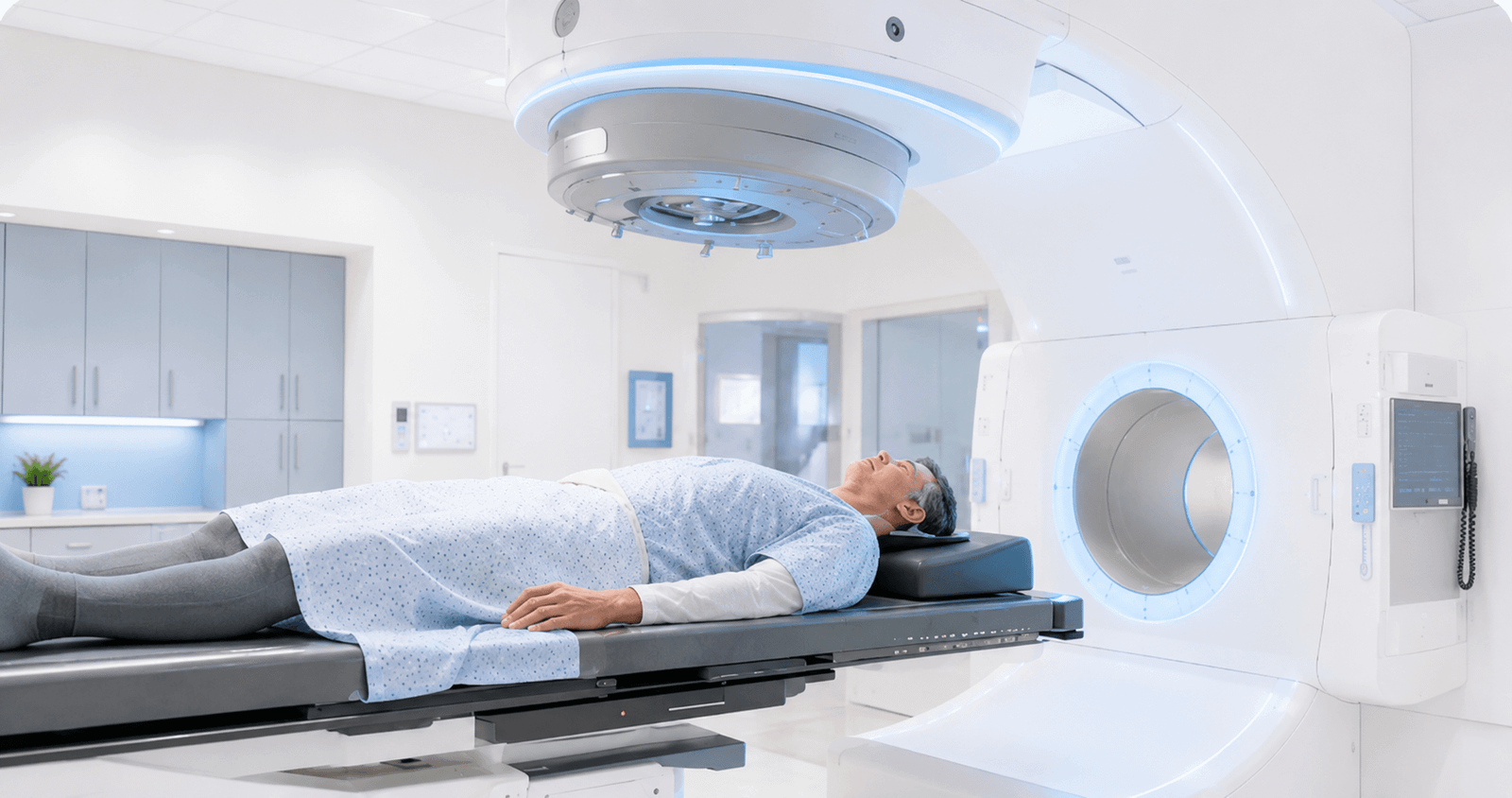
Radiation Therapy
Radiation therapy uses high-energy radiation or x-rays to target and destroy cancer cells while minimizing damage to healthy tissues.

Remission
Remission means that the signs and symptoms of cancer have reduced significantly or temporarily disappeared after treatment.
Continue Your Journey
Learn how to reduce risk and detect cancer early.