Anal Cancer
The anus is the final part of the digestive tract where waste leaves the body. Muscles, nerves and surrounding tissues work together to control bowel movements and help maintain normal digestive function.
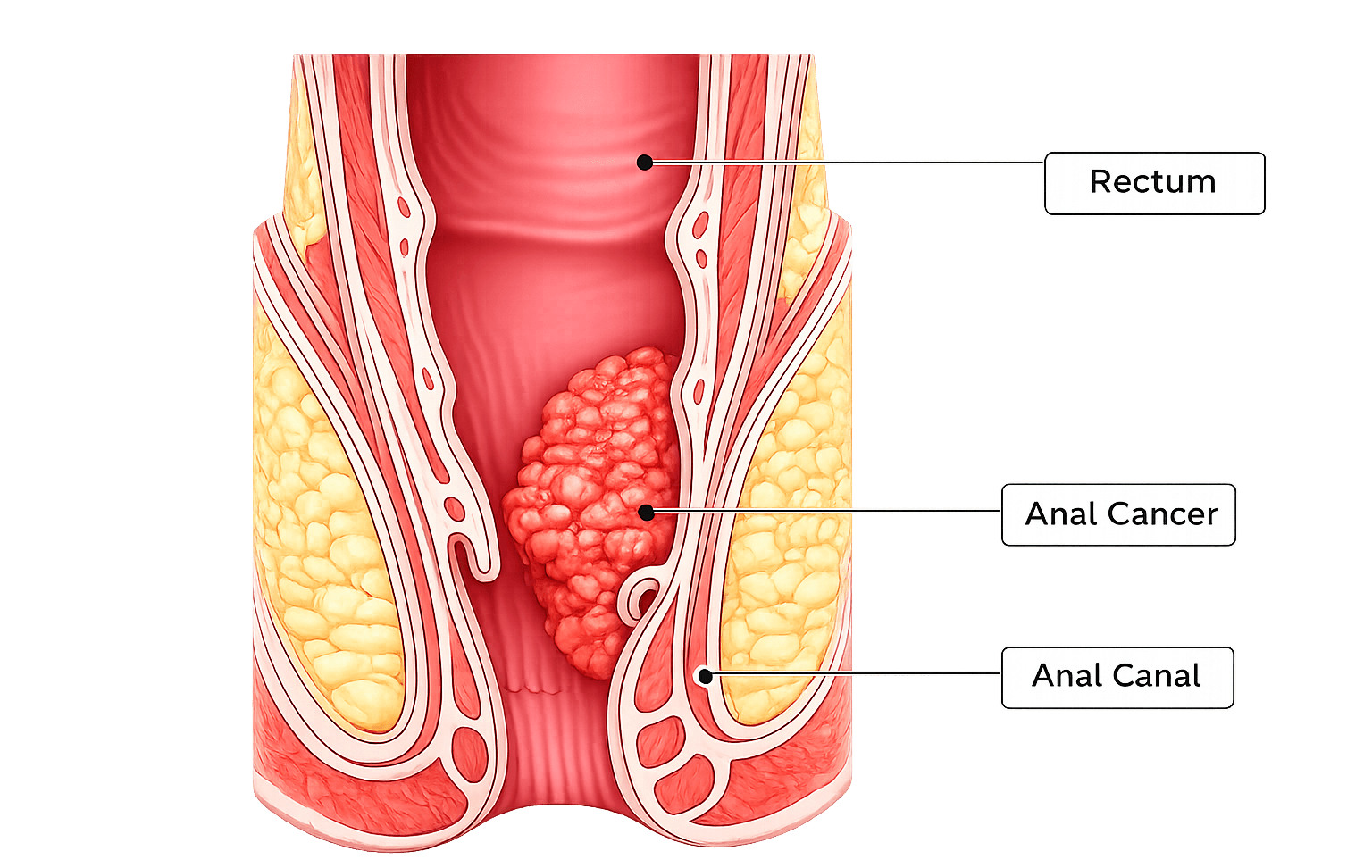
Overview
Anal cancer is a rare type of cancer that forms in the tissues lining the anal canal or the area surrounding the anus. It is often associated with infection from certain high-risk types of the human papillomavirus (HPV). Like many cancers, it begins when abnormal cells grow uncontrollably and form a tumor.
Some people may not notice symptoms in the early stages, while others may experience changes such as rectal bleeding or alterations in bowel movements. Because these symptoms can resemble those of less serious conditions, diagnosis may sometimes be delayed. However, when anal cancer is detected and treated early, it can often be managed successfully.
Risk Factors
Factors We Cannot Control

HPV Infection
Most anal cancers are linked to high-risk HPV infection.
HIV Infection
HIV can weaken the immune system, making it harder for the body to fight viruses like HPV.

Weakened Immune System
Conditions or medicines that weaken the immune system may increase the risk of anal cancer.

Genital Cancers
Having cancers that affect the genitals, especially vulvar, vaginal or cervical cancer, may increase risk.
Lifestyle & Health Factors

Unprotected Anal Sex
Receiving unprotected anal sex may increase risk, and having many sexual partners can increase the chance of HPV exposure.

Smoking
People who smoke are more likely to develop many types of cancer, including anal cancer.

No HPV Vaccination
Not being vaccinated against HPV may increase risk because the vaccine protects against HPV strains linked to cancer.
Symptoms
1. Rectal Bleeding
Rectal bleeding or bloody stools are the most common symptoms of anal cancer.

2. Pain or Fullness
Pain or a feeling of fullness may feel like a constant need to pass stool.

3. Bowel Changes
Changes in how often you pass stool or how stools look, such as thinner stools, may occur.

4. Lump or Mass
A lump or mass may appear at the anal opening.

5. Itchy Anus
Ongoing itching around the anus may be a symptom of anal cancer.

Diagnosis
1. Symptom Review
A healthcare provider may ask about symptoms, medical history, sexual activity and HPV vaccination history.

2. Physical Examination
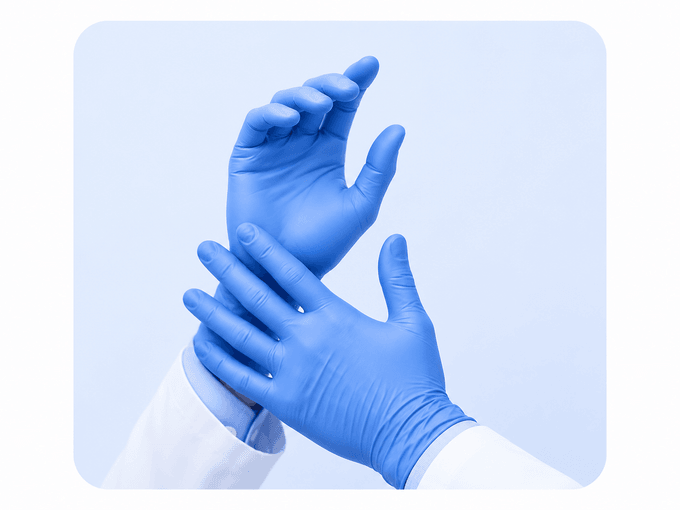
A physical exam may include a digital rectal exam to feel for lumps. Females may also need a pelvic exam.
3. Endoscopy Tests
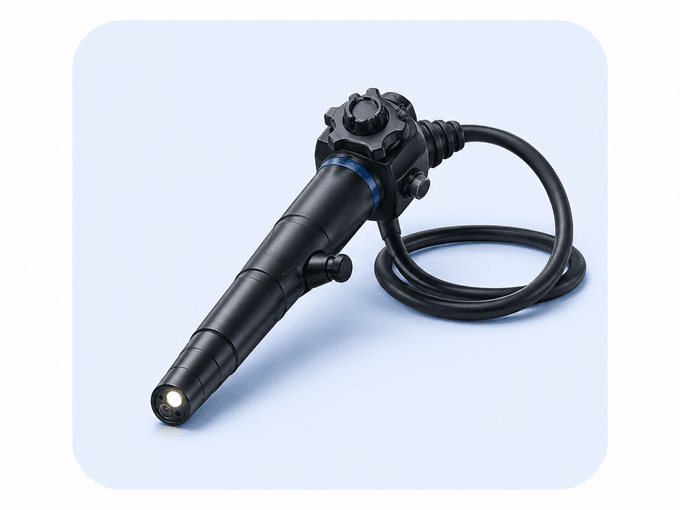
Tests such as anoscopy or proctoscopy use a lighted scope to look inside the anus and rectum.
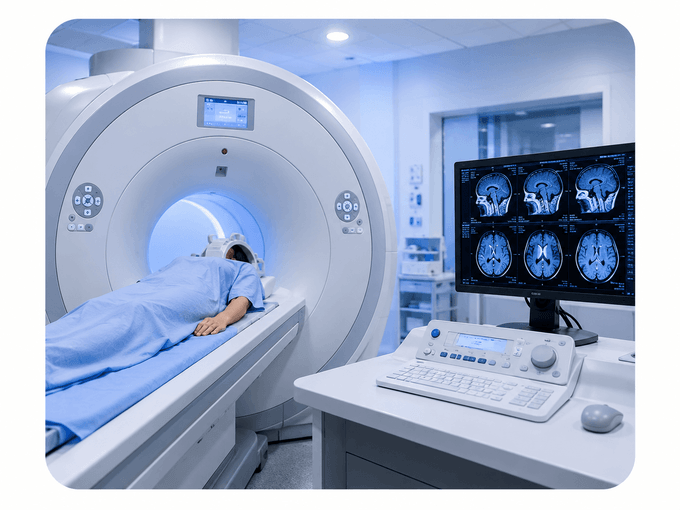
4. Imaging Tests
CT, MRI or PET scans may help check for tumors or signs that cancer has spread.
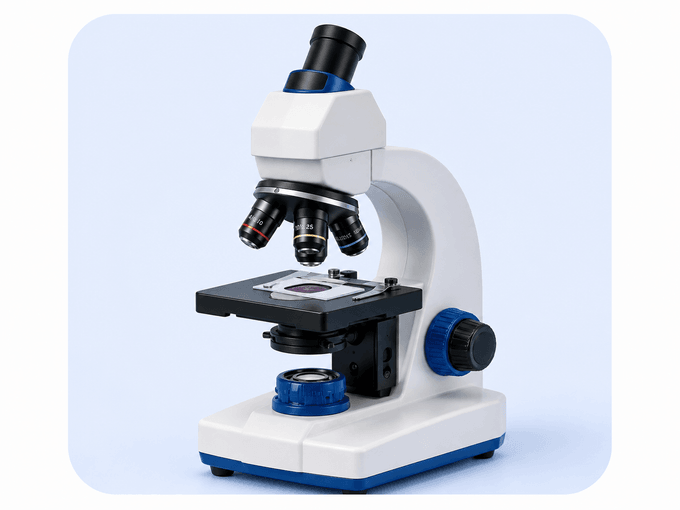
5. Biopsy
Tissue samples from tumors or nearby lymph nodes may be tested in a lab for cancer cells.
Treatments
1. Chemoradiation
Most people receive chemotherapy and radiation together. This combination often treats anal cancer without surgery.
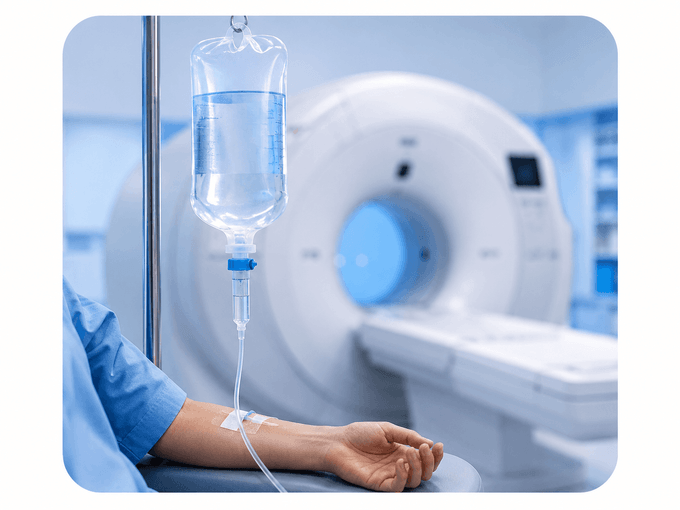
2. Chemotherapy
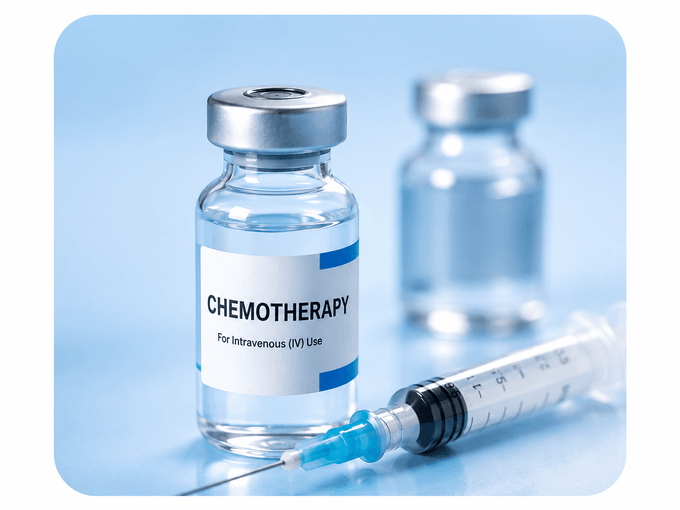
Chemotherapy uses medicines to kill cancer cells and may be combined with radiation or immunotherapy.
3. Radiation Therapy
Radiation therapy uses High energy X-rays to target tumors.

4. Surgery
Surgery may remove small tumors or treat cancer that comes back or does not respond to chemoradiation.

5. Immunotherapy
For advanced anal cancer, immunotherapy may help the immune system find and fight cancer cells.

6. Palliative Care
Palliative care helps manage symptoms and treatment side effects and may be given alongside cancer treatment.