Appendix Cancer
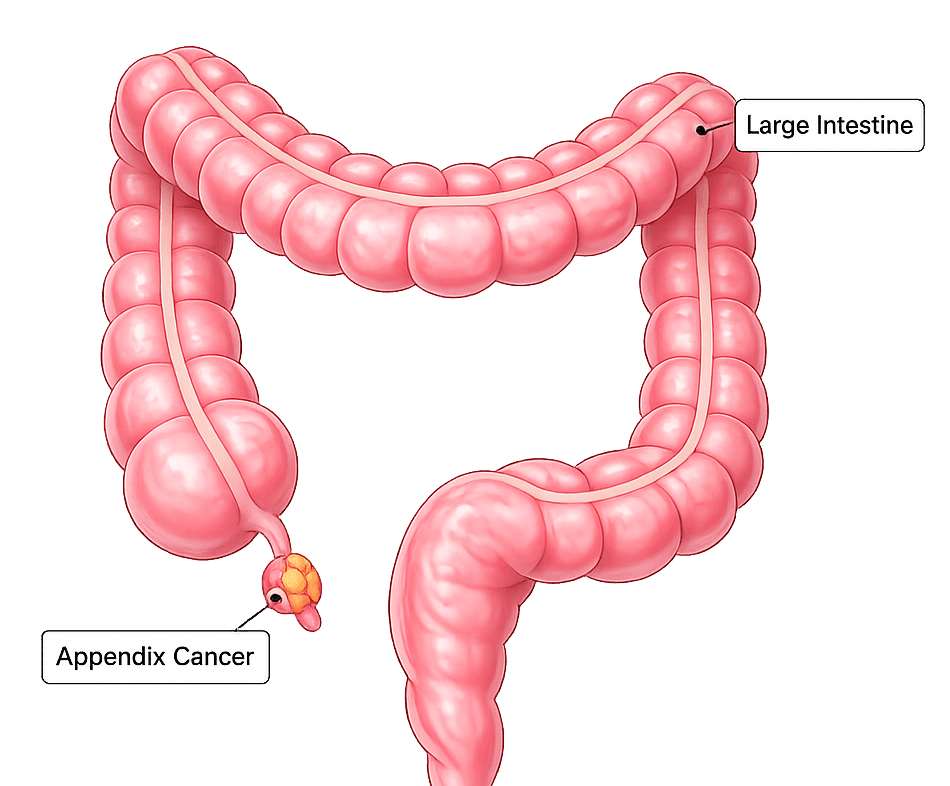
The appendix is a small pouch attached to the large intestine. It is thought to play a role in supporting the immune system and maintaining healthy gut bacteria.
Overview
Appendix cancer, also known as appendiceal cancer, is a rare type of cancer that begins in the appendix, a small pouch attached to the large intestine. It develops when cells in the appendix change and grow out of control, forming a tumor. There are several types of appendix cancer, which are classified based on the type of cells where the cancer starts.
Many people with appendix cancer do not experience symptoms in the early stages. In some cases, tumors are discovered during surgery for appendicitis or through imaging tests performed for unrelated medical conditions. Because the disease is uncommon and often develops without noticeable signs, diagnosis may occur unexpectedly. Treatment and outlook depend on the type of tumor, its size and whether it has spread beyond the appendix.
Risk Factors
Factors We Cannot Control

Age
Appendix cancer can happen at any age, but it is more likely in people between 40 and 60. Most people diagnosed are in their 50s.

Sex
Females are more likely to develop neuroendocrine tumors in the appendix.

Medical History
Certain conditions, including atrophic gastritis, pernicious anemia and Zollinger-Ellison syndrome, may increase risk.

Family History of Cancer
A recent study suggests some people with appendix cancer may inherit genes that increase cancer risk, but more research is needed.
Lifestyle & Health Factors

Smoking or Tobacco Use
Smoking or using tobacco products may increase the chance of developing cancers, including appendix cancer.
Symptoms
1. Appendicitis
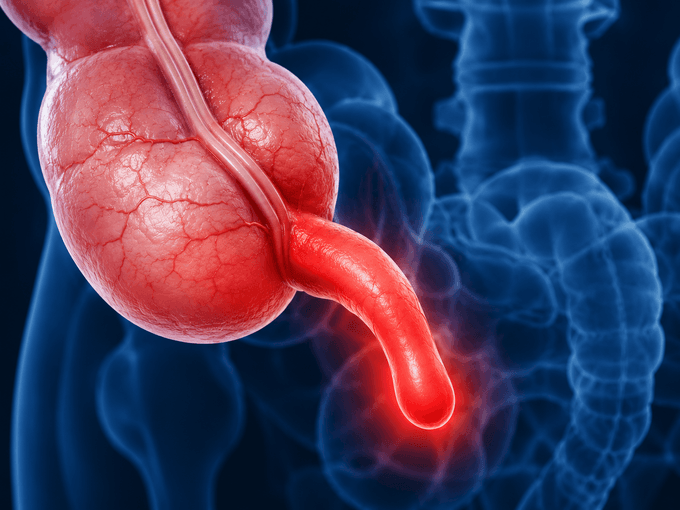
Appendix cancer may cause appendicitis, which is inflammation or infection of the appendix.
2. Bloating
Some people may feel fullness or tightness in the belly.

3. Fluid Buildup
Fluid may build up in the abdomen, a condition called ascites.

4. Increased Waist Size
An increase in waist size may happen when abdominal changes develop.

5. Abdominal or Pelvic Pain
Pain may occur in the abdomen or pelvis.

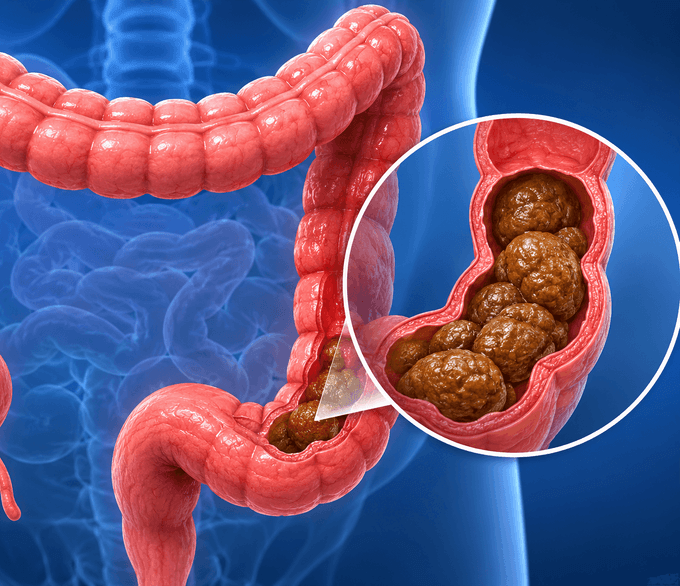
6. Bowel Changes
Changes in bowel habits, including diarrhea, may occur.
Diagnosis
1. Appendectomy Discovery
Diagnosis usually happens after an appendectomy, when the appendix is removed because appendicitis was suspected.

2. Imaging Tests
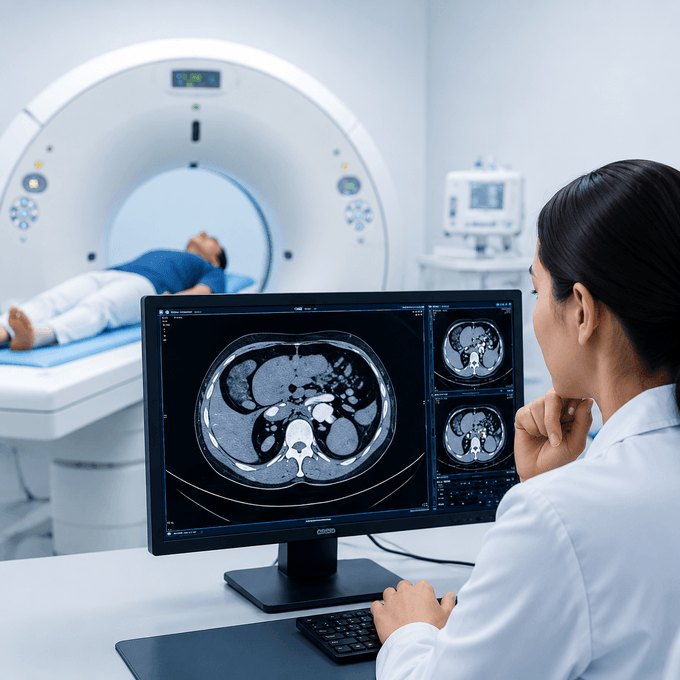
CT scans or MRI scans may show tumors and reveal signs of cancer spread.
3. Laparoscopy
A laparoscope is inserted through a small abdominal cut so a provider can view the appendix and nearby tissues.

4. Biopsy
A tissue sample may be tested for cancer cells. If the appendix is difficult to sample, tissue may be taken from a nearby area.

5. Blood Tests
If biopsy results are positive, blood tests may check specific protein levels (Tumour Marker Proteins) helps understand how advanced the cancer is.

Treatments
1. Appendectomy
Removing the appendix may be enough to treat small tumors less than 1 or 2 centimeters.

2. Hemicolectomy
Larger or more aggressive tumors may need removal of part of the large intestine and nearby lymph nodes.

3. Cytoreductive Surgery
For cancer that has spread through the abdomen, surgery may remove as much of the tumor as possible.

4. Chemotherapy
Chemotherapy may be used when cancer has spread beyond the appendix or when cancer cells may remain after surgery.

5. HIPEC
HIPEC heats chemotherapy drugs and circulates them inside the abdominal cavity, usually during surgery.

6. Targeted Drug Therapy
Targeted drug therapy focuses on specific genes or proteins that encourage cancer growth.