Astrocytoma
Astrocytes are star-shaped cells found in the brain and spinal cord that provide supportive tissue within the central nervous system. They help support, protect and maintain the environment needed for nerve cells to function properly.
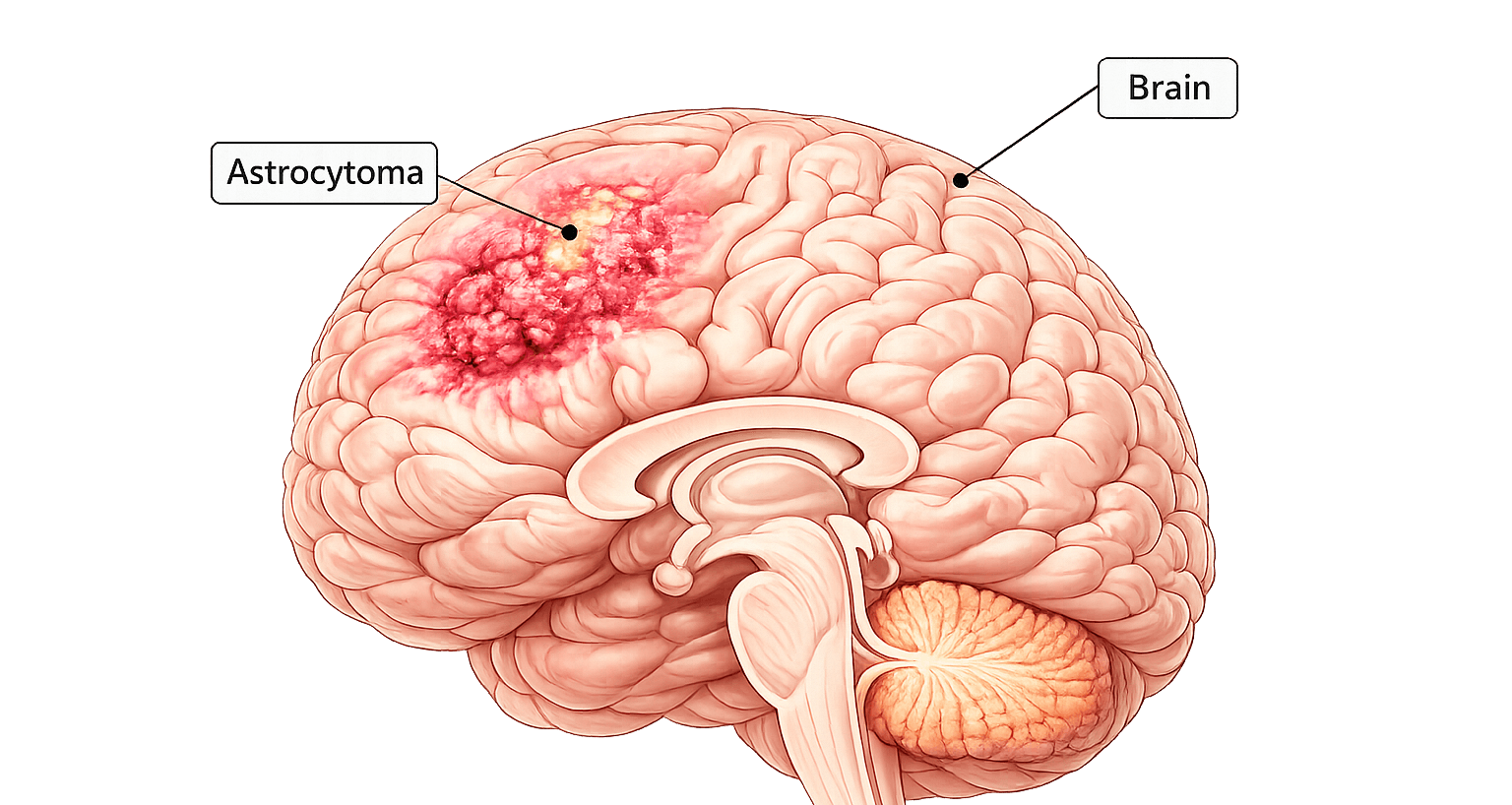
Overview
Astrocytoma is a tumor that develops from astrocytes, a type of glial cell found in the brain and spinal cord. These tumors are among the most common types of gliomas and can occur in different areas of the central nervous system. Astrocytomas vary in their behavior, ranging from slow-growing tumors to more aggressive forms.
The condition can affect people of different ages and may cause symptoms depending on the tumor’s size and location. Healthcare providers classify astrocytomas into different grades to help determine treatment options and expected growth patterns. Early diagnosis and appropriate treatment can help manage symptoms and improve quality of life.
Risk Factors
Factors We Cannot Control
Radiation Exposure
Exposure to ionizing radiation, including radiation therapy, may increase the risk of developing astrocytoma.
IDH1 Gene Mutation
A mutation in the IDH1 gene contributes significantly to the development of low-grade astrocytomas.
Li-Fraumeni Syndrome
This inherited condition involves changes in the TP53 gene and may increase the risk of several cancers, including astrocytoma.

Neurofibromatosis Type 1
NF1 causes abnormal cell growth and may be linked with early-onset astrocytomas and other nerve-related tumors.

Tuberous Sclerosis
This genetic condition can cause tumors throughout the body and is linked with subependymal giant cell astrocytomas.
Turcot Syndrome
Turcot syndrome involves gene changes that may cause intestinal polyps and brain or spinal cord tumors.
Lifestyle & Health Factors

No Lifestyle Risk Factors
This page does not identify clearly established lifestyle-related risk factors for astrocytoma.
Symptoms
1. Seizures
Seizures may occur when the tumor irritates brain tissue or affects electrical activity in the brain.

2. Mental Status Changes
Some people may develop confusion, delirium, dementia-like changes or other changes in mental status.

3. Memory Loss
Memory problems may appear when the tumor affects areas of the brain involved in thinking and recall.

4. Vision Problems
Vision changes can occur when the tumor affects brain areas involved in sight.

5. Speech Problems
Trouble speaking or aphasia may develop if the tumor affects language-related brain areas.

6. Movement Issues
Weakness, abnormal reflexes or movement problems may happen when motor areas are affected.

Diagnosis
1. Symptom Review
A provider may ask about symptoms and medical history because astrocytoma symptoms can resemble other neurological conditions.

2. Neurological Exam
A neurological exam helps check brain and spinal cord function and may suggest where the problem is located.

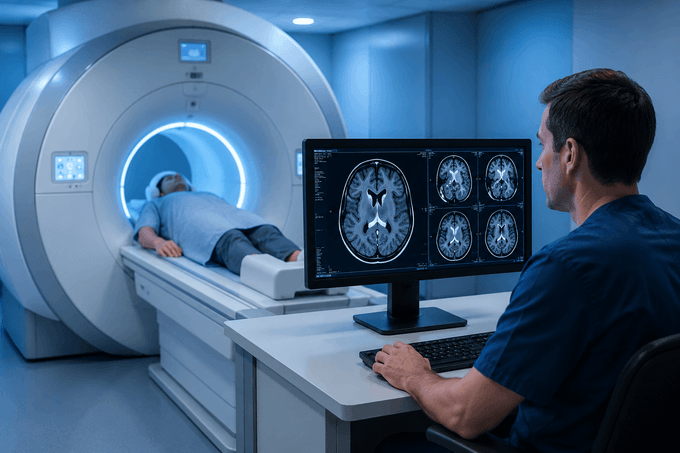
3. MRI Scan
MRI is the best imaging test for finding and diagnosing astrocytoma.
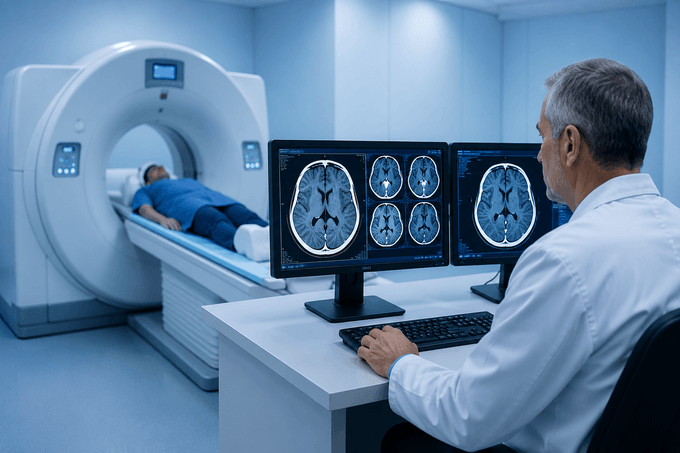
4. CT Scan
CT scan may be used if MRI is not possible, such as in people with certain implants.
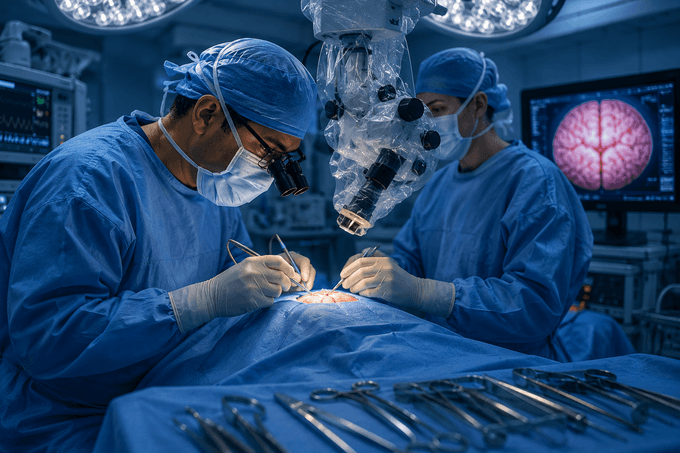
5. Biopsy or Resection
If imaging shows an abnormal area, a biopsy or tumor removal may be recommended to confirm the diagnosis.
Treatments
1. Surgery
Surgery is usually the first step and may remove as much tumor as safely possible while also providing tissue for testing.

2. Radiation Therapy
Radiation therapy may be used after surgery, especially for higher-grade astrocytomas.

3. Chemotherapy
Chemotherapy may be used to destroy tumor cells or stop them from multiplying.

4. Temozolomide
Temozolomide is a chemotherapy medicine which may be used alone or as first-line adjuvant treatment for Grade III and Grade IV astrocytomas.

5. Bevacizumab
Bevacizumab may be used for recurrent glioblastomas to reduce swelling and help improve symptoms.

6. Tumor-Treating Fields
Tumor-treating fields use a wearable device that creates electrical fields to help delay tumor growth in glioblastoma.