Basal Cell Carcinoma
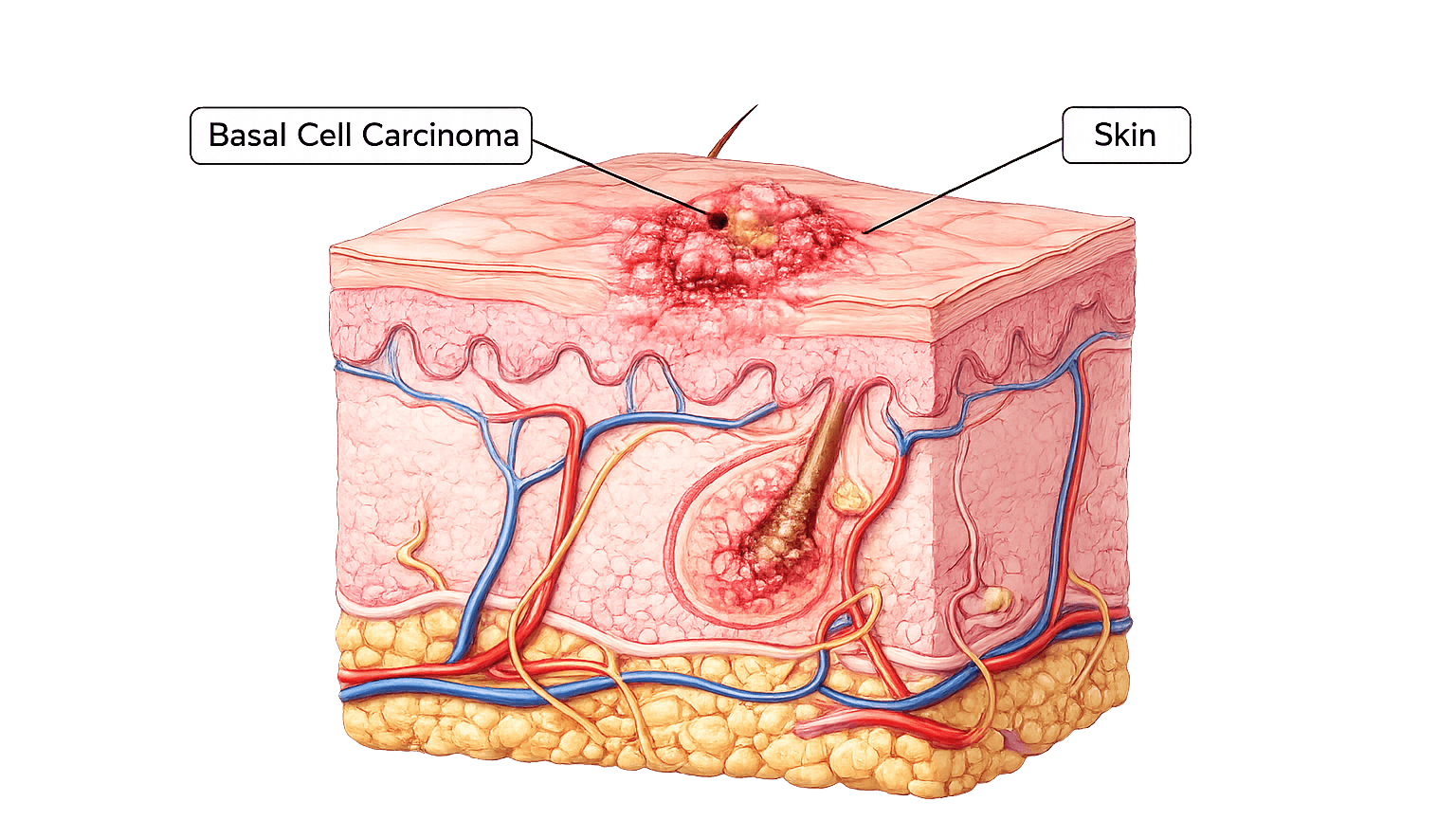
Basal cells are microscopic cells found in the lowest part of the epidermis, the outer layer of the skin. They create new skin cells and help replace older cells that naturally reach the skin’s surface and shed away.
Overview
Basal cell carcinoma (BCC) is a type of skin cancer that begins in the basal cells of the skin. It typically develops in the epidermis and often appears as a small bump, lesion or patch that gradually grows over time. BCC is the most common type of skin cancer and is most often found on areas of the body that receive frequent sun exposure.
This cancer usually grows slowly and is often detected as a noticeable change on the skin. While it rarely spreads to other parts of the body, it can continue to grow and damage nearby tissue if left untreated. Early diagnosis and treatment generally lead to very good outcomes and can help prevent further complications.
Risk Factors
Factors We Cannot Control
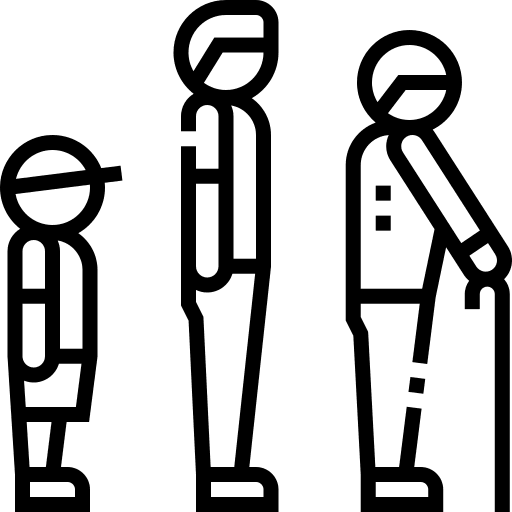
Age Over 50
Basal cell carcinoma occurs more often in people older than 50.

Fair Skin and Light Eyes
People with fair skin and light eyes are more likely to develop BCC.
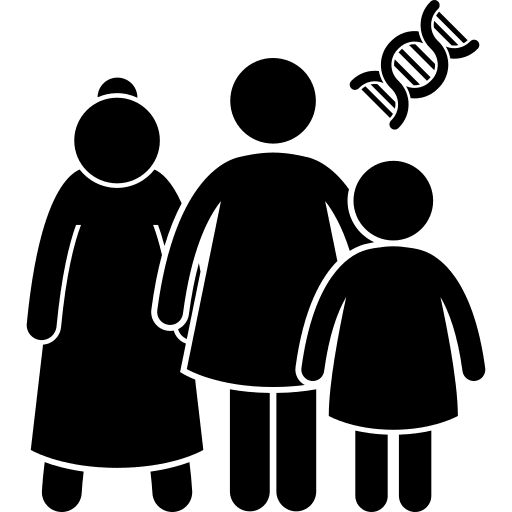
Previous BCC
People who have had BCC once have a higher risk of developing another nonmelanoma skin cancer in the future.
Lifestyle & Health Factors
UV Exposure
Too much exposure to ultraviolet rays from sunlight or tanning beds can damage skin cell DNA and lead to basal cell carcinoma.
Symptoms
1. Lump or Bump
BCC may appear as a lump, bump, pimple, scab or scaly lesion on the skin.
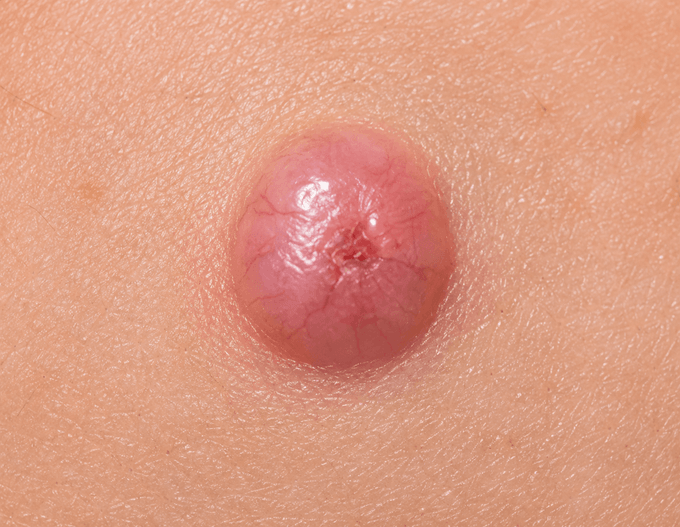
2. Shiny or Skin-Colored Growth
The growth may look shiny, slightly see-through or close to the color of your normal skin.
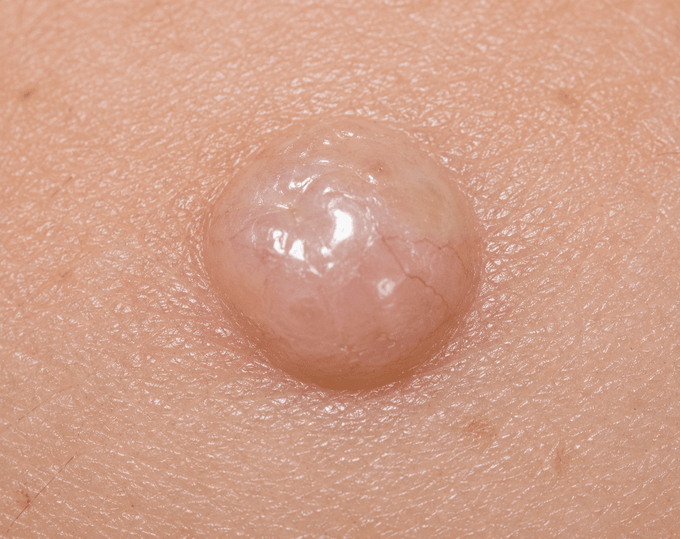
3. Color Changes
The lesion may appear white to pink, brown to black or black to blue.
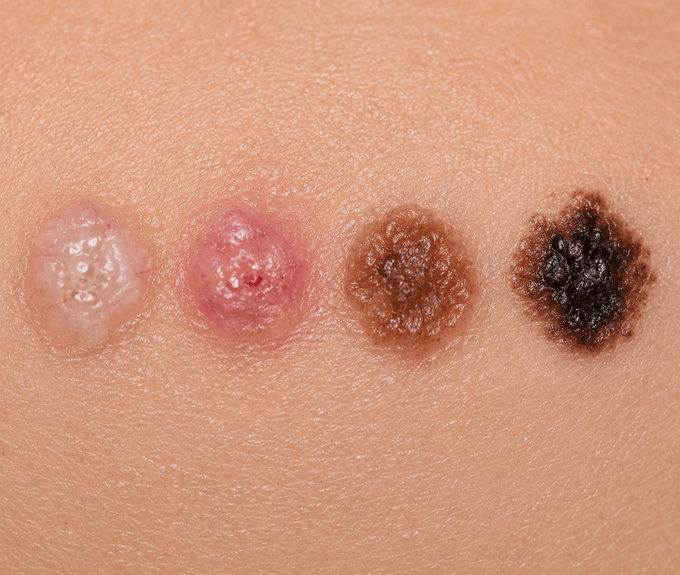
4. Visible Blood Vessels
Some lesions may look shinier than nearby skin and may show tiny visible blood vessels.
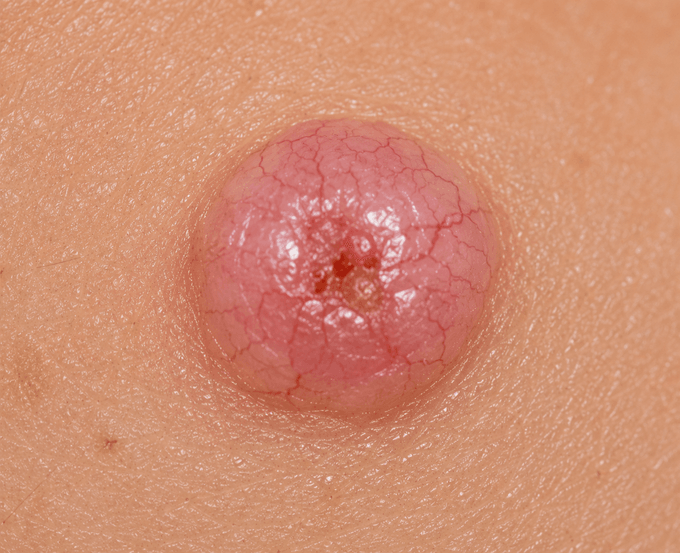
5. Itching or Pain
The affected area may become itchy or painful.
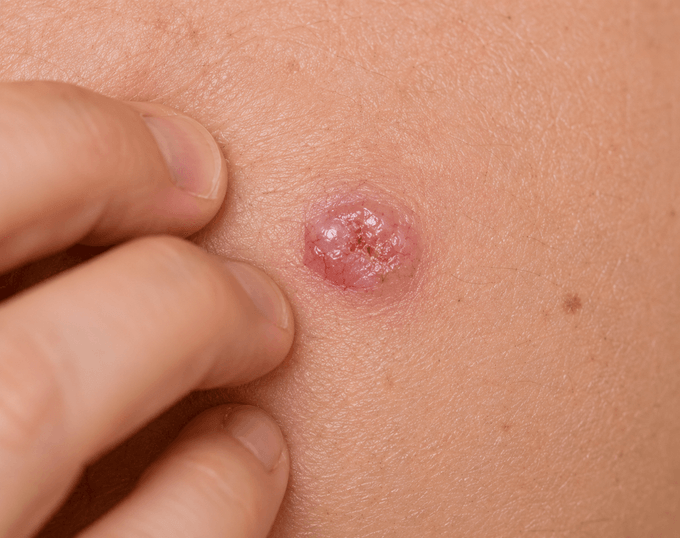
6. Bleeding or Oozing
The lesion may form an ulcer that oozes clear fluid or bleeds when touched.
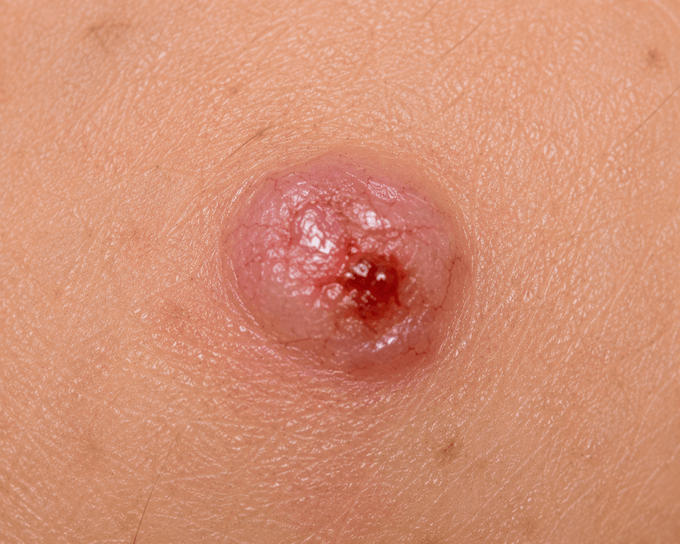
Diagnosis
1. Skin Examination
A healthcare provider may examine the skin and look closely at the lump, bump or lesion.
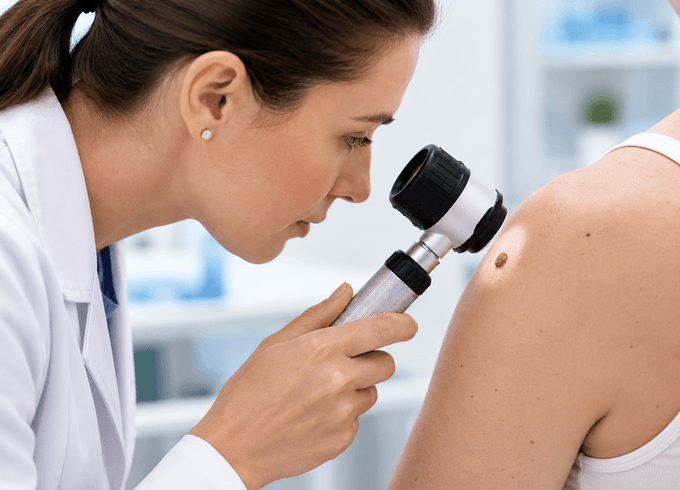
2. Medical History
Your provider may ask about your symptoms and medical history.

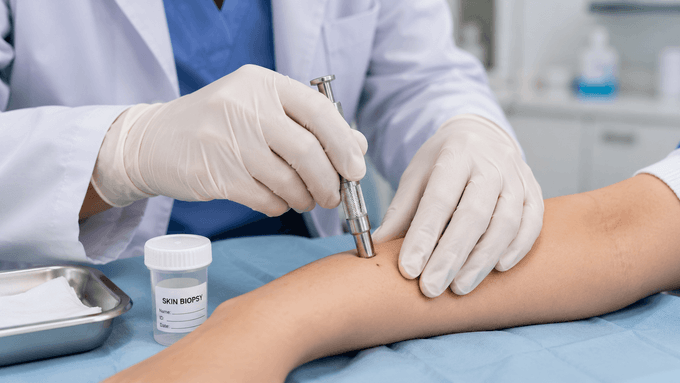
3. Skin Biopsy
A biopsy removes a small sample of the affected skin so it can be examined under a microscope.
Treatments
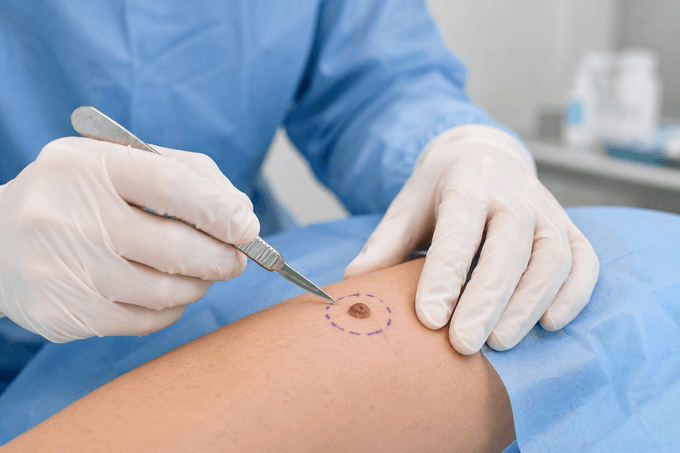
1. Excision
A Healthcare provider may remove the cancerous lesion and a small amount of surrounding healthy skin.
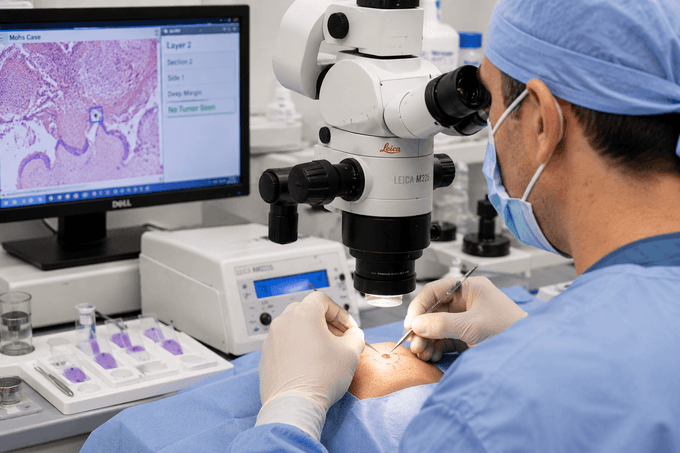
2. Mohs Surgery
Mohs surgery removes one layer of skin at a time and checks each layer until no cancer cells remain.
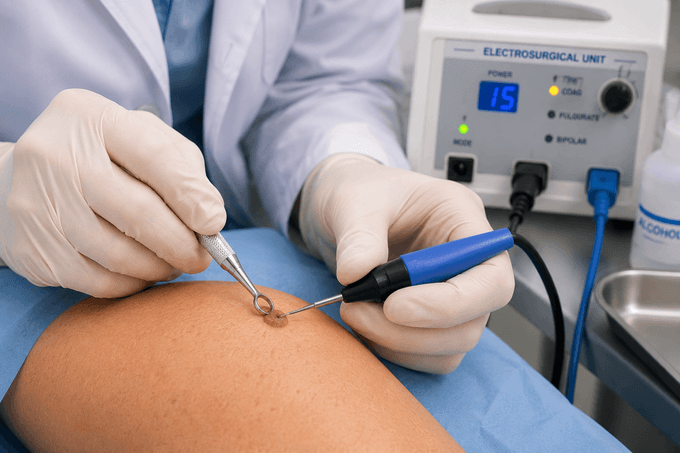
3. Electrodesiccation and Curettage
This treatment scrapes the lesion and uses heat to destroy remaining cancer cells.
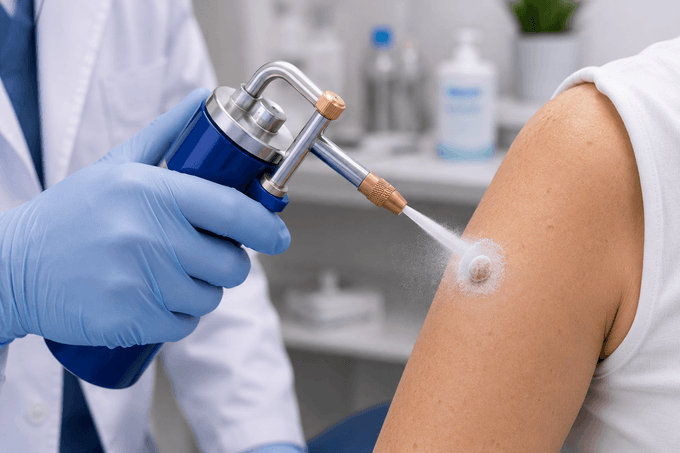
4. Cryosurgery
Cryosurgery freezes the cancerous lesion to destroy cancer cells.
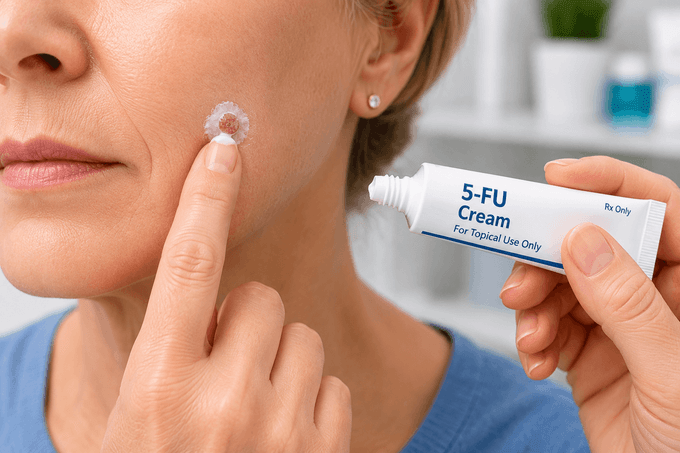
5. Topical Chemotherapy
Medicine applied directly to the skin may be used for some cases of basal cell carcinoma.
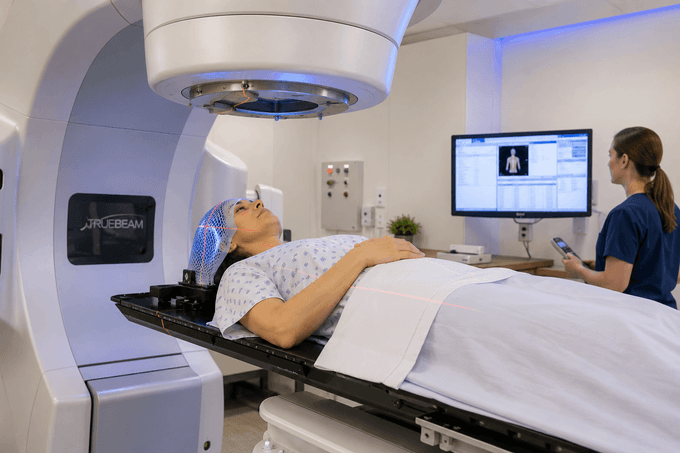
6. Radiation Therapy
Radiation therapy may be used in certain cases when surgery is not the best option.