Bile Duct Cancer
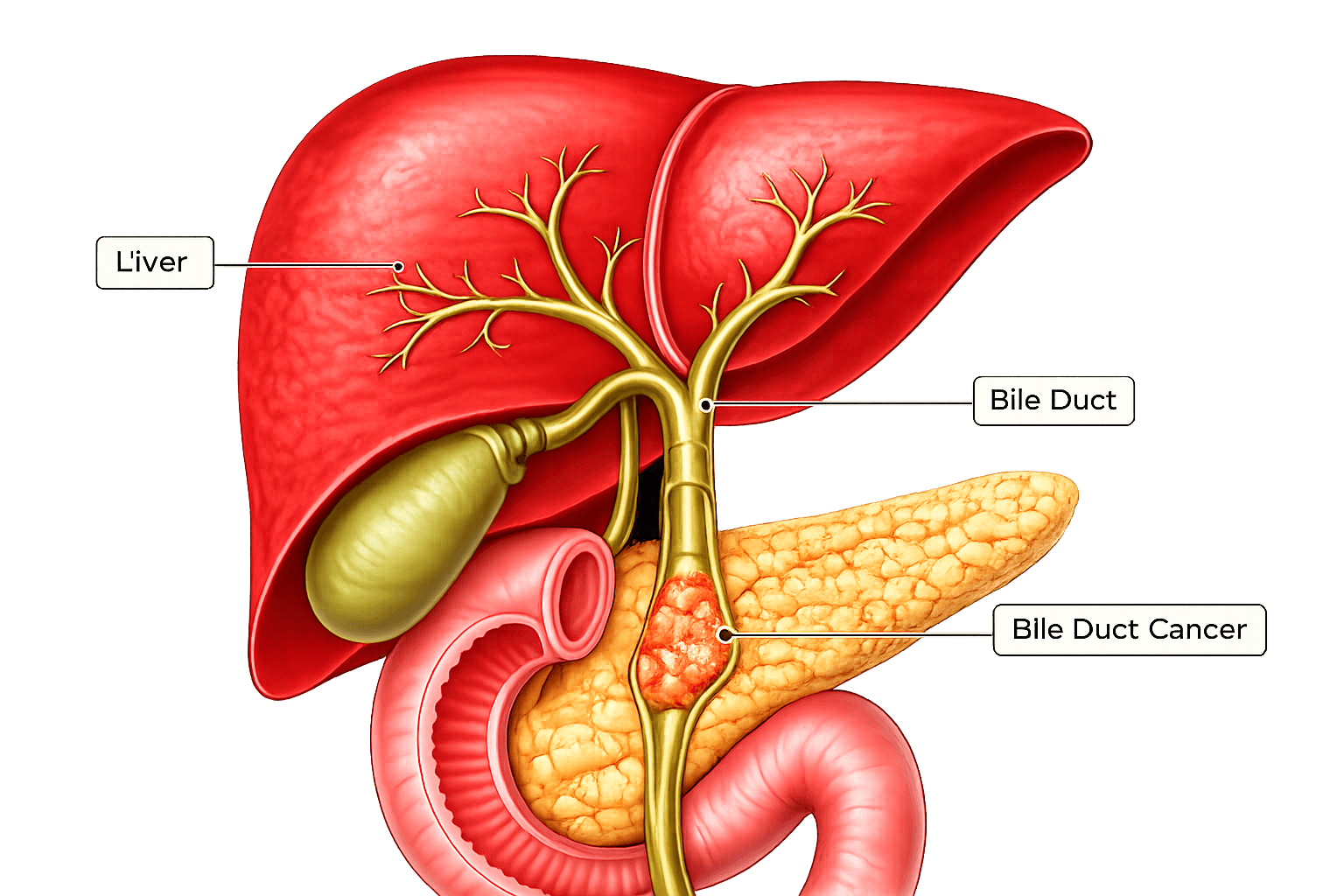
Bile ducts are thin tubes that carry bile from the liver to the small intestine. Bile helps break down fats during digestion and plays an important role in processing waste from the body.
Overview
Bile duct cancer, also known as cholangiocarcinoma, is a rare cancer that begins in the bile ducts. It often develops without causing noticeable symptoms in its early stages and may grow or spread before it is detected. The disease can occur in different parts of the bile duct system, depending on where the abnormal cells begin to grow.
Because bile duct cancer frequently develops quietly, many people are diagnosed only after symptoms appear or the cancer has progressed. Early detection can be challenging, but timely evaluation and treatment are important for managing the disease. Treatment options depend on factors such as the cancer’s location, extent and overall health of the individual.
Risk Factors
Factors We Cannot Control

Primary Sclerosing Cholangitis
Scarring in the bile ducts, called primary sclerosing cholangitis, may increase risk.

Bile Duct Stones or Cysts
Bile duct stones or cysts may make someone more likely to develop cholangiocarcinoma.
Inflammatory Bowel Disease
Inflammatory bowel disease, especially ulcerative colitis, may increase risk.
Genetic Conditions
Genetic conditions such as Caroli disease, Lynch syndrome and cystic fibrosis may increase risk.
Lifestyle & Health Factors
Infections
Certain infections, including clonorchiasis and hepatitis B or C, may increase risk.

Liver Disease
Liver disease, including types related to alcohol use, obesity and diabetes, may increase risk.
Symptoms
1. Abdominal Pain
Pain in the belly may occur when the disease becomes advanced.

2. Fever
Some people may develop fever as a symptom.

3. Fatigue
Tiredness or fatigue may occur with cholangiocarcinoma.

4. Itchy Skin
Itchy skin may happen when bile flow is blocked.

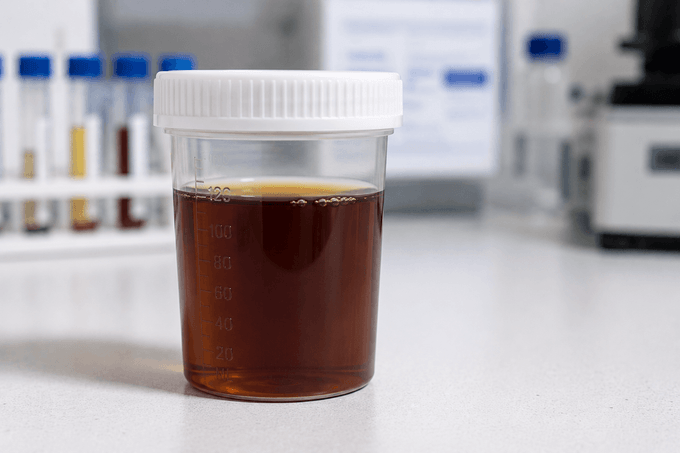
5. Dark Urine or Pale Stools
Dark urine or pale stools may appear when bile drainage is affected.
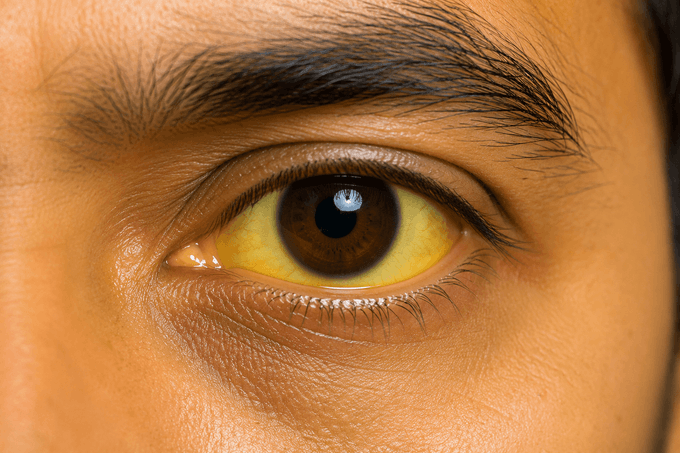
6. Jaundice
Yellowing of the skin or whites of the eyes may be a sign of jaundice.
Diagnosis
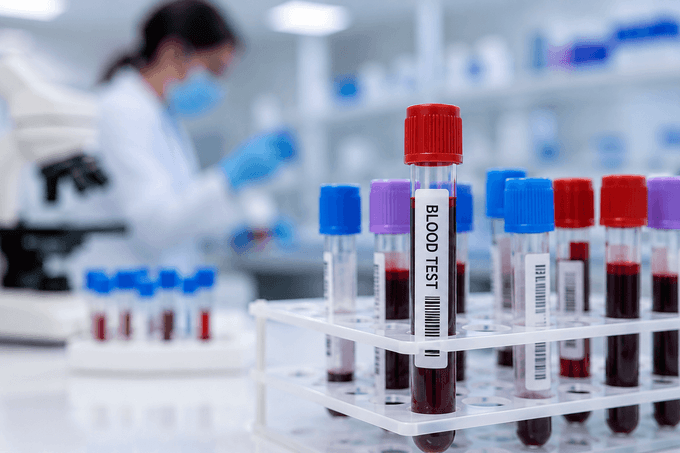
1. Blood Tests
Blood tests may show high enzyme levels or tumor markers such as CA 19-9 or CEA.
2. Imaging Tests
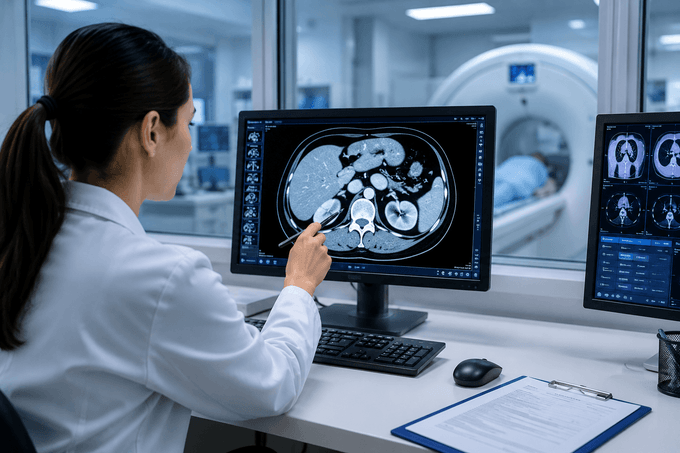
Imaging tests may include ultrasound, CT scan, MRI and MRCP to help see tumors and bile ducts.
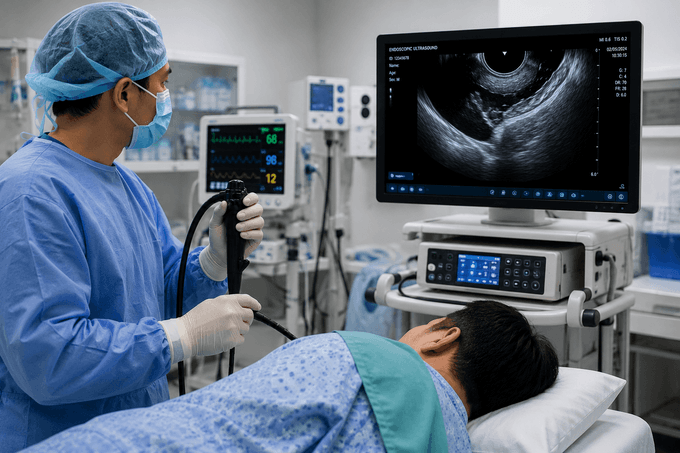
3. Endoscopic Ultrasound
Endoscopic ultrasound uses a scope with a camera to view the bile ducts more closely.
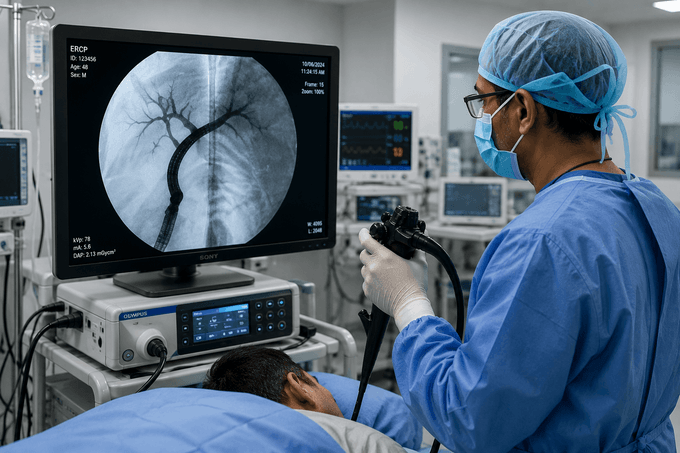
4. ERCP
ERCP uses a specialized scope and dye to create X-ray images of the bile ducts and may help drain a blockage.
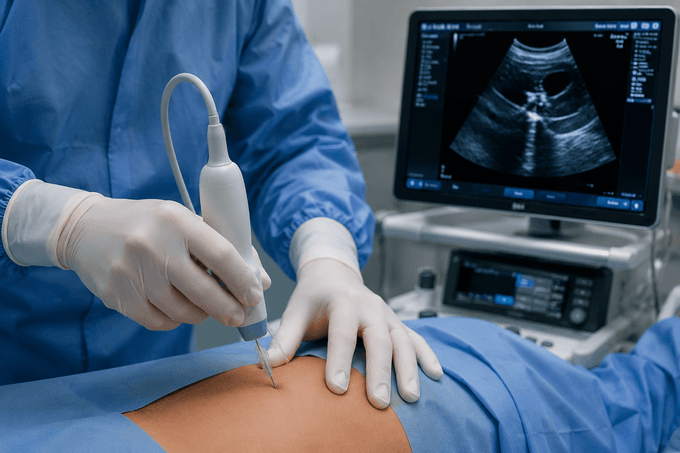
5. PTC
Percutaneous transhepatic cholangiography may place a drain in blocked bile ducts if ERCP is not an option.
6. Biopsy
A tissue sample may be tested for cancer cells.

Treatments
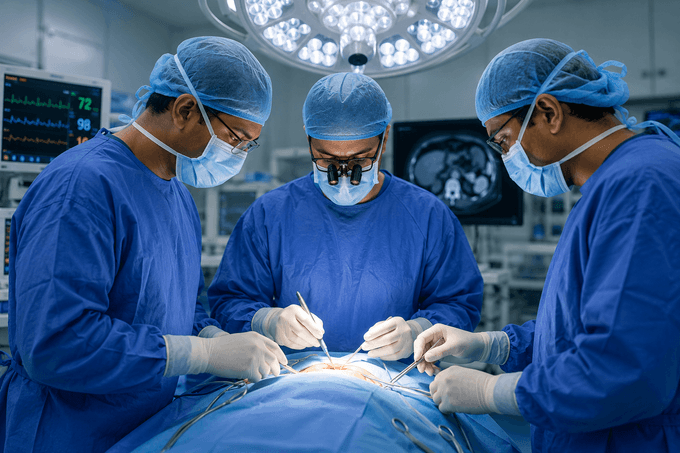
1. Surgery
Surgery is the main treatment for earlier-stage disease when the tumor can be removed safely.
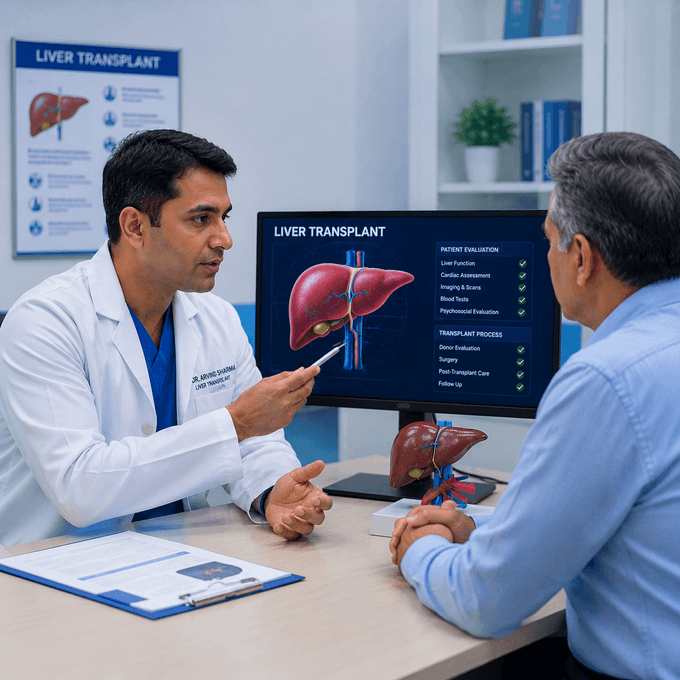
2. Liver Transplant
A liver transplant may be a possible cure for some types of bile duct cancer.
3. Chemotherapy
Chemotherapy sends medicines through the body to destroy cancer cells and may be used after surgery or to shrink tumors.

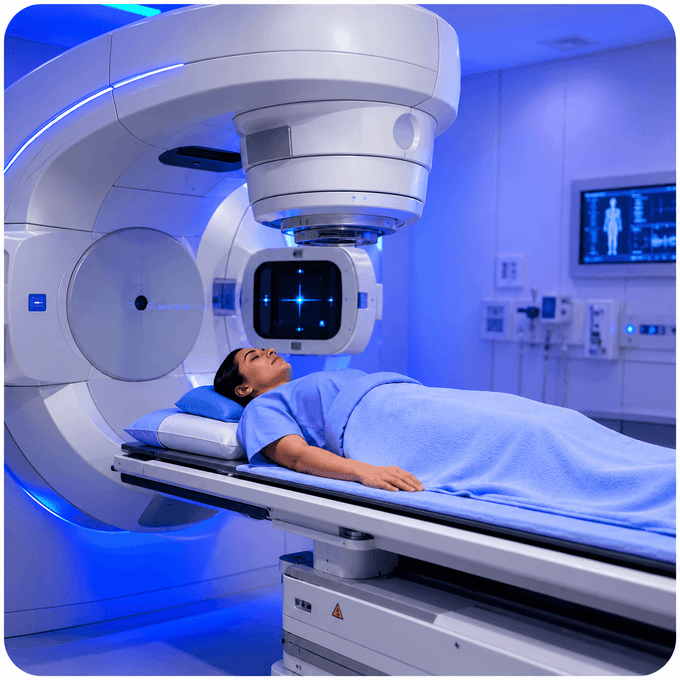
4. Radiation Therapy
Radiation therapy uses X-rays to kill cancer cells or shrink tumors and may be used with chemotherapy.
5. Targeted Therapy
Targeted therapy may destroy cancer cells with certain gene changes such as FGFR2, HER2 or BRAF.

6. Immunotherapy
Immunotherapy helps the immune system fight cancer cells.