Bladder Cancer
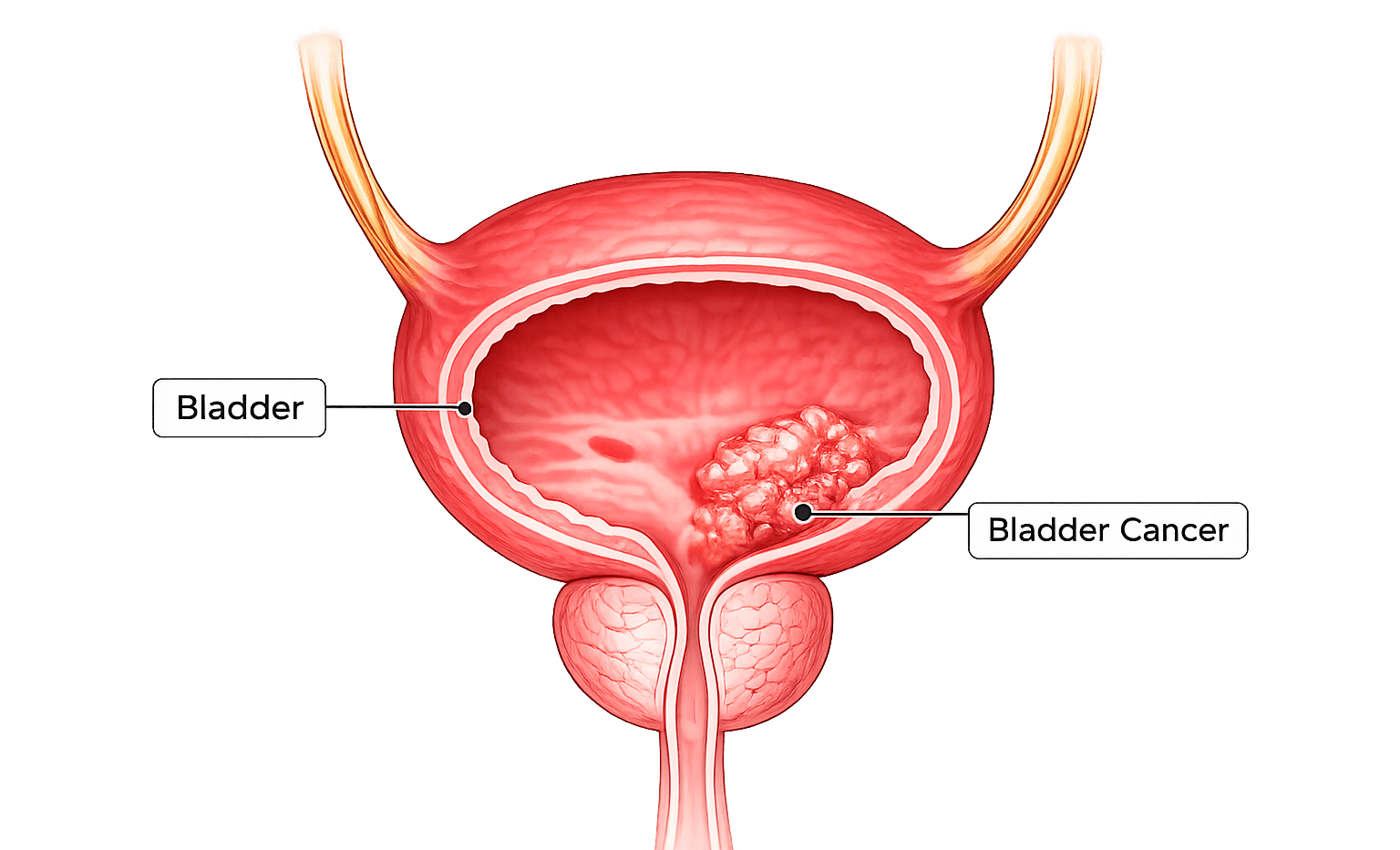
The bladder is a hollow organ in the urinary system that stores urine before it leaves the body. It works with the kidneys, ureters and urethra to help remove waste and maintain normal urinary function.
Overview
Bladder cancer develops when abnormal cells in the lining of the bladder grow uncontrollably and form a tumor. It is one of the most common cancers affecting the urinary system and most often begins in the cells that line the inside of the bladder.
The condition can occur in different forms depending on how deeply the cancer has grown into the bladder wall. Some cases remain limited to the bladder lining, while others may spread into nearby tissues or other parts of the body. Early detection and appropriate treatment can help improve outcomes and reduce the risk of disease progression.
Risk Factors
Factors We Cannot Control
Radiation Exposure
Radiation therapy used to treat cancer may increase the risk of bladder cancer.

Certain Chemotherapy Drugs
Some chemotherapy medicines may increase the risk of bladder cancer.

Past Bladder Cancer
People who have had bladder cancer before have a higher risk of developing new or recurrent bladder tumors.
Lifestyle & Health Factors

Cigarette Smoke
Smoking cigarettes more than doubles the risk of bladder cancer. Pipe, cigar and secondhand smoke exposure may also increase risk.

Chemical Exposure
Working with certain chemicals used in dyes, rubber, leather, paint, textiles or hairdressing supplies may increase risk.

Frequent Bladder Infections
Frequent bladder infections, bladder stones or other urinary tract diseases may increase the risk of squamous cell carcinoma.

Chronic Catheter Use
Long-term need for a catheter in the bladder may increase the risk of squamous cell carcinoma.
Symptoms
1. Blood in Urine
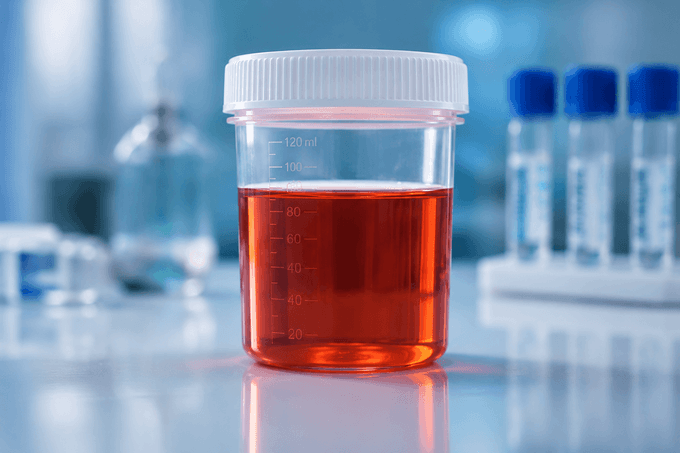
Blood in urine is the most common symptom of bladder cancer.
2. Painful Urination
Pain, burning or stinging may happen when urinating.
3. Frequent Urination
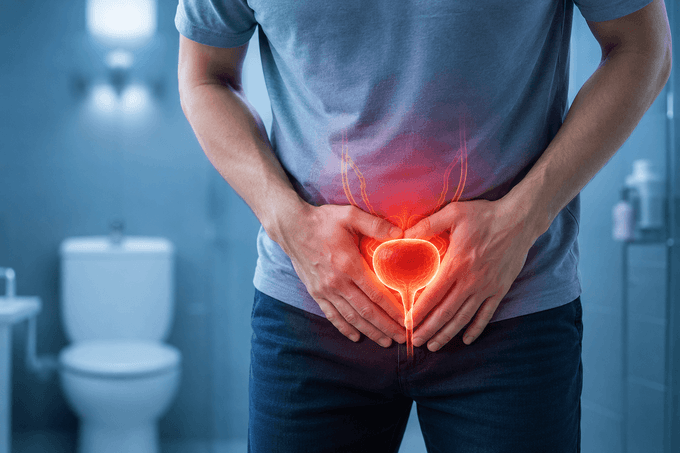
Needing to urinate many times in a 24-hour period may occur.

4. Trouble Urinating
The urine flow may start and stop or may not be as strong as usual.
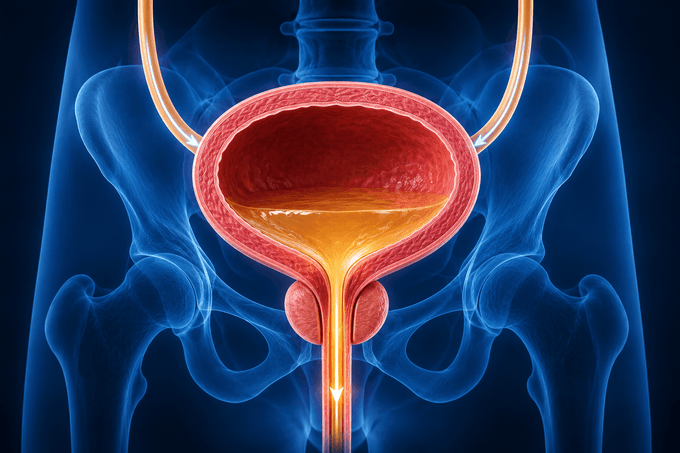
5. Persistent Bladder Infections
Bladder infections that do not go away after antibiotics should be checked by a healthcare provider.

Diagnosis
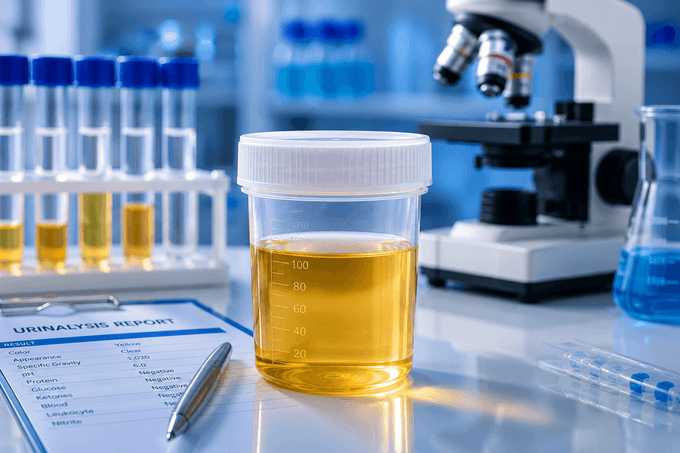
1. Urinalysis
Urinalysis checks urine and may help rule out infection.
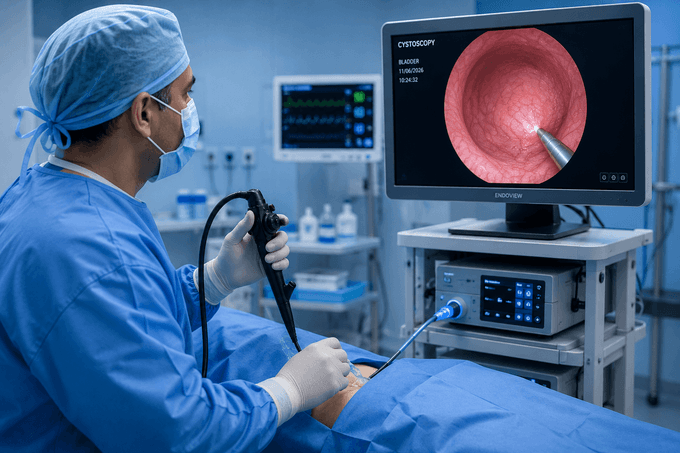
2. Cystoscopy
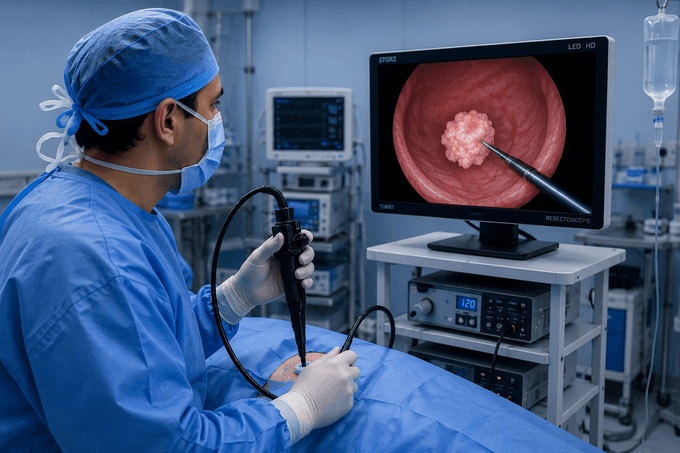
Cystoscopy uses a lighted tube to view the inside of the bladder and urethra. Providers may also take tissue samples during this test.
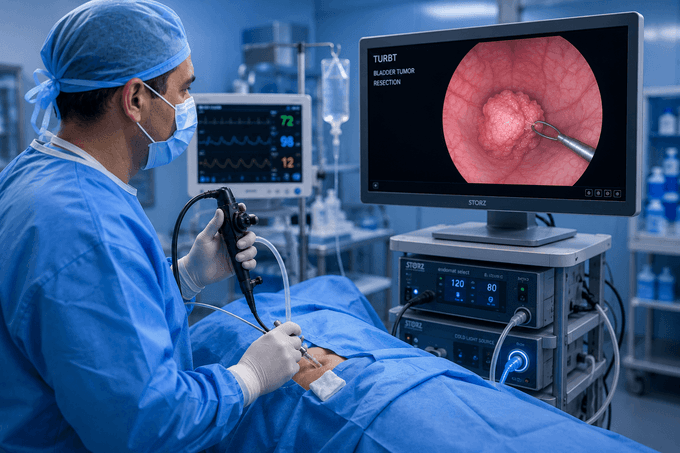
3. TURBT
Transurethral resection of bladder tumor removes bladder tumors for additional testing and may also treat tumors before they invade muscle.
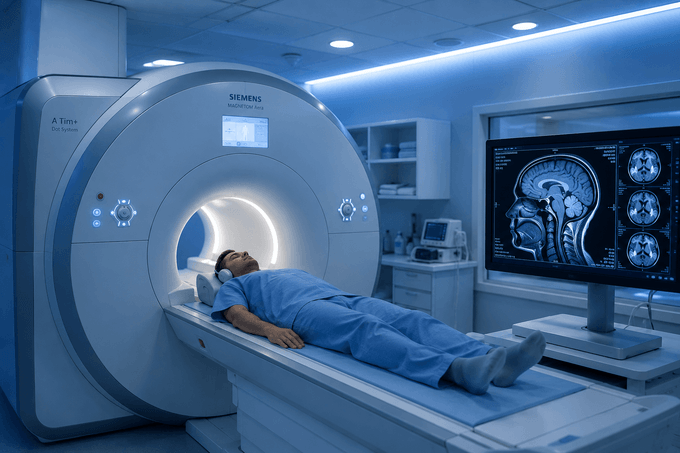
4. MRI Scan
MRI uses magnets, radio waves and a computer to create detailed bladder images.
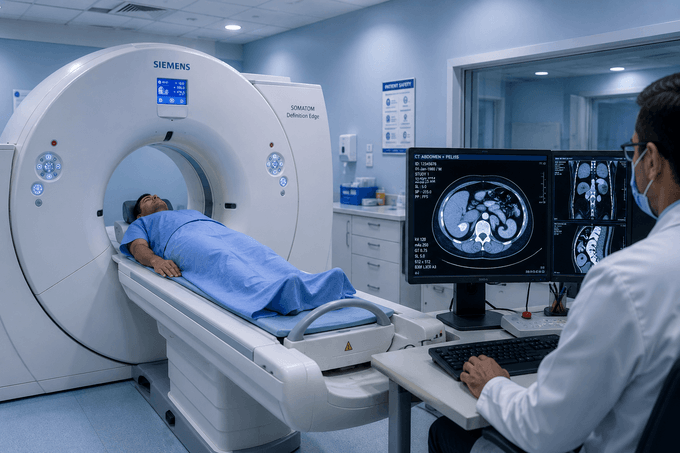
5. CT Scan
CT scan may check whether cancer has spread outside the bladder.
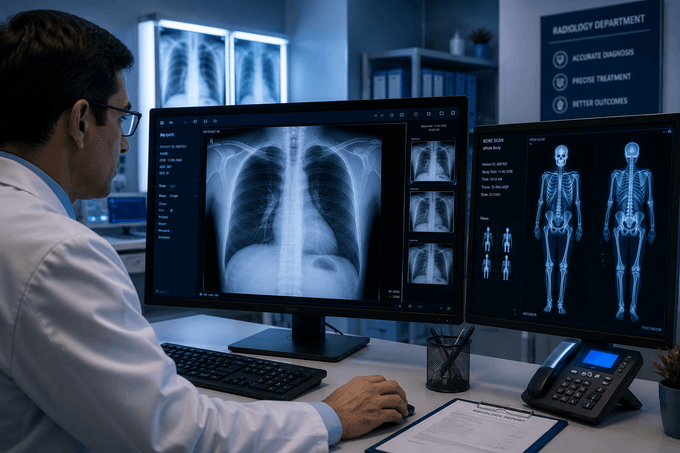
6. Chest X-ray or Bone Scan
These tests may check for signs that bladder cancer has spread to the lungs or bones.
Treatments
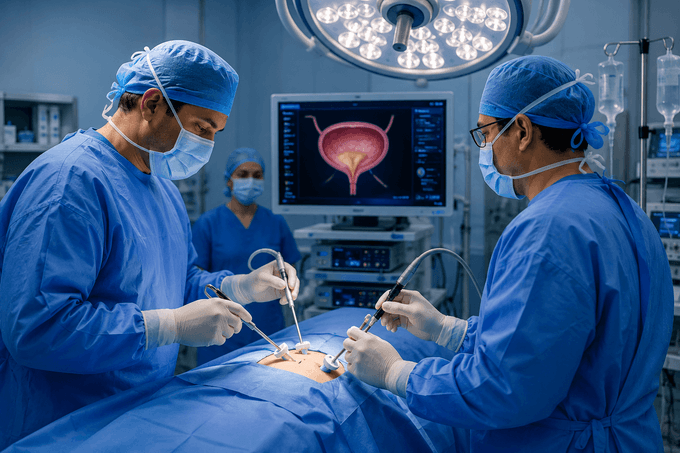
1. Surgery
Surgery is a common bladder cancer treatment. Healthcare Provider choose the surgical option based on the cancer stage.
2. TURBT
TURBT can treat bladder cancer that has not spread by removing the tumor or burning it away.
3. Chemotherapy
Chemotherapy uses cancer-killing medicines. Intravesical therapy may deliver medicine directly into the bladder.

4. Immunotherapy
Immunotherapy helps the immune system attack cancer cells and may include BCG or PD-1/PD-L1 inhibitor medicines.

5. Radiation Therapy
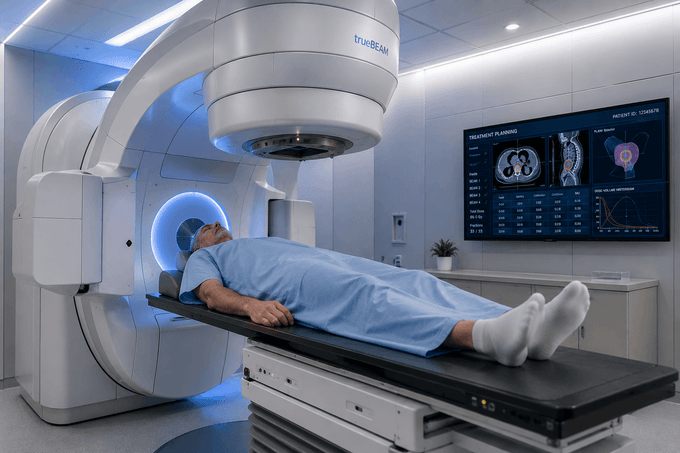
Radiation therapy may be used as an alternative to bladder removal surgery and may be combined with TURBT and chemotherapy.
6. Targeted Therapy
Targeted therapy focuses on genetic changes that help cancer cells grow, such as FGFR gene changes.