Bone Cancer
Bones provide the body with structure, protect vital organs and work together with muscles to support movement. They also store important minerals and contain bone marrow, which helps produce blood cells.
Overview
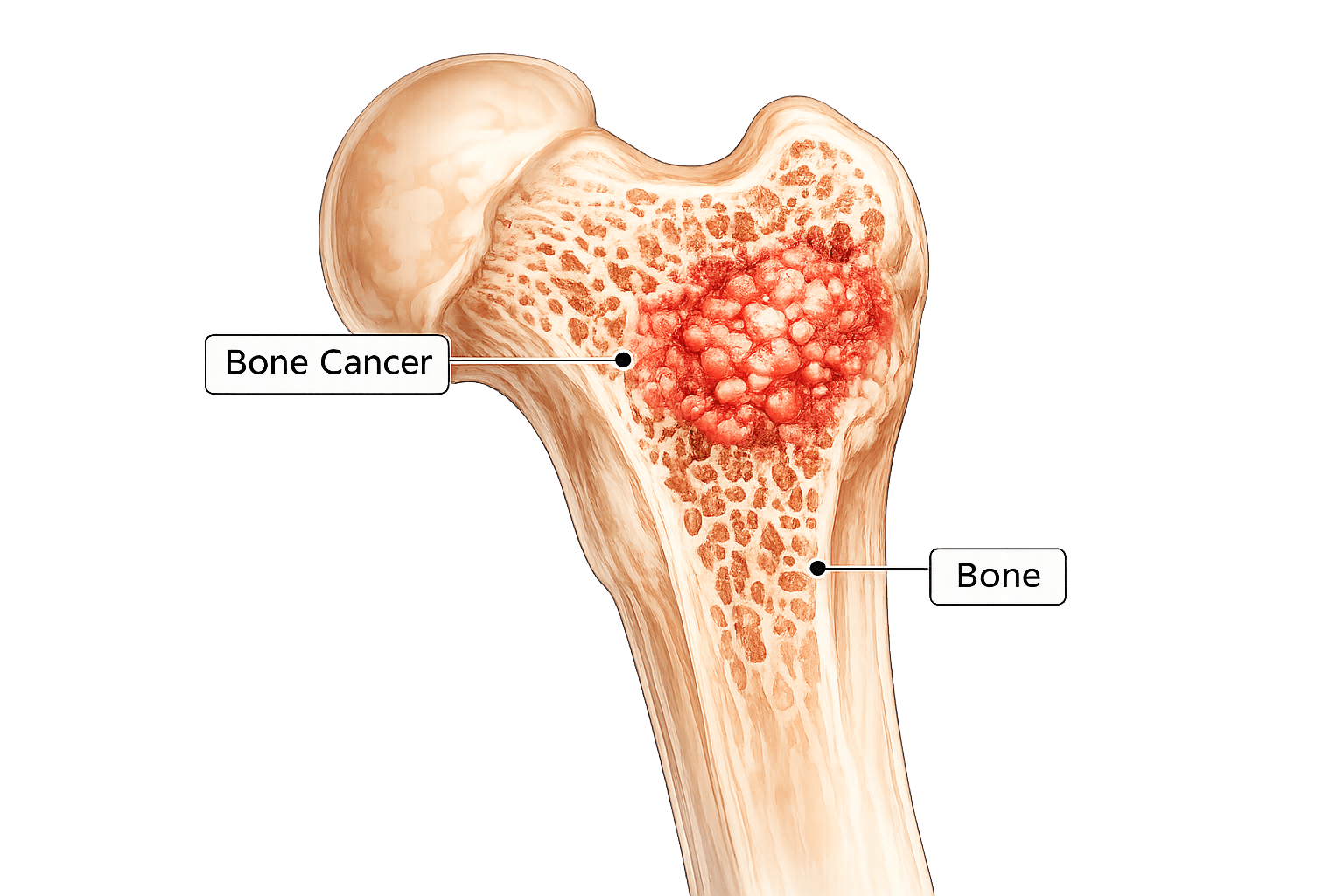
Bone cancer occurs when abnormal cells grow uncontrollably within a bone and form a tumor. While many tumors that affect bones spread from cancers that start elsewhere in the body, primary bone cancer begins directly in the bone itself. Several different types of primary bone cancer can develop depending on the cells involved.
Bone cancer can affect people of different ages and may develop in various bones throughout the body. Because there are multiple forms of the disease, treatment approaches and outcomes can vary. Early diagnosis and appropriate treatment play an important role in managing the condition and improving quality of life.
Risk Factors
Factors We Cannot Control

Previous Cancer Treatment
Radiation therapy and some chemotherapy drugs used for other cancers may increase the risk of bone cancer later.

Genetic Factors
Some rare inherited genetic disorders, including Li-Fraumeni syndrome, may increase the risk of bone cancer.

Benign Bone Conditions
In rare cases, benign bone conditions such as Paget disease of the bone or multiple enchondromas may increase risk.
Lifestyle & Health Factors

No Clear Lifestyle Risk Factors
Most people who develop bone cancers do not have any risk factors. This page does not identify clearly established lifestyle-related risk factors.
Symptoms
1. Bone Pain
Bone pain may gradually become more persistent and is often worse at night. It may feel throbbing, aching or stabbing.

2. Lump
A lump may appear in the affected area and may feel hard or soft to the touch.

3. Swelling
Unexplained swelling may develop around the affected area of the bone.

4. Difficulty Moving
Movement may become difficult if swelling is near a joint.

5. Fatigue
Fatigue may occur in people with bone cancer.

6. Fever
Fever may occur as one of the signs of bone cancer.

Diagnosis
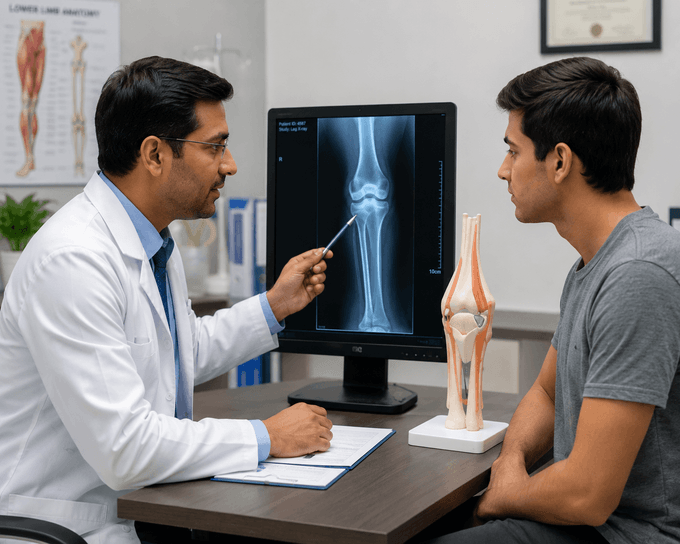
1. X-rays
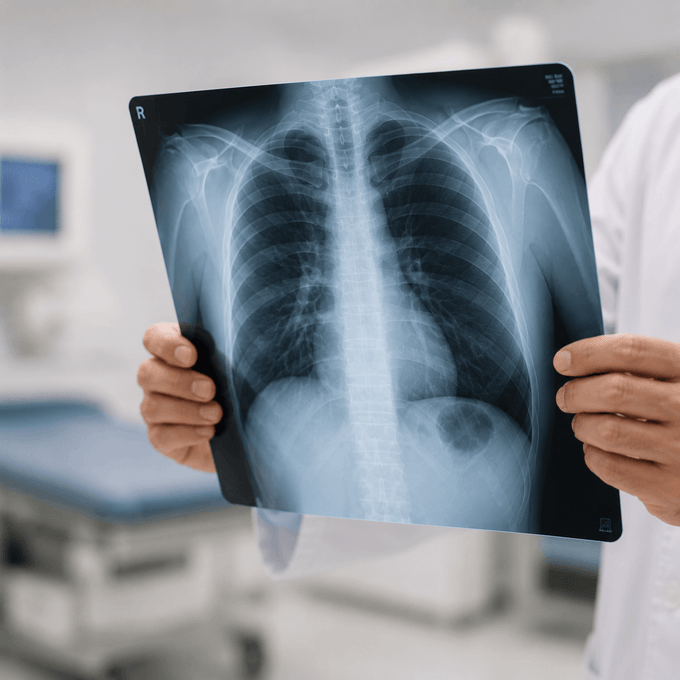
Healthcare providers often first use X-rays to view the bones.
2. MRI Scan
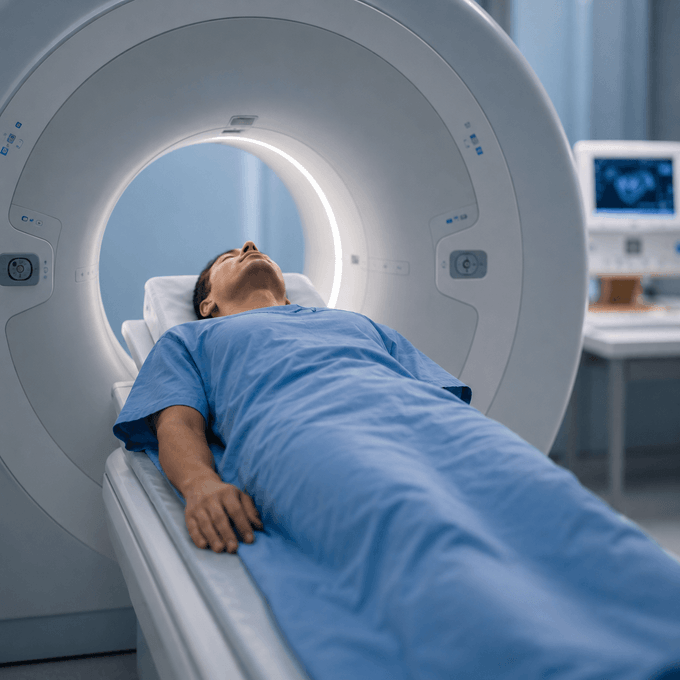
MRI provides detailed images of the areas around the bones and is often needed before treatment.
3. CT Scan
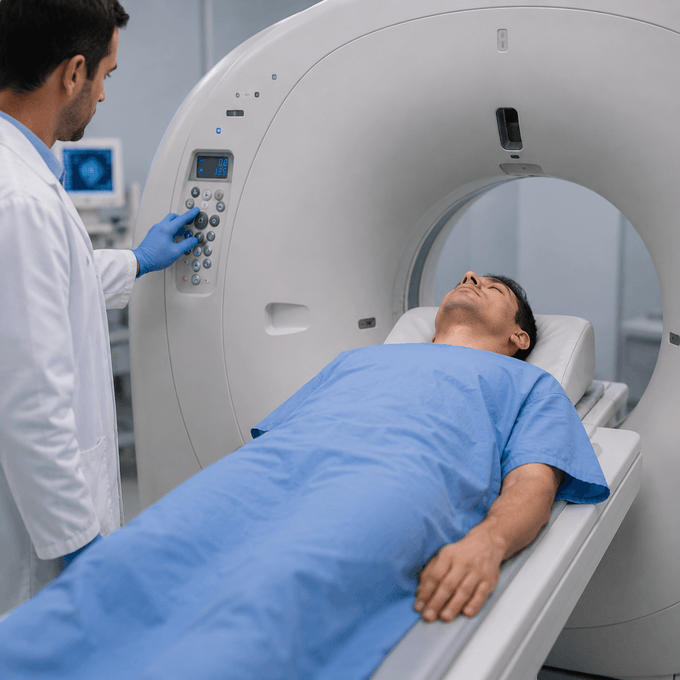
CT scans provide more detailed images of the bones and nearby areas.
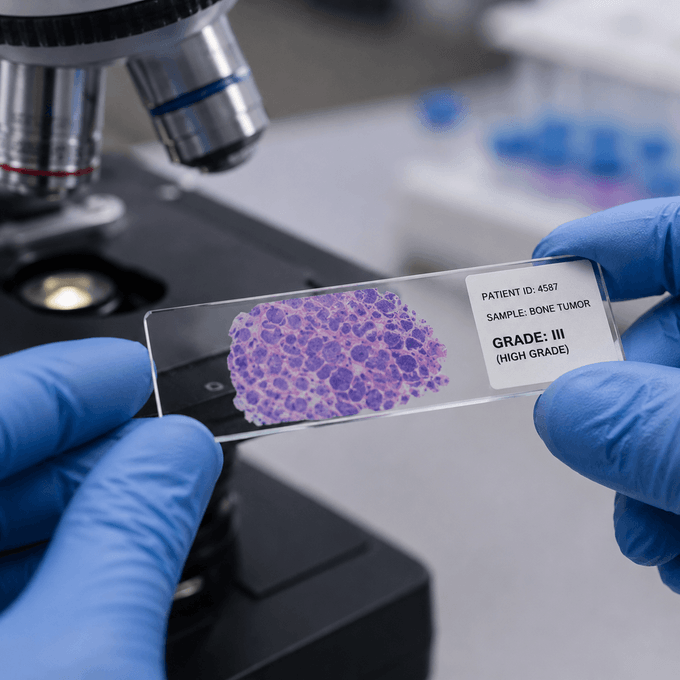
4. Biopsy
A biopsy removes a small piece of bone tissue so a pathologist can examine it under a microscope.

5. Tumor Grade
Doctors look at how abnormal the cancer cells appear to understand how likely the cancer is to spread.
Treatments
1. Surgery
Surgery to remove the cancer is the most common treatment for bone cancers.
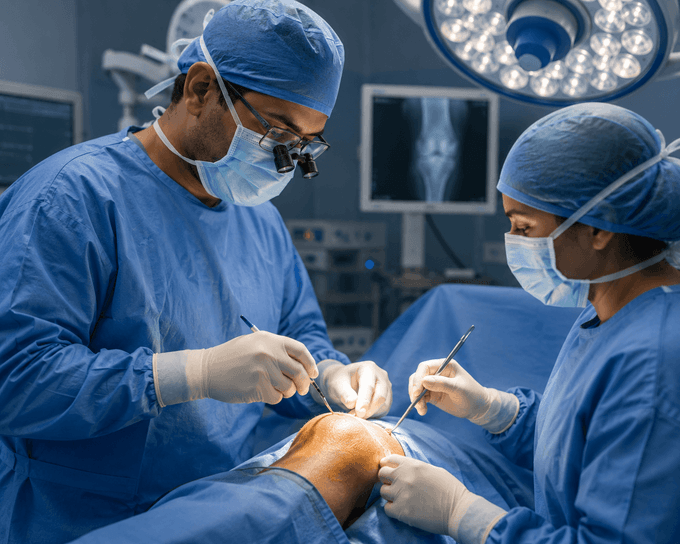
2. Limb-Sparing Surgery
This surgery removes the tumor and some healthy tissue around it while keeping the arm or leg intact.
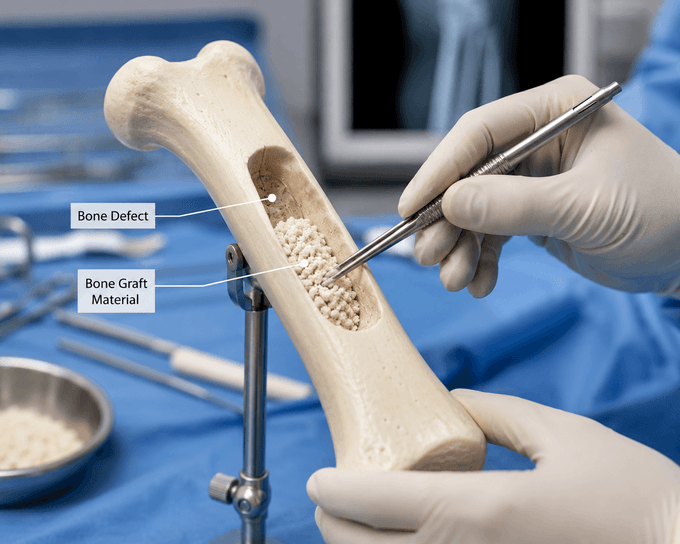
3. Bone Graft Repair
Surgeons may repair or rebuild affected bones using real or artificial bone grafts.
4. Limb Removal
Sometimes, surgeons need to remove an entire limb and fit the person with an artificial limb after surgery.

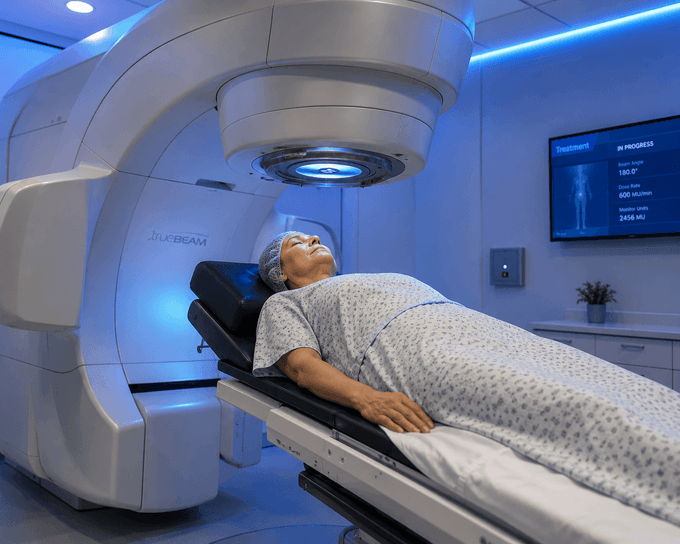
5. Radiation Therapy
Radiation therapy may shrink tumors before surgery or destroy cancer cells that remain after surgery.
6. Chemotherapy
Chemotherapy may treat the main cancer, metastases and cancer cells that may be circulating in the body.