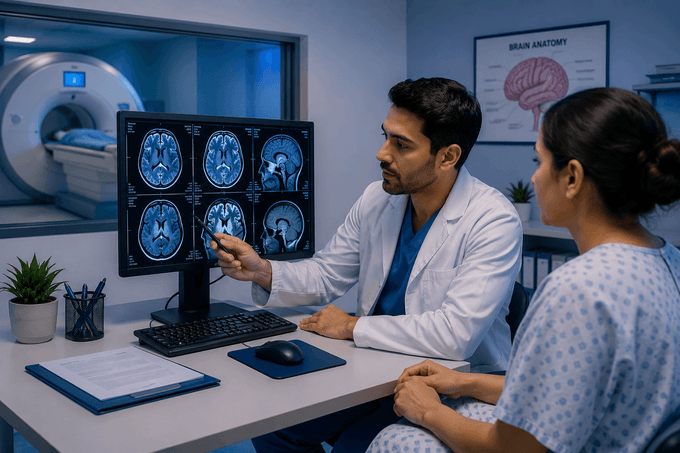
Brain Cancer
The brain is the control center of the body, responsible for processing information, regulating movement and coordinating essential functions. Different areas of the brain work together to support thinking, memory, emotions, sensation and communication.
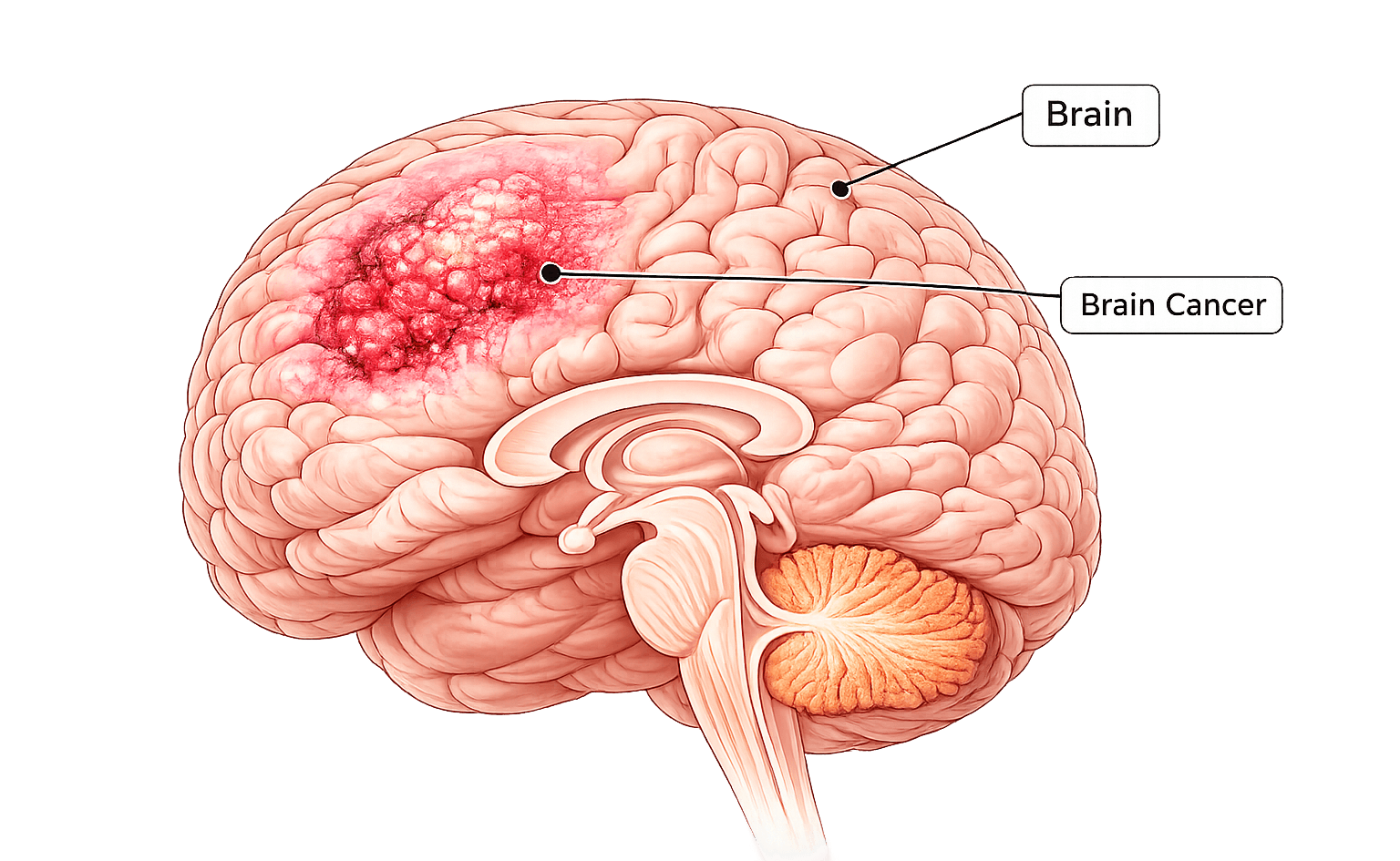
Overview
Brain cancer occurs when abnormal cells grow uncontrollably within the brain and form a tumor. These tumors can develop from cells within the brain itself or spread to the brain from cancer that began elsewhere in the body. Brain tumors vary widely in their type, location and rate of growth.
Because the brain controls many important functions, symptoms and treatment options often depend on where the tumor is located and how large it becomes. Some tumors grow slowly, while others may be more aggressive. Early diagnosis and specialized treatment can help manage the condition and improve quality of life.
Risk Factors
Factors We Cannot Control

Gene Changes
Brain tumors develop when certain genes in brain cells are damaged and no longer work properly.
Inherited Syndromes
Rare inherited genetic syndromes, including NF1, NF2, Turcot syndrome, Gorlin syndrome, tuberous sclerosis complex and Li-Fraumeni syndrome, are linked with brain tumors.
Family History
Only about 5% to 10% of people with brain tumors have a family history of a brain tumor.
Lifestyle & Health Factors

Radiation Exposure
Exposure to large amounts of radiation from X-rays or previous cancer treatment may contribute to gene damage linked with brain tumors.

Smoking
Avoiding environmental hazards such as smoking may help reduce the risk of developing a brain tumor.
Symptoms
1. Headaches
Headaches may be more severe in the morning or may wake someone up at night.

2. Seizures
Seizures may occur as a sign of a brain tumor.

3. Thinking or Speech Problems
A person may have difficulty thinking, speaking or understanding language.

4. Vision Issues
Vision problems may occur when a tumor affects areas involved in sight.

5. Weakness or Paralysis
Weakness or paralysis may affect one part or one side of the body.

6. Balance Problems
Balance problems or dizziness may happen depending on tumor location.

Diagnosis
1. Physical Examination
A healthcare provider may perform a physical exam and ask about symptoms, health conditions, medications, surgeries and family history.

2. Neurological Exam
A neurological exam checks changes in balance, coordination, mental status, hearing, vision and reflexes.

3. MRI or CT Scan
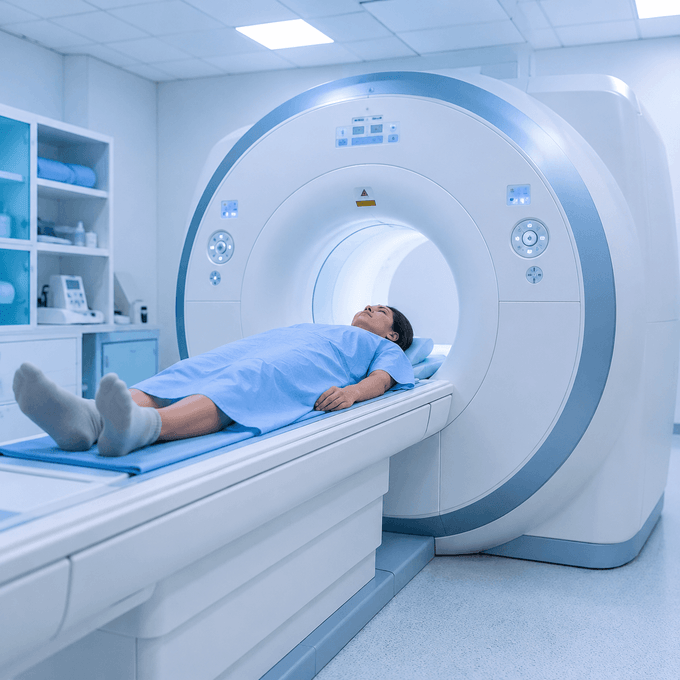
Brain MRI is usually the best imaging test for identifying brain tumors, while CT scan may be used when MRI is not possible.
4. Biopsy
A biopsy removes a tumor sample so specialists can identify the tumor type and whether it is cancerous.

5. Spinal Tap
A spinal tap may be used when Healthcare provider suspect the tumor has invaded the tissue layers covering the brain.

6. Specialized Tests
Specialized tests may check blood or cerebrospinal fluid for tumor markers or gene abnormalities linked with certain tumors.

Treatments
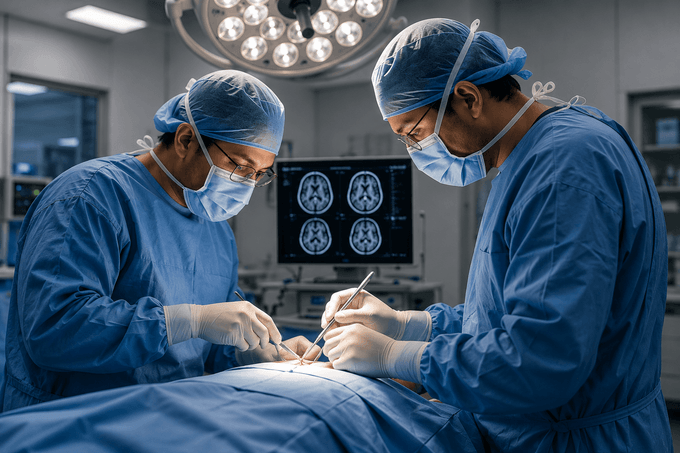
1. Brain Surgery
When possible, neurosurgeons remove the tumor while working carefully to protect functional areas of the brain.
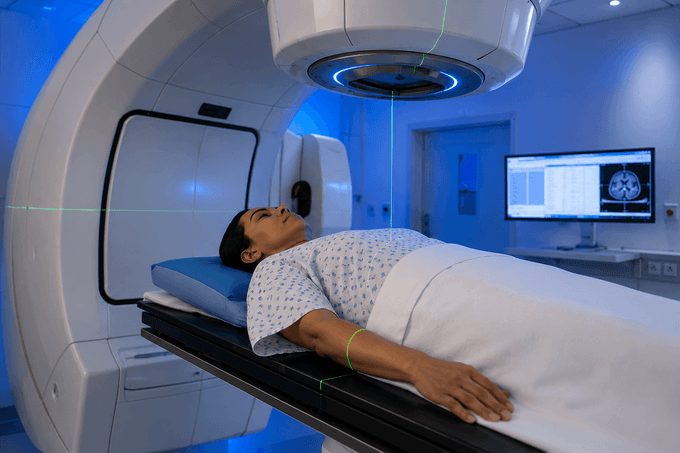
2. Radiation Therapy
Radiation therapy uses high doses of X-rays to destroy brain tumor cells or shrink the tumor.
3. Chemotherapy
Chemotherapy uses anticancer medicines to kill cancer cells in the brain and throughout the body.

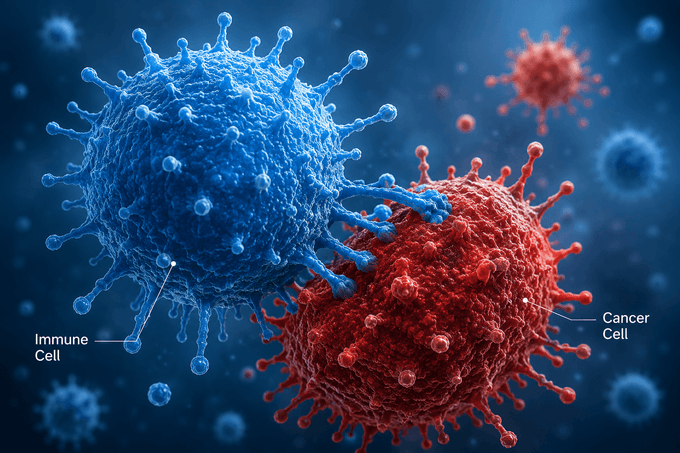
4. Immunotherapy
Immunotherapy uses the body’s immune system to fight cancer more effectively.
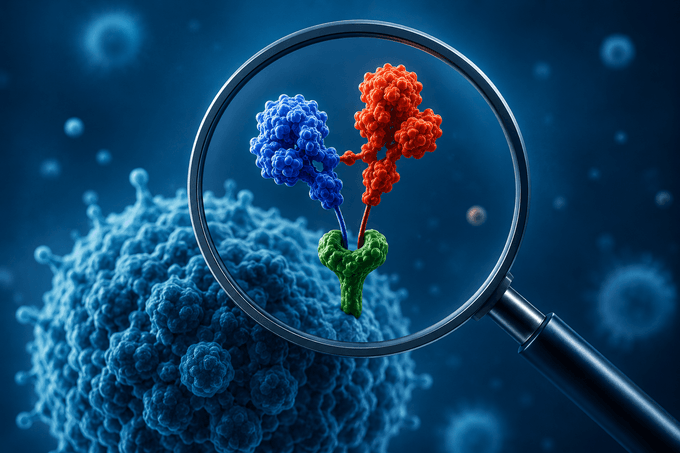
5. Targeted Therapy
Targeted therapy uses medicines that focus on specific features in cancer cells while limiting harm to healthy cells.
6. Watchful Waiting
For very small tumors that are not causing symptoms, healthcare provider may recommend close monitoring with regular testing.