Burkitt Lymphoma
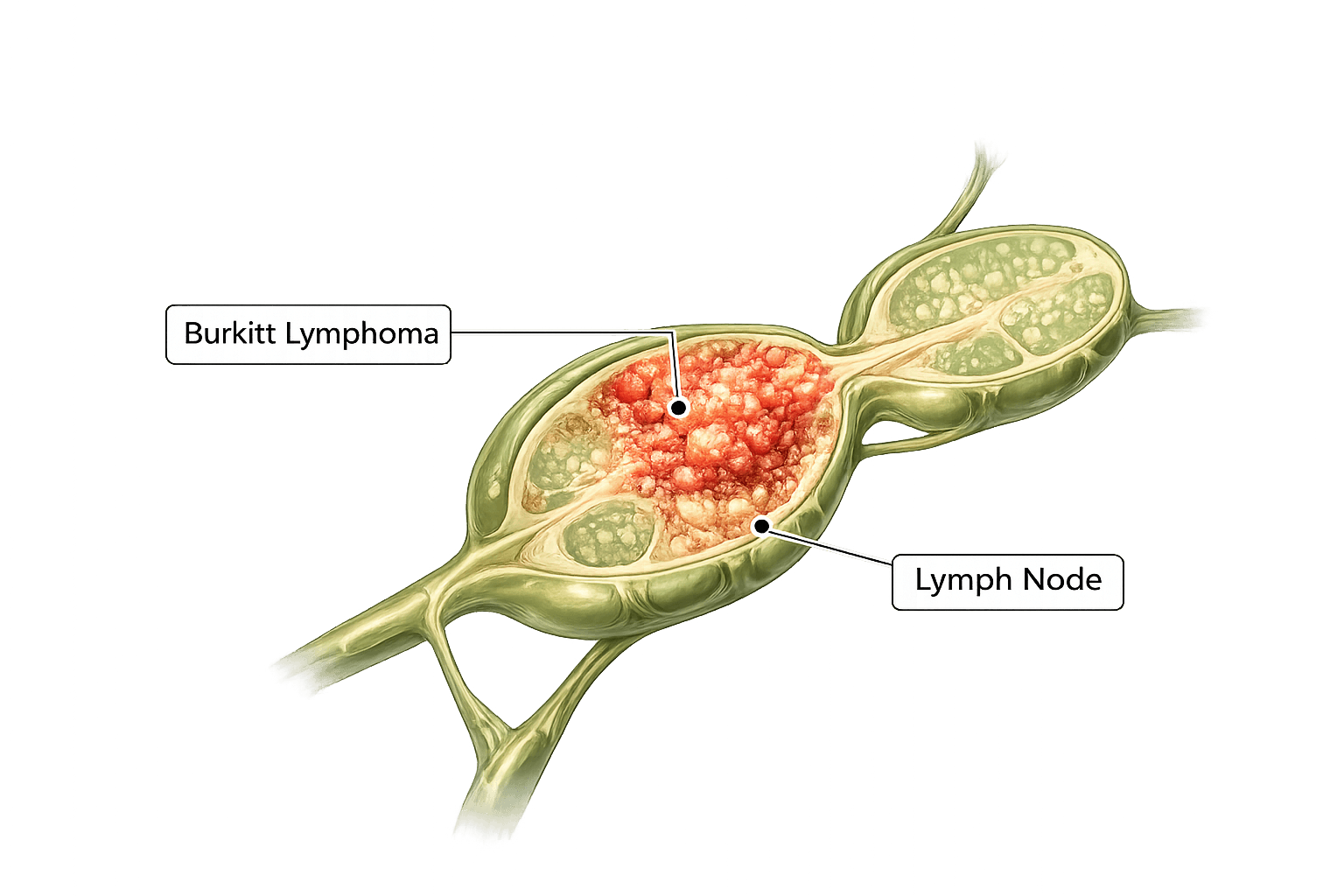
The lymphatic system is a network of vessels, tissues and organs that helps protect the body from infections and disease. It carries lymph fluid throughout the body and plays an important role in supporting the immune system.
Overview
Burkitt lymphoma is a rare and fast-growing form of non-Hodgkin lymphoma that develops in B lymphocytes, a type of white blood cell. It can affect various parts of the body, including lymph nodes, bone marrow, the digestive system and other organs. Because it grows rapidly, the condition often requires prompt medical attention after diagnosis.
Although Burkitt lymphoma is an aggressive cancer, it can respond well to treatment when identified and managed early. Symptoms and disease progression can vary depending on the areas of the body involved. Treatment typically begins soon after diagnosis to help control the disease and improve outcomes.
Risk Factors
Factors We Cannot Control
MYC Gene Changes
Burkitt lymphoma is linked to changes in a gene called MYC, which helps control cell growth.

Gene Translocation
A genetic glitch called translocation can make the MYC gene overactive.
Epstein-Barr Virus
Some people with Epstein-Barr virus also have Burkitt lymphoma, but not everyone with EBV develops it.

Weakened Immune System
Immunodeficiency-related Burkitt lymphoma affects people with weakened immune systems, such as people with HIV/AIDS.
Lifestyle & Health Factors

No Lifestyle Risk Factors
This page does not identify clearly established lifestyle-related risk factors for Burkitt lymphoma.
Symptoms
1. Belly Pain
Belly pain may appear suddenly and can be accompanied by nausea or vomiting.

2. Nausea or Vomiting
Nausea or vomiting may occur as part of the sudden symptom pattern.

3. Fever
Fever may develop along with other symptoms.

4. Tiredness and Night Sweats
Tiredness and night sweats may occur with Burkitt lymphoma.

5. Loss of Appetite and Weight Loss
Loss of appetite and unintended weight loss may happen.

6. Swollen Lymph Nodes
Swollen lymph nodes may be a symptom of Burkitt lymphoma.

Diagnosis
1. Lymph Node Biopsy
A healthcare provider may start diagnosis with a lymph node biopsy.

2. CT Scan
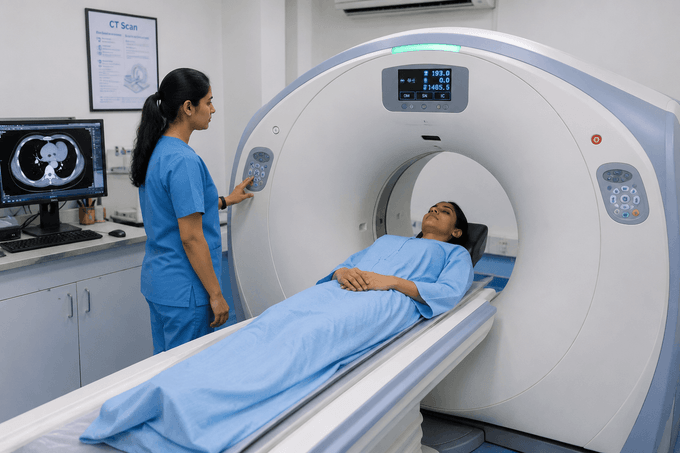
A CT scan may look for tumors in the chest, belly or pelvis.
3. PET Scan
A PET scan highlights areas with cancer.

4. Bone Marrow Biopsy
A bone marrow biopsy checks whether cancer is in the marrow.

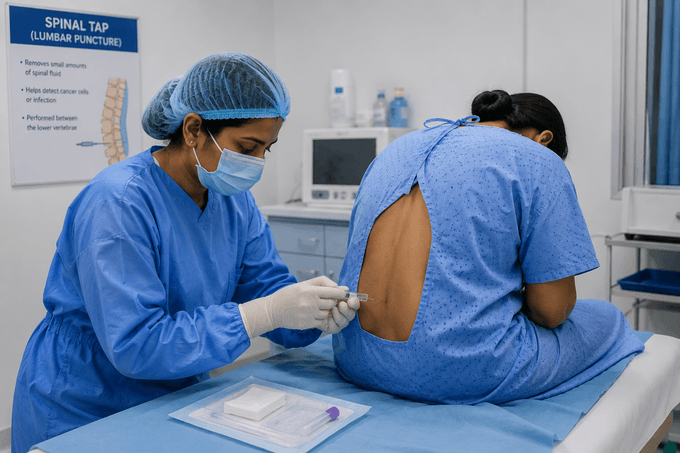
5. Spinal Tap
A spinal tap, also called lumbar puncture, looks for cancer cells in spinal fluid.
Treatments
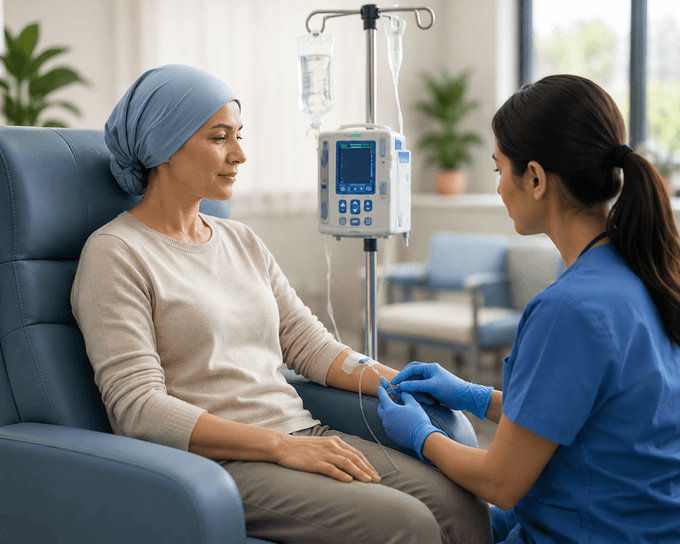
1. Chemotherapy
Chemotherapy is the main treatment and is often intensive and started right away.
2. Immunotherapy
Immunotherapy helps the immune system find and attack cancer.

3. Radiation Therapy
Radiation therapy is sometimes used with chemotherapy, mostly for adults.

4. Stem Cell Transplant
A stem cell transplant may help if cancer returns after treatment.

5. Surgery
Surgery is used in rare cases, such as when a tumor blocks the intestines.