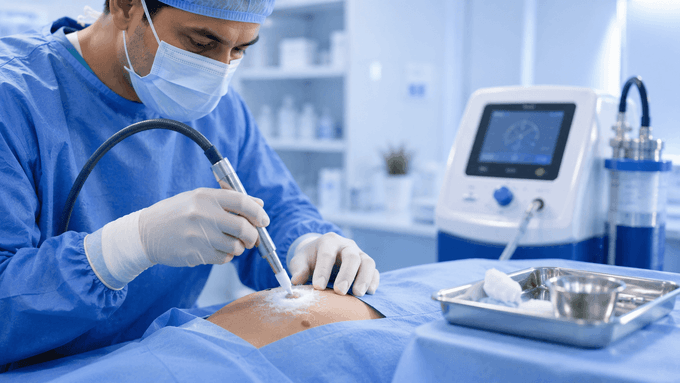
Cervical Cancer
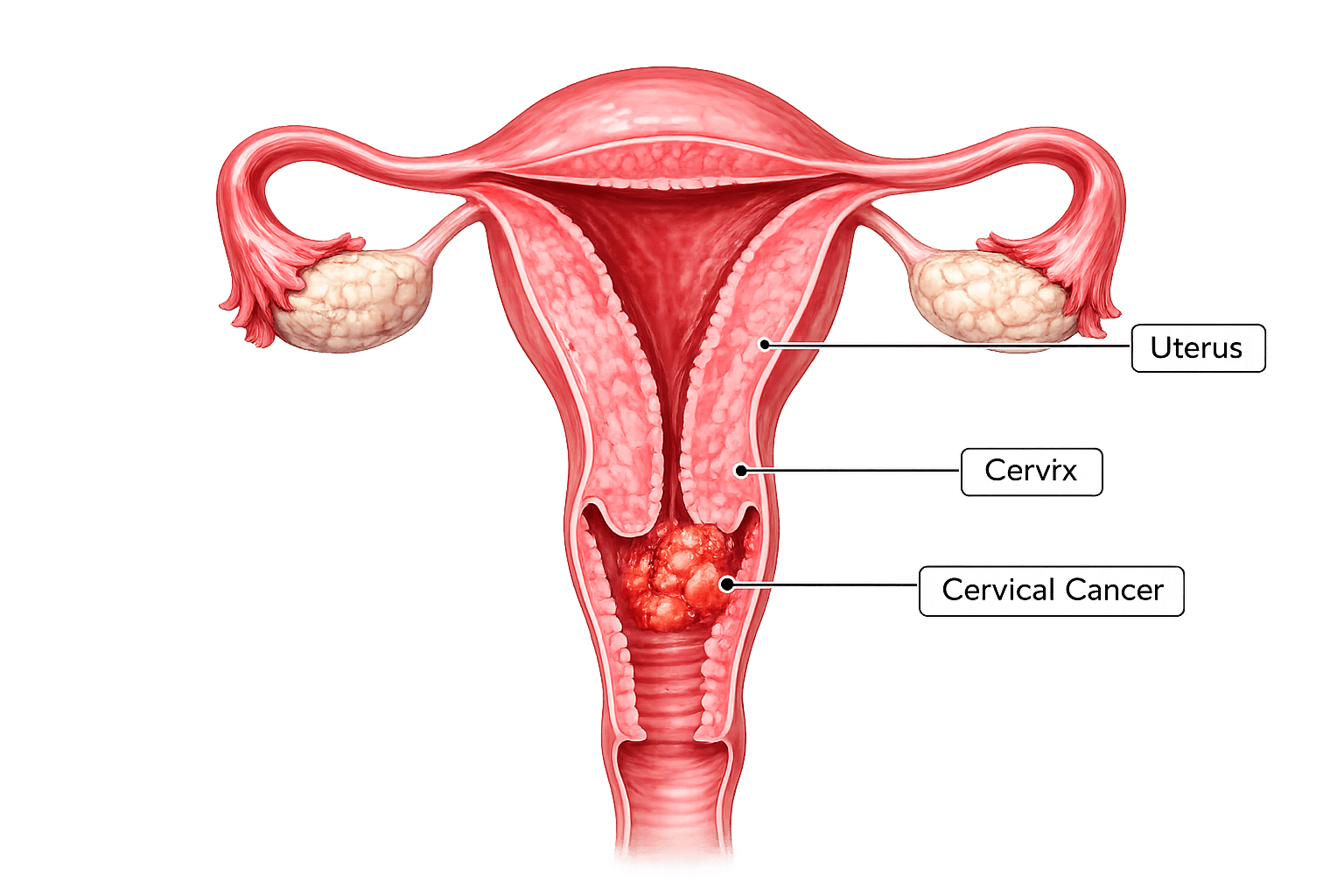
The cervix is a narrow passage that forms the connection between the uterus and the vagina. It helps regulate the movement of fluids into and out of the uterus and plays a vital role during childbirth by expanding to allow the baby to pass through the birth canal.
Overview
Cervical cancer develops in the cells of the cervix when abnormal changes cause cells to grow uncontrollably. Most cervical cancers are linked to long-term infection with certain types of human papillomavirus (HPV), a common virus that can affect the reproductive tract. The disease often develops gradually over time, beginning with precancerous changes in cervical cells.
In its early stages, cervical cancer may not cause noticeable symptoms, which is why regular screening plays an important role in detecting abnormal cell changes before cancer develops. When identified early, cervical cancer is often highly treatable. Advances in screening, vaccination and treatment have helped improve prevention and outcomes for many people.
Risk Factors
Factors We Cannot Control

DES Exposure
People whose mothers took DES between 1938 and 1971 may have a higher risk of cervical cancer.
Family History
Cervical cancer may have a genetic component.
Lifestyle & Health Factors

Screening History
People who haven’t had Pap tests at regular intervals are more likely to get cervical cancer.

HPV Infection
Certain types of HPV cause cervical cancer. Lowering HPV risk can also lower cervical cancer risk.
Sexual History
Having sex before age 18 or having many sexual partners may increase the risk of HPV infection.

Smoking
Smoking cigarettes increases the risk of cervical cancer.

HIV Infection
People with HIV have a higher-than-average risk of developing cervical cancer.
Symptoms
1. Watery or Bloody Discharge
Vaginal discharge may be watery or bloody, may be heavy and may have a foul odor.

2. Abnormal Vaginal Bleeding
Bleeding may occur after sex, between menstrual periods or after menopause.

3. Painful Urination
If cancer spreads to nearby tissues, urination may become difficult or painful and may include blood in urine.

4. Bowel Symptoms
Diarrhea, pain or bleeding from the rectum when pooping may occur if cancer spreads nearby.

5. Backache or Leg Swelling
A dull backache or swelling in the legs may occur when cancer has spread.

6. Pelvic or Abdominal Pain
Pain in the pelvis or abdomen may occur.

Diagnosis
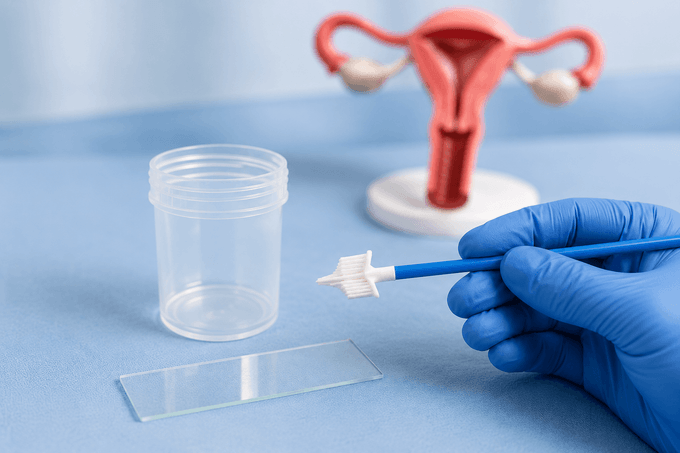
1. Pap Test
A Pap test checks cells from the cervix under a microscope to look for precancerous or irregular cells.
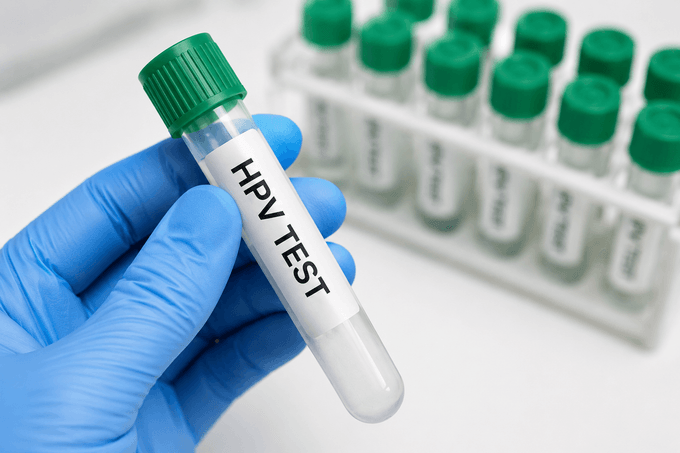
2. HPV Test
An HPV test checks cervical cells for HPV strains most likely to cause cancer.
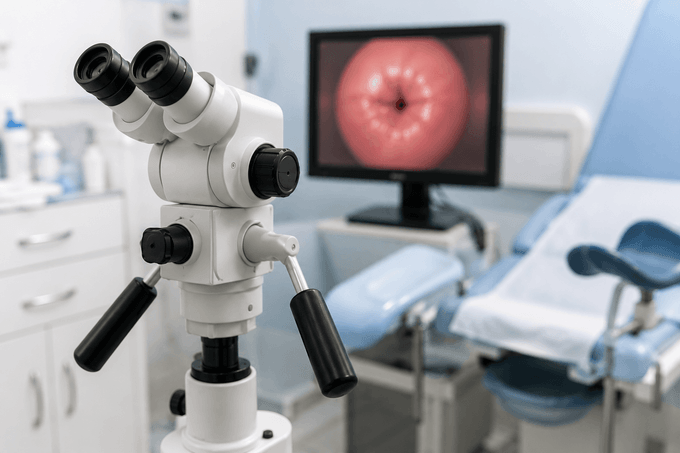
3. Colposcopy
Colposcopy uses magnification to help a provider look closely at cervical cells.
4. Punch Biopsy
A punch biopsy uses a cutting tool to remove a sample of suspicious cervical tissue.

5. Endocervical Curettage
This test scrapes the lining of the cervix with a spoon-shaped tool called a curette.

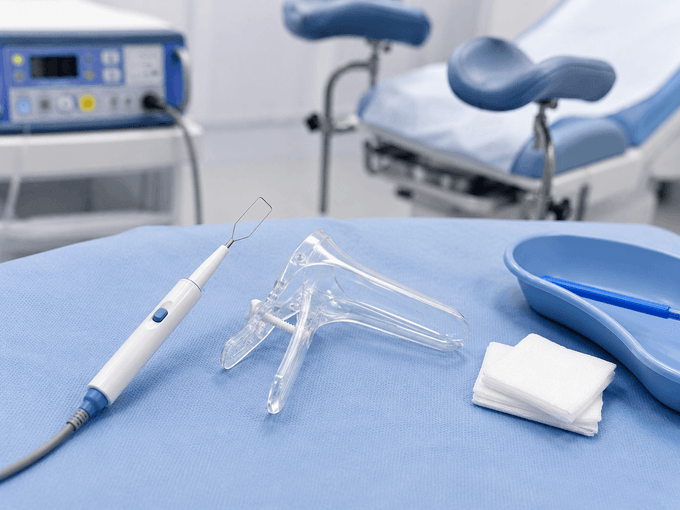
6. LEEP
LEEP uses an electrical wire loop to remove abnormal cervical tissue.
Treatments
1. Radiation Therapy
Radiation therapy uses energy beams to kill cancer cells on the cervix.

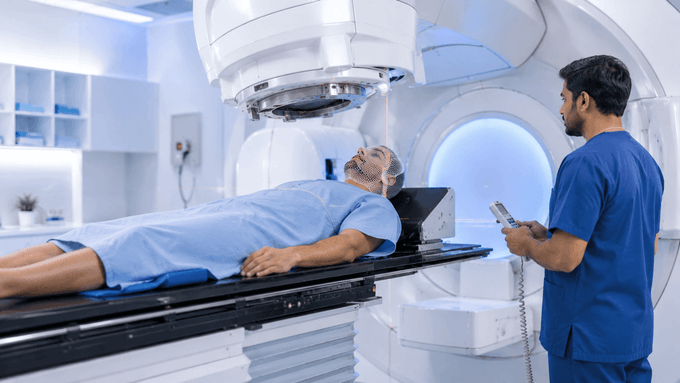
2. External Beam Radiation
External beam radiation therapy aims high-powered radiation at cancer from a machine outside the body.
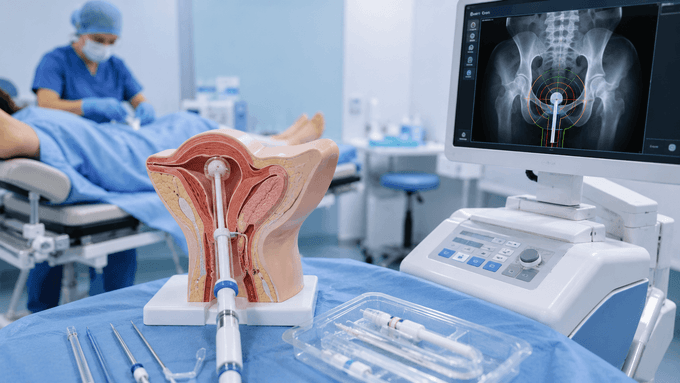
3. Brachytherapy
Brachytherapy places radiation in or near the cancer.
4. Chemotherapy
Chemotherapy uses medicines taken by mouth or injected into veins to kill cancer cells throughout the body.

5. Laser Surgery
Laser surgery uses a laser beam to burn off cancer cells.

6. Cryosurgery
Cryosurgery freezes and destroys cancer cells.