Chondrosarcoma
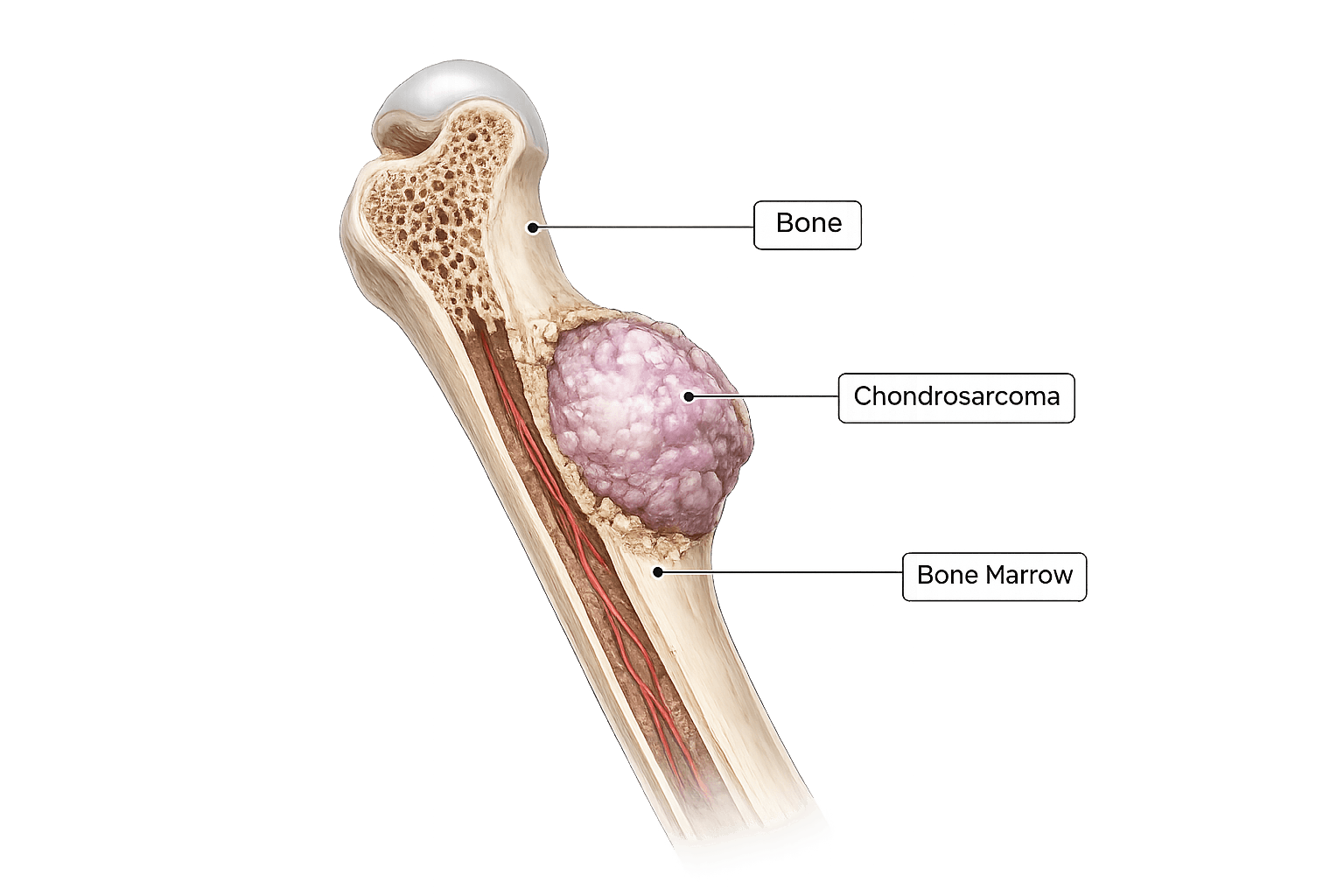
Chondrosarcoma is a rare bone cancer that originates in cartilage cells. Cartilage is a strong, flexible connective tissue that cushions joints, promotes smooth movement, and helps protect bones from daily stress and impact. It also provides support and shape to structures such as the nose, ears, and airways.
Overview
Chondrosarcoma is a rare type of bone cancer that begins in cartilage cells. It is one of the most common forms of primary bone cancer in adults and can develop in areas where cartilage is normally present, such as the pelvis, ribs, shoulders and long bones. The disease includes several subtypes that can vary in how quickly they grow and spread.
Many chondrosarcomas grow slowly, while others may behave more aggressively. Because the condition often develops gradually, symptoms may not appear until the tumor becomes larger. Treatment depends on factors such as the tumor’s location, grade and subtype, with surgery being the most common treatment approach. Early evaluation can help guide appropriate treatment and management decisions.
Risk Factors
Factors We Cannot Control

Li-Fraumeni Syndrome
People with Li-Fraumeni syndrome are more likely to develop cancerous tumors, including chondrosarcoma.

Maffucci Syndrome and Ollier’s Disease
These disorders can cause benign tumors in cartilage, bone and skin.
Hereditary Multiple Osteochondromas
This condition causes multiple benign bone tumors that may disrupt bone growth.

Age
Chondrosarcoma can happen at any age, but it is more common in people ages 40 to 75. Most people receive a diagnosis around age 51.
Lifestyle & Health Factors

No Lifestyle Risk Factors
This page does not identify clearly established lifestyle-related risk factors for chondrosarcoma.
Symptoms
1. Bone Pain
Bone pain may come and go and often becomes worse at night.

2. Fatigue
Fatigue may occur with chondrosarcoma.

3. Swollen Spot or Lump
A swollen area or lump may appear on a bone, such as on the arm, leg or ribs.

4. Unintentional Weight Loss
Unintentional weight loss may occur as one of the symptoms.

Diagnosis
1. Physical Examination
A healthcare provider may ask about symptoms and perform a physical examination.

2. Imaging Tests
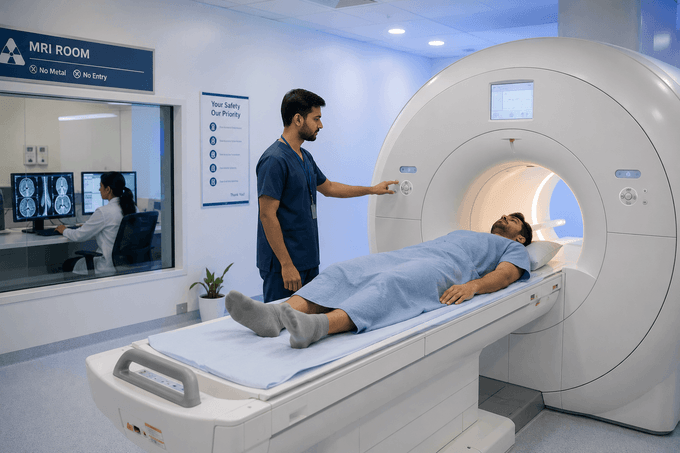
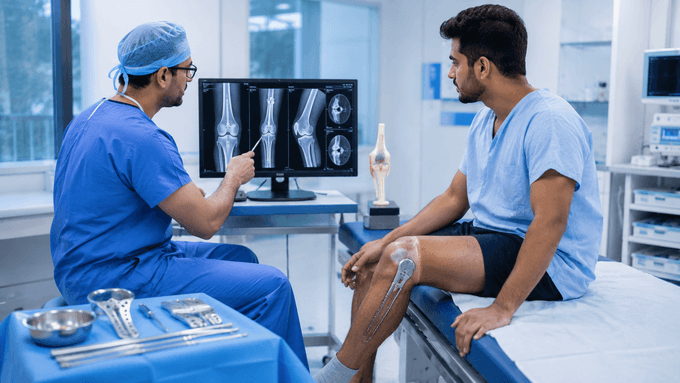
Imaging tests may include a bone scan, CT scan, MRI, PET scan or X-ray.
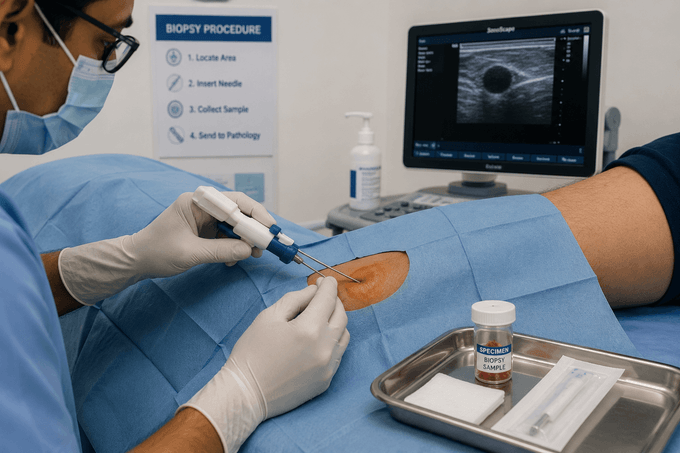
3. Biopsy
A provider may remove tissue from a suspicious lump or remove the entire lump so a pathologist can check for cancer cells.
4. Tumor Type
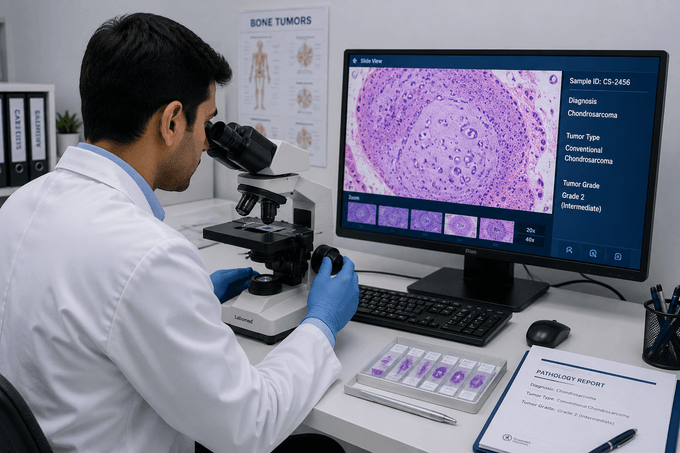
If cancer cells are found, the pathologist identifies the tumor type.

5. Tumor Grade
The pathologist also establishes the tumor grade, which helps show how fast the tumor may grow and spread.
Treatments
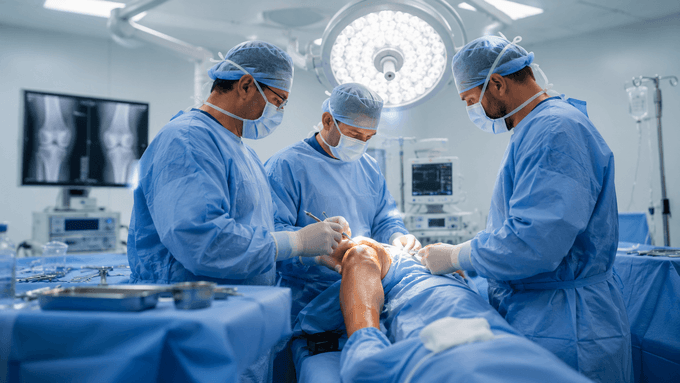
1. Surgery
The most common treatment is surgery to remove cancerous cartilage and bone.
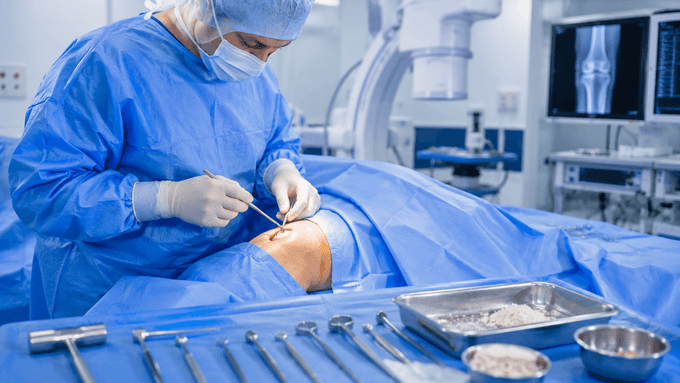
2. Curettage
During curettage, the provider scrapes tumor tissue from the bone and replaces missing bone with bone graft material.
3. Limb-Sparing Surgery
This surgery removes the tumor and nearby bone and muscle, followed by reconstruction to replace missing bone and tissue.
4. Amputation
Amputation may be recommended in some cases, but it is rare.

5. Physical Therapy
Physical therapy helps build strength, balance and mobility after treatment.

6. Chemotherapy or Radiation
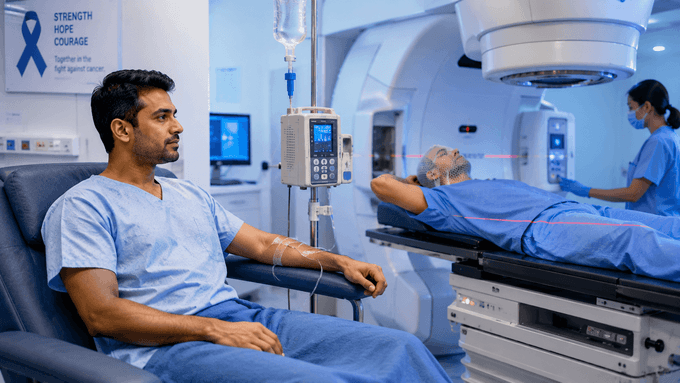
Dedifferentiated or mesenchymal chondrosarcoma may need chemotherapy or radiation therapy before or after surgery.