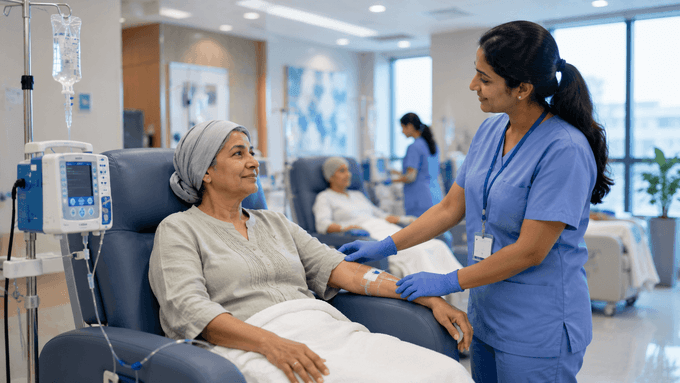
Colon Cancer
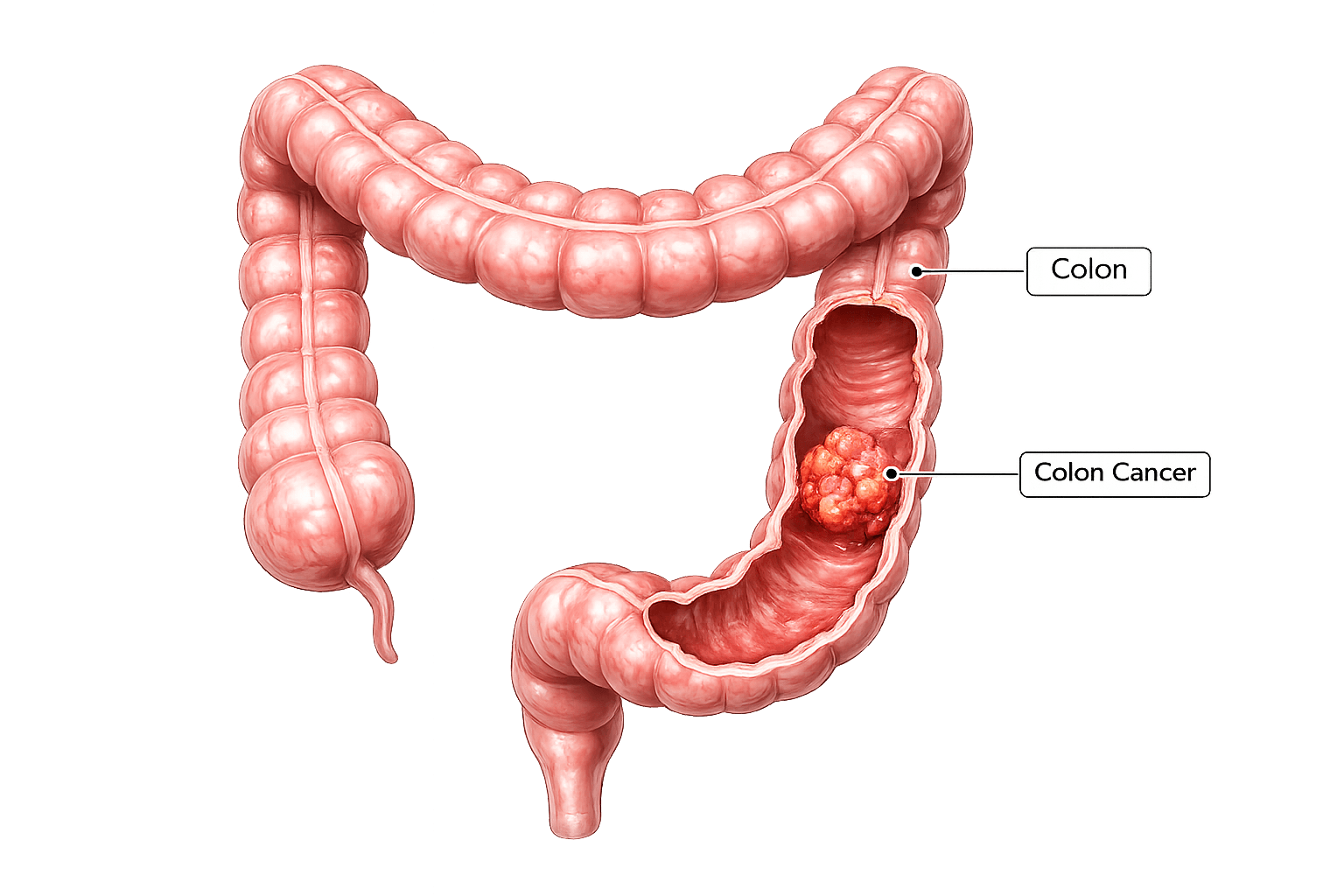
The colon is the longest part of the large intestine and an important component of the digestive system. It plays a key role in digestion by absorbing water, nutrients, and electrolytes from digested food while helping process and move waste through the body for elimination.
Overview
Colon cancer develops when abnormal cells in the colon grow uncontrollably and form a tumor. Most colon cancers begin as polyps, which are growths that develop on the inner lining of the colon. While many polyps remain harmless, some can gradually become cancerous over time.
Colon cancer is one of the most common cancers and often develops without noticeable symptoms in its early stages. Regular screening can help detect polyps before they become cancerous and identify cancer at an earlier stage. Early diagnosis and treatment can improve outcomes and provide more treatment options.
Risk Factors
Factors We Cannot Control
Age 50 or Older
Most people with colon cancer are older than 50, although cases in younger people are increasing.
Family History
Risk may be higher if close biological relatives have had large colon polyps or colorectal cancer.

Many Colon Polyps
In general, having more colon polyps increases the chance that one or more may become cancerous.

Inherited Conditions
Inherited conditions such as Lynch syndrome and familial adenomatous polyposis may lead to colon cancer.
Lifestyle & Health Factors

Overweight or Obesity
Having a BMI higher than 25 may play a role in colon cancer risk.

Smoking
Smoking cigarettes may increase the risk of colon cancer.

Alcohol Use
Regular alcohol use, even light to moderate drinking, may increase risk.
Symptoms
1. Abdominal Pain
Belly pain that does not go away may be a symptom of colon cancer.

2. Bloated Stomach
A bloated stomach may occur when colon cancer causes digestive changes.

3. Blood in Stool
Blood on or in stool can be a warning sign and should be checked by a healthcare provider.

4. Constipation or Diarrhea
Changes such as constipation or diarrhea may occur and should be checked if they last more than a few days.

5. Incomplete Emptying
Some people may feel like there is still stool in the bowel after using the bathroom.

6. Tiredness or Weakness
Feeling tired or weak may happen with colon cancer.

Diagnosis
1. Symptom Review
A healthcare provider may ask what symptoms feel like and when they first appeared.

2. Physical Examination
A provider may feel the belly for masses or enlarged organs and may do a digital rectal exam.

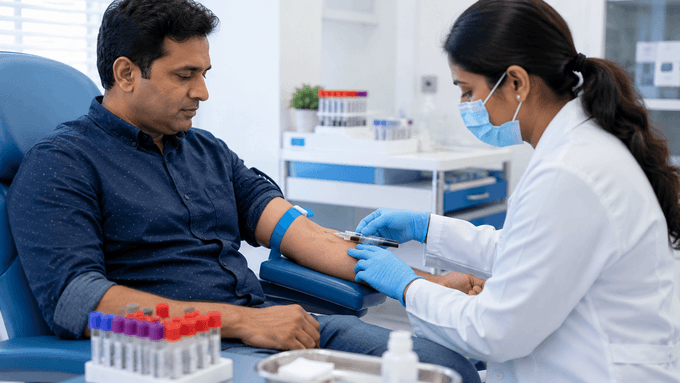
3. Blood Tests
Blood tests may include a complete blood count, complete metabolic panel or CEA assay.
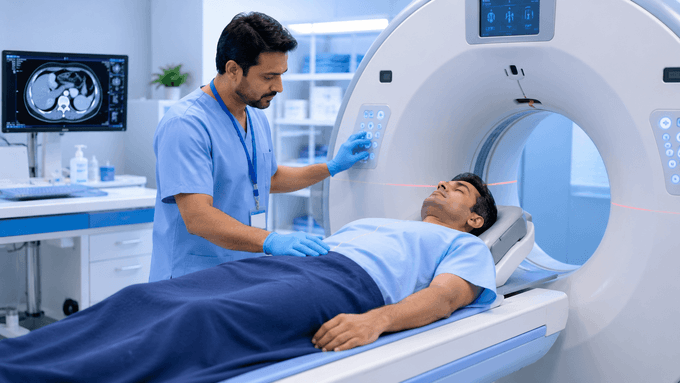
4. Imaging Tests
Imaging tests may include CT scans, MRI, PET scans or abdominal ultrasounds.
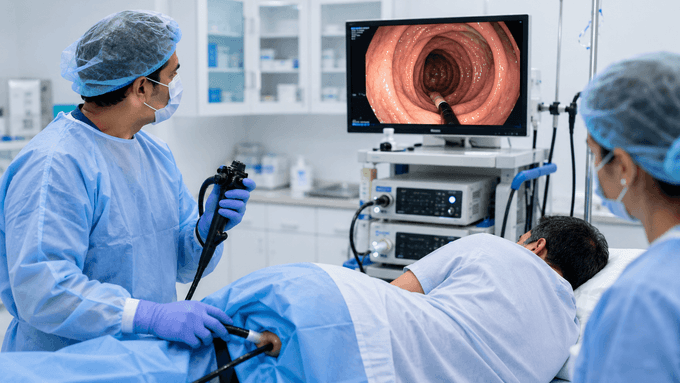
5. Diagnostic Colonoscopy
A diagnostic colonoscopy may be done if symptoms are present or other tests detect cancer.
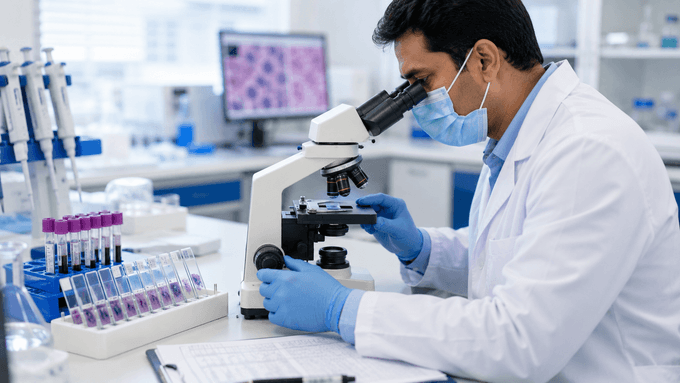
6. Tissue Testing
During colonoscopy, a small tissue sample may be removed and examined under a microscope.
Treatments
1. Polypectomy
This procedure removes precancerous or cancerous polyps from the colon.
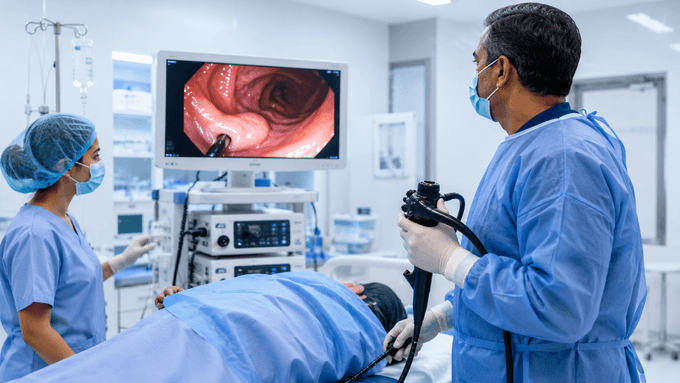
2. Colectomy
A surgeon removes the cancerous section of the colon.
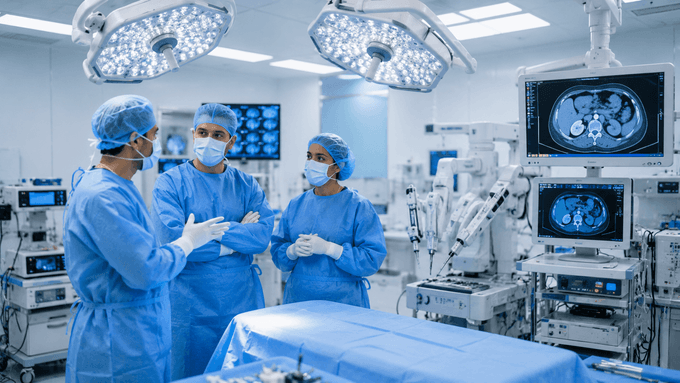
3. Multivisceral Resection
This complex surgery removes the tumor along with nearby organs or structures affected by cancer.
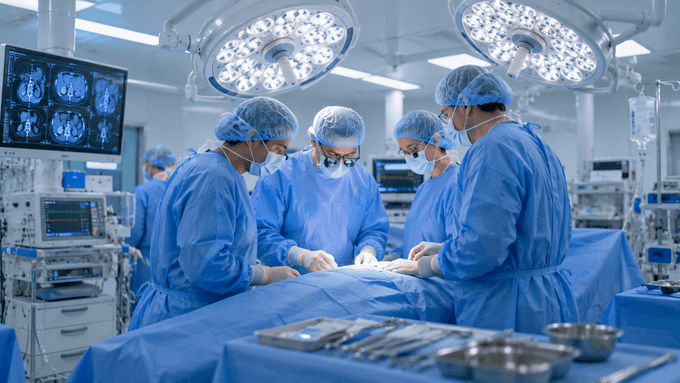
4. Chemotherapy
Chemotherapy may be given before or after surgery as part of treatment.
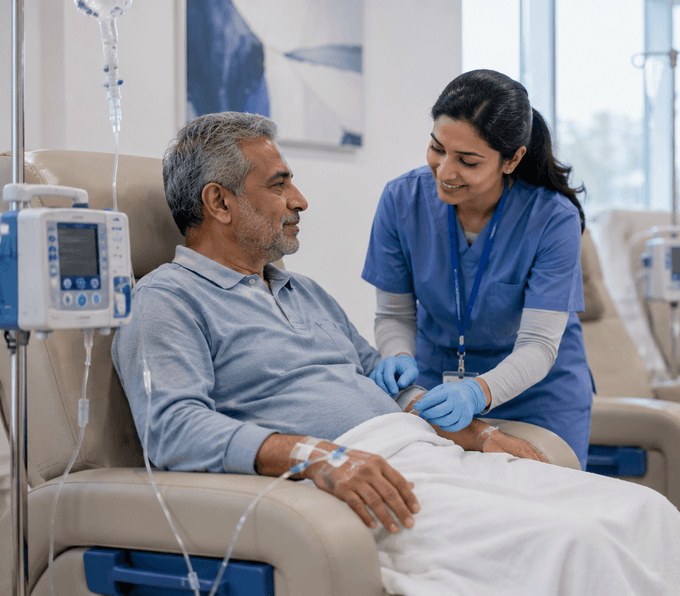
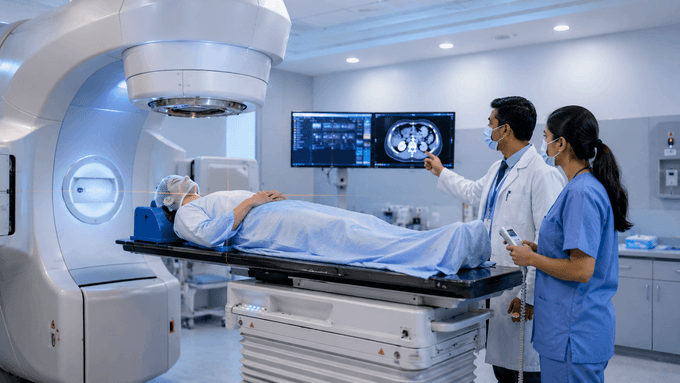
5. Radiation Therapy
Radiation therapy may be used before or after surgery depending on the treatment plan.
6. Targeted Therapy
Targeted therapy may be used as an additional treatment before or after surgery.