Duodenal Cancer
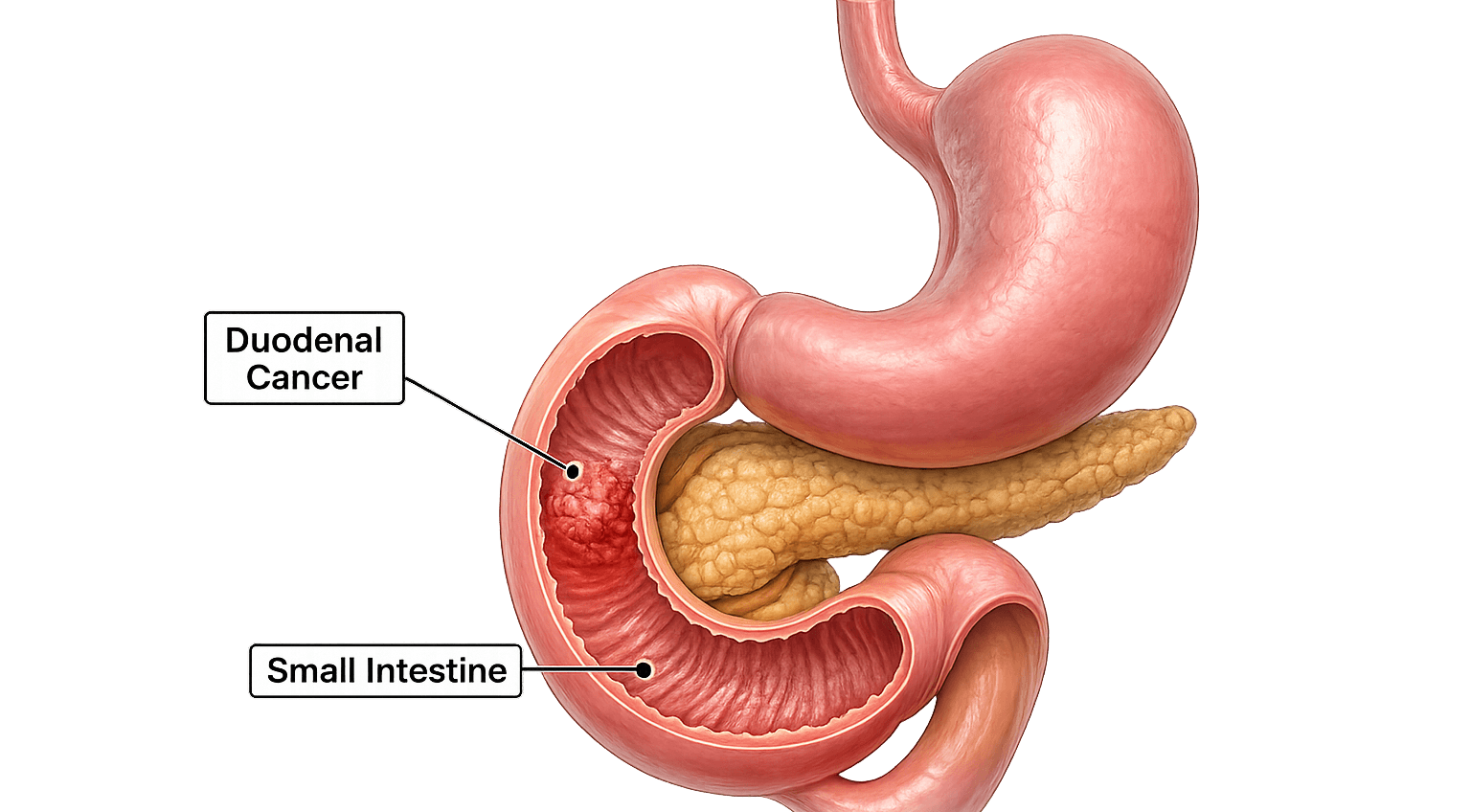
The duodenum is the initial section of the small intestine. Its primary function is to convert partially digested food received from the stomach into nutrients that the body can utilize. Digestive fluids released from the liver, gallbladder, and pancreas enter the duodenum, where they assist in the digestion and absorption process.
Overview
Duodenal cancer is a rare cancer that begins in the duodenum, the first section of the small intestine. It develops when abnormal cells grow uncontrollably within the lining of the duodenum and form a tumor. Because the duodenum is part of the digestive tract, the disease can affect how food moves and is processed in the body.
This cancer is uncommon and may not cause noticeable symptoms in its early stages. As the disease progresses, symptoms can develop depending on the tumor’s size and location. Early diagnosis can be challenging, but timely evaluation and treatment are important for managing the disease and improving outcomes.
Risk Factors
Factors We Cannot Control

Risk Factors Not Listed
no info
Lifestyle & Health Factors
Information Not Available
no info
Symptoms
1. Abdominal Pain
Pain in the abdomen may occur as the tumor grows.

2. Nausea
People with duodenal cancer may experience nausea.

3. Constipation
Constipation may develop when the tumor affects digestion.

4. Vomiting
Vomiting may occur if the tumor interferes with food passing through the intestine.

Diagnosis
1. Physical Examination
A healthcare provider may begin with a physical examination and review of symptoms.

2. Imaging Tests
Imaging tests may help identify the location and size of a tumor.

3. Endoscopy
Endoscopy allows providers to examine the inside of the digestive tract more closely.

4. Biopsy
A tissue sample may be removed and examined to confirm the diagnosis.

Treatments
1. Surgery
Surgery is commonly used to remove the cancer when possible.

2. Chemotherapy
Chemotherapy may be used depending on how advanced the cancer is.

3. Radiation Therapy
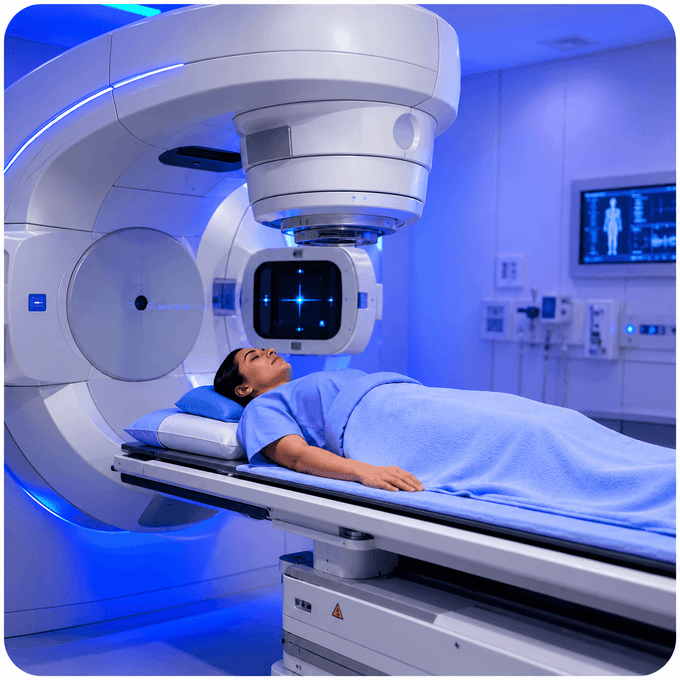
Radiation therapy may be included in treatment plans for some patients.