Esophageal Cancer
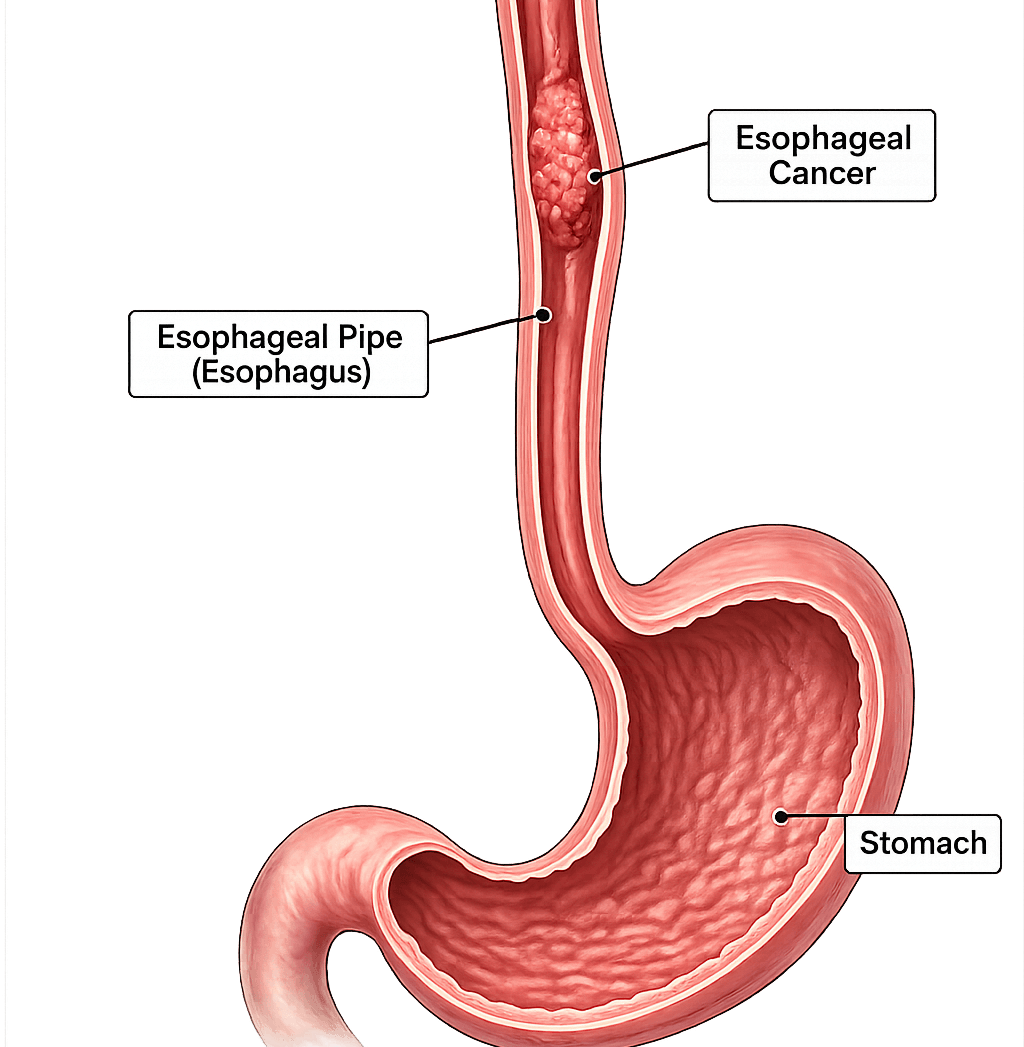
The esophagus is a hollow muscular tube that transports food and liquids from the throat to the stomach. Muscles within the esophagus help move what you swallow down toward the stomach.
Overview
Esophageal cancer develops when abnormal cells in the lining of the esophagus grow uncontrollably and form a tumor. The disease can occur in different types depending on the cells involved and may develop anywhere along the length of the esophagus. It often begins in the inner lining before potentially growing into deeper layers of tissue.
In its early stages, esophageal cancer may not cause noticeable symptoms, which can make early detection difficult. As the cancer grows, it may affect the normal passage of food through the esophagus. Early diagnosis and appropriate treatment are important for managing the disease and improving outcomes.
Risk Factors
Factors We Cannot Control
Age
Esophageal cancer typically affects people aged 60 and older.
Barrett’s Esophagus and Acid Reflux
Barrett’s esophagus and chronic acid reflux may increase risk.

Chronic Heartburn
Long-term heartburn may increase the chance of developing esophageal cancer.
Inherited Disorders
Certain inherited disorders, such as achalasia, may increase risk.

Overweight or Obesity
Being overweight or having obesity may increase the risk of esophageal cancer.
Lifestyle & Health Factors

Alcohol Use
Long-term or heavy use of alcohol may increase risk.

Tobacco Use
Tobacco use, including smokeless tobacco, may increase the risk of esophageal cancer.
Chemical Exposure
Long-term exposure to substances such as dry-cleaning solvents, mineral spirits, paint and varnishes may increase risk.
Symptoms
1. Difficulty Swallowing
Difficulty swallowing is often the first symptom people notice.

2. Heartburn
Heartburn may be a symptom, especially if it is new or getting worse.

3. Chest Pain
Chest pain may develop as the tumor grows.

4. Hoarseness
Hoarseness that does not go away may occur.

5. Throat or Back Pain
Pain may occur in the throat, behind the breastbone or between the shoulder blades.

6. Vomiting or Coughing Blood
Vomiting blood or coughing up blood may occur.

Diagnosis
1. Physical Examination
A healthcare provider may do a physical exam and ask about symptoms and medical history.

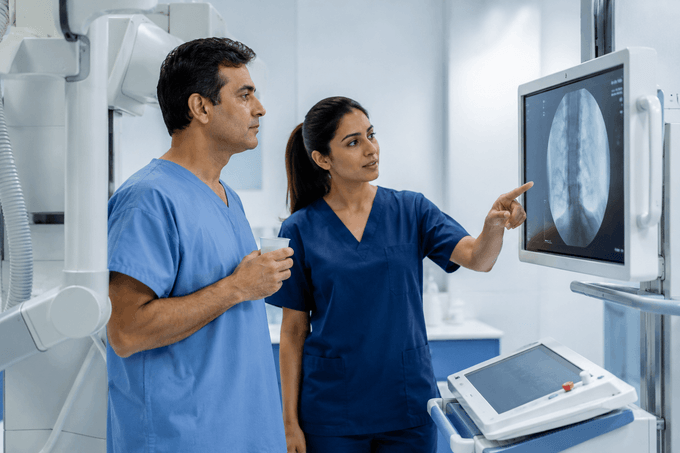
2. Barium Swallow
A barium swallow may help check for tumors in the esophagus.
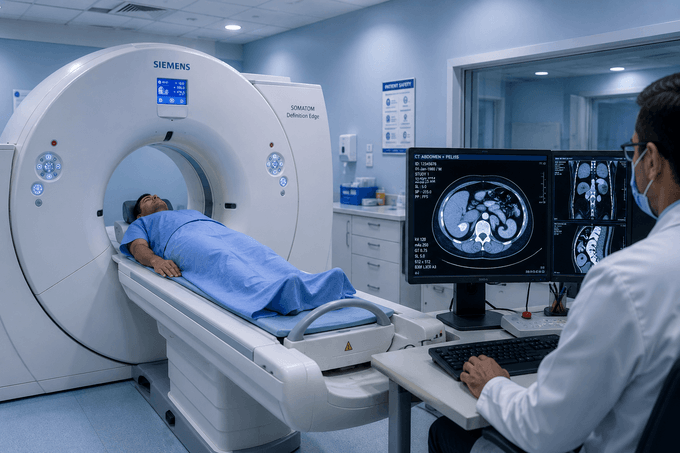
3. CT Scan
A CT scan may look for cancer in the chest and abdomen.
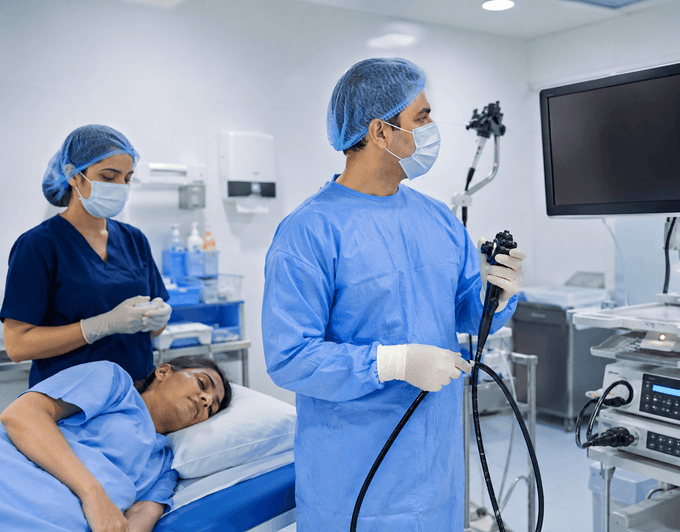
4. Upper Endoscopy
Upper endoscopy lets providers look inside the esophagus and may include endoscopic ultrasound.
5. Biopsy
A biopsy removes a small piece of tissue to check for cancer. It may be done during upper endoscopy.

6. Tumor Grade
Providers may grade tumors by checking whether tumor cells look and act like healthy cells.

Treatments
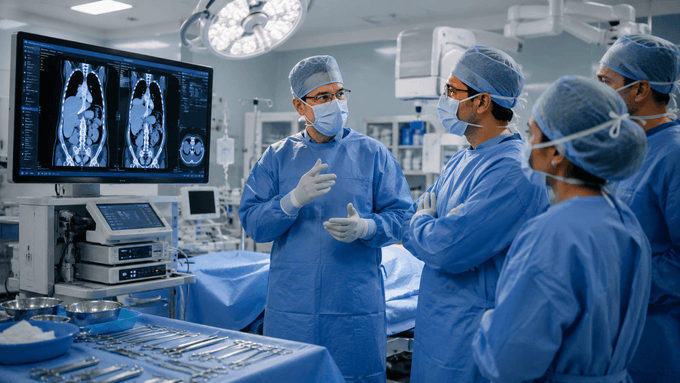
1. Esophagectomy
This surgery removes some or most of the esophagus and surrounding tissue. It is used for early-stage cancer.
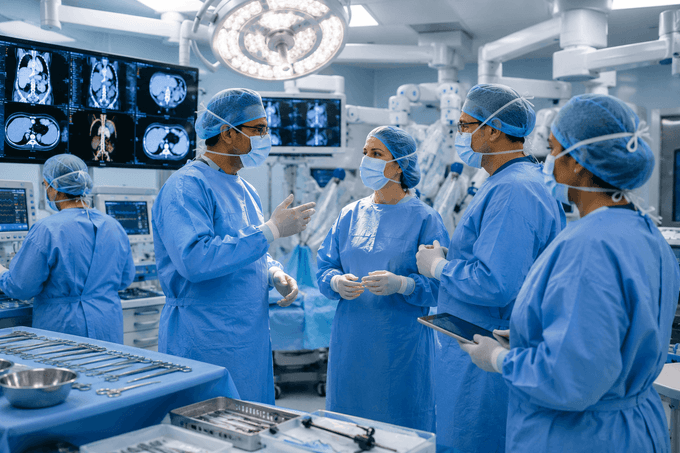
2. Multivisceral Resection
This complex surgery treats cancer that has grown into nearby organs by removing the tumor and affected surrounding structures.
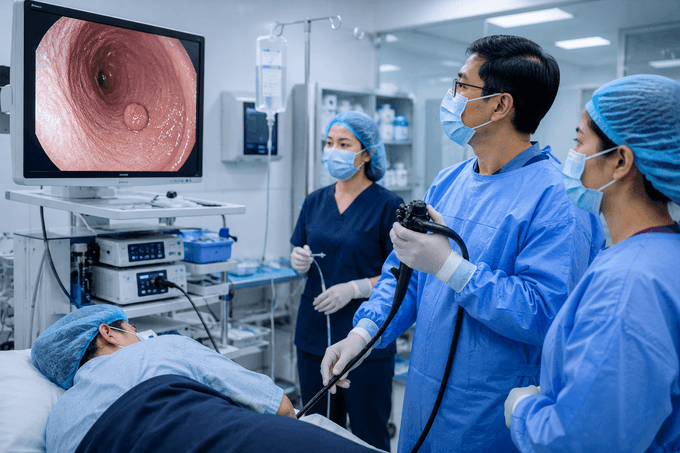
3. Endoscopic Submucosal Dissection
ESD is a minimally invasive procedure to remove precancerous or cancerous polyps or very small tumors.
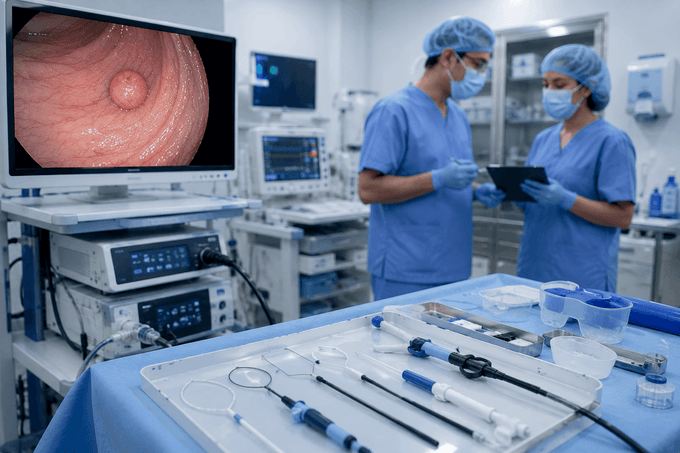
4. Endoscopic Mucosal Resection
EMR removes tumors in the mucous lining of the esophagus.
5. Endoscopic Laser Therapy
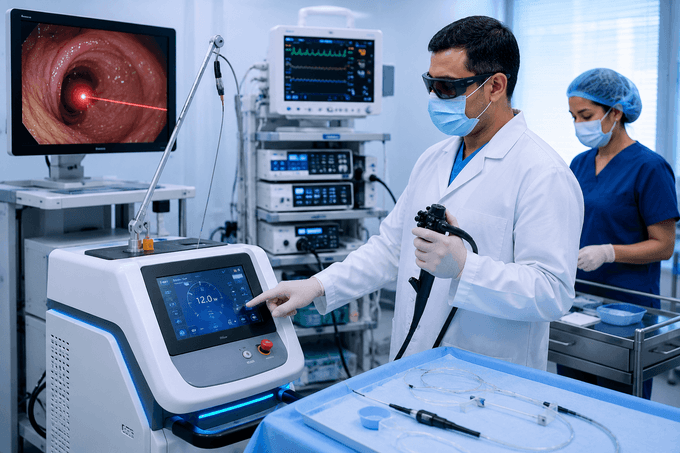
This treatment uses a laser to destroy cancerous tissue in the esophagus and may help when a tumor blocks swallowing.
6. Photodynamic Therapy
PDT uses lasers to activate medication that causes chemical reactions to kill cancer cells.