Ewing Sarcoma
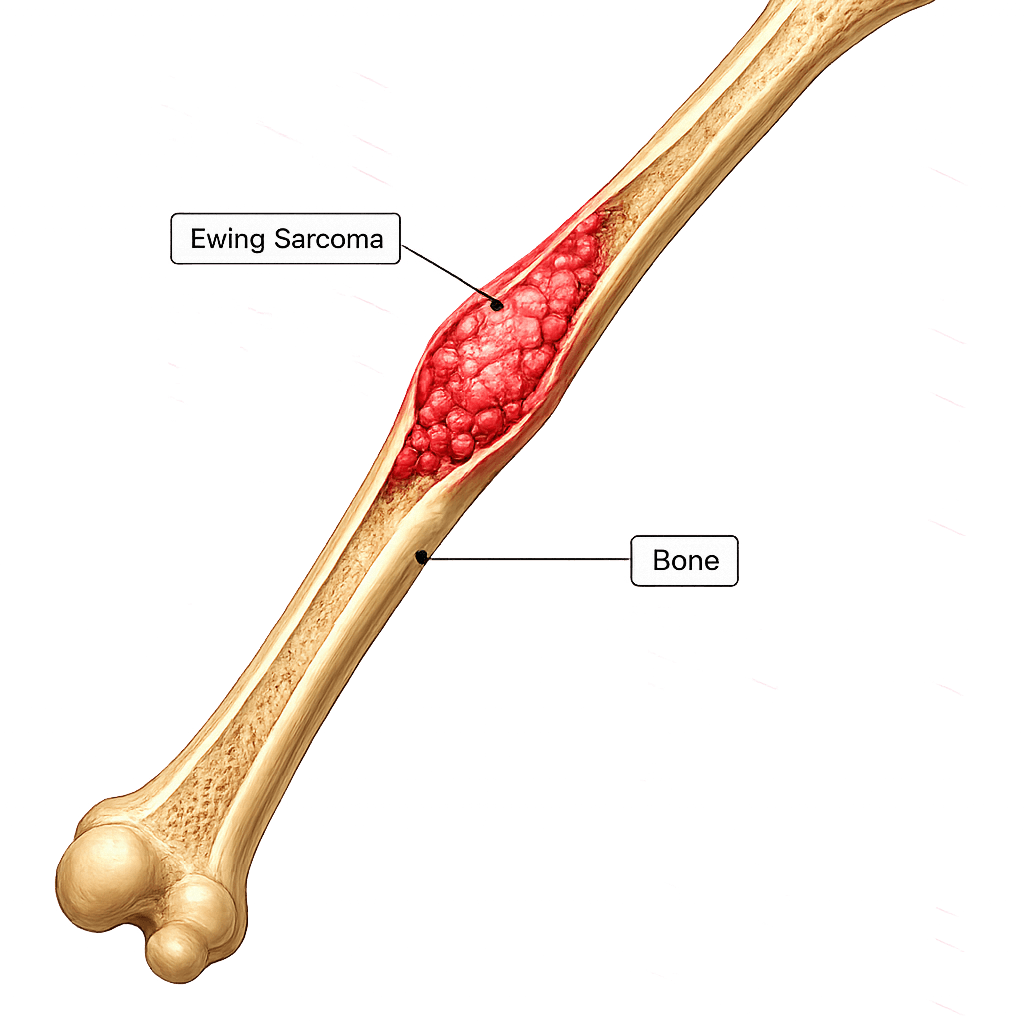
Ewing sarcoma is a rare group of cancerous tumors that develop in the bones or surrounding soft tissues. Bones are hard, living tissues that provide structure, support, and protection to the body’s organs while also helping with movement. Soft tissues include muscles and connective tissues that support and connect different parts of the body.
Overview
Ewing sarcoma is a rare cancer that usually develops in bones or the soft tissues surrounding bones. It most often affects children, teenagers and young adults, although it can occur at any age. The disease begins when cells grow uncontrollably and form a tumor, most commonly in the pelvis, legs, ribs or arms.
Because Ewing sarcoma is an uncommon cancer, diagnosis often requires specialized testing to confirm the condition. The cancer can grow and spread to other parts of the body if not treated. However, advances in treatment have improved outcomes, and early diagnosis plays an important role in managing the disease effectively.
Risk Factors
Factors We Cannot Control

Age
Anyone can develop Ewing sarcoma, but it most often affects people ages 10 to 20.

Sex
Ewing sarcoma is slightly more common in males than females.

Race
The condition is more likely to affect people who are white than people who are Asian American or Black.
Lifestyle & Health Factors

No Lifestyle Risk Factors
This page does not identify clearly established lifestyle-related risk factors for Ewing sarcoma.
Symptoms
1. Bone Pain
Bone pain may come and go and may become worse at night.

2. Swelling Around Bone
Swelling may develop in the tissue around bones and may hurt when touched.

3. Lumps Near Skin
Lumps near the surface of the skin may feel warm and soft to the touch.

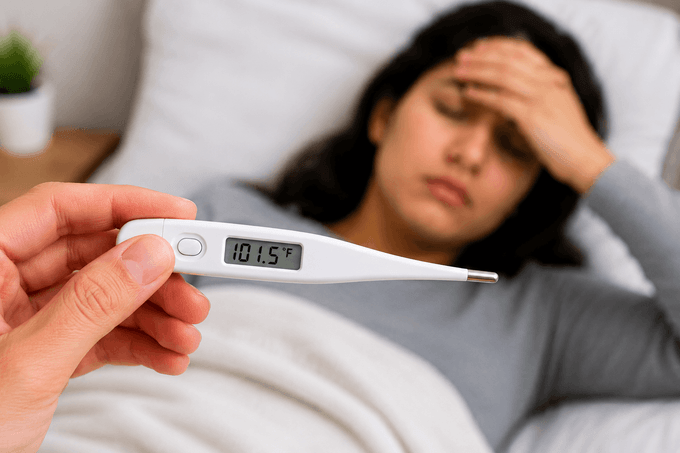
4. Fever
A fever that does not go away may occur.
5. Broken Bones
Bones may break without an injury.

6. Fatigue and Weight Loss
Fatigue and unexpected weight loss may occur if Ewing sarcoma spreads.

Diagnosis
1. Physical Examination
A healthcare provider may do a physical exam, feel for lumps or bumps and ask about symptoms.

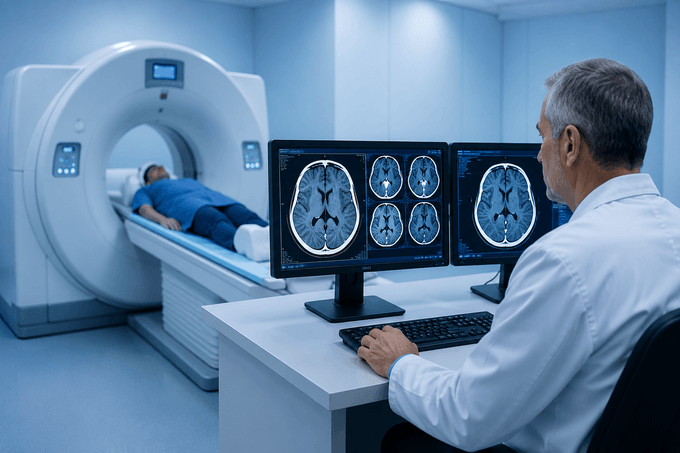
2. Imaging Tests
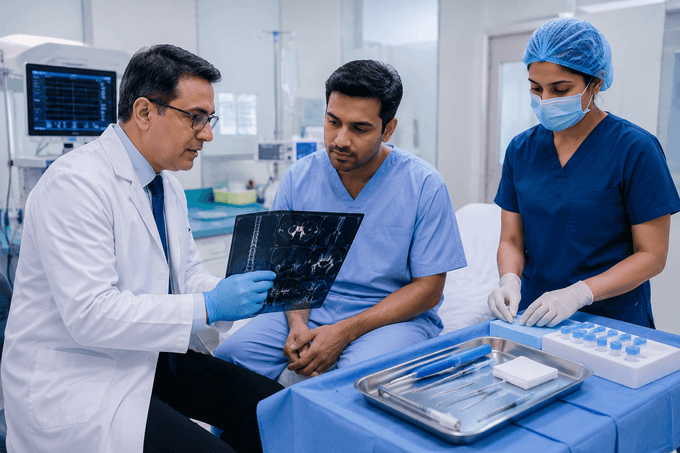
Imaging tests help providers look closely at bones and soft tissues. Tests may include CT, MRI, PET and bone scans.
3. Biopsy
A biopsy collects tissue samples for a pathologist to examine under a microscope.

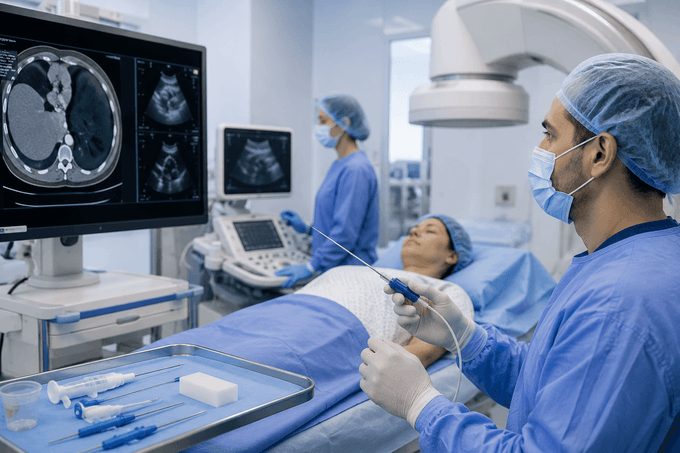
4. Needle Biopsy
A needle biopsy may be used to collect tissue from the tumor area.
5. Bone Marrow Aspiration
Bone marrow aspiration may be done as part of the diagnostic process.
6. Blood Tests
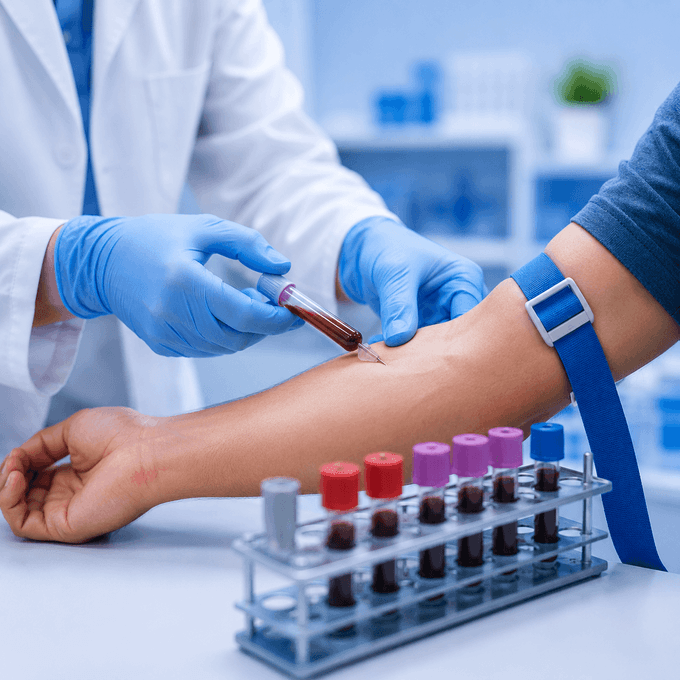
Blood tests may show if cancer is spreading and may include CBC with differential, CMP and LDH.
Treatments
1. Chemotherapy
Chemotherapy is a common first treatment for Ewing sarcoma.

2. Surgery
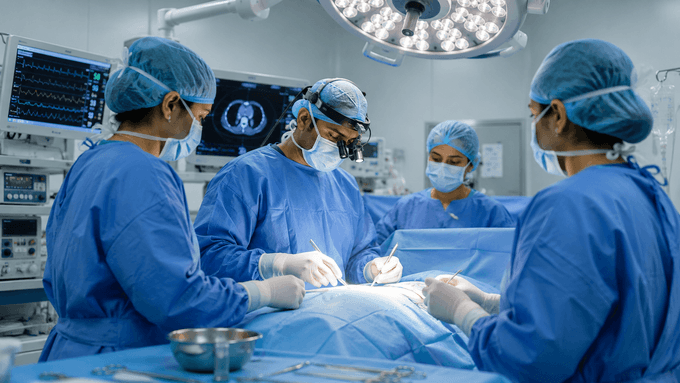
Surgery may be done after chemotherapy to remove the tumor.
3. Radiation Therapy
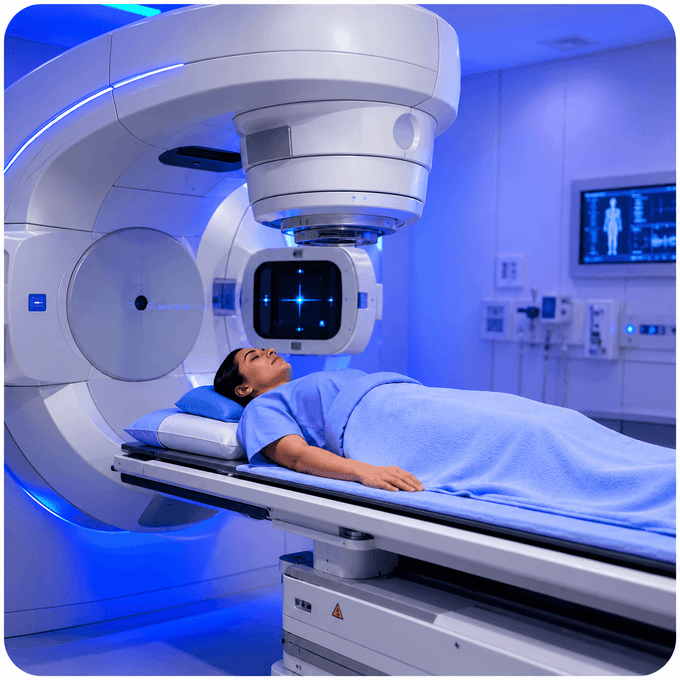
Radiation therapy may be used after surgery or as another treatment option.
4. Autologous Stem Cell Transplant
An autologous stem cell transplant may be an option if cancer is not in the bone marrow.

5. Clinical Trial
A provider may recommend considering a clinical trial that studies new treatment approaches.