Eye Cancer
Your eyes are an important sensory organ that provide your brain with information about the world around you. They perform the visual function of detecting images, while the signals they transmit help the brain create the images you perceive.
Overview
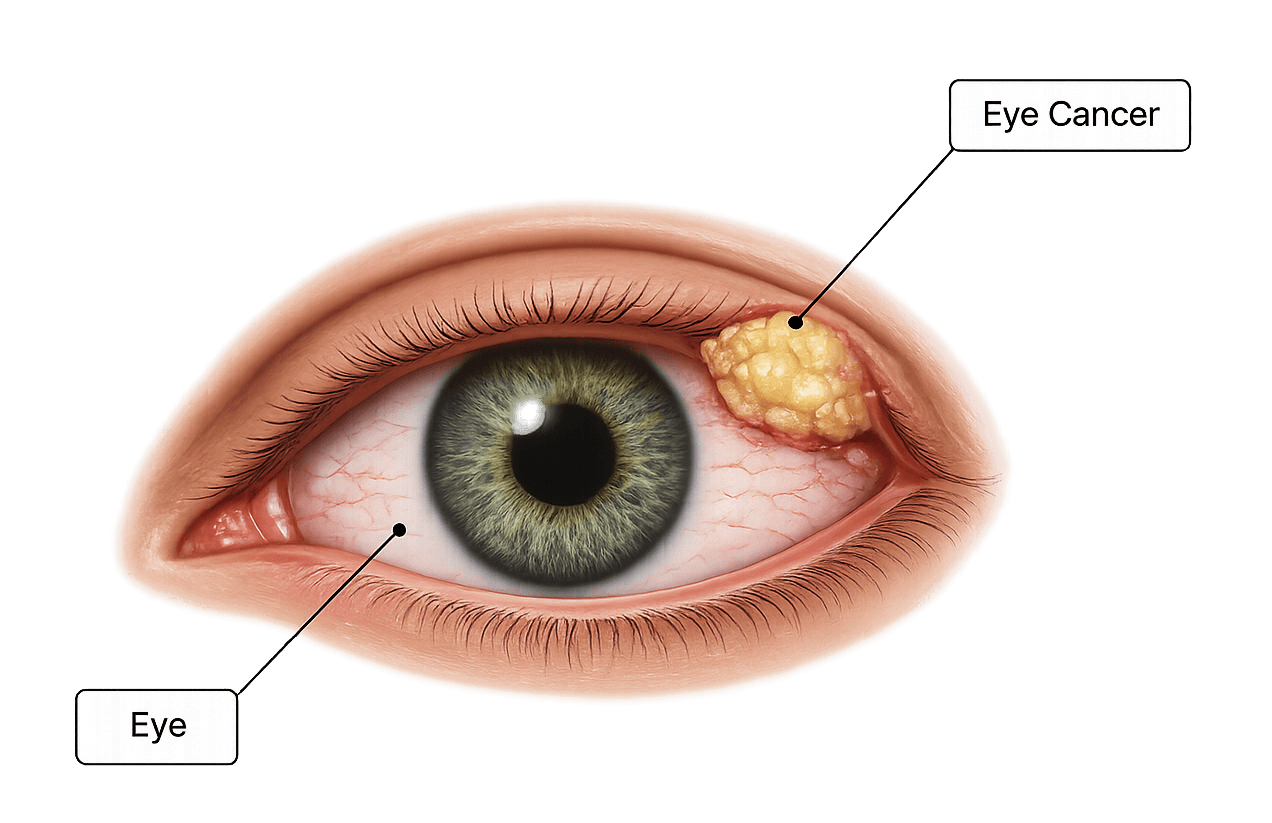
Eye cancer develops when abnormal cells grow uncontrollably within the tissues of the eye. Although eye cancer is rare, it can affect different parts of the eye and may begin in structures such as the uvea, retina or other eye tissues. Some cancers start in the eye itself, while others spread to the eye from cancer that began elsewhere in the body.
Because eye cancer can develop in different areas of the eye, symptoms and treatment options may vary from person to person. In some cases, the disease may not cause noticeable symptoms in its early stages. Early diagnosis and specialized care are important for preserving vision and managing the condition effectively.
Risk Factors
Factors We Cannot Control

Light Eye Color
People with blue, green or gray eyes may have a higher risk of uveal melanoma.

Age
Some eye cancers are more common in older adults, while retinoblastoma mainly affects children.

Inherited Gene Changes
Certain inherited genetic conditions may increase the risk of developing eye cancer.

Fair Skin
People with fair skin may have a higher risk of some eye cancers.
Lifestyle & Health Factors

Current Understanding
This page does not identify clearly established lifestyle-related risk factors for eye cancer.
Symptoms
1. Blurred Vision
Vision may become blurry or less clear.

2. Vision Changes
People may notice changes in how they see objects or light.

3. Floaters
Floaters may appear as spots, squiggles or shapes drifting across vision.

4. Flashes of Light
Some people notice flashes of light in their field of vision.

5. Dark Spot in Vision
A growing dark area may appear within the visual field.

6. Bulging Eye
An eye may appear to bulge outward in some cases.

Diagnosis
1. Eye Examination
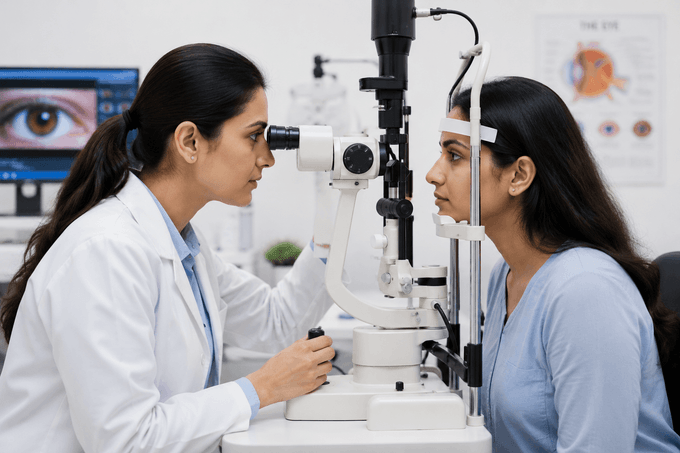
An ophthalmologist may perform a detailed eye examination to look for abnormalities.
2. Dilated Eye Exam
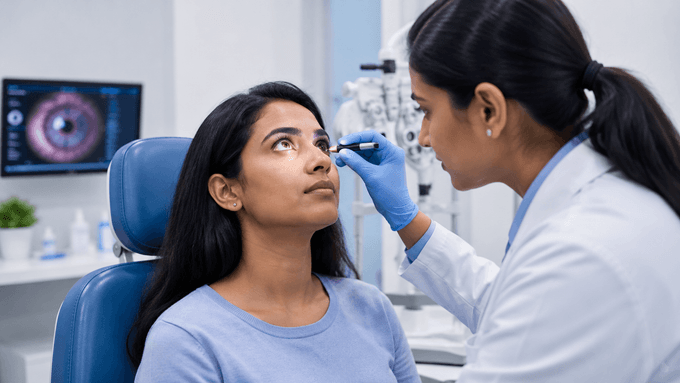
Eye drops may be used to enlarge the pupil so the inside of the eye can be examined.
3. Ultrasound
Ultrasound can help providers evaluate the size and location of a tumor.

4. Imaging Tests
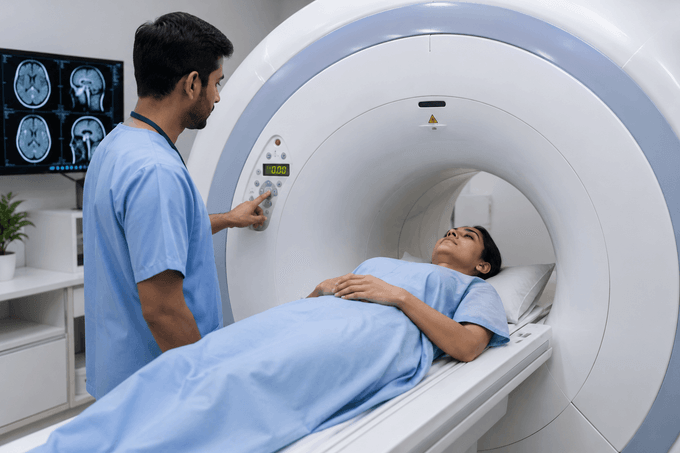
CT scans or MRI scans may provide additional information about the tumor.
5. Biopsy
In some situations, a tissue sample may be collected and examined.

Treatments
1. Radiation Therapy
Radiation therapy may destroy cancer cells while preserving as much vision as possible.

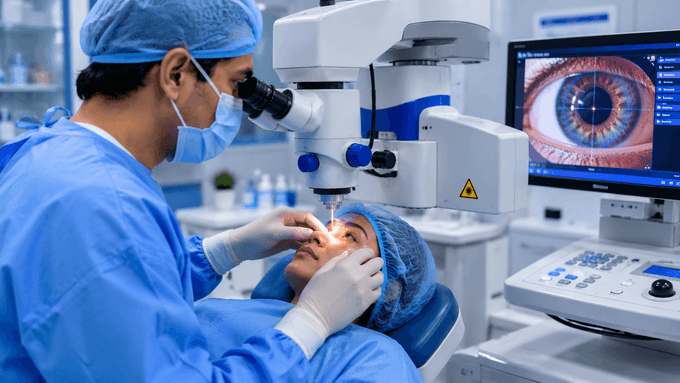
2. Laser Therapy
Laser treatments may be used for certain eye tumors.
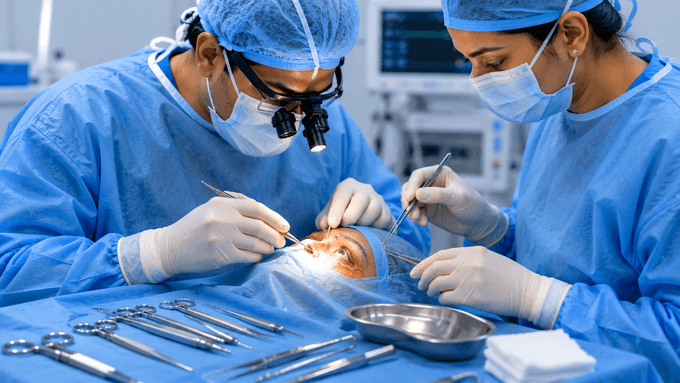
3. Surgery
Surgery may remove the tumor or affected eye structures depending on the situation.

4. Enucleation
Enucleation is surgery to remove the eye when other treatments are not suitable.
5. Chemotherapy
Chemotherapy may be used for some eye cancers, especially certain childhood cancers.