Fallopian Tube Cancer
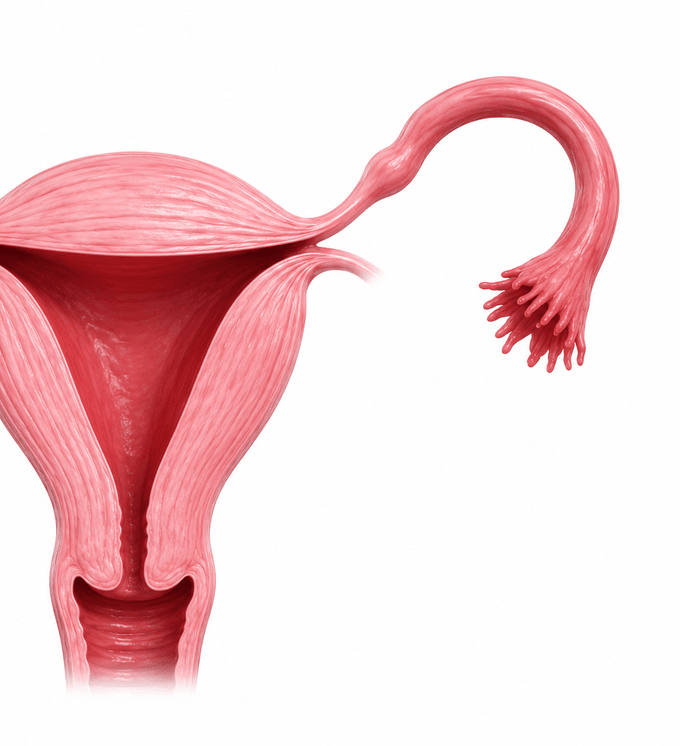
The fallopian tubes serve as a vital pathway where an egg and sperm can meet. They also provide the route through which a fertilized egg travels to the uterus.
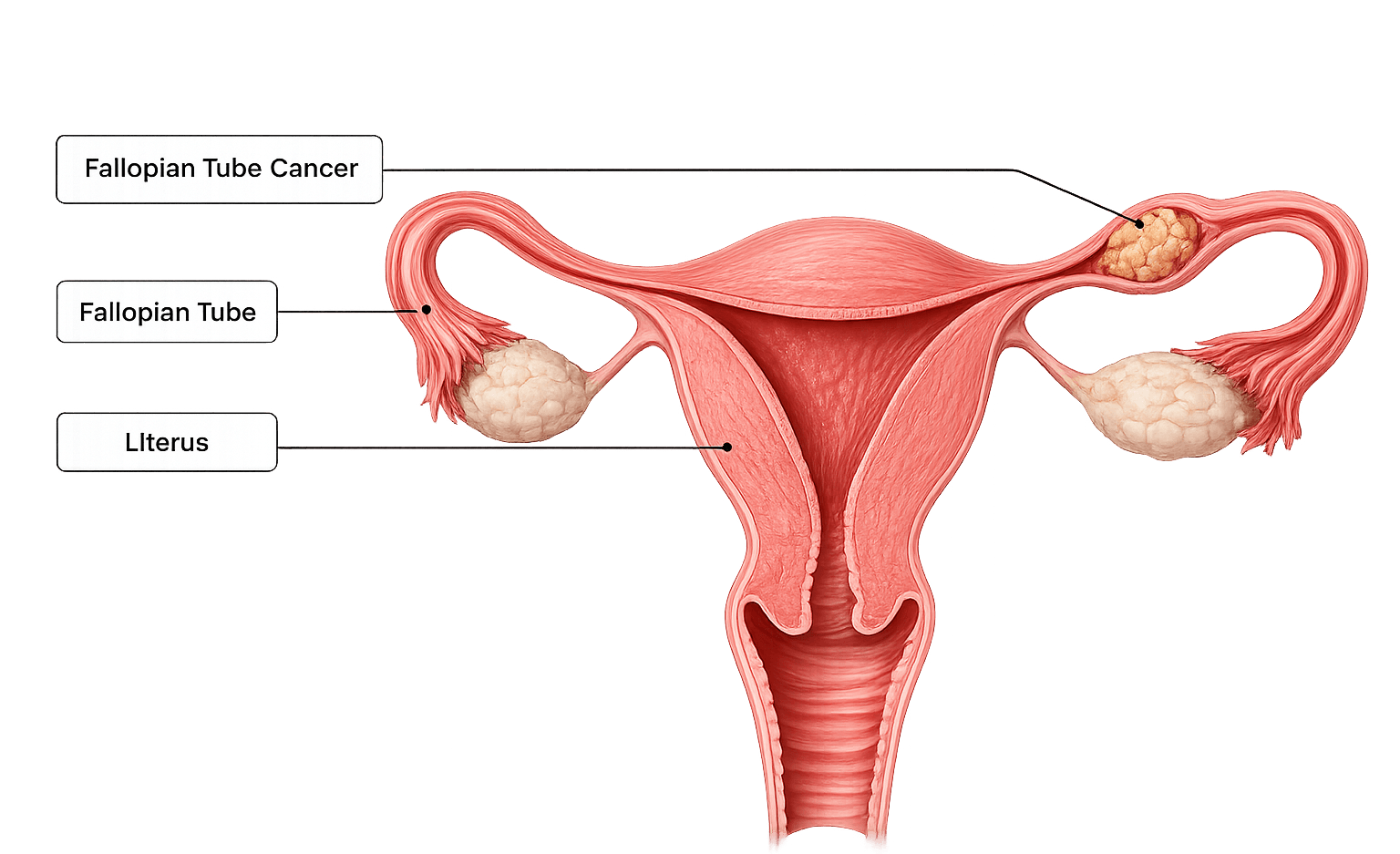
Overview
Fallopian tube cancer is a rare type of gynecologic cancer that begins in the cells lining the fallopian tubes. It develops when abnormal cells grow uncontrollably and form a tumor within the tubes. Because the disease is uncommon, it can be difficult to identify in its early stages.
The symptoms of fallopian tube cancer are often similar to those of other gynecologic conditions, which may delay diagnosis. In some cases, the disease may not cause noticeable symptoms until it has progressed. Early evaluation and appropriate treatment are important for managing the condition and improving outcomes.
Risk Factors
Factors We Cannot Control

Age
More than half of people with fallopian tube cancer or ovarian cancer are over 63.

Ethnicity
People living in North America or those of Northern European or Ashkenazi Jewish descent are more likely to get fallopian tube cancer.
Family History
Risk is greater if a first-degree biological relative has had breast cancer, ovarian cancer or fallopian tube cancer.

BRCA Gene Mutation
Changes to the BRCA gene increase the risk of fallopian tube cancer.

Inherited Conditions
Inherited conditions such as Lynch syndrome and Peutz-Jeghers syndrome increase fallopian tube cancer risk.
Pregnancy History
Risk may be higher if you’ve never been pregnant or had your first full-term pregnancy after age 35.

Menstrual Cycle History
Getting your first period before age 12 or going through menopause after age 51 are risk factors.
Lifestyle & Health Factors

Obesity
Having a BMI above 30 may increase risk, especially if obesity was present during early adulthood.
Symptoms
1. Pelvic Pain or Mass
Pelvic pain or a pelvic mass may occur.

2. Appetite Changes
Loss of appetite, feeling full quickly or nausea may occur.

3. Bowel Changes
Changes in pooping habits, such as constipation or diarrhea, may happen.

4. Frequent Urination
Peeing more often may be a symptom.

5. Abnormal Bleeding
Abnormal periods or bleeding after menopause may occur.

6. Vaginal Discharge
Watery or bloody vaginal discharge may be a warning sign.

Diagnosis
1. Pelvic Exam
A provider may first notice a lump or mass during a routine pelvic exam.

2. CA-125 Blood Test
A CA-125 blood test measures cancer antigen 125, which may be higher in some people with fallopian tube cancer.

3. Imaging Tests
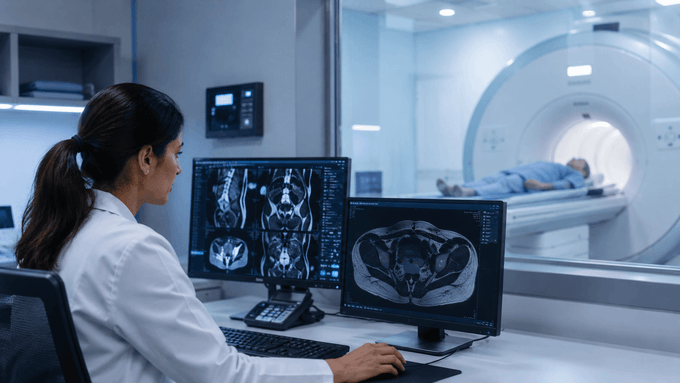
Imaging tests may include transvaginal ultrasound, CT scan, MRI or PET scan to look at the fallopian tubes and ovaries.
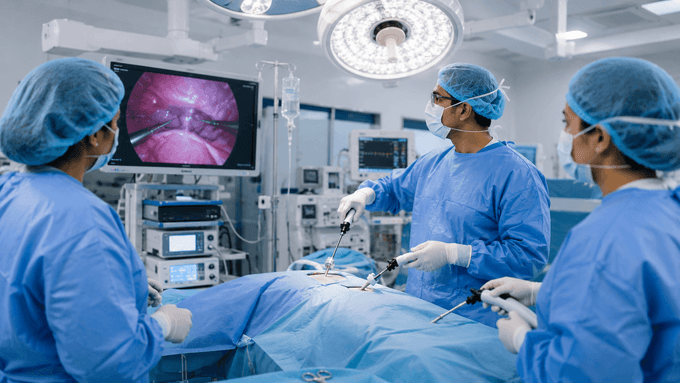
4. Exploratory Surgery
Surgery lets providers directly examine organs and remove suspicious tissue for testing.
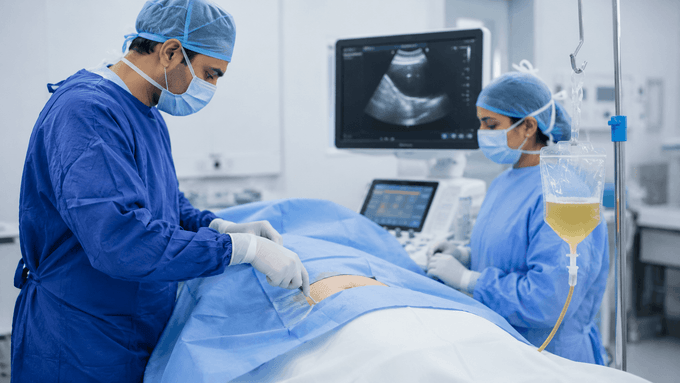
5. Paracentesis
Paracentesis collects fluid that has built up in the abdomen so it can be tested.
6. Biopsy
A biopsy removes a tissue sample from a tumor for testing, sometimes with ultrasound or CT scan guidance.

Treatments
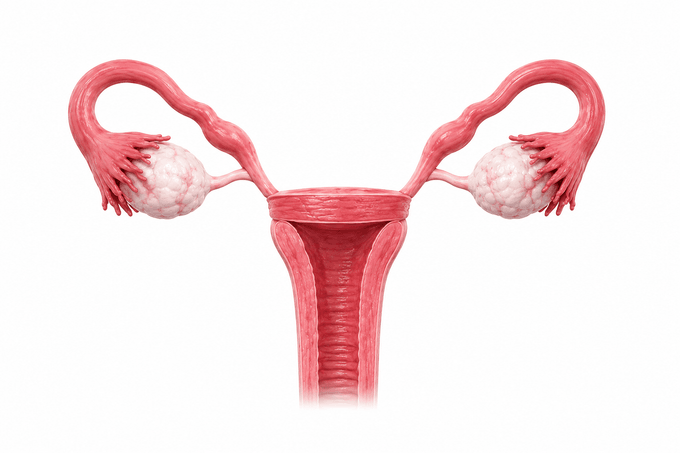
1. Hysterectomy
Most people have surgery to remove the uterus.
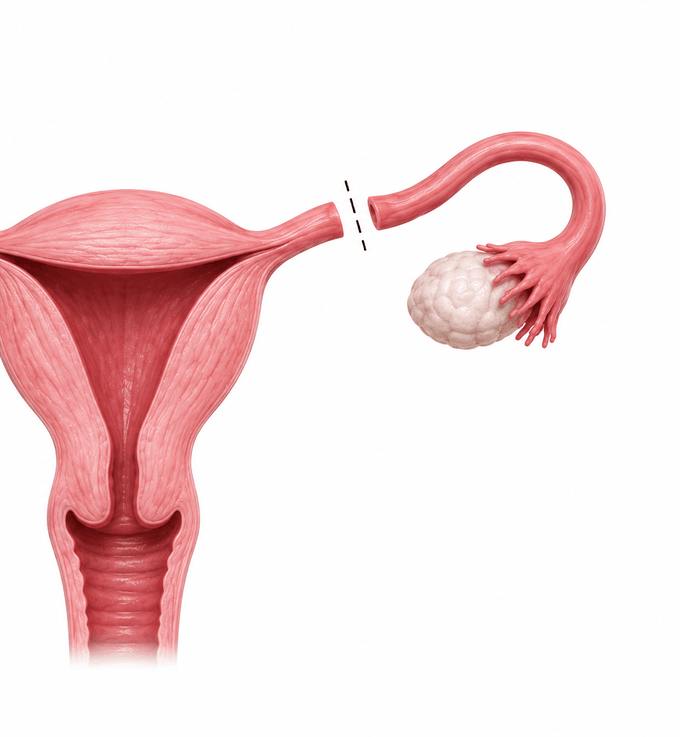
2. Salpingectomy
Surgery usually removes both fallopian tubes.
3. Oophorectomy
Surgery often removes the ovaries along with the fallopian tubes.
4. Chemotherapy
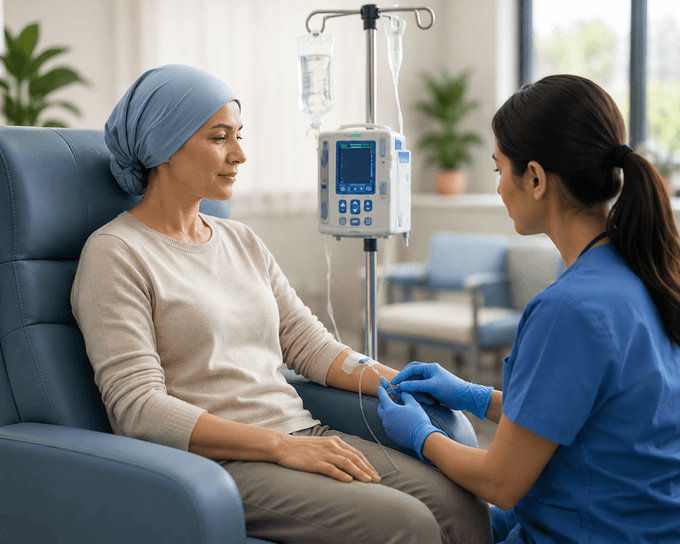
Chemotherapy may shrink the tumor before surgery or destroy cancer cells that remain after surgery.
5. HIPEC
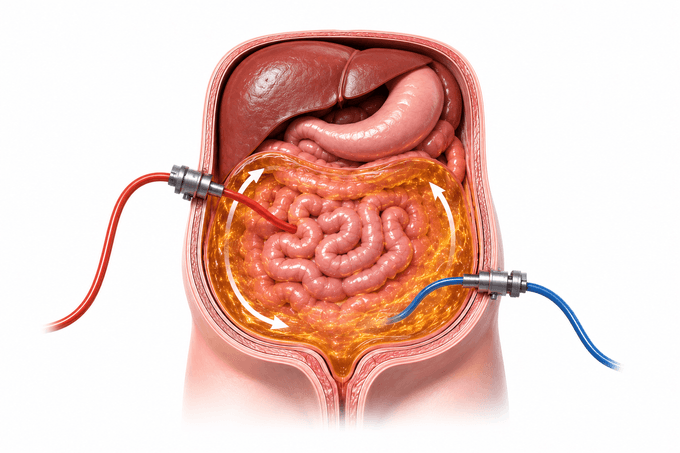
Heated intraoperative peritoneal chemotherapy may be given during surgery for concentrated treatment in the abdomen.
6. Palliative Care
Palliative care can help manage cancer symptoms and treatment side effects.