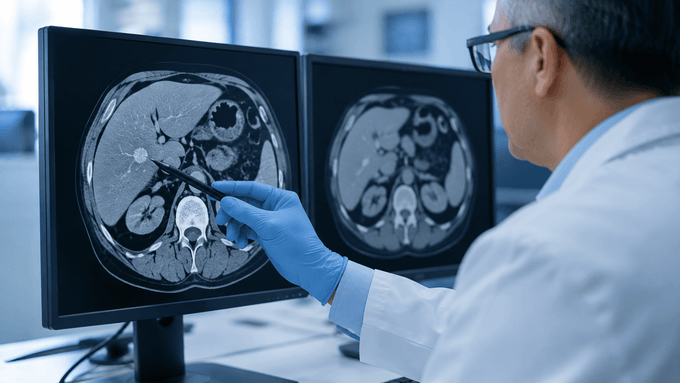
Gastrointestinal Stromal Tumor
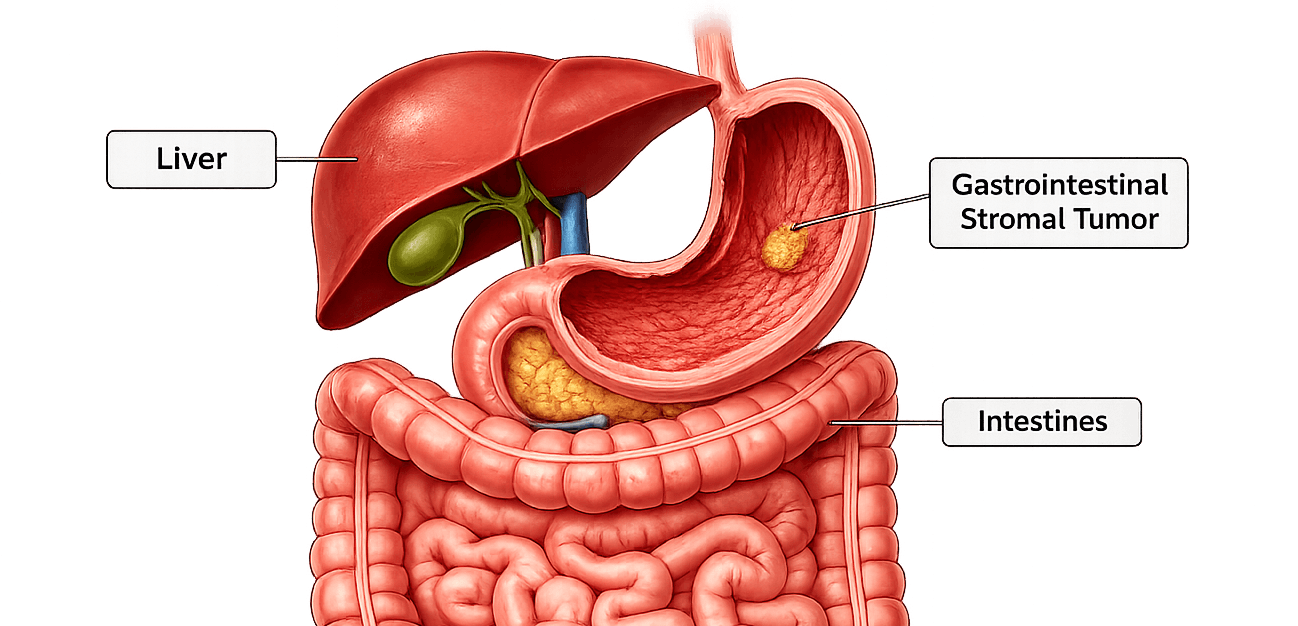
The gastrointestinal tract consists of the organs through which food and liquids pass as they are swallowed, digested, absorbed, and eventually eliminated from the body as feces. It includes the mouth, pharynx (throat), esophagus, stomach, small intestine, large intestine, rectum, and anus.
Overview
Gastrointestinal stromal tumors (GISTs) are rare tumors that develop in specialized cells located in the walls of the gastrointestinal tract. These tumors are a type of soft tissue sarcoma and most commonly form in the stomach or small intestine. GISTs can vary in size and may develop without causing noticeable symptoms.
Some gastrointestinal stromal tumors are discovered during tests or procedures performed for other reasons, while larger tumors may cause symptoms as they grow. Treatment often involves surgery to remove the tumor, and in some cases additional therapies may be recommended. Early diagnosis and appropriate treatment can help improve disease management and outcomes.
Risk Factors
Factors We Cannot Control

KIT Gene Change
GIST usually happens when the KIT gene changes, causing cells in the GI tract to multiply and form tumors.

Carney-Stratakis Syndrome
This rare inherited condition may increase the risk of developing a GIST.
Familial GIST Syndrome
Rarely, abnormal KIT genes may be passed from parent to child, increasing the chance of developing GISTs.

Neurofibromatosis Type 1
Neurofibromatosis type 1 can cause certain cells to multiply and form tumors, and it may increase GIST risk.
Lifestyle & Health Factors

No Lifestyle Risk Factors
This page does not identify clearly established lifestyle-related risk factors for GIST.
Symptoms
1. Belly Pain
Abdominal or belly pain may occur when a GIST causes symptoms.

2. Blood in Stool
Blood in stool may be a symptom of a gastrointestinal stromal tumor.

3. Fatigue
Fatigue may develop as part of the symptom pattern.

4. Unintentional Weight Loss
Losing weight without trying may be a symptom.

5. Loss of Appetite
Some people may experience reduced appetite.

6. Vomiting Blood
Vomiting blood may occur when a GIST causes bleeding in the digestive tract.

Diagnosis
1. Symptom Review
A healthcare provider may ask about symptoms and how long they have been present.

2. Physical Examination
A physical exam may be done as part of the diagnostic process.

3. Upper Endoscopy
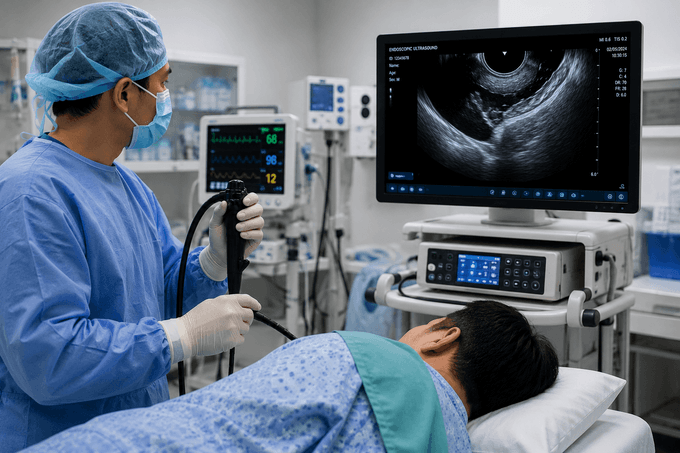
Upper endoscopy may help providers examine the digestive tract.
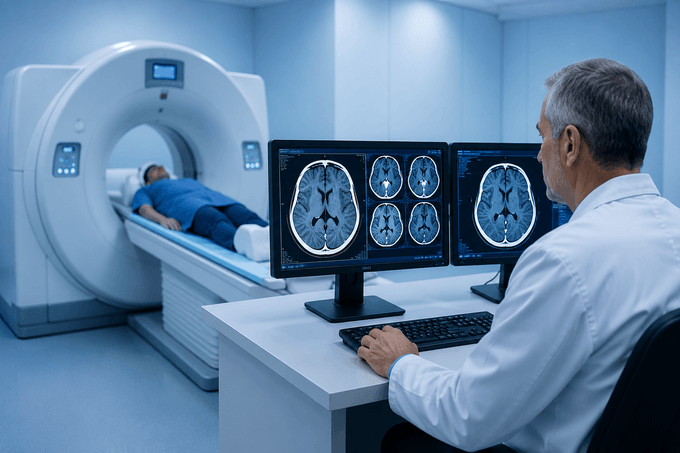
4. CT Scan
A CT scan may be used to evaluate the tumor.
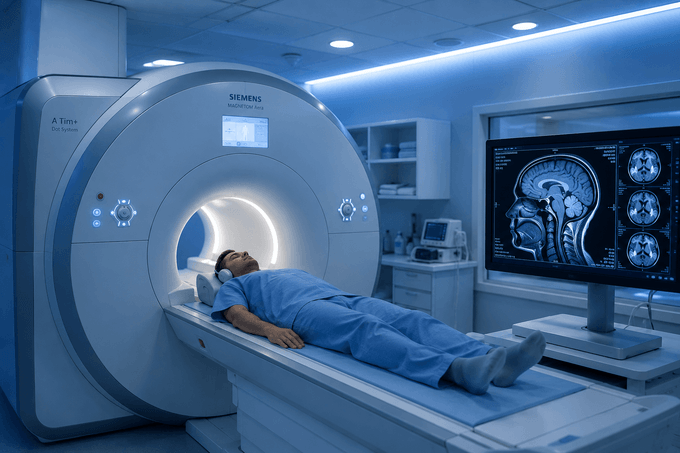
5. PET Scan
A PET scan may be used during diagnosis.
6. Biopsy
A biopsy collects tissue samples that a pathologist examines under a microscope.

Treatments
1. Surgery
Surgery to remove the tumor is the most common treatment for GIST.

2. Targeted Therapy
Targeted therapy may be used along with surgery to treat GIST.
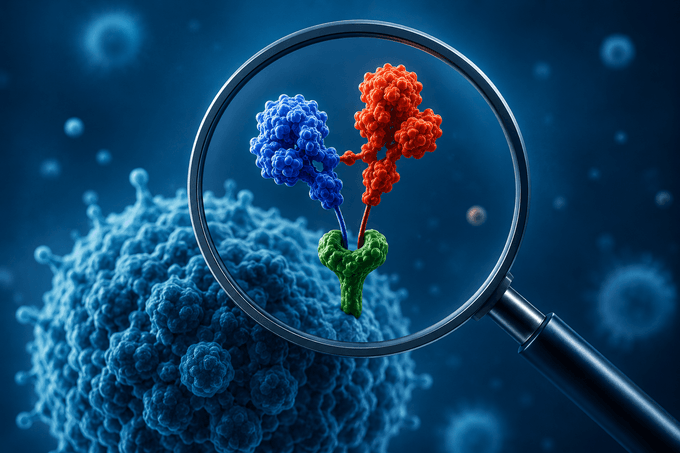
3. Pre-Surgery Targeted Therapy
Targeted therapy may be given before surgery to shrink a large tumor.

4. Small Tumor Treatment
Surgery may be the only treatment needed for small tumors.