Germ Cell Tumor
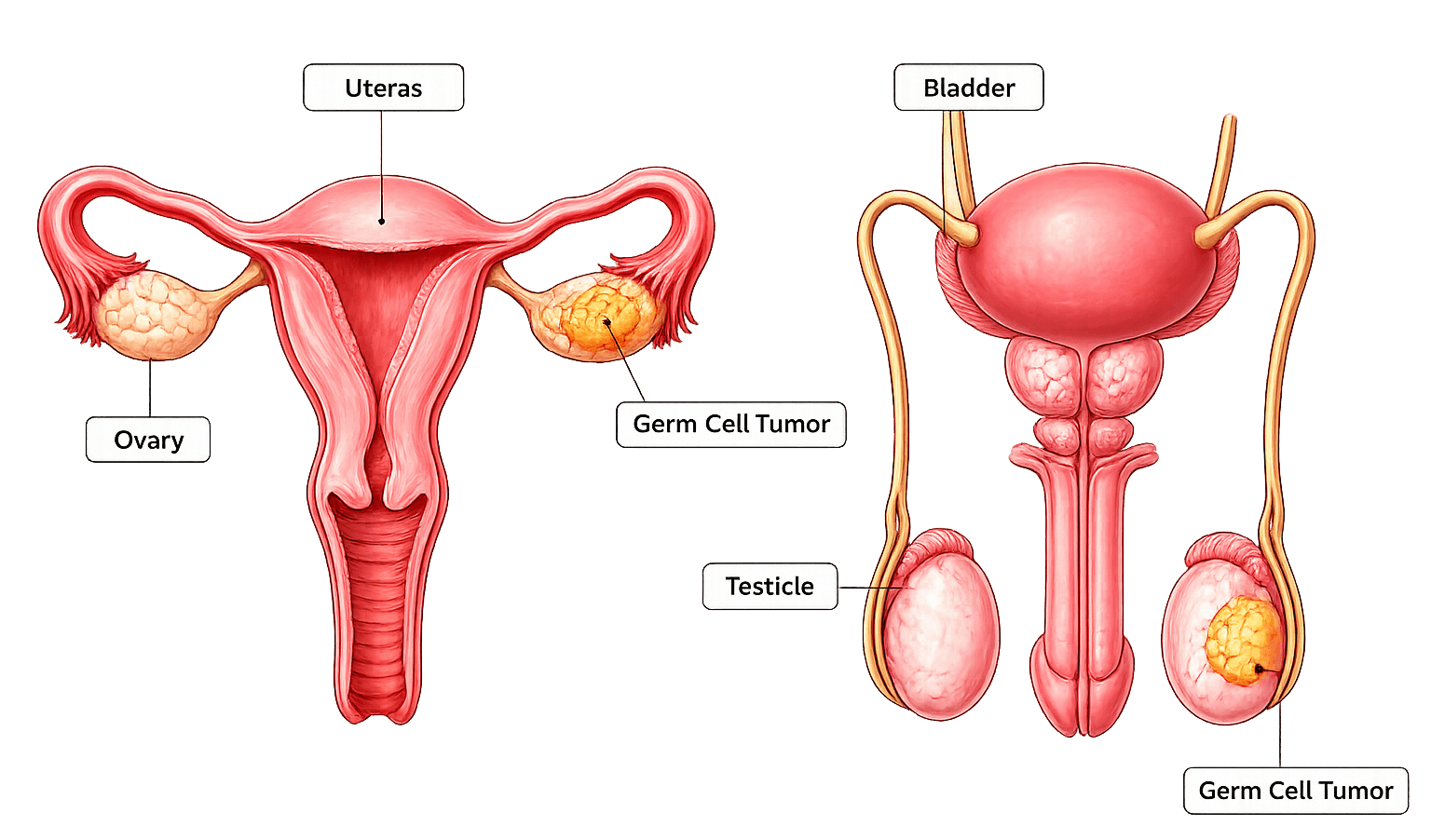
Germ cells are specialized reproductive cells that normally develop into sperm in males and eggs in females. They are primarily found in the testes and ovaries and play an essential role in human reproduction by giving rise to the cells needed for fertilization.
Overview
Germ cell tumors usually start in reproductive organs such as the ovaries or testicles. Less commonly, they can form in areas outside the reproductive organs, including the belly, chest, back, tailbone and brain.
Risk Factors
Factors We Cannot Control

Age Group
Germ cell tumors are most common in children under 4, teens and young adults.

Family History
Risk may be higher if someone in your family has had a germ cell tumor.

Undescended Testicles
Untreated undescended testicles may increase the chance of developing a germ cell tumor.

Turner Syndrome
Turner syndrome is listed as a risk factor for germ cell tumors.

Klinefelter Syndrome
Klinefelter syndrome is listed as a risk factor for germ cell tumors.
Lifestyle & Health Factors

No Lifestyle Risk Factors
This page does not identify clearly established lifestyle-related risk factors for germ cell tumors.
Symptoms
1. Pelvic, Belly or Groin Pain
Discomfort or pain may occur in the pelvis, belly or groin depending on the tumor location.

2. Swollen Belly
A swollen belly may develop when the tumor grows or creates pressure.

3. Irregular Vaginal Bleeding
Irregular vaginal bleeding may occur with some germ cell tumors.

4. Nausea
Nausea may occur as one of the possible symptoms.

Diagnosis
1. Physical Examination
A healthcare provider may perform a physical exam and ask about symptoms.

2. Blood Tests
Blood tests may check enzymes, proteins or hormones, including hCG, AFP and LDH.

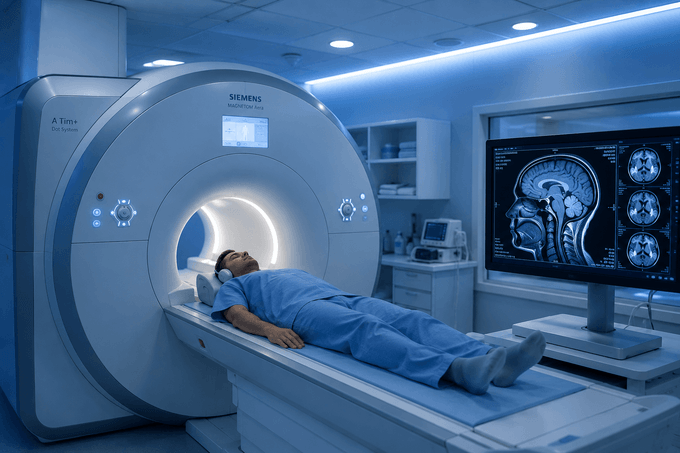
3. CT, MRI or Ultrasound
These imaging tests show pictures inside the body and are often early steps in diagnosis.

4. PET Scan
A PET scan may show whether cancer has spread.
5. Biopsy
During a biopsy, tissue is removed from the tumor and sent to a lab for testing.

Treatments
1. Surgery
Many germ cell tumors can be cured with surgery to remove the tumor or affected reproductive organ tissue.

2. Ovarian Surgery
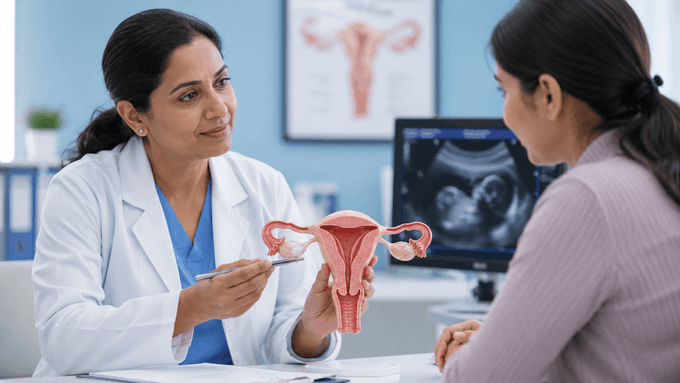
A provider may remove the tumor from the affected ovary or remove the ovary and fallopian tube.
3. Testicular Surgery
With testicular cancer, the provider removes the testicle that contains the tumor during diagnosis.

4. Chemotherapy
Chemotherapy uses medicines to destroy cancer cells or stop them from dividing.

5. Radiation Therapy
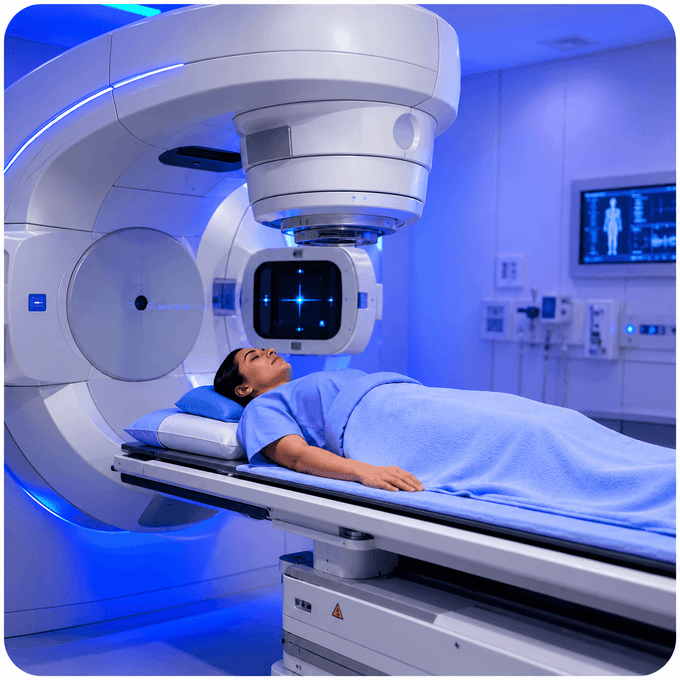
Radiation therapy uses high-energy X-rays to destroy cancer cells, and some germ cell tumors respond best to this treatment.