Hairy Cell Leukemia
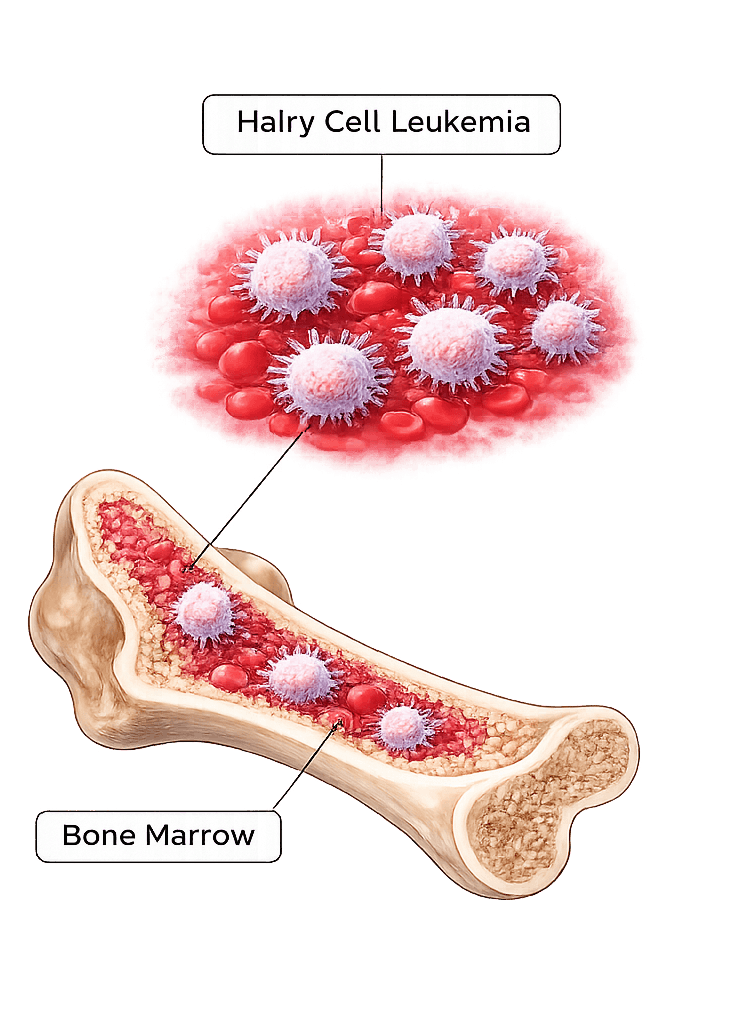
Hairy cell leukemia develops from abnormal B lymphocytes (B cells), a type of white blood cell in the immune system. B cells help protect the body by producing antibodies that fight infections.
Overview
Hairy cell leukemia is a rare type of chronic leukemia that affects B lymphocytes, a type of white blood cell. The disease begins in the bone marrow, where abnormal B cells are produced and gradually build up over time. Under a microscope, these cells appear to have tiny hair-like projections, which is how the condition gets its name.
Hairy cell leukemia typically develops slowly and may not cause symptoms in its early stages. As abnormal cells accumulate, they can interfere with the bone marrow’s ability to produce healthy blood cells. Although it is a chronic form of leukemia, many people respond well to treatment, and advances in therapy have significantly improved long-term outcomes.
Risk Factors
Factors We Cannot Control

BRAF Gene Change
Research shows that most people with hairy cell leukemia have a change affecting the BRAF gene, which helps control cell growth.
Age
This disease often affects people ages 40 to 70, with many people diagnosed around age 58.

Sex
Hairy cell leukemia affects males more than females.
Lifestyle & Health Factors

Agent Orange Exposure
Researchers think exposure to Agent Orange may cause hairy cell leukemia and other types of leukemia.
Symptoms
1. Fatigue
Low red blood cell levels can make you feel tired all the time.

2. Fever and Frequent Infections
Low white blood cell levels may lead to serious infections that cause fevers.

3. Lower Left Side Pain
Abnormal cells may make the spleen swell, causing pain on the lower left side and a feeling of fullness.

4. Lower Right Side Pain
Cells may build up in the liver, causing swelling and pain on the lower right side.

5. Swollen Lymph Nodes
Abnormal cells in lymph nodes may cause lumps in the neck, underarms or stomach.

6. Bruising or Bleeding Easily
Low platelet levels may lead to easy bruising, nosebleeds or bleeding from cuts.

Diagnosis
1. Medical History
A healthcare provider may ask when symptoms started, review medical history and ask about frequent infections.

2. CBC With Differential
This blood test measures red blood cells, white blood cells and platelets, and identifies different white blood cell types.

3. Peripheral Blood Smear
This test looks for abnormal blood cells under a microscope.

4. Bone Marrow Biopsy
A bone marrow biopsy checks for abnormal cells in the bone marrow.

5. CT Scan or Abdominal Ultrasound
These imaging tests may evaluate the size of the spleen, liver and lymph nodes.

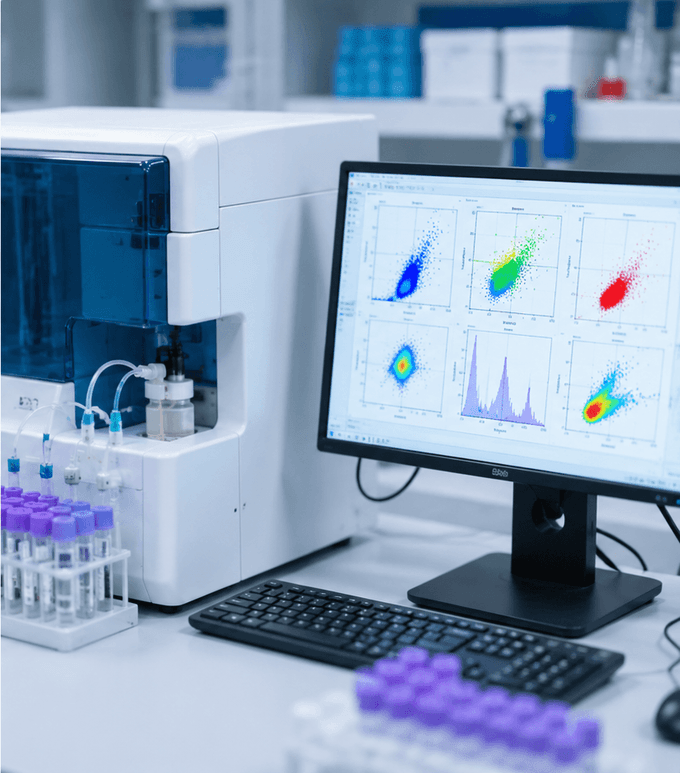
6. Flow Cytometry
Flow cytometry identifies physical or chemical changes in cells.
Treatments
1. Chemotherapy
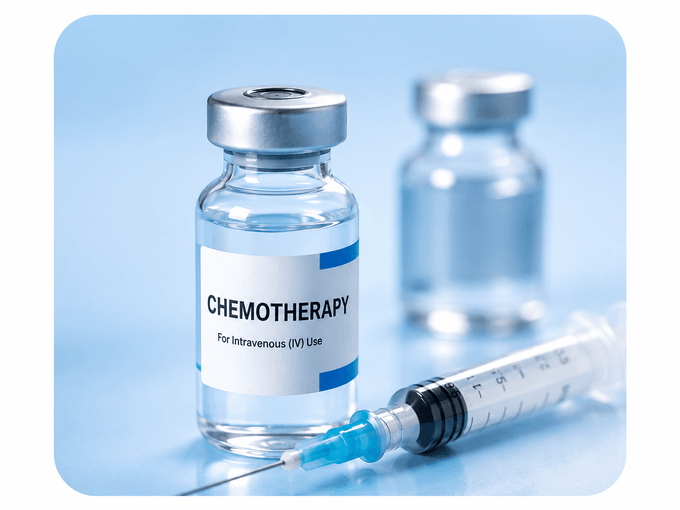
Chemotherapy is the most common treatment and may include medicines such as cladribine or pentostatin.
2. Cladribine
Cladribine is one chemotherapy medicine used to treat hairy cell leukemia.

3. Pentostatin
Pentostatin is another chemotherapy medicine used for hairy cell leukemia.

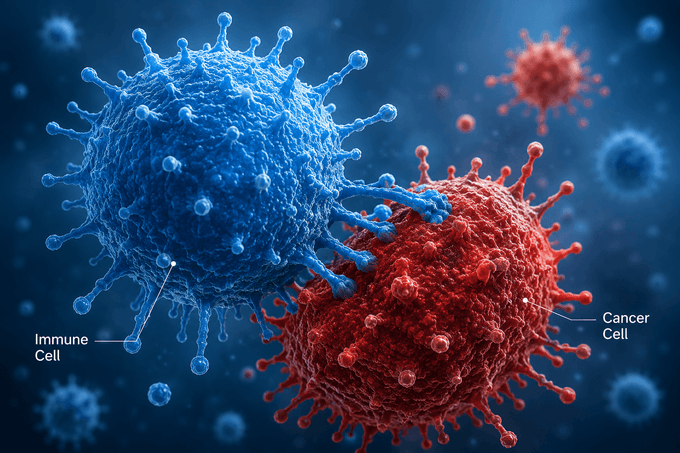
4. Immunotherapy
Immunotherapy may include rituximab or recombinant interferon alfa-2b.
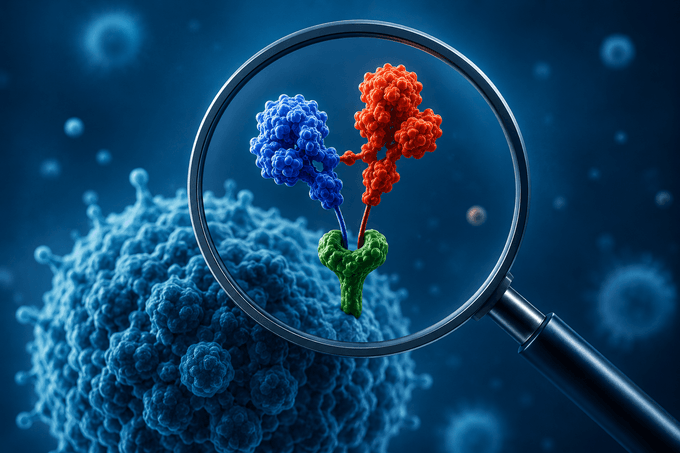
5. Targeted Therapy
Targeted therapy may include antibody drug conjugates such as rituximab.
6. Splenectomy
Surgery to remove the spleen may be used if anticancer medicines are not effective and abnormal cells make the spleen swell.