Hodgkin Lymphoma
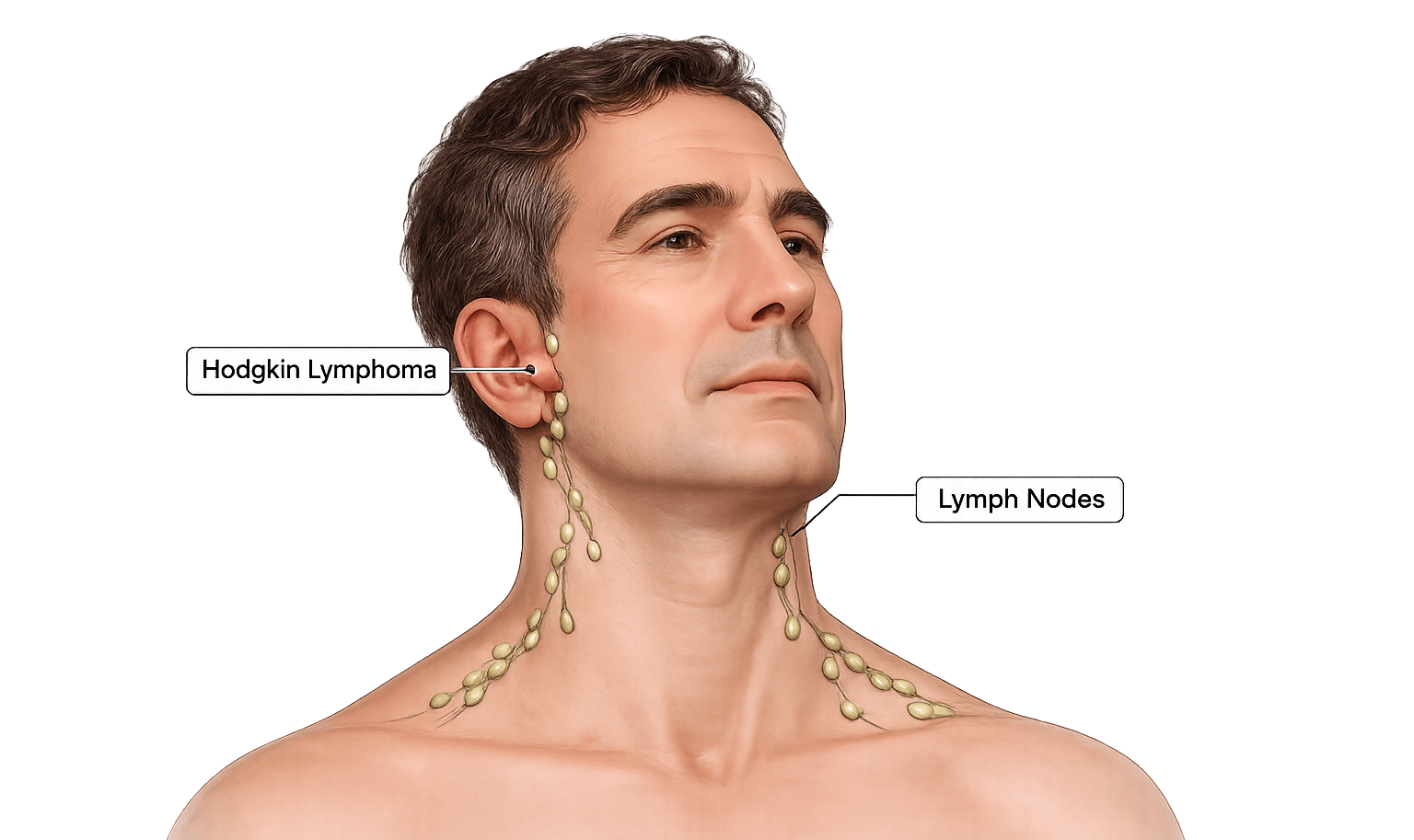
Hodgkin lymphoma is a type of blood cancer that begins in lymphocytes, a kind of white blood cell found within the lymphatic system. The lymphatic system is a network of organs, vessels, and tissues that helps defend the body against infections and maintain fluid balance.
Overview
Hodgkin lymphoma is a type of cancer that begins in the lymphatic system when certain white blood cells called lymphocytes grow abnormally and multiply uncontrollably. The disease typically starts in lymph nodes and can spread to other parts of the lymphatic system if left untreated. A distinguishing feature of Hodgkin lymphoma is the presence of abnormal cells known as Reed-Sternberg cells.
Hodgkin lymphoma can affect people of different ages and may develop in various lymph nodes throughout the body. Advances in diagnosis and treatment have made it one of the more treatable forms of cancer, particularly when identified early. Prompt evaluation and appropriate treatment can help improve outcomes and support long-term disease management.
Risk Factors
Factors We Cannot Control

Age
Risk is higher in people between 20 and 39 years old and in people older than 65.

Sex
Males are more likely to develop Hodgkin lymphoma, except for nodular sclerosis, which is more common in females.
Family Medical History
Risk is slightly higher if biological siblings or parents have had Hodgkin lymphoma.

Organ Transplant
People who have had an organ transplant take medicines that suppress the immune system, which can increase lymphoma risk.
Lifestyle & Health Factors

No Lifestyle Risk Factors
This page does not identify clearly established lifestyle-related risk factors for Hodgkin lymphoma.
Symptoms
1. Swollen Lymph Nodes
The most common first sign is painless swollen lymph nodes in the neck, underarm or groin.

2. Persistent Fatigue
Fatigue means feeling much more tired than usual for at least several days.

3. Unexplained Fever
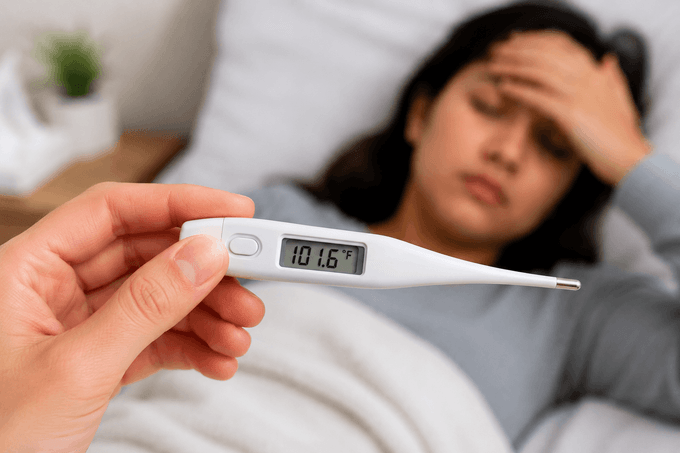
A fever that stays high or lasts longer than expected may be a symptom.
4. Unexplained Weight Loss
Losing 10% or more of total body weight over six months without trying is considered unexplained weight loss.

5. Abdominal Pain or Swelling
Belly pain or swelling may occur depending on where lymphoma cells are located.

Diagnosis
1. Physical Examination
A healthcare provider may examine swollen lymph nodes and ask about symptoms such as fever or unexplained weight loss.

2. Blood Tests
Blood tests help show overall health and may detect signs of cancer.

3. CBC
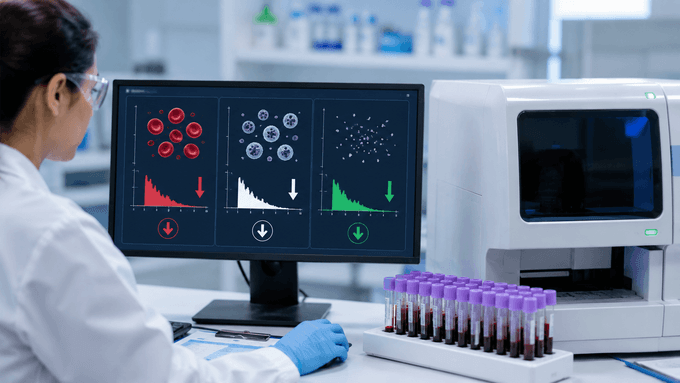
A complete blood count can show low blood cell counts that may suggest lymphoma in the blood or bone marrow.
4. Blood Chemistry and ESR
Blood chemistry checks organ function, while ESR measures inflammation that may be seen in Hodgkin lymphoma.

5. Imaging Tests
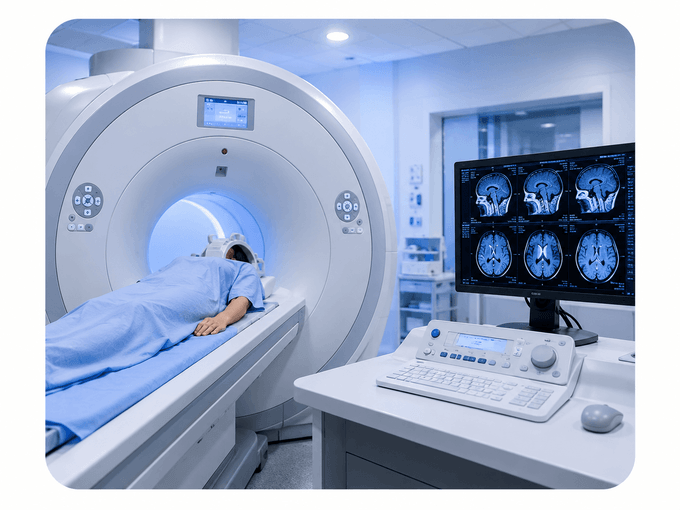
Imaging may include chest X-ray, CT scan, PET scan, MRI or ultrasound depending on cancer location and pregnancy status.
6. Lymph Node Biopsy
A lymph node biopsy is usually used to diagnose Hodgkin lymphoma and look for Reed-Sternberg cells.

Treatments
1. Chemotherapy
Chemotherapy uses one or more medicines to kill cancer cells or keep them from multiplying.

2. Radiation Therapy
Radiation therapy uses high-powered energy beams to kill cancer cells in affected lymph nodes or areas of spread.

3. Immunotherapy
Immunotherapy boosts the immune system so it can better identify and destroy cancer cells.

4. Checkpoint Inhibitors
Checkpoint inhibitors are an important immunotherapy treatment for Hodgkin lymphoma.

5. Targeted Therapy
Targeted therapy uses medicines or other substances to attack cancer cells, including antibody-drug conjugates.

6. Stem Cell Transplant
Chemotherapy with stem cell transplantation may be used when Hodgkin lymphoma comes back or does not respond to treatment.