Kaposi Sarcoma
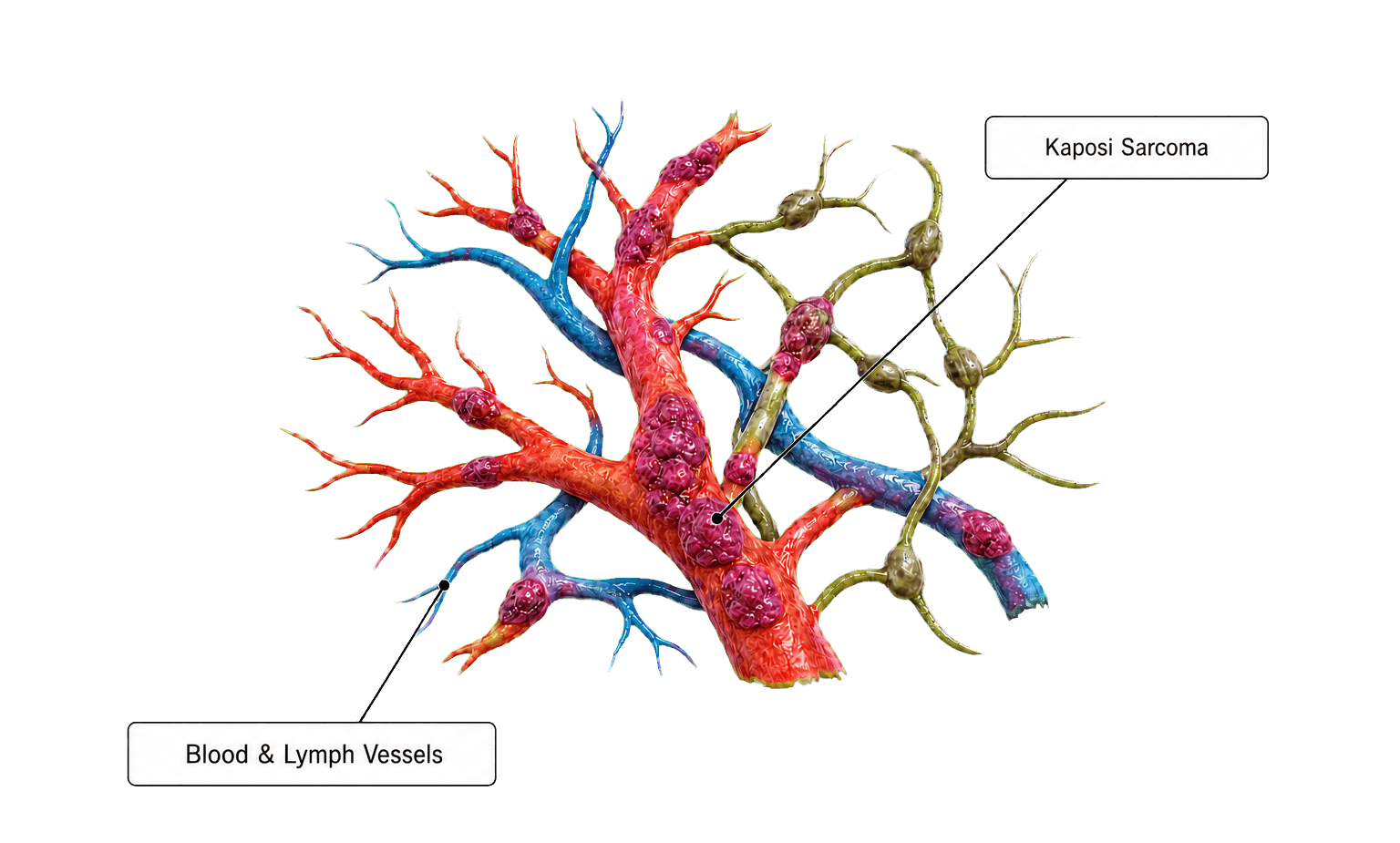
Kaposi sarcoma (KS) is a type of cancer that begins in the cells lining the blood vessels or lymph vessels. Blood vessels carry blood throughout the body, delivering oxygen to vital organs and tissues, removing waste products, and helping regulate blood pressure.
Overview
Kaposi sarcoma is a rare type of soft tissue sarcoma that causes abnormal lesions to develop on the skin and mucous membranes. These lesions can appear in areas such as the mouth, nose and anus, and may also develop in the lining of internal organs including the digestive tract, lungs and liver. The disease is associated with human herpesvirus 8 (HHV-8) and is more likely to occur in people with weakened immune systems.
Kaposi sarcoma can affect different parts of the body and may vary in how it develops from person to person. Healthcare providers classify the disease into several types based on the population affected and underlying causes. Although it is a rare cancer, treatment options are available, and early evaluation can help guide appropriate disease management and care.
Risk Factors
Factors We Cannot Control

Age
Kaposi sarcoma mostly affects people between ages 40 and 70.

Sex
Males are more likely to develop Kaposi sarcoma.

Ethnicity
Risk is higher in people of Mediterranean, Southwest Asian, Eastern European or Ashkenazi Jewish descent.
Lifestyle & Health Factors

Unprotected Sex
Having unprotected sex can increase the risk of contracting HHV-8 and HIV, which can increase Kaposi sarcoma risk.
Symptoms
1. Abnormal Skin Spots
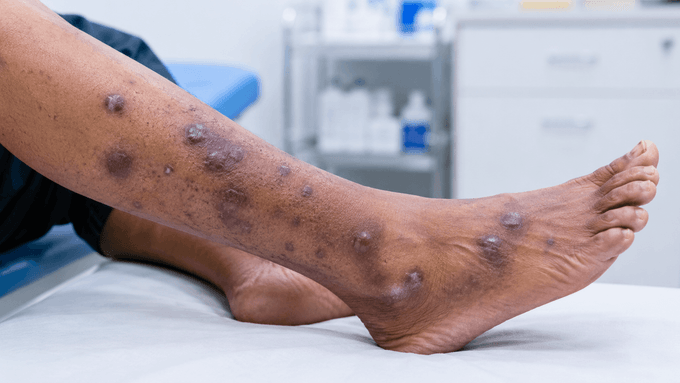
Kaposi sarcoma may cause abnormal smooth or bumpy spots on the skin in one or more areas.
2. Belly Pain or Blood in Stool
Lesions in the belly may cause belly pain or blood in stool.

3. Digestive Symptoms
Lesions in the digestive system may cause constipation, diarrhea or vomiting.

4. Coughing Blood or Breathing Difficulty
Lesions in the lungs may cause coughing up blood or difficulty breathing.

5. Mouth Pain
Lesions in the mouth may cause pain while eating.

Diagnosis
1. Physical Examination
A healthcare provider may check the skin for lesions and ask about symptoms and health history.

2. Biopsy
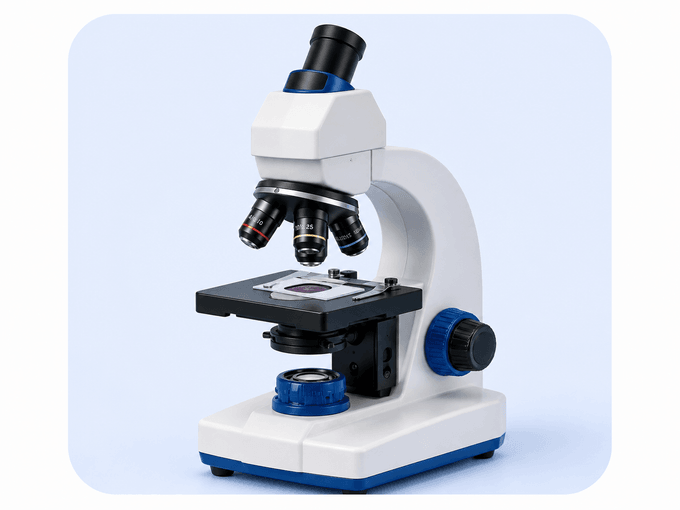
A small tissue sample may be removed and sent to a pathologist for testing.
3. Bronchoscopy
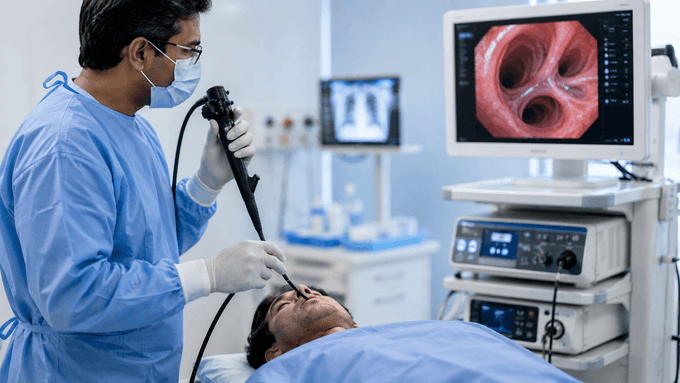
Bronchoscopy helps providers look for Kaposi sarcoma in the windpipe and airways that lead to the lungs.
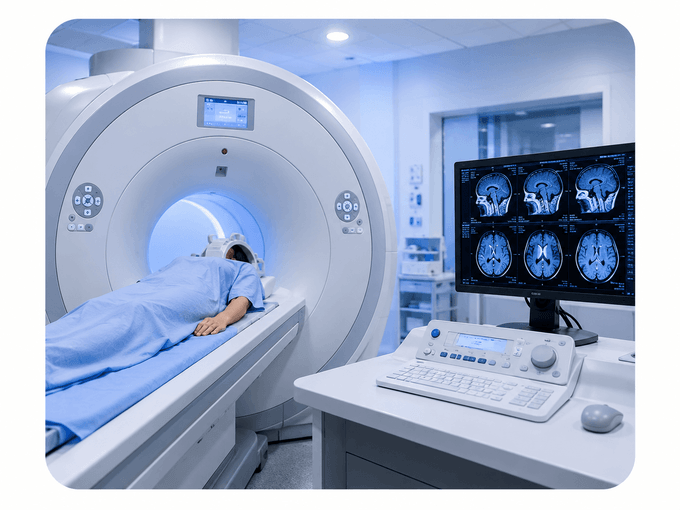
4. Chest X-ray or CT Scan
Chest imaging may be used to look for Kaposi sarcoma lesions in the lungs.
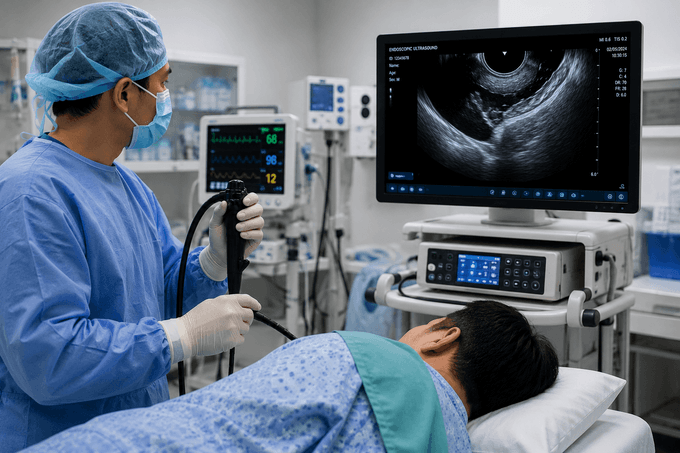
5. Endoscopy
Endoscopy may help providers look inside the stomach or intestines for lesions.
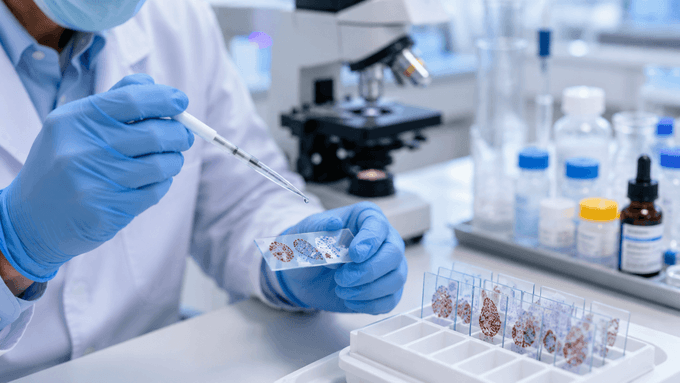
6. Immunohistochemistry
This lab test looks for LANA-1, a protein linked with HHV-8, and helps distinguish Kaposi sarcoma from similar lesions.
Treatments
1. Antiretroviral Therapy
Antiretroviral therapy may be part of treatment, especially for Kaposi sarcoma related to HIV/AIDS.

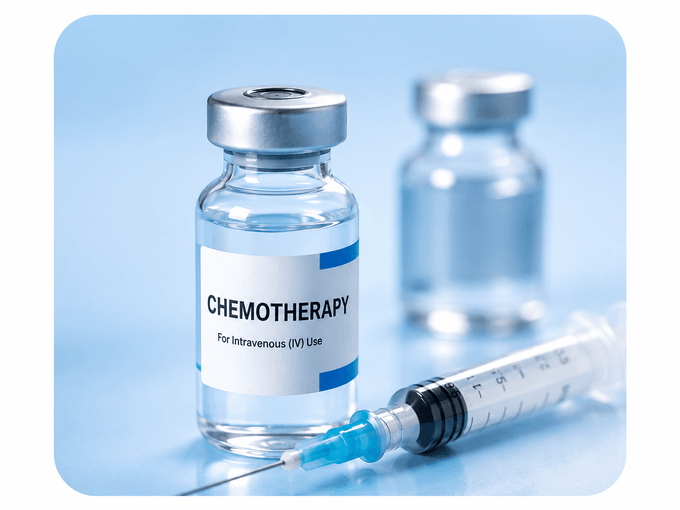
2. Chemotherapy
Chemotherapy may be used as part of a personalized treatment plan.
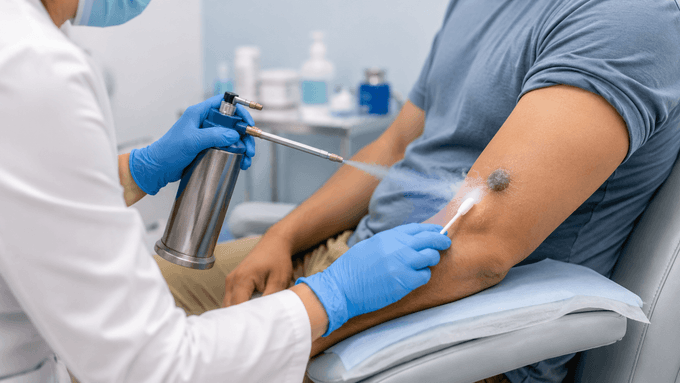
3. Cryotherapy
Cryotherapy may be used to treat some Kaposi sarcoma lesions.
4. Radiation Therapy
Radiation therapy may be included depending on the type, number and location of lesions.

5. Surgery
Surgery may be used in selected cases as part of treatment.

6. Targeted Therapy
Targeted therapy may be used as part of treatment for Kaposi sarcoma.