Kidney Cancer
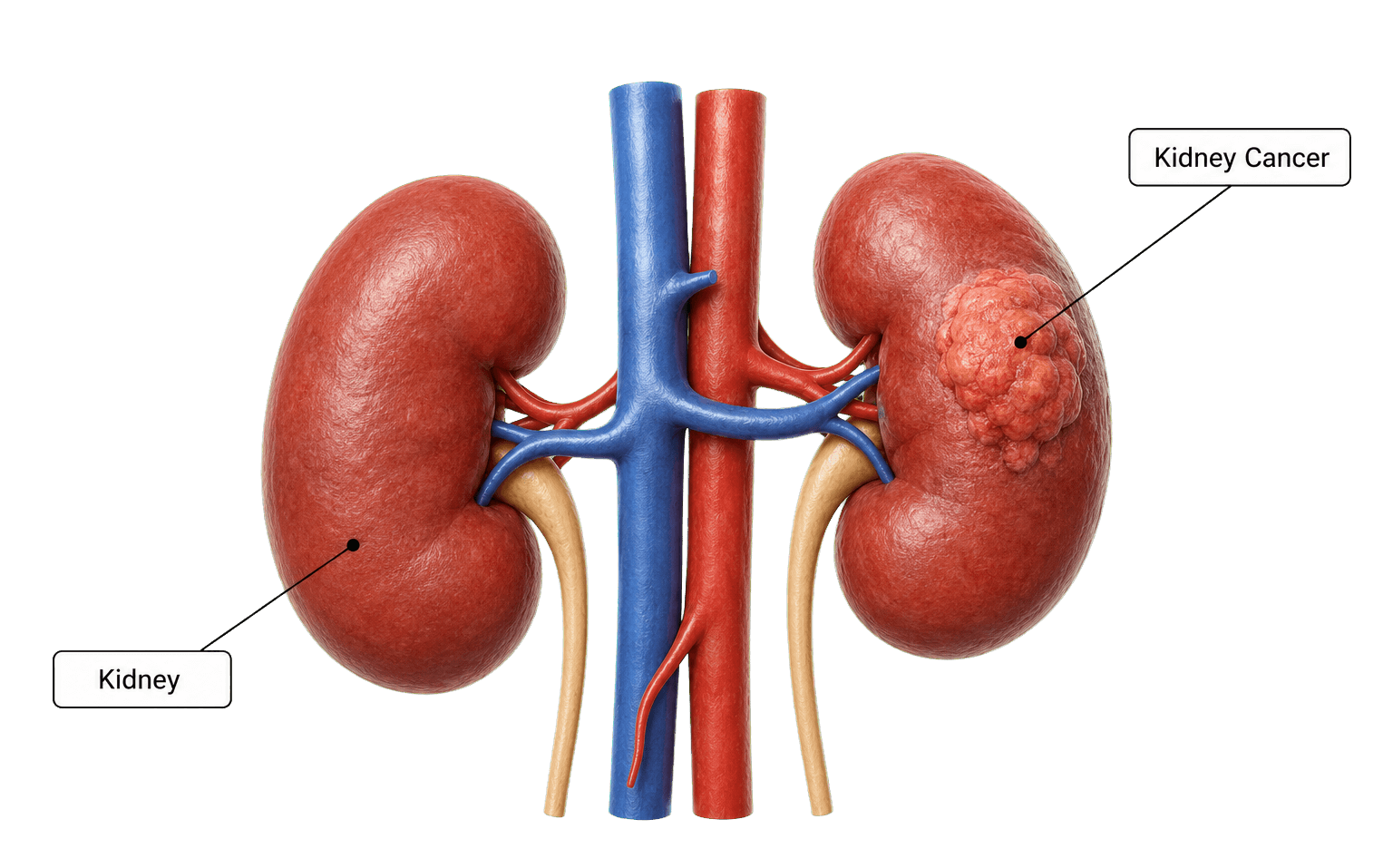
The kidneys are organs that help filter the blood by removing waste products and regulating fluid balance within the body. Most individuals have two kidneys, located on either side of the spine in the lower back. Common conditions that can affect the kidneys include kidney disease, kidney infections, and kidney cysts.
Overview
Kidney cancer develops when abnormal cells in the kidney grow uncontrollably and form a tumor. It is one of the more common cancers affecting the urinary system and can occur in different forms depending on the type of cells involved. The most common type of kidney cancer begins in the cells that line the small tubes within the kidneys.
Many people with kidney cancer may not experience noticeable symptoms in the early stages, and the disease is sometimes discovered during imaging tests performed for unrelated reasons. Treatment options and outcomes depend on factors such as the cancer’s type, size and whether it has spread beyond the kidney. Early detection can help expand treatment options and improve outcomes.
Risk Factors
Factors We Cannot Control

Age
Kidney cancer typically affects people ages 65 to 74.

Dialysis Use
Long-term dialysis use to support kidney function may increase risk.
Family Medical History
Having family members with kidney cancer may increase risk.

Inherited Disorders
Inherited disorders such as von Hippel-Lindau disease and tuberous sclerosis syndrome can cause tumors that affect the kidneys.
Lifestyle & Health Factors

Obesity
Having obesity, defined as a BMI of 30 or more, may increase risk.

Smoking
Smoking increases the risk of renal cell carcinoma.
Symptoms
1. Blood in Urine
Blood in urine may be a symptom of kidney cancer.

2. Fatigue
Fatigue may occur with kidney cancer.

3. Recurring Fever
A fever that comes back may be a symptom.

4. Loss of Appetite
Loss of appetite may occur.

5. Side or Back Pain
Pain may occur in the sides or the back of the belly.

6. Weight Loss
Unexplained weight loss may occur.

Diagnosis
1. Physical Examination
A healthcare provider may perform a physical exam and ask about symptoms and how long they have been present.

2. Blood Tests
Blood tests may include CBC and BMP to check blood cell levels, kidney function and chemical changes.

3. Imaging Tests
CT scan, MRI and ultrasound can help detect tumors in the kidneys.

4. Biopsy
A biopsy needle may collect a small kidney tissue sample so a pathologist can check it for cancer.

5. Cancer Staging
If tests show kidney cancer, an oncologist uses test results and other information to plan treatment and determine the cancer stage.

Treatments
1. Partial Nephrectomy
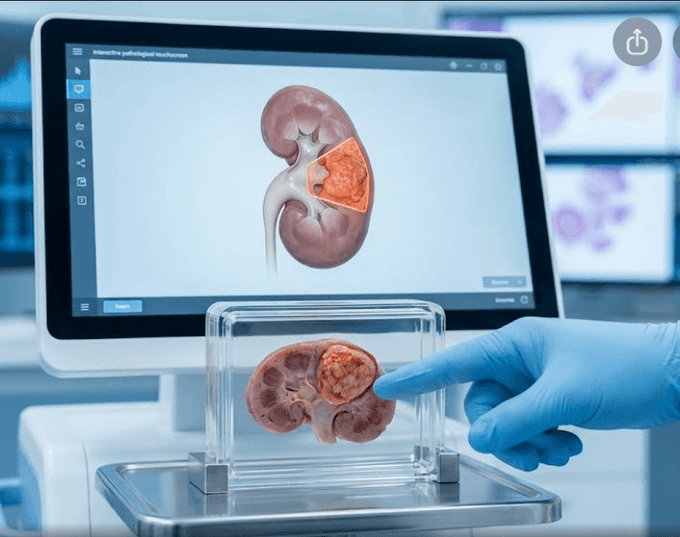
This surgery removes the part of the kidney that contains the tumor.
2. Radical Nephrectomy
This surgery removes the kidney and some nearby tissue, and may also remove nearby lymph nodes.

3. Multivisceral Resection
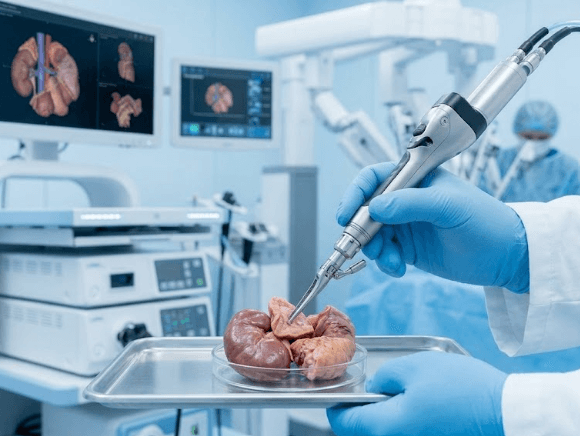
This complex surgery may remove the tumor and nearby affected organs or structures when cancer has grown into them.
4. Immunotherapy
Immunotherapy boosts the immune system so the body can recognize and destroy cancer cells more effectively.

5. Targeted Therapy
Targeted therapy blocks characteristics that help cancer cells thrive, including growth signals that feed cancer.

6. Radiation Therapy
Radiation therapy may be used when there is only one kidney or when surgery is not an option. It can also help with kidney cancer pain.
