Leukemia
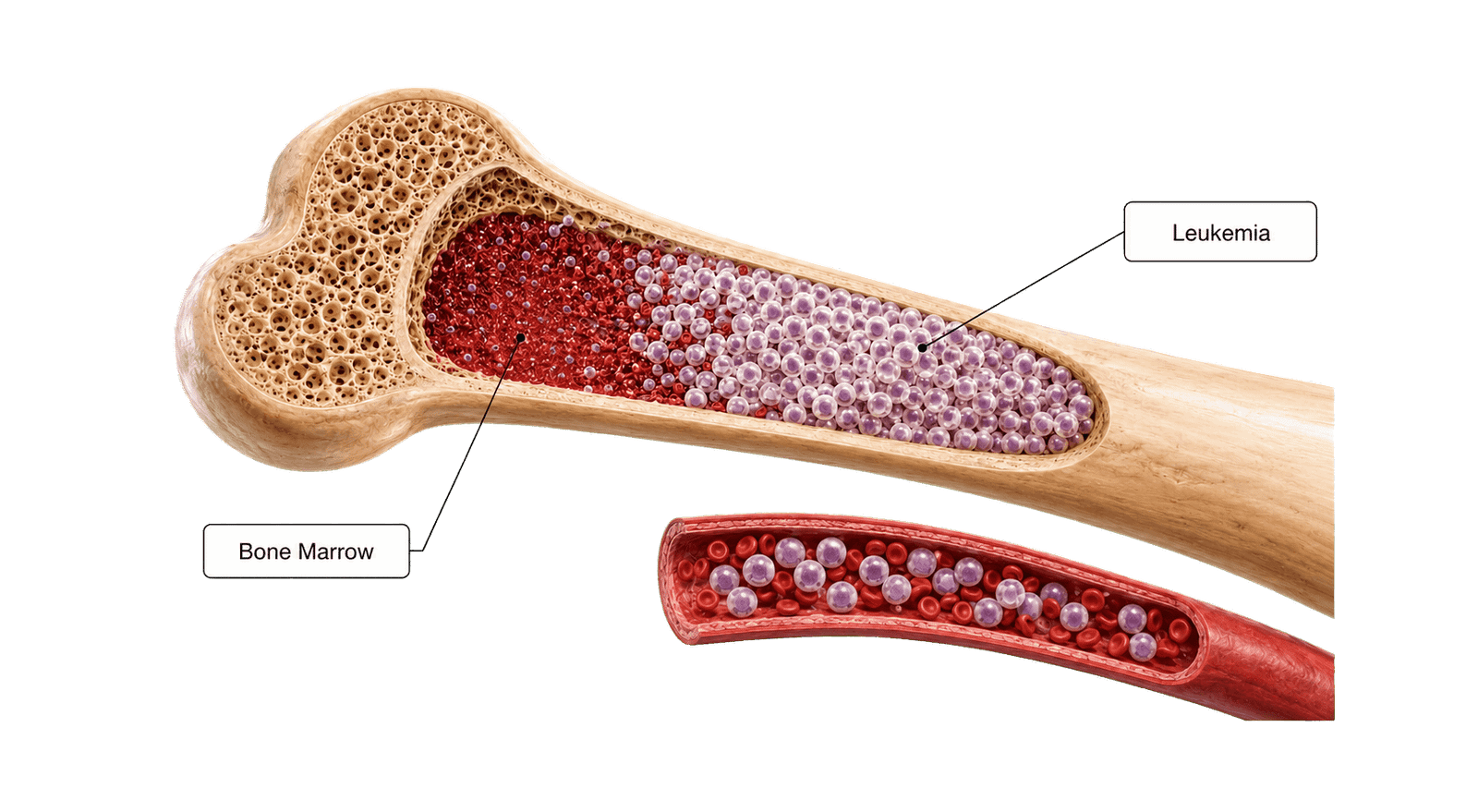
Leukemia begins when a cell in the bone marrow develops changes in its DNA and can no longer grow or function normally. Bone marrow is the soft tissue inside bones that produces blood cells and platelets, making billions of new blood cells every day.
Overview
Leukemia is a type of blood cancer that starts in the bone marrow, where blood cells are made. It develops when abnormal blood cells grow uncontrollably and interfere with the production of healthy blood cells. Leukemia can affect both adults and children and includes several different forms of the disease.
Healthcare providers classify leukemia based on how quickly it develops and the type of blood cell involved. Some forms progress rapidly and require immediate treatment, while others develop more slowly over time. Treatment and outlook vary depending on the specific leukemia type and individual circumstances.
Risk Factors
Factors We Cannot Control

Genetic Conditions
Certain inherited genetic conditions may increase the risk of developing leukemia.
Family History
Having close relatives with leukemia may increase risk for some leukemia types.
Radiation Exposure
Exposure to high levels of radiation may increase leukemia risk.
Lifestyle & Health Factors

Smoking
Smoking is associated with an increased risk of some forms of leukemia.
Chemical Exposure
Long-term exposure to certain chemicals, such as benzene, may increase risk.
Symptoms
1. Fatigue
People with leukemia often feel unusually tired or weak.

2. Frequent Infections
Abnormal white blood cells may make it harder for the body to fight infections.

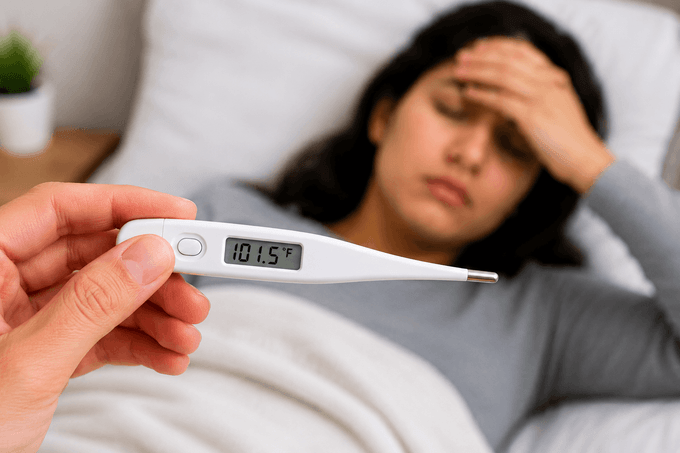
3. Fever or Chills
Persistent fever or chills may occur.
4. Bone or Joint Pain
Some people experience pain in their bones or joints.

5. Swollen Lymph Nodes
Lymph nodes may become enlarged, especially in the neck, underarm or groin.

Diagnosis
1. Physical Examination
A healthcare provider reviews symptoms and checks for signs such as enlarged lymph nodes, liver or spleen.

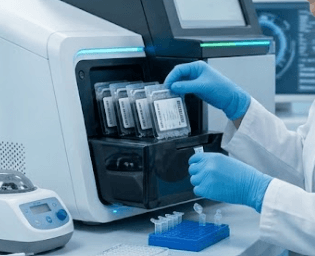
2. Blood Tests
Blood tests help identify abnormal numbers of white blood cells, red blood cells or platelets.

3. Bone Marrow Aspiration
A sample of bone marrow may be collected and examined for abnormal blood cells.

4. Bone Marrow Biopsy
A biopsy allows specialists to examine bone marrow tissue in detail.

5. Genetic Testing
Genetic and chromosome testing may help identify specific leukemia types and guide treatment decisions.
Treatments
1. Chemotherapy
Chemotherapy uses medicines to destroy leukemia cells or stop them from multiplying.

2. Targeted Therapy
Targeted therapies focus on specific features within leukemia cells.

3. Immunotherapy
Immunotherapy helps the immune system recognize and attack cancer cells.

4. Radiation Therapy
Radiation therapy may be used in certain situations to destroy leukemia cells.

5. Stem Cell Transplant
Stem cell transplantation may replace damaged bone marrow with healthy blood-forming cells.

Articles & Educational Guides
In-depth medical articles, patient perspectives, and treatment guides related to Leukemia.
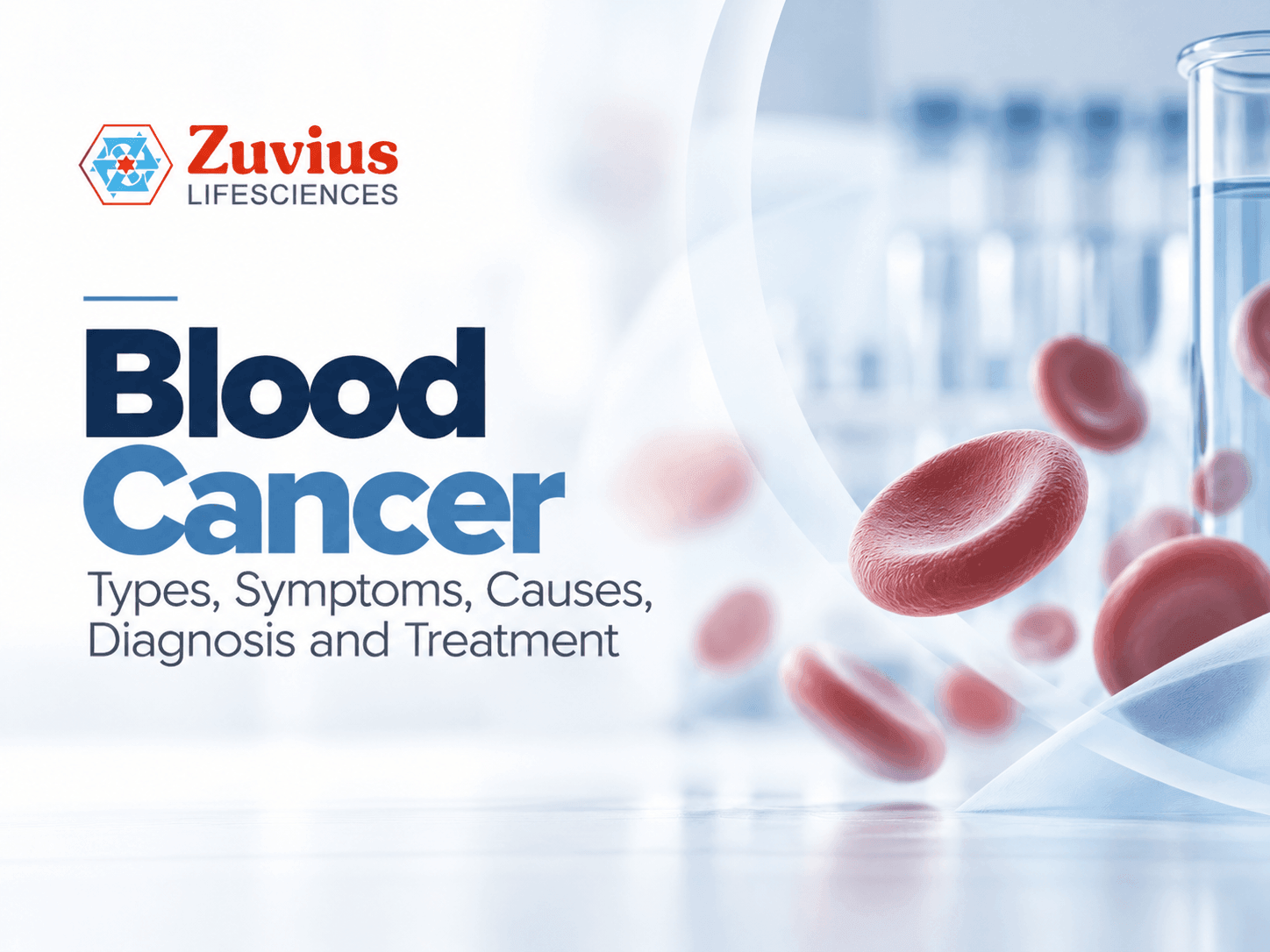
Blood Cancer: Types, Symptoms, Causes, Diagnosis and Treatment
Blood cancer can develop when genetic changes affect the way blood-forming or immune cells grow, divide and function. The three commonly recognized categories are leukemia, lymphoma and multiple myeloma.