Liver Cancer
The liver carries out more than 500 essential functions, including filtering blood, processing nutrients, and helping the body fight infections. It also produces bile and important proteins required for various bodily processes. The liver is vital for survival, and in cases of liver failure, a liver transplant may be necessary
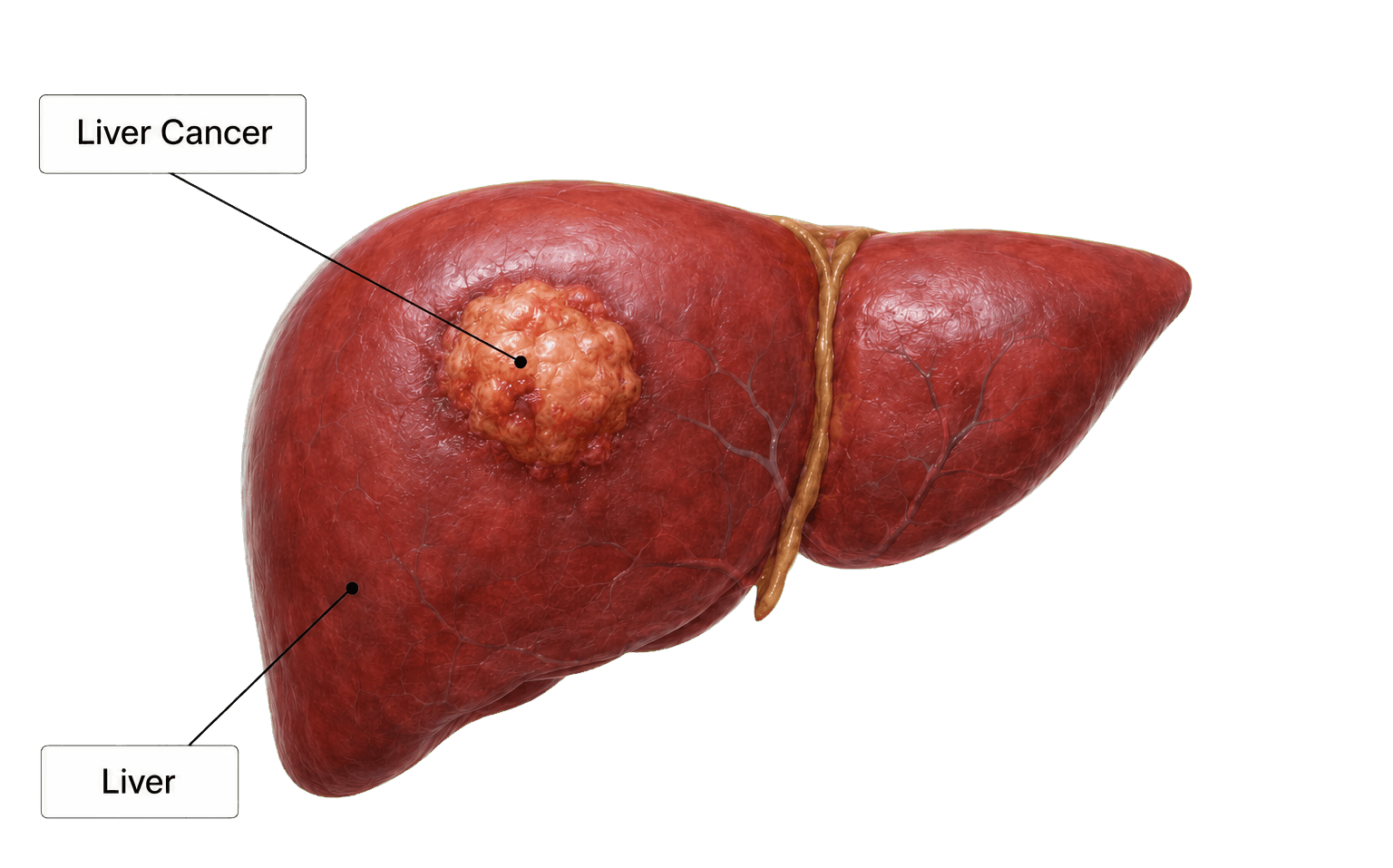
Overview
Liver cancer develops when malignant cells form within the tissues of the liver. Primary liver cancer begins in the liver itself, while secondary liver cancer starts elsewhere in the body and spreads to the liver. Primary liver cancer includes several forms, with hepatocellular carcinoma being the most common type. :contentReference[oaicite:0]{index=0}
The behavior and outlook of liver cancer depend on factors such as the type of cancer, the size of the tumor and how far it has progressed. Healthcare providers use staging to help guide treatment planning, and management may involve different medical or surgical approaches based on each person's condition. :contentReference[oaicite:1]{index=1}
Risk Factors
Factors We Cannot Control
Long-Term Hepatitis B or C Infection
Chronic hepatitis B or hepatitis C infection is the most common risk factor for liver cancer.

Metabolic Dysfunction-Associated Steatotic Liver Disease (MASLD)
People with MASLD have a higher risk of developing liver cancer.

Type 2 Diabetes
Type 2 diabetes is associated with an increased risk of liver cancer.
Lifestyle & Health Factors

Heavy Alcohol Use
Long-term heavy alcohol consumption can damage the liver and increase liver cancer risk.

Obesity
Obesity increases the chance of developing liver cancer, particularly when associated with fatty liver disease.

Tobacco Use
Smoking or using tobacco products can increase the risk of liver cancer.
Symptoms
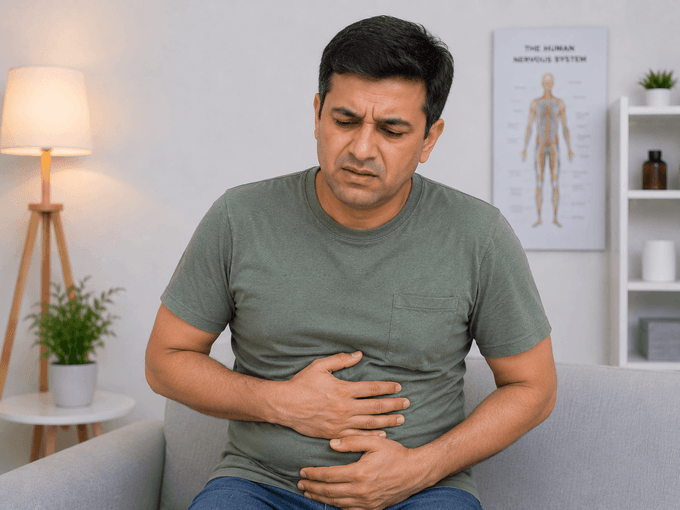
1. Upper Right Abdominal Pain
Pain or discomfort in the upper right side of the abdomen may occur.

2. Abdominal Swelling
The abdomen may become swollen because of fluid buildup or an enlarged liver.
3. Loss of Appetite
Many people lose interest in eating or feel full quickly.

4. Unexplained Weight Loss
Weight loss without trying may be a warning sign.

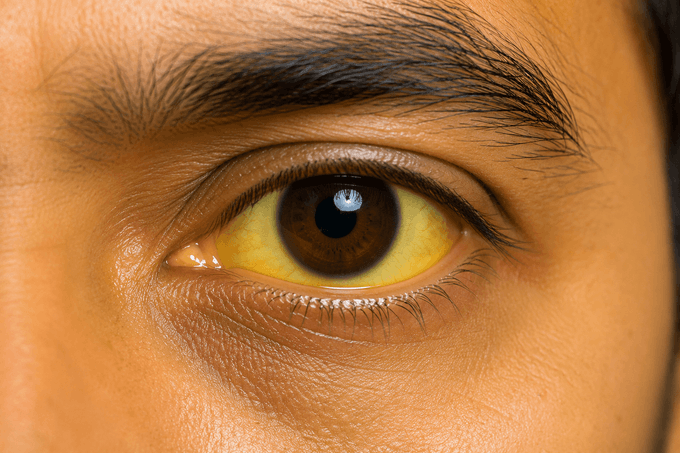
5. Jaundice
Yellowing of the skin and eyes may develop when the liver is not working properly.
6. Fatigue
Persistent tiredness or weakness is common.

Diagnosis
1. Physical Examination
A healthcare provider reviews symptoms, medical history and performs a physical examination.

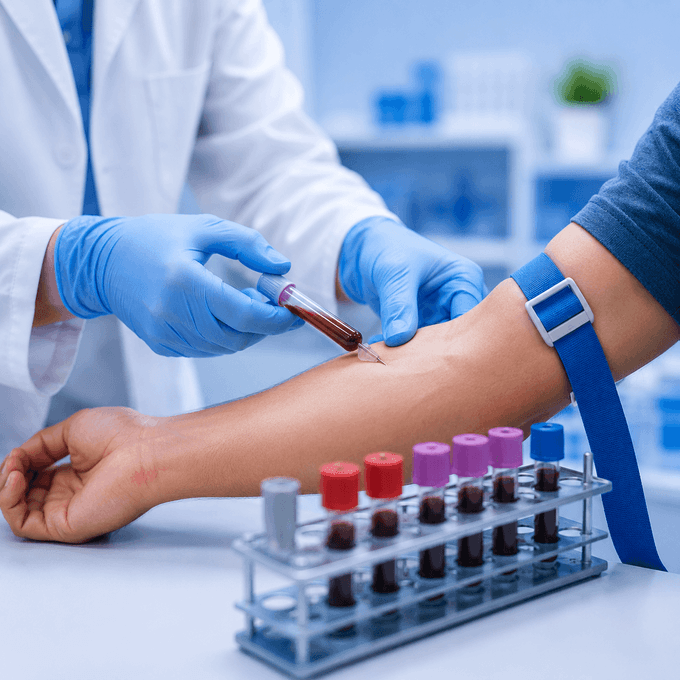
2. Blood Tests
Blood tests, including liver function tests, help evaluate liver health and look for signs of cancer.
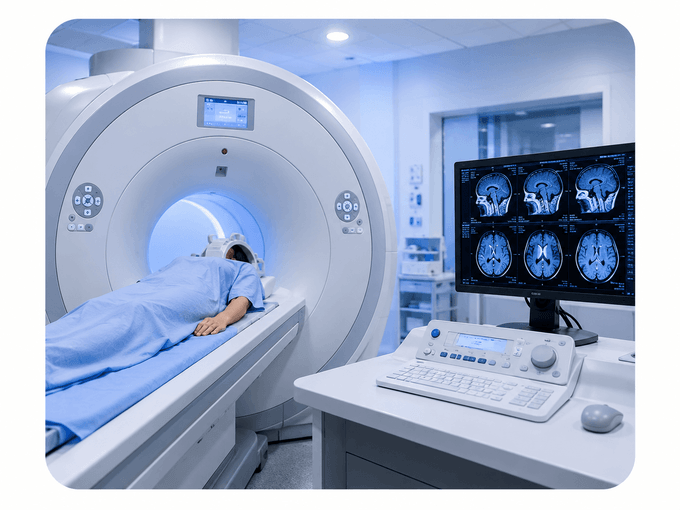
3. CT Scan
CT scans provide detailed images to determine the size and location of liver tumors.
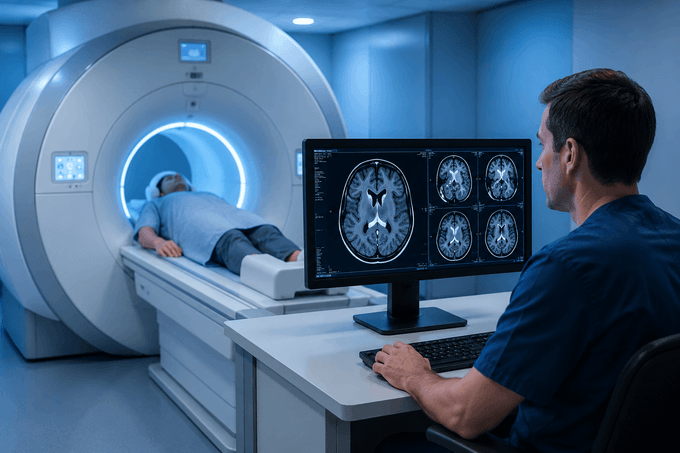
4. MRI Scan
MRI produces detailed images that help evaluate liver tumors.
5. Liver Biopsy
A biopsy removes a small tissue sample to confirm whether liver cancer is present.

Treatments
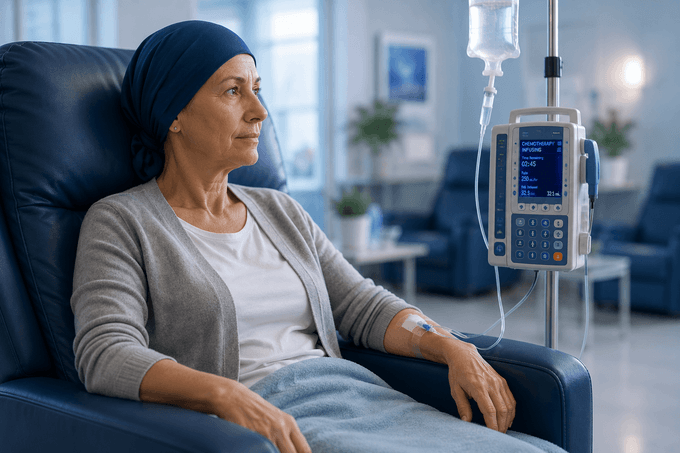
1. Chemotherapy
Chemotherapy uses medicines to destroy or slow the growth of cancer cells.

2. Immunotherapy
Immunotherapy helps the body's immune system recognize and attack cancer cells.

3. Targeted Therapy
Targeted therapy attacks specific molecules that help liver cancer cells grow.

4. Radiation Therapy
Radiation therapy uses high-energy beams to destroy cancer cells.

5. Chemoembolization
Chemoembolization delivers chemotherapy directly into the blood vessels feeding the tumor while reducing its blood supply.
6. Liver Transplantation
A liver transplant removes the diseased liver and replaces it with a healthy donor liver in selected patients.

Articles & Educational Guides
In-depth medical articles, patient perspectives, and treatment guides related to Liver Cancer.
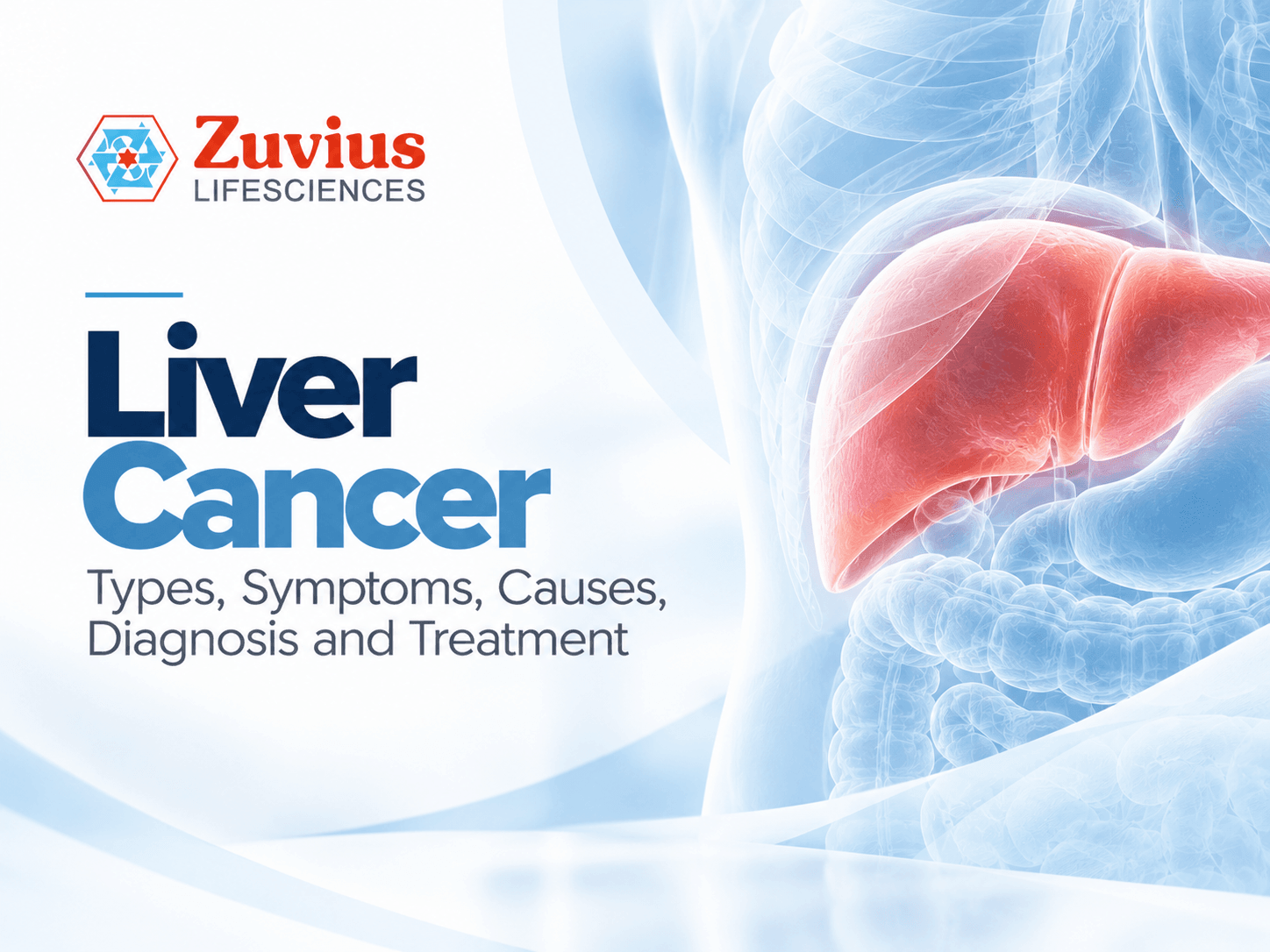
Liver Cancer: Types, Symptoms, Causes, Diagnosis and Treatment
Liver cancer begins when changes occur in the DNA of liver cells. Hepatocellular carcinoma is the most common primary liver cancer, alongside intrahepatic cholangiocarcinoma and hepatoblastoma.