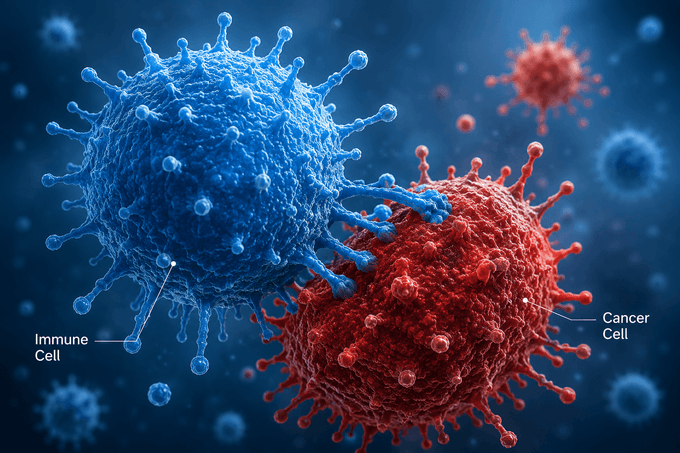
Lung Cancer
The lungs are two vital organs of the respiratory system that enable the exchange of gases within the body. They provide oxygen to the bloodstream and remove carbon dioxide through the breathing process.
Overview
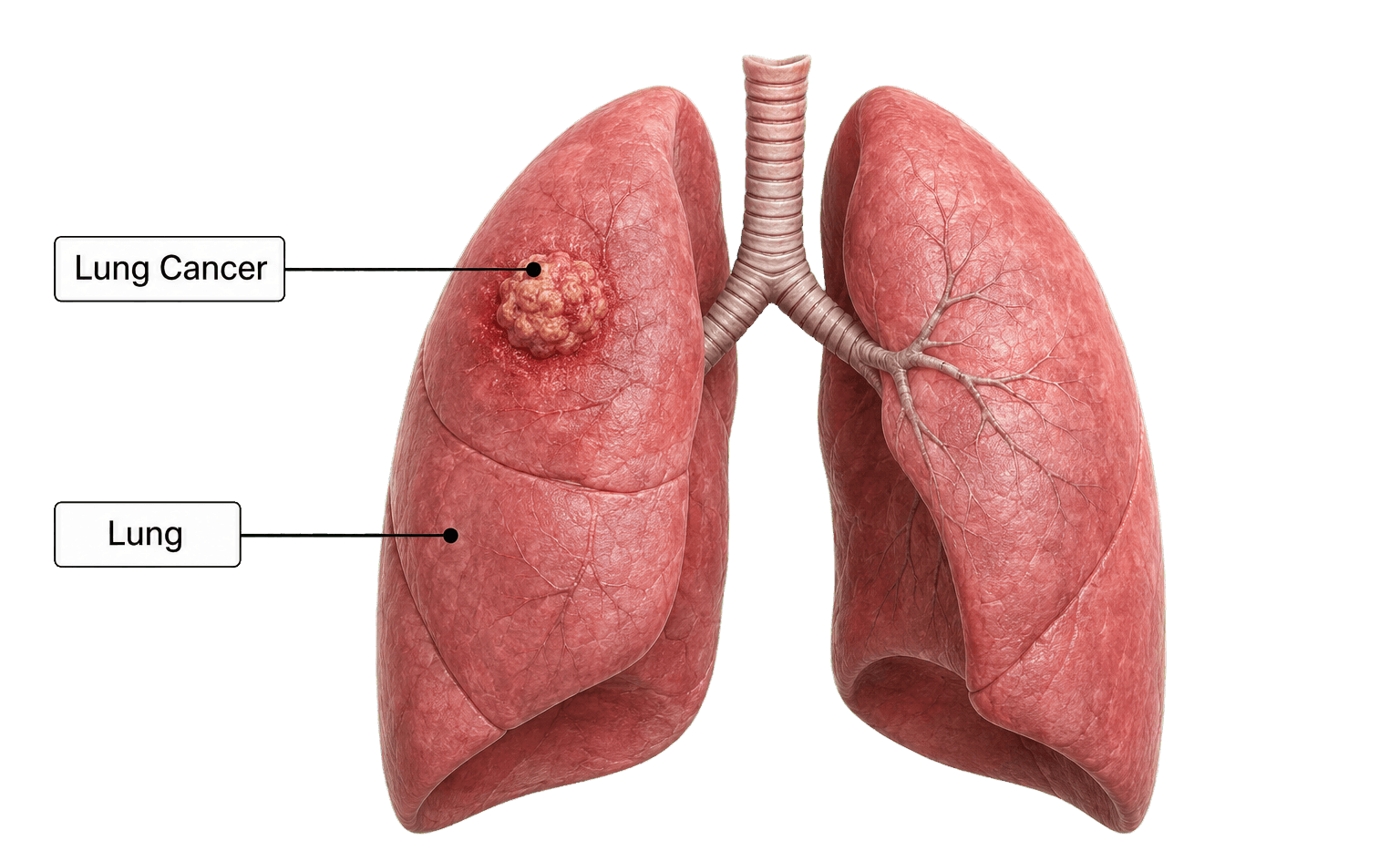
Lung cancer develops when abnormal cells in the tissues of the lungs grow uncontrollably and form tumors. It most commonly begins in the airways (bronchi or bronchioles) or in the tiny air sacs called alveoli. If left untreated, the cancer can spread to nearby tissues and other parts of the body.
Many people do not notice symptoms until lung cancer has reached a more advanced stage, making early detection especially important for those at higher risk. The type of lung cancer, its location and how far it has spread help guide treatment decisions and influence overall outcomes.
Risk Factors
Factors We Cannot Control
Family History
Having a family history of lung cancer may increase the risk of developing the disease.
Previous Chest Radiation
Radiation therapy to the chest for another condition may increase the risk of lung cancer later in life.
Lifestyle & Health Factors

Smoking
Smoking cigarettes, cigars or pipes is the leading risk factor for lung cancer.
Secondhand Smoke
Regular exposure to tobacco smoke from other people also increases the risk.
Harmful Substance Exposure
Exposure to radon, asbestos, uranium, diesel exhaust, silica, coal products and air toxins can increase the risk of lung cancer.
Symptoms
1. Persistent Cough
A cough that does not go away or gradually becomes worse.
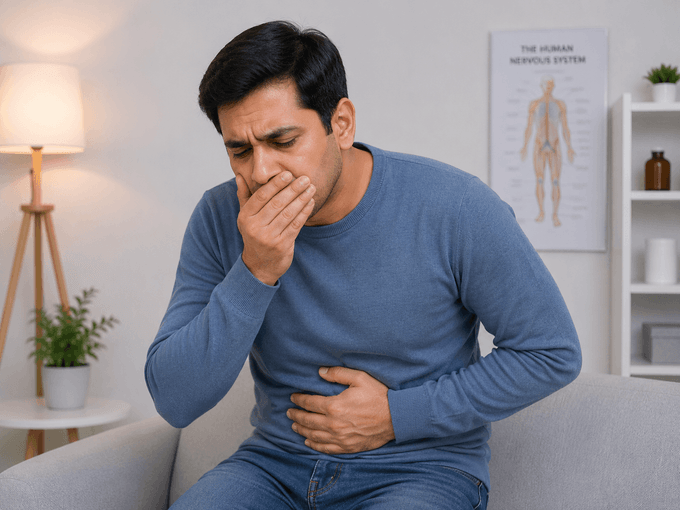
2. Chest Pain
Persistent pain or discomfort in the chest.

3. Coughing Up Blood
Blood in the sputum should always be evaluated by a healthcare provider.

4. Loss of Appetite
Reduced desire to eat without another clear cause.

5. Unexplained Weight Loss
Weight loss that occurs without changes in diet or exercise.

6. Fatigue
Persistent tiredness or lack of energy that does not improve with rest.

Diagnosis
1. Physical Examination
A healthcare provider reviews symptoms, medical history and performs a physical examination.

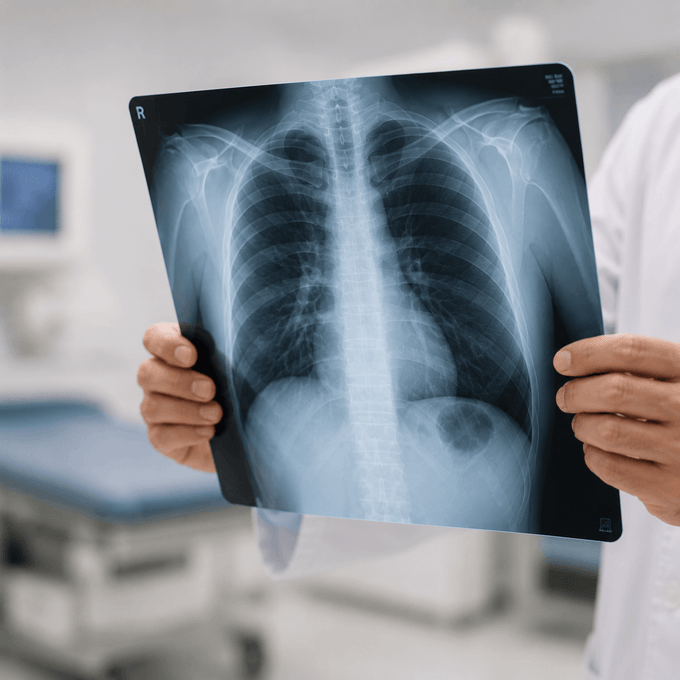
2. Chest X-ray
A chest X-ray may identify abnormal areas that require further evaluation.
3. CT Scan
CT scans provide detailed images of the lungs and help evaluate suspicious abnormalities.
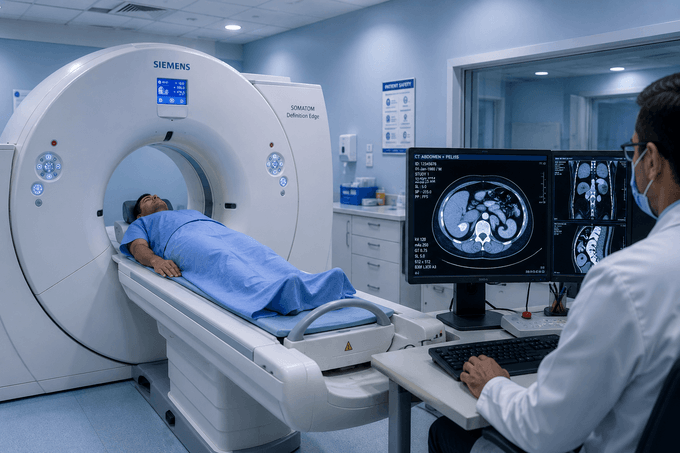
4. PET/CT Scan
A PET/CT scan helps determine whether cancer has spread to other parts of the body.

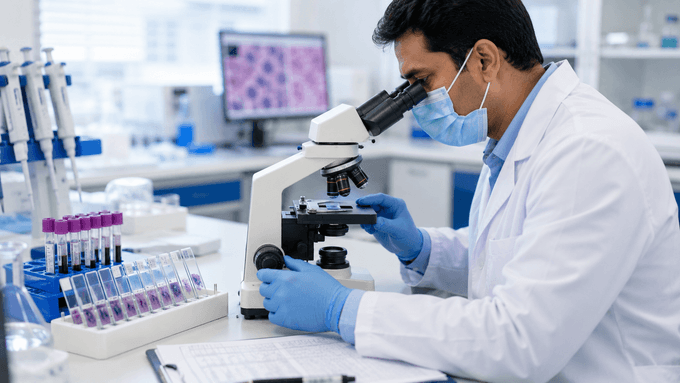
5. Bronchoscopy or Biopsy
A tissue sample may be collected through bronchoscopy, a needle biopsy or surgery to confirm the diagnosis.
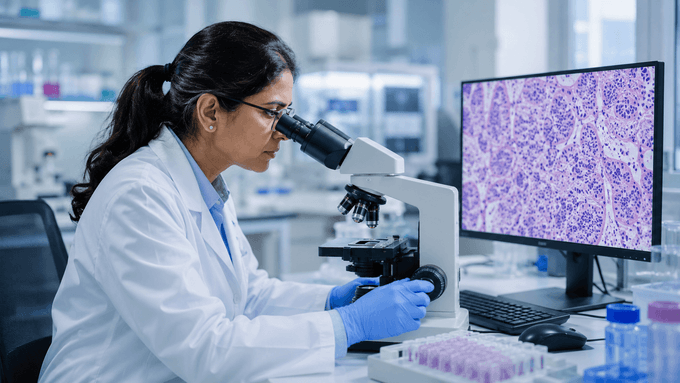
6. Molecular Testing
Cancer cells may be tested for genetic changes that can help guide targeted treatment.
Treatments
1. Surgery
Surgery removes the tumor or part of the lung when the cancer has not spread extensively.

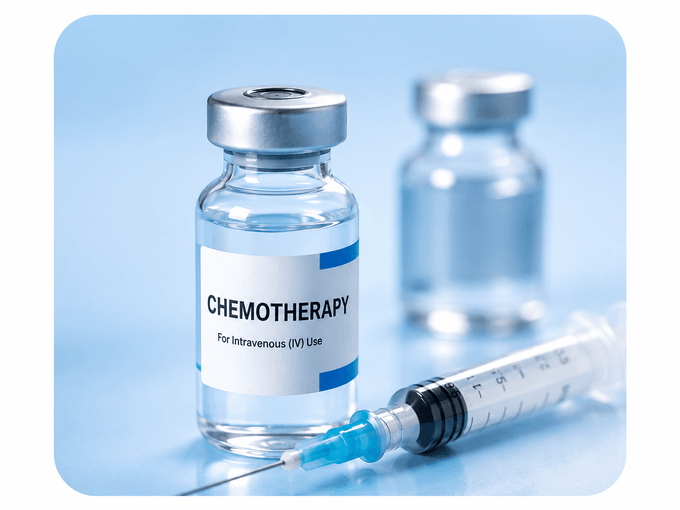
2. Chemotherapy
Chemotherapy uses medicines to destroy cancer cells or slow their growth.
3. Radiation Therapy
Radiation therapy uses high-energy beams to destroy cancer cells.

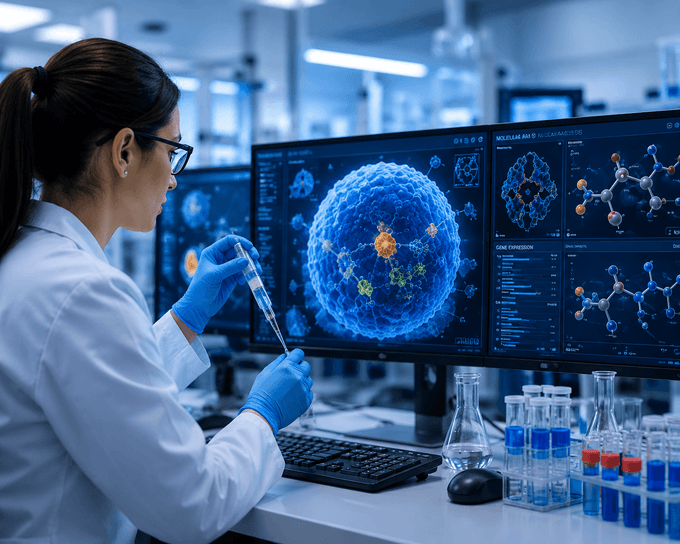
4. Targeted Therapy
Targeted therapy attacks cancer cells with specific genetic changes that help them grow.
5. Angiogenesis Inhibitors
These medicines help stop tumors from forming the blood vessels they need to grow.

6. Immunotherapy
Immunotherapy helps the body's immune system recognize and attack cancer cells.