Lymphoma
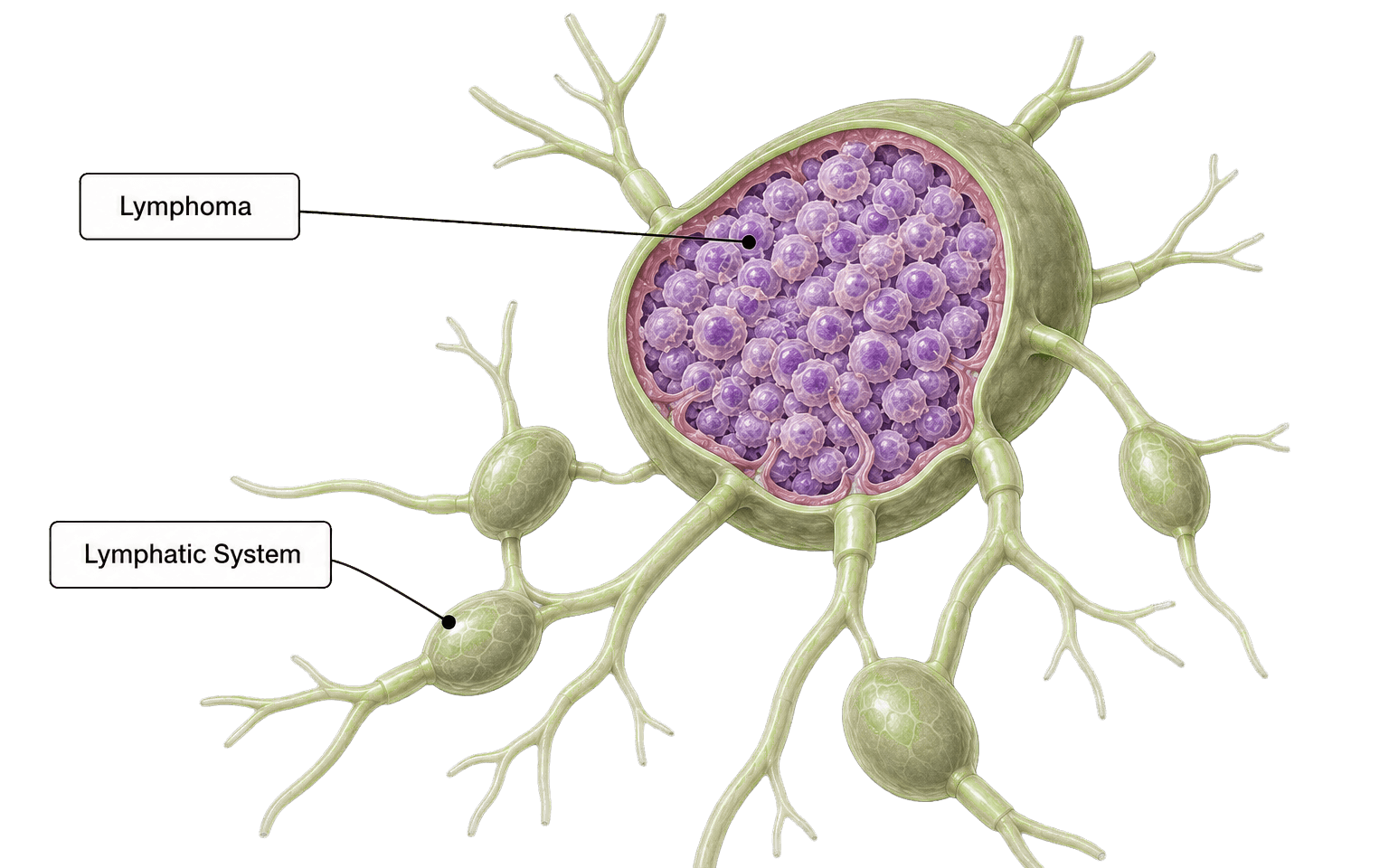
Lymphoma is a group of blood cancers that develops in the lymphatic system. The lymphatic system is a network of organs, vessels, and tissues that helps protect the body from infection, maintain healthy fluid balance, and produce lymphocytes, a type of white blood cell that helps defend the body against harmful invaders.
Overview
Lymphoma is a type of blood cancer that begins in lymphocytes, a kind of white blood cell that helps protect your body from infection. It develops when these cells grow and multiply uncontrollably within the lymphatic system.
The two main types of lymphoma are Hodgkin lymphoma and non-Hodgkin lymphoma. While they share some symptoms, they differ in how they develop and are treated. Advances in chemotherapy, immunotherapy and targeted therapy have significantly improved outcomes for many people with lymphoma.
Risk Factors
Factors We Cannot Control

Age
The risk of certain types of lymphoma increases with age, although some forms are more common in younger people.

Weakened Immune System
People with weakened immune systems have a higher risk of developing lymphoma.

Family History
Having a close relative with lymphoma slightly increases the risk.
Lifestyle & Health Factors

Obesity
Obesity may increase the risk of developing certain types of lymphoma.

Chemical Exposure
Long-term exposure to certain pesticides, herbicides or industrial chemicals may increase lymphoma risk.
Symptoms
1. Swollen Lymph Nodes
Painless swelling in the neck, armpits or groin is the most common symptom.

2. Persistent Fever
Recurring or unexplained fever may occur without an obvious infection.

3. Unexplained Weight Loss
Losing weight without trying may indicate lymphoma.

4. Fatigue
Persistent tiredness that doesn't improve with rest is common.

5. Itchy Skin
Some people develop persistent itching without a visible rash.

Diagnosis
1. Physical Examination
The healthcare provider checks for enlarged lymph nodes and other signs of lymphoma.

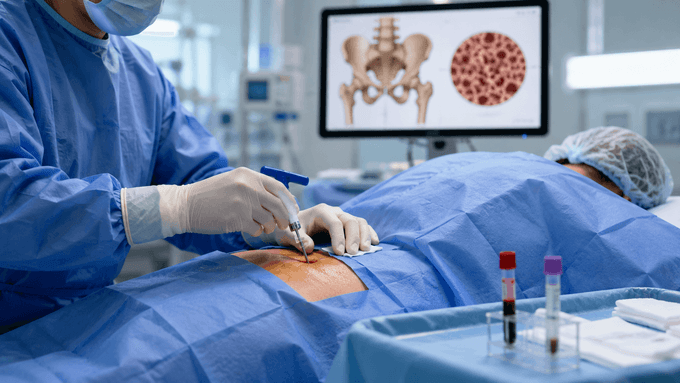
2. Lymph Node Biopsy
Removing part or all of a lymph node is the most accurate way to diagnose lymphoma.

3. Blood Tests
Blood tests evaluate overall health and help identify abnormalities related to lymphoma.

4. PET-CT or CT Scan
Imaging scans determine the location, size and spread of lymphoma.

5. Bone Marrow Biopsy
A bone marrow biopsy checks whether lymphoma has spread to the bone marrow.
Treatments
1. Chemotherapy
Chemotherapy is one of the most common treatments used to destroy lymphoma cells.

2. Immunotherapy
Immunotherapy helps the body's immune system recognize and attack lymphoma cells.

3. Targeted Therapy
Targeted drugs attack specific molecules involved in lymphoma growth while limiting damage to healthy cells.

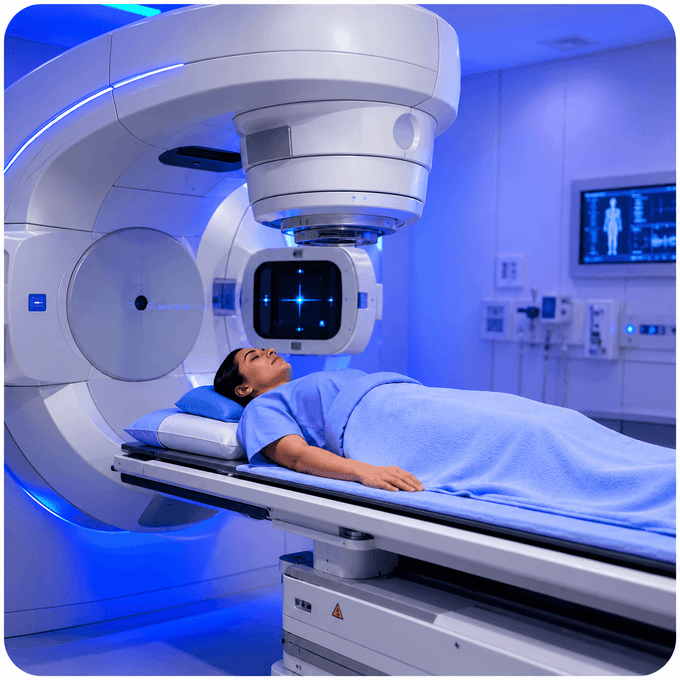
4. Radiation Therapy
Radiation therapy may be used alone for localized disease or combined with other treatments.
5. Stem Cell Transplant
A stem cell transplant may be recommended for recurrent or aggressive lymphoma after intensive treatment.

Articles & Educational Guides
In-depth medical articles, patient perspectives, and treatment guides related to Lymphoma.

Blood Cancer: Types, Symptoms, Causes, Diagnosis and Treatment
Blood cancer can develop when genetic changes affect the way blood-forming or immune cells grow, divide and function. The three commonly recognized categories are leukemia, lymphoma and multiple myeloma.