Male Breast Cancer
The male breast contains undeveloped milk ducts and breast tissue. Although men have much less breast tissue than women, these tissues can still develop breast cancer.

Overview
Male breast cancer is a rare cancer that develops in the breast tissue of men. It most commonly begins in the milk ducts within the breast and, if left untreated, can spread to nearby tissues and other parts of the body. The majority of cases are invasive ductal carcinoma, although other less common types can also occur.
Because male breast cancer is uncommon, breast lumps or other changes may sometimes be overlooked, leading to diagnosis at a more advanced stage. The outlook depends on the cancer type, stage and how far it has spread, making early medical evaluation of any suspicious breast changes especially important.
Risk Factors
Factors We Cannot Control

Older Age
Male breast cancer is diagnosed most often in men in their 60s.
Family History
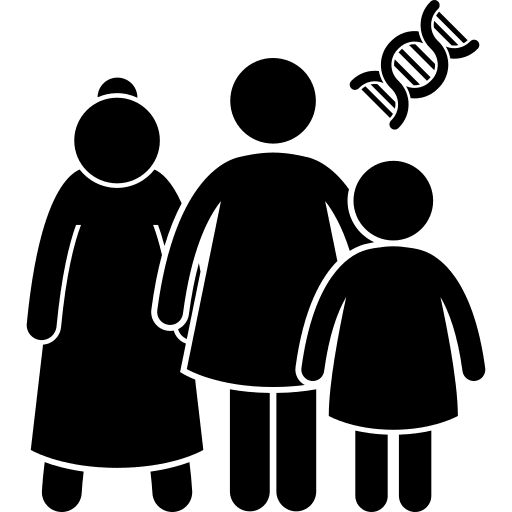
Having a parent, sibling or child with breast or ovarian cancer increases the risk.

Inherited Gene Mutations
Inherited mutations, especially BRCA2 and BRCA1, can significantly increase the risk of male breast cancer.

Testicular Conditions
Undescended testicles, orchitis, testicular injury or removal of a testicle may increase risk.
Lifestyle & Health Factors
Previous Chest Radiation
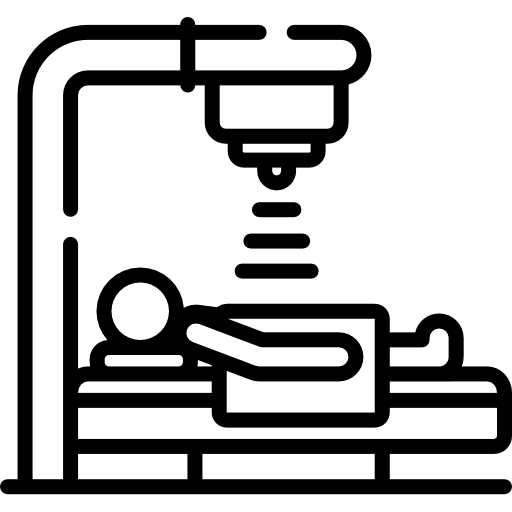
Radiation therapy directed to the chest can increase the chance of developing male breast cancer.

Alcohol Use
Alcohol use may increase estrogen levels, which can contribute to breast cancer risk.

Obesity
Obesity can increase estrogen levels in the body and raise the risk of male breast cancer.
Symptoms
1. Breast Lump
A firm, painless lump in one breast is often the first sign of male breast cancer.

2. Underarm Lump
A lump in the armpit may indicate that nearby lymph nodes are affected.

3. Skin Changes
The skin on the breast may become dimpled, pitted, red, flaky or scaly.

4. Nipple Changes
The nipple may turn inward or produce clear or bloody discharge.

5. Breast Pain or Tenderness
Pain or tenderness in the breast or underarm may occur.

Diagnosis
1. Breast Examination
A healthcare provider examines the breast for lumps, skin changes and other abnormalities.

2. Mammogram
A mammogram helps identify suspicious changes within the breast tissue.

3. Ultrasound
Ultrasound may be used before or after a mammogram to evaluate the breast lump further.

4. Biopsy
A biopsy removes a small sample of breast tissue to confirm whether cancer cells are present.

5. Hormone & HER2 Testing
Cancer cells may be tested for hormone receptors and HER2 protein to help guide treatment decisions.

Treatments
1. Surgery
Surgery, most commonly a mastectomy, is the primary treatment for early-stage male breast cancer.

2. Radiation Therapy
Radiation therapy uses high-energy beams to destroy remaining cancer cells after surgery or reduce recurrence.

3. Chemotherapy
Chemotherapy uses medicines to destroy cancer cells throughout the body.

4. Hormone Therapy
Hormone therapy blocks or lowers estrogen levels to slow the growth of hormone receptor-positive cancers.

5. Targeted Therapy
Targeted therapy interferes with specific proteins or genetic changes that help cancer cells grow.
