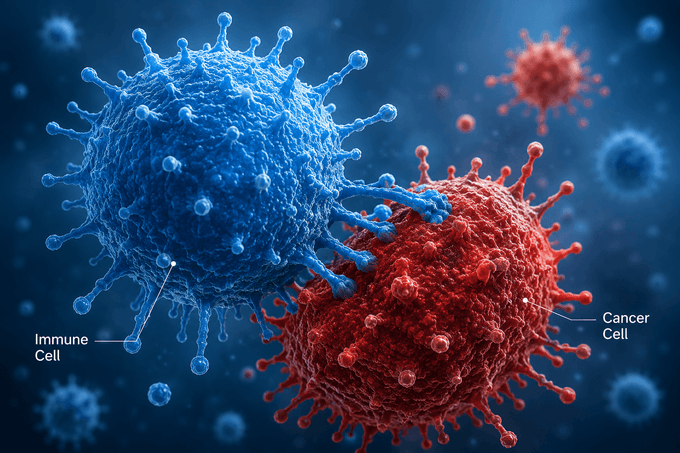
Melanoma
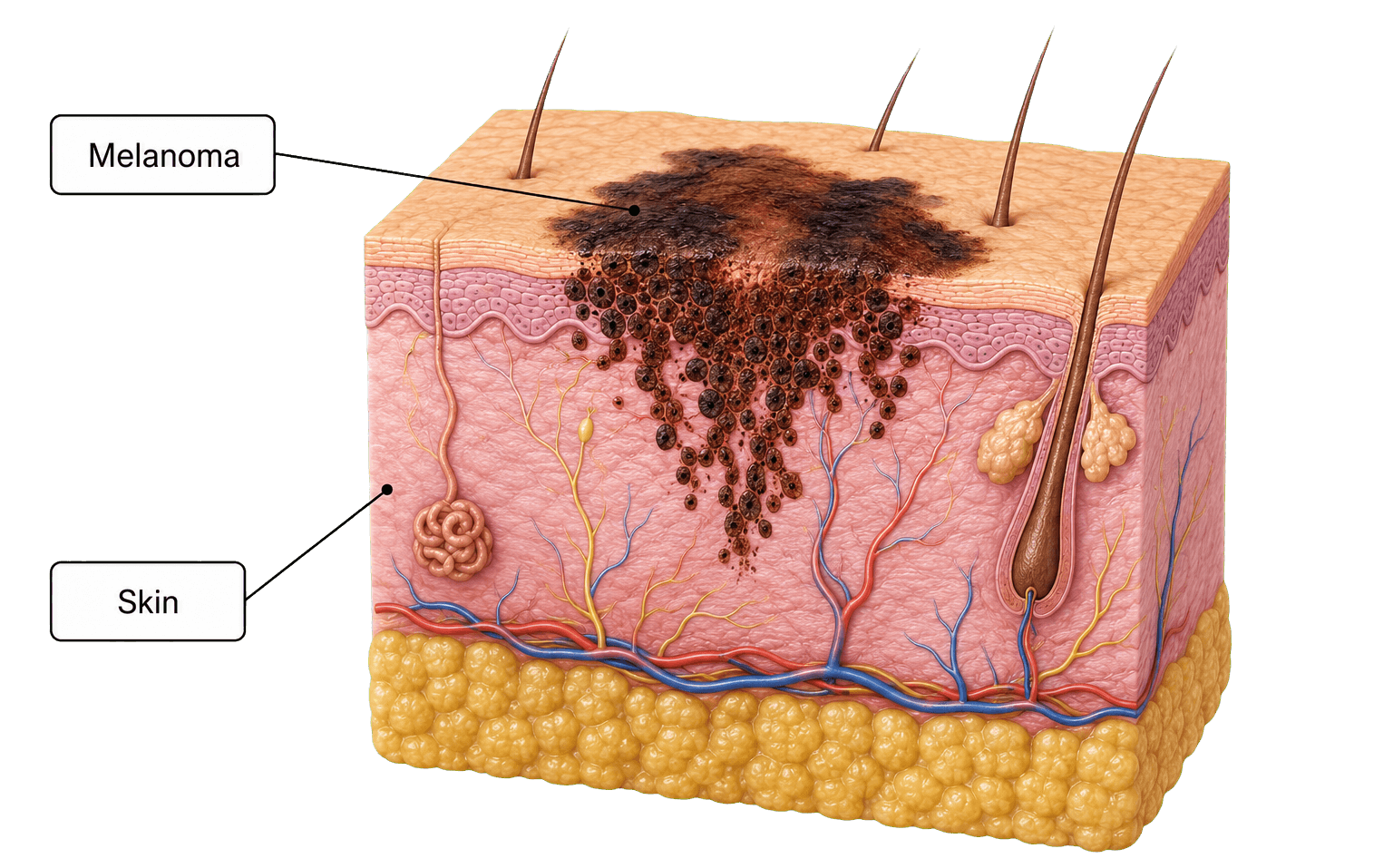
Melanoma is an invasive form of skin cancer with a high risk of death. The skin is the body's largest organ, serving as a protective barrier against germs while helping regulate body temperature and allowing the sense of touch. It is composed of three main layers: the epidermis, dermis, and hypodermis
Overview
Melanoma is the most serious type of skin cancer. It develops in melanocytes, the skin cells that produce melanin, and can grow rapidly if left untreated. While some melanomas begin in existing moles, many develop on normal-looking skin and have the potential to spread to other parts of the body.
Melanoma can occur anywhere on the body, including areas not regularly exposed to the sun. Because it can spread quickly, recognizing suspicious skin changes and seeking prompt medical evaluation are important. When detected and treated in its earliest stages, melanoma has an excellent chance of being cured.
Risk Factors
Factors We Cannot Control
Fair Skin
People with fair skin, freckles, blonde or red hair and blue eyes have a higher risk of melanoma.
Family or Personal History
Having a personal or family history of melanoma increases the likelihood of developing the disease.

Many or Atypical Moles
Having numerous moles or unusual-looking moles increases melanoma risk.

Weakened Immune System
A weakened immune system may make it more difficult for the body to prevent melanoma from developing.
Lifestyle & Health Factors
Excess Sun Exposure
Long-term exposure to ultraviolet (UV) radiation, especially severe sunburns during childhood, increases melanoma risk.
Tanning Beds
Using tanning beds exposes the skin to UV radiation and significantly increases the risk of melanoma.
Symptoms
1. Asymmetrical Mole
One half of the mole or skin spot looks different from the other half.
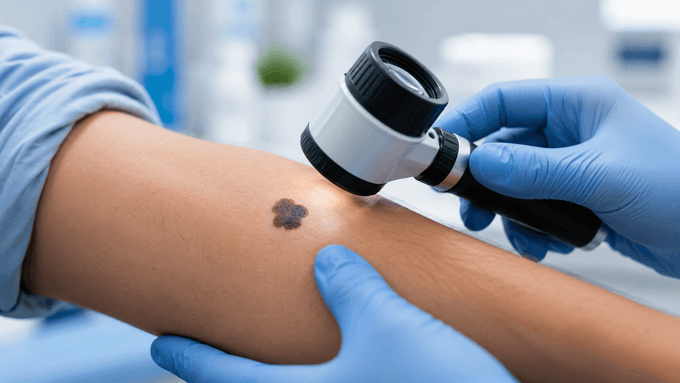
2. Irregular Border
The edges of the mole are uneven, ragged or poorly defined.
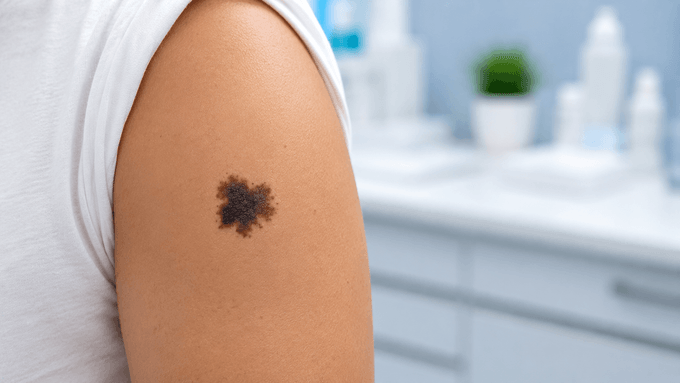
3. Uneven Color
The spot contains multiple shades such as brown, black, gray, red, white or blue.
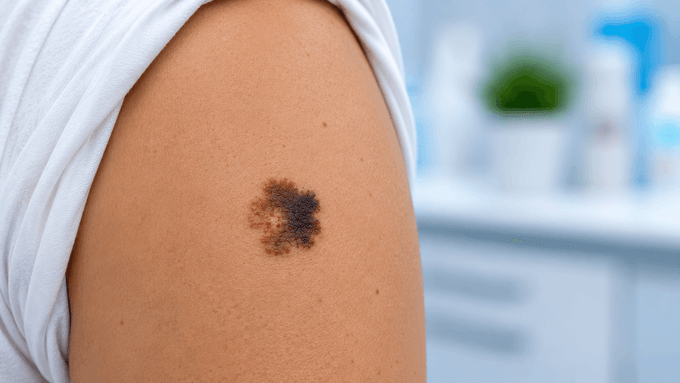
4. Large Diameter
The spot is larger than about 6 millimeters, although melanomas can sometimes be smaller.
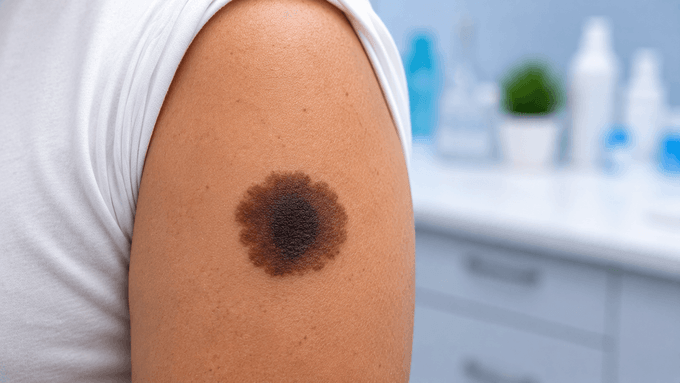
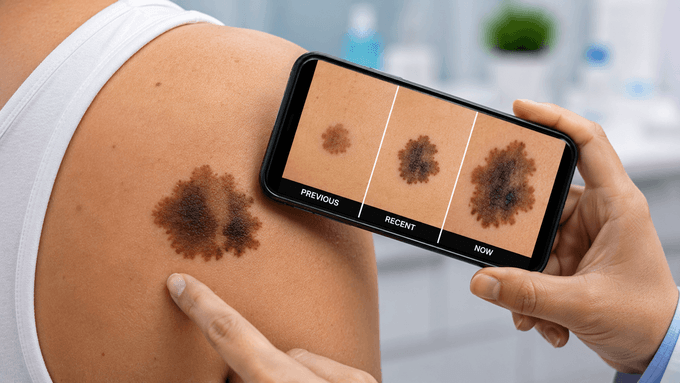
5. Changing Appearance
A mole or skin lesion that changes in size, shape or color should be evaluated.
Diagnosis
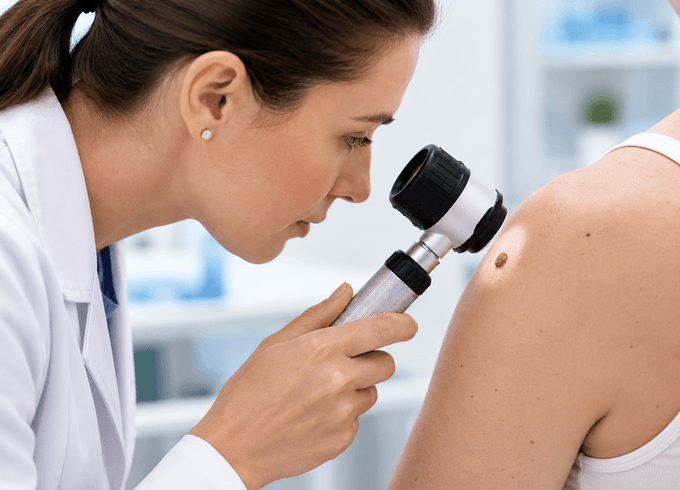
1. Skin Examination
A healthcare provider examines the skin and suspicious moles for signs of melanoma.
2. Skin Biopsy
A biopsy removes all or part of the suspicious skin lesion so it can be examined under a microscope.

3. Sentinel Lymph Node Biopsy
This test helps determine whether melanoma has spread to nearby lymph nodes in certain patients.

4. CT Scan
CT scans may be used to check whether melanoma has spread to internal organs.
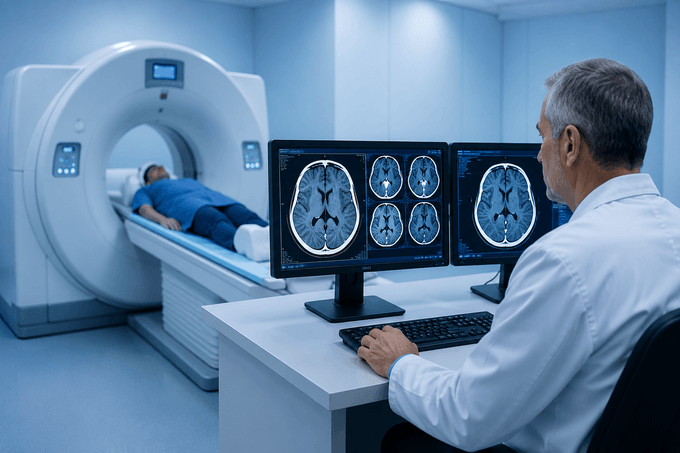
5. MRI Scan
MRI may be used to look for melanoma in the brain or spinal cord.

6. PET Scan
PET scans help identify melanoma that has spread to lymph nodes or other distant parts of the body.

Treatments
1. Surgery
Surgery is the main treatment for melanoma and removes the cancer along with a margin of healthy skin.

2. Lymph Node Surgery
Nearby lymph nodes may be removed if melanoma has spread to them.

3. Targeted Therapy
Targeted therapy uses medicines that attack specific cancer cells while limiting damage to healthy cells.

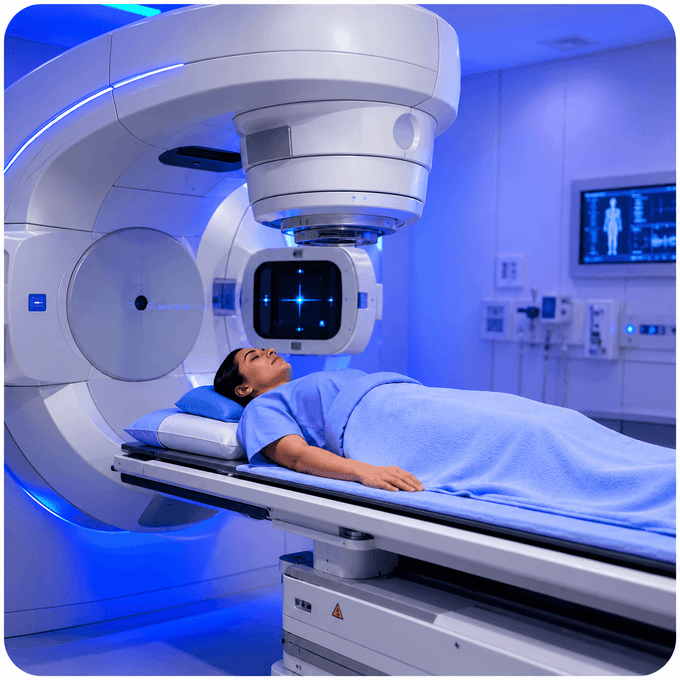
4. Radiation Therapy
Radiation therapy uses high-energy beams to destroy cancer cells or shrink tumors.
5. Immunotherapy
Immunotherapy strengthens the body's immune system to recognize and attack melanoma cells.