Mesothelioma
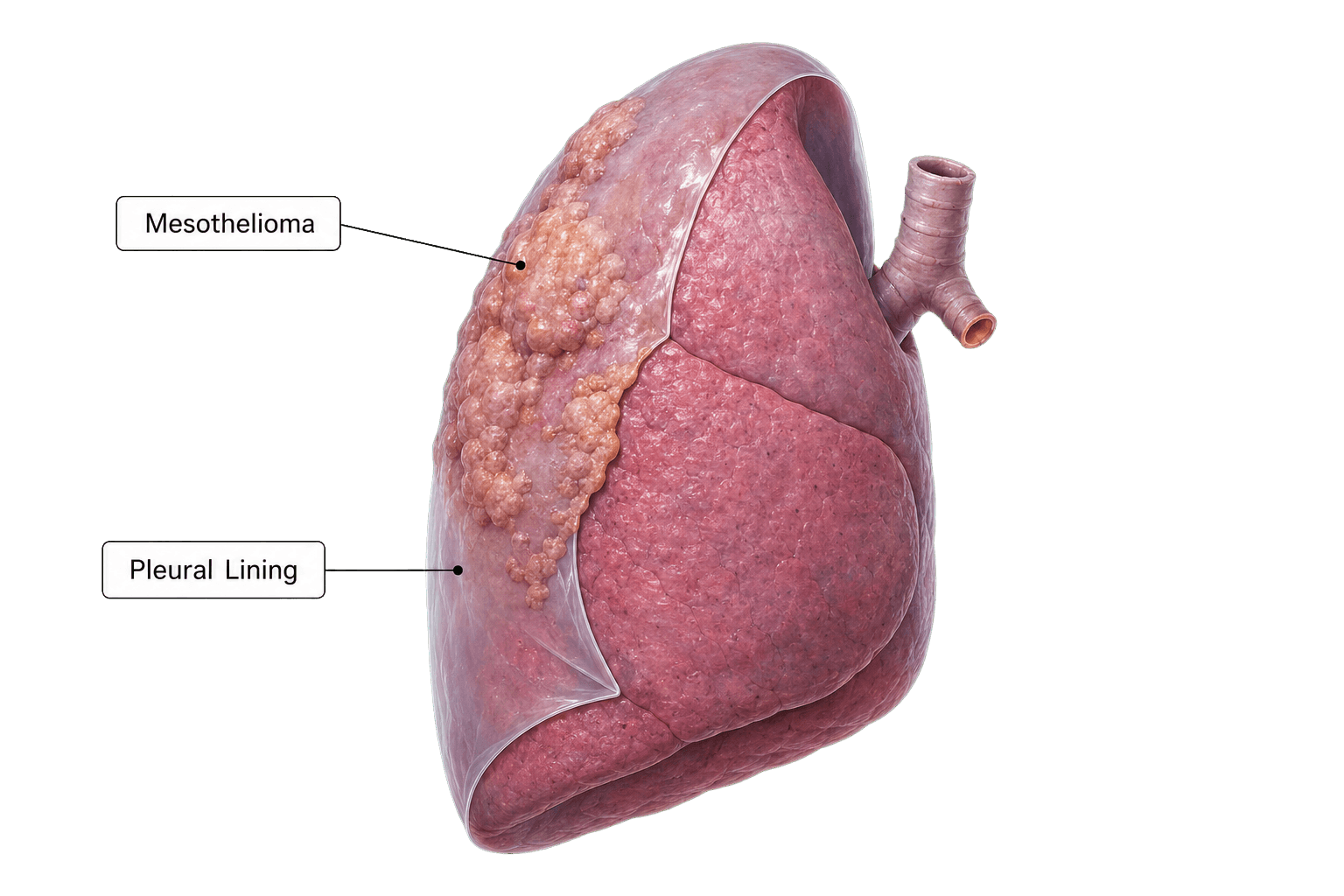
Mesothelioma is a rare cancer that begins in the mesothelium, a tissue that forms the protective lining around certain organs. It most commonly affects the lining around the lungs but can also develop in the lining around the abdomen, heart, or testicles.
Overview
Mesothelioma is a rare cancer that develops in the mesothelium, the protective lining around certain internal organs. It most commonly begins in the pleura, the lining around the lungs, but it can also develop in the lining of the abdomen, around the heart or around the testicles. The disease often forms multiple tumors that may spread across the affected lining.
Mesothelioma is classified according to where it develops and by the characteristics of its cancer cells. Because it is uncommon and symptoms can resemble those of other conditions, diagnosis may be delayed. Treatment and outlook depend on the type of mesothelioma, its location and how far the cancer has spread. :contentReference[oaicite:0]{index=0}
Risk Factors
Factors We Cannot Control

Male Sex
Mesothelioma occurs more often in males than females.

Inherited Gene Changes
Certain inherited changes, such as BAP1 gene mutations, may increase the risk of mesothelioma.
Lifestyle & Health Factors
Asbestos Exposure
Exposure to asbestos is the most common cause of mesothelioma. The disease may develop decades after exposure.

Radiation Exposure
Previous radiation treatment or occupational radiation exposure may increase the risk.
Symptoms
1. Persistent Cough
A cough that continues or worsens over time may occur.

2. Chest or Abdominal Pain
Pain depends on where the mesothelioma develops.

3. Fatigue
Persistent tiredness or lack of energy is common.

4. Unexplained Weight Loss
Weight loss without trying may occur as the disease progresses.

5. Digestive Symptoms
Loss of appetite, nausea, vomiting or diarrhea may occur in abdominal mesothelioma.

6. Scrotal Swelling or Lump
Mesothelioma involving the lining around the testicles may cause swelling, pain or a lump.

Diagnosis
1. Physical Examination
A healthcare provider reviews symptoms, medical history and possible asbestos exposure.

2. Blood Tests
Blood tests may be performed as part of the evaluation.

3. Imaging Tests
Chest X-rays, CT scans and other imaging tests help identify tumors and affected areas.
4. PET Scan
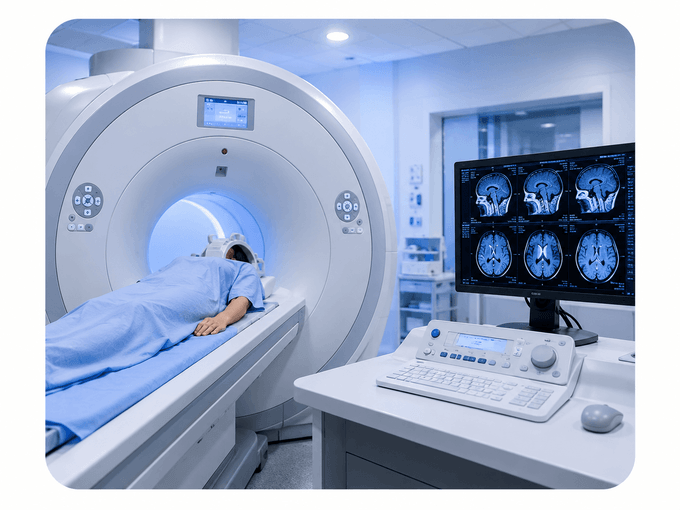
PET scans help determine whether mesothelioma has spread to other parts of the body.

5. Fluid Analysis
Fluid may be removed from around the lungs or abdomen and examined for cancer cells.

6. Biopsy
A biopsy confirms the diagnosis by examining tissue under a microscope.

Treatments
1. Surgery
Different surgical procedures may remove tumors or affected tissue depending on the type and location of mesothelioma.

2. Chemotherapy
Chemotherapy uses medicines to destroy cancer cells throughout the body.

3. Immunotherapy
Immunotherapy helps the immune system recognize and attack cancer cells.

4. Targeted Therapy
Targeted therapies may be used when cancer cells have specific genetic changes.

5. Radiation Therapy
Radiation therapy uses high-energy beams to destroy cancer cells or relieve symptoms.
