Multiple Myeloma
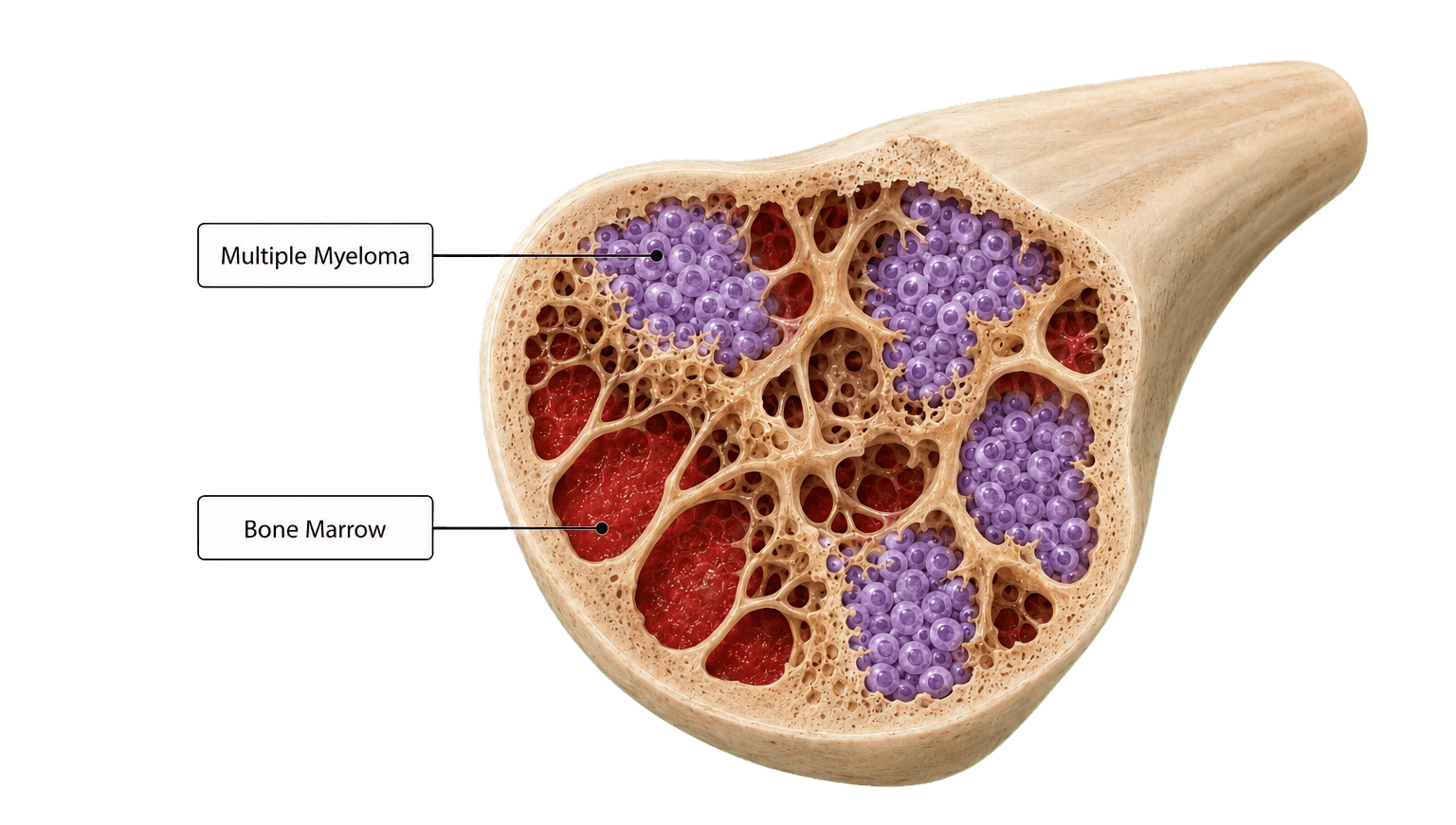
Multiple myeloma is a rare blood cancer that affects plasma cells, a type of white blood cell. Plasma cells produce antibodies to help fight infection, but in multiple myeloma they build up in the bone marrow, the tissue inside bones that makes blood cells.
Overview
Multiple myeloma is a rare blood cancer that develops in plasma cells within the bone marrow. It occurs when healthy plasma cells become abnormal, multiply uncontrollably and produce abnormal proteins called M proteins. These cancerous cells can crowd out healthy blood-forming cells and damage bones, kidneys and other tissues.
Multiple myeloma is considered a chronic cancer that can often be managed but not cured. Healthcare providers use the disease stage, genetic changes and other test results to guide treatment decisions. Although the disease may return over time, modern therapies can slow its progression, relieve symptoms and help many people live longer.
Risk Factors
Factors We Cannot Control

Older Age
Multiple myeloma is most commonly diagnosed in older adults, with the median age at diagnosis being about 69 years.

Male Sex
Multiple myeloma affects males more often than females.

Family History
Having a close family member with multiple myeloma may slightly increase risk, although the condition is not considered hereditary.
Lifestyle & Health Factors

Environmental Exposure
Exposure to pesticides, fertilizers or Agent Orange may be associated with an increased risk.

Obesity
Obesity is a known risk factor for developing multiple myeloma.
Symptoms
1. Bone Pain
Bone pain, especially in the back, chest, pelvis, head or upper legs, is often one of the first symptoms.

2. Fatigue and Weakness
Low red blood cell counts (anemia) can cause persistent tiredness and weakness.

3. Unexplained Weight Loss
Weight loss without trying may occur as the disease progresses.

4. Nausea and Vomiting
Some people experience nausea and vomiting due to complications of the disease.

Diagnosis
1. Blood Tests
Blood tests check blood cell counts, organ function and abnormal antibodies such as M proteins.

2. Urine Tests
Urine tests help detect abnormal proteins that may indicate multiple myeloma.

3. Imaging Tests
X-rays, CT scans, MRI scans and PET scans help identify bone damage and myeloma tumors.

4. Bone Marrow Biopsy
A bone marrow biopsy or aspiration confirms the diagnosis by detecting abnormal plasma cells.

Treatments
1. Stem Cell Transplant
Stem cell transplantation replaces damaged bone marrow cells with healthy stem cells and may slow disease progression.

2. Chemotherapy
Chemotherapy destroys abnormal plasma cells and is often used before stem cell transplantation.

3. Targeted Therapy
Targeted therapy attacks specific weaknesses in myeloma cells to help stop their growth.
4. Immunotherapy
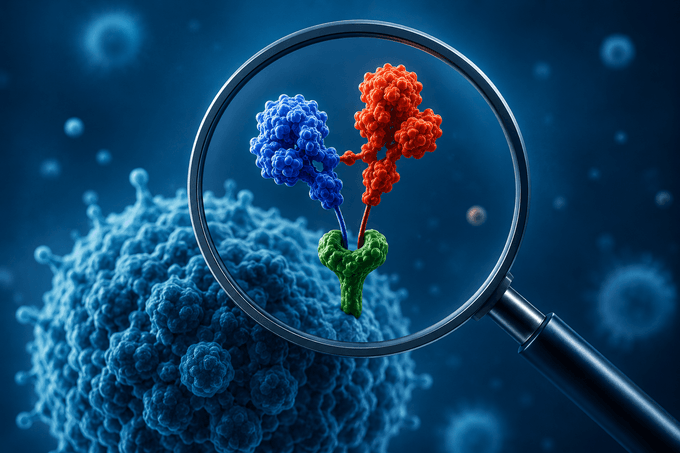
Immunotherapy helps the immune system recognize and destroy myeloma cells. CAR T-cell therapy is one example.

5. Radiation Therapy
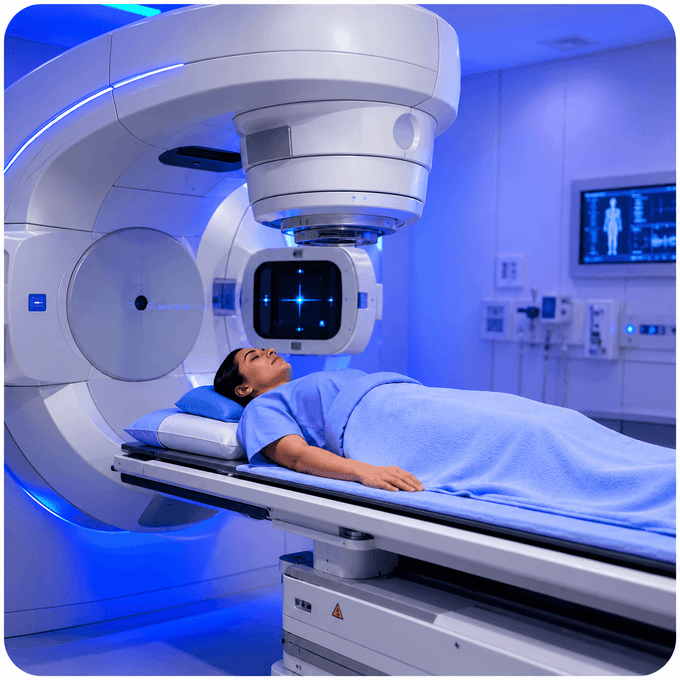
Radiation therapy may be used to shrink bone tumors and relieve pain.
Articles & Educational Guides
In-depth medical articles, patient perspectives, and treatment guides related to Multiple Myeloma.

Blood Cancer: Types, Symptoms, Causes, Diagnosis and Treatment
Blood cancer can develop when genetic changes affect the way blood-forming or immune cells grow, divide and function. The three commonly recognized categories are leukemia, lymphoma and multiple myeloma.