Neuroblastoma
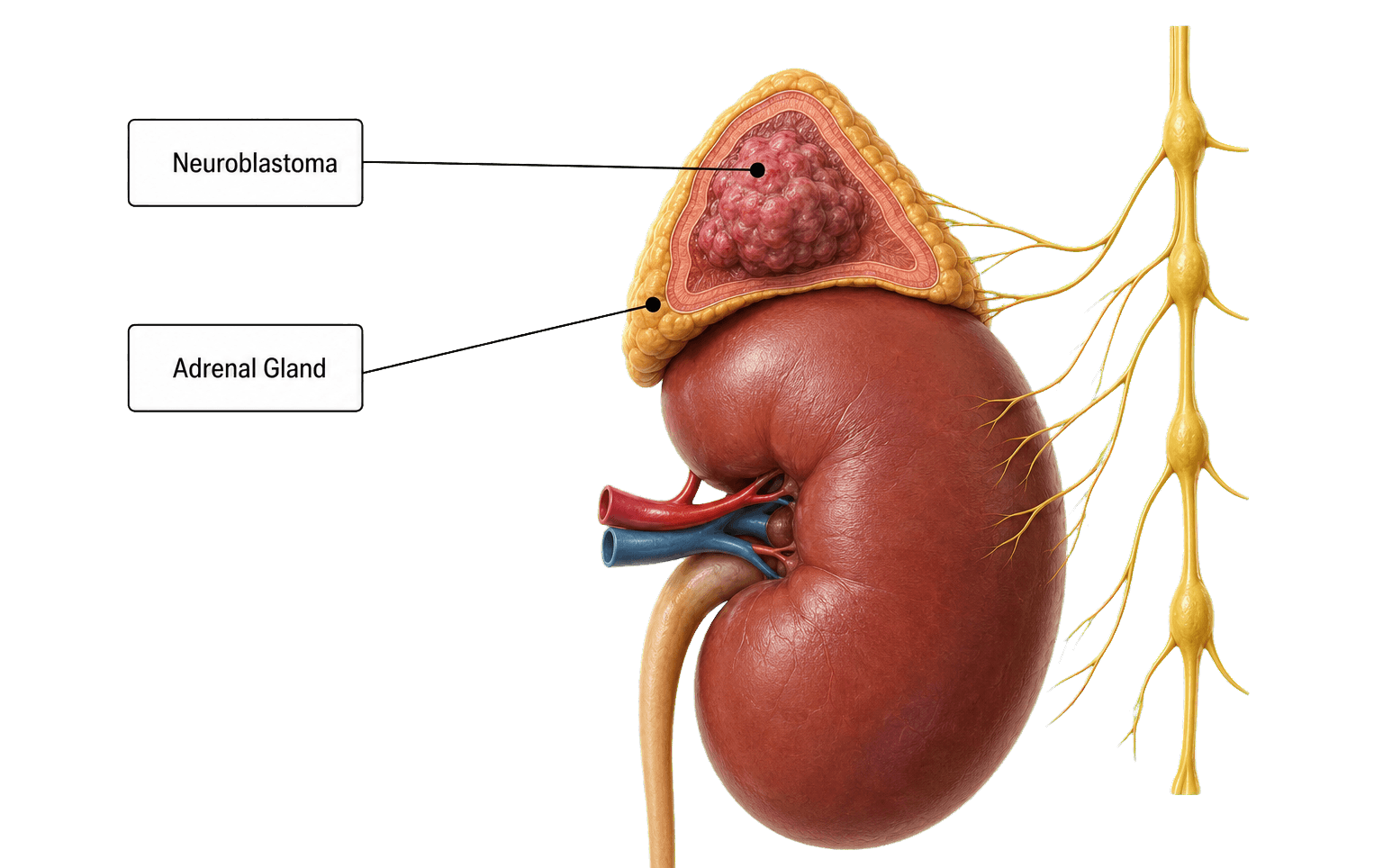
Neuroblastoma is a type of cancer that grows in immature nerve cells called neuroblasts. It affects neuroblasts in the sympathetic nervous system and most commonly begins in the adrenal glands, although it can also start in nerve cells in the abdomen, chest, or neck.
Overview
Neuroblastoma is a childhood cancer that develops in immature nerve cells called neuroblasts within the sympathetic nervous system. It most commonly begins in the adrenal glands above the kidneys but can also develop in nerve tissue in the abdomen, chest or neck.
Neuroblastoma mainly affects babies and young children, usually before 5 years of age. The cancer may remain localized or spread to areas such as the bones, bone marrow, liver, skin or lymph nodes, making early diagnosis and appropriate risk-based treatment important.
Risk Factors
Factors We Cannot Control

Young Age
Neuroblastoma almost always develops in babies and young children, most often before 5 years of age.
Inherited Gene Changes
Rare inherited changes in genes such as ALK or PHOX2B can increase the risk of neuroblastoma.
Family History
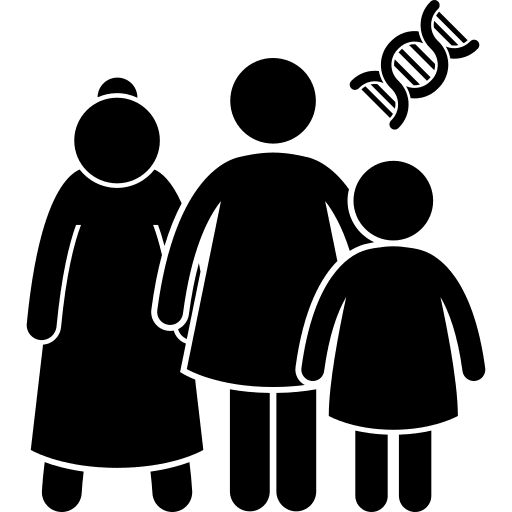
A small number of neuroblastoma cases occur in families due to inherited genetic mutations.
Lifestyle & Health Factors

No Known Lifestyle Risk Factors
Cleveland Clinic notes that no specific environmental exposures or lifestyle factors have been shown to increase the risk of neuroblastoma.
Symptoms
1. Painless Lump
A firm lump in the abdomen, chest or neck is one of the most common signs of neuroblastoma.

2. Bone Pain
Cancer that has spread to the bones may cause pain, limping or difficulty walking.

3. Loss of Appetite
Children may lose interest in eating or feel full because of pressure from the tumor.

4. Trouble Breathing or Swallowing
Tumors in the chest or neck can press on nearby structures and make breathing or swallowing difficult.

5. Persistent Fever or Fatigue
Children may experience fever, tiredness, weakness or irritability as the disease progresses.

Diagnosis
1. Physical Examination
The healthcare provider checks for lumps, swelling and signs affecting the nervous system while reviewing symptoms and family history.

2. Blood and Urine Tests
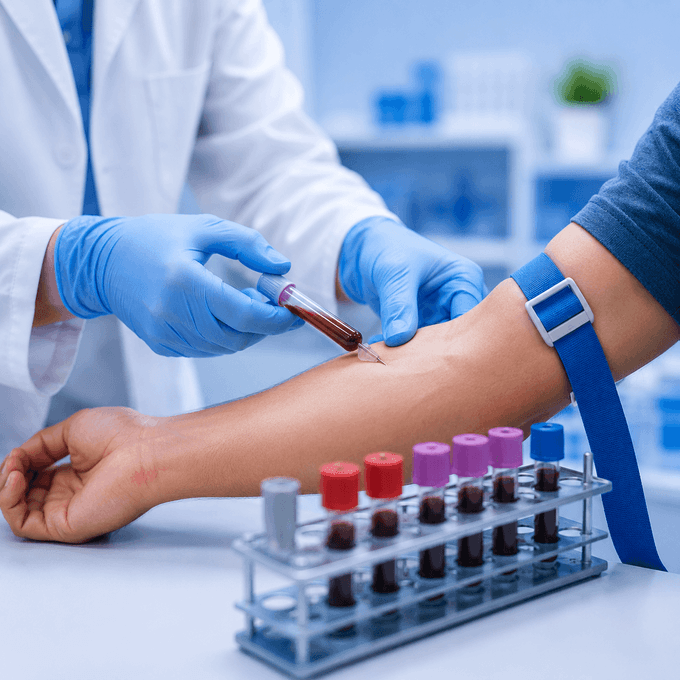
Blood tests and urine tests help evaluate organ function and measure substances commonly produced by neuroblastoma tumors.
3. Imaging Tests
Ultrasound, CT, MRI or MIBG scans help identify the tumor's location and determine whether it has spread.

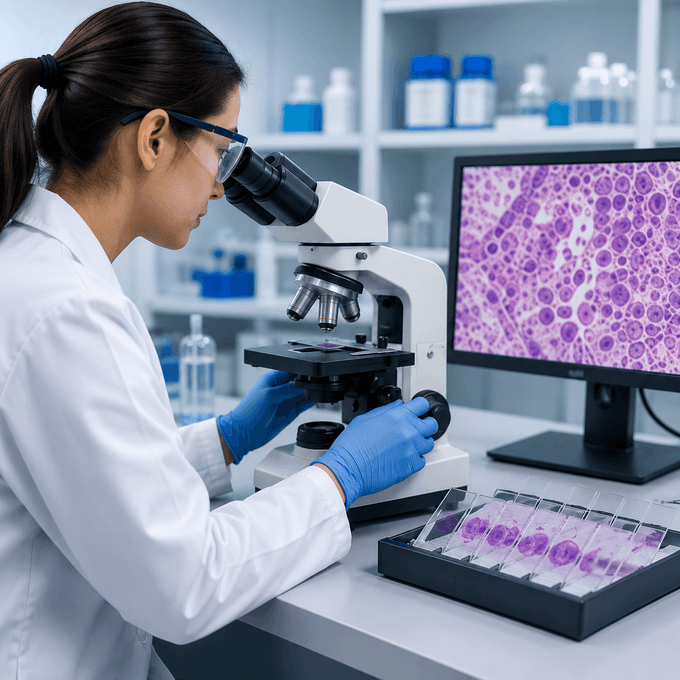
4. Tumor Biopsy
A biopsy confirms the diagnosis by allowing specialists to examine tumor tissue under a microscope.
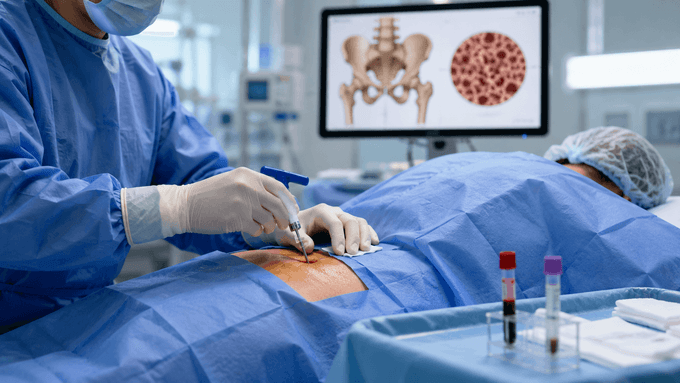
5. Bone Marrow Aspiration and Biopsy
Bone marrow testing helps determine whether cancer has spread to the bone marrow.
Treatments
1. Chemotherapy
Chemotherapy uses medicines to destroy cancer cells and is commonly used before or after surgery depending on the child's risk group.

2. Surgery
Surgery removes the primary tumor whenever it can be safely taken out.

3. Radiation Therapy
Radiation therapy uses high-energy beams to destroy remaining cancer cells or treat advanced disease.

4. Immunotherapy
Immunotherapy helps the child's immune system recognize and attack neuroblastoma cells.
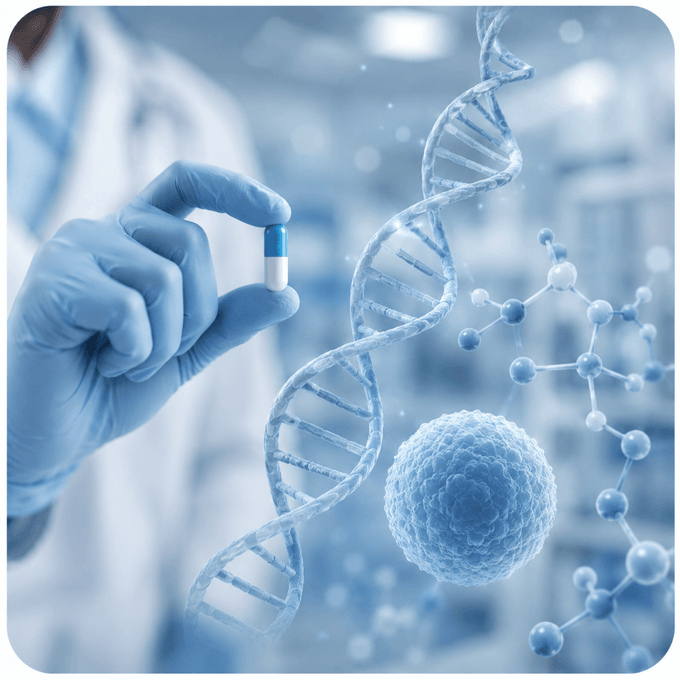
5. Targeted Therapy
Targeted therapy uses medicines designed to attack specific features of neuroblastoma cells.

6. Stem Cell Transplant
Some children with high-risk neuroblastoma may receive high-dose chemotherapy followed by an autologous stem cell transplant.
