Osteosarcoma
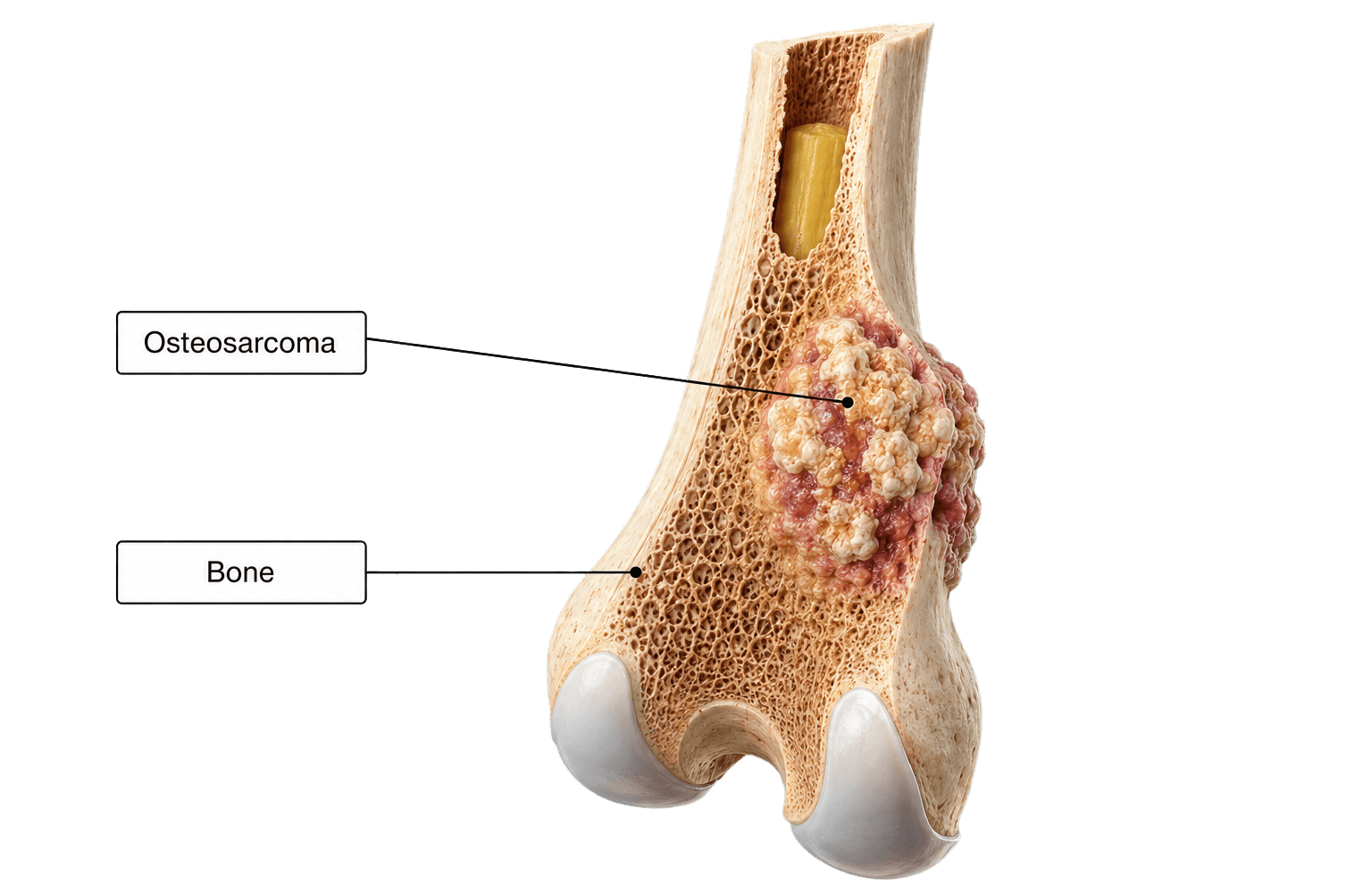
Osteosarcoma is a type of bone cancer that begins in the cells that form bones, most often affecting the long bones. Bones provide the body's structural support, help with movement, protect internal organs, and contain bone marrow, where blood cells are made.
Overview
Osteosarcoma is a type of bone cancer that develops when abnormal bone-forming cells grow uncontrollably and form malignant tumors. It most commonly begins in the long bones of the arms or legs, especially near the knees, hips or shoulders, and is seen most often in children, teenagers and young adults.
Osteosarcoma can grow at different rates depending on its grade, with high-grade tumors being more likely to spread to other parts of the body. Early diagnosis and timely treatment are important because they improve the chances of successful treatment and help preserve normal bone function whenever possible.
Risk Factors
Factors We Cannot Control

Young Age
Osteosarcoma occurs most often in children, teenagers and young adults, especially during periods of rapid bone growth.

Inherited Genetic Conditions
Certain inherited conditions, including Li-Fraumeni syndrome and hereditary retinoblastoma, can increase the risk.

Bone Disorders
Some bone conditions, such as Paget's disease of bone, are associated with a higher risk of osteosarcoma.
Lifestyle & Health Factors

Previous Radiation Therapy
Radiation treatment received for another cancer may increase the chance of developing osteosarcoma later in life.

Previous Cancer Treatment
Certain chemotherapy medicines, particularly alkylating agents, may increase the future risk of osteosarcoma.
Symptoms
1. Bone Pain
Persistent pain or tenderness around a bone is the most common symptom.

2. Swelling or Lump
A noticeable lump or swelling may develop near the affected bone and may feel warm.

3. Limited Joint Movement
Movement of a nearby joint may become difficult or restricted.

4. Bone Fracture
A weakened bone may break unexpectedly or after a minor injury.

5. Skin Changes
The skin over the affected area may appear discolored or swollen.

6. Unexplained Fever
Some people may experience fever without another obvious cause.

Diagnosis
1. Physical Examination
The healthcare provider reviews symptoms, medical history and examines the affected bone for swelling or lumps.

2. Imaging Tests
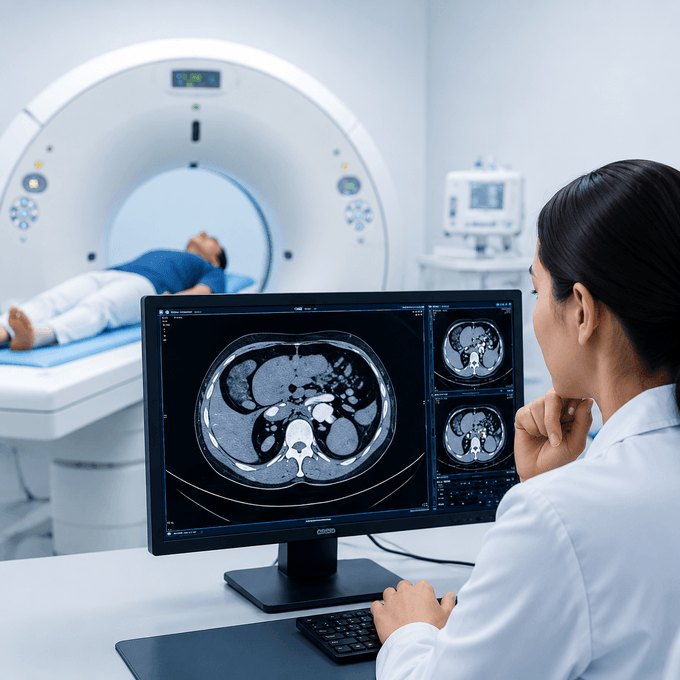
X-rays, CT scans and MRI scans help determine the tumor's location, size and extent.
3. Biopsy
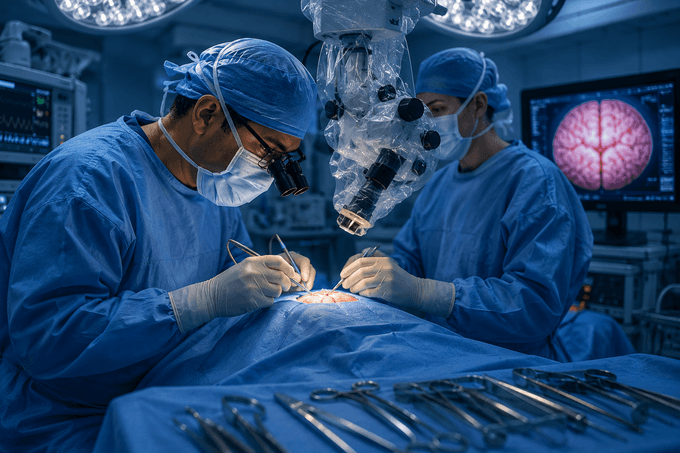
A tissue sample is removed and examined under a microscope to confirm osteosarcoma.
4. Blood Tests
Blood tests may be performed as part of the overall evaluation.

5. Bone Scan or PET Scan
Additional imaging may be used to determine whether the cancer has spread to other bones or organs.

Treatments
1. Chemotherapy
Chemotherapy is commonly given before and after surgery to destroy cancer cells throughout the body.

2. Surgery
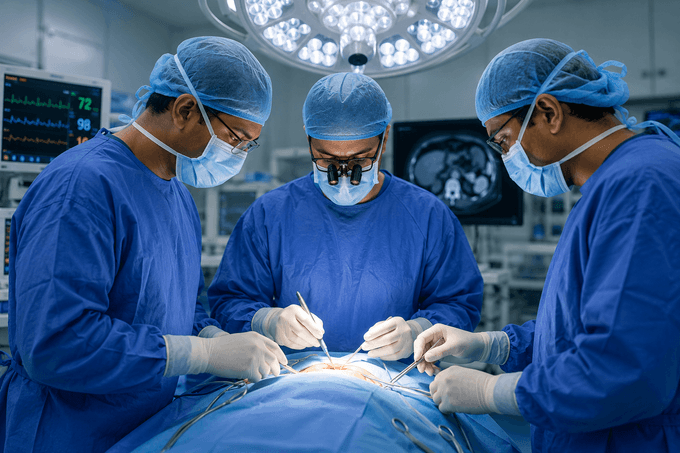
Surgery removes the tumor while preserving as much healthy bone and tissue as possible whenever feasible.

3. Limb Salvage Surgery
This procedure removes the cancer while preserving the affected limb, often using a bone graft or artificial implant.
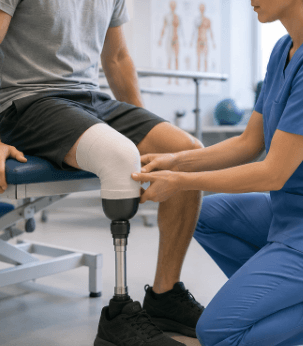
4. Amputation
Amputation may be necessary when the tumor cannot be safely removed while preserving the limb.
5. Rotationplasty
Rotationplasty is a specialized surgical procedure that may be used in selected patients, particularly children.

6. Radiation Therapy
Radiation therapy may be used when surgery is not possible or when cancer has spread to areas that cannot be removed surgically.
