Ovarian Cancer
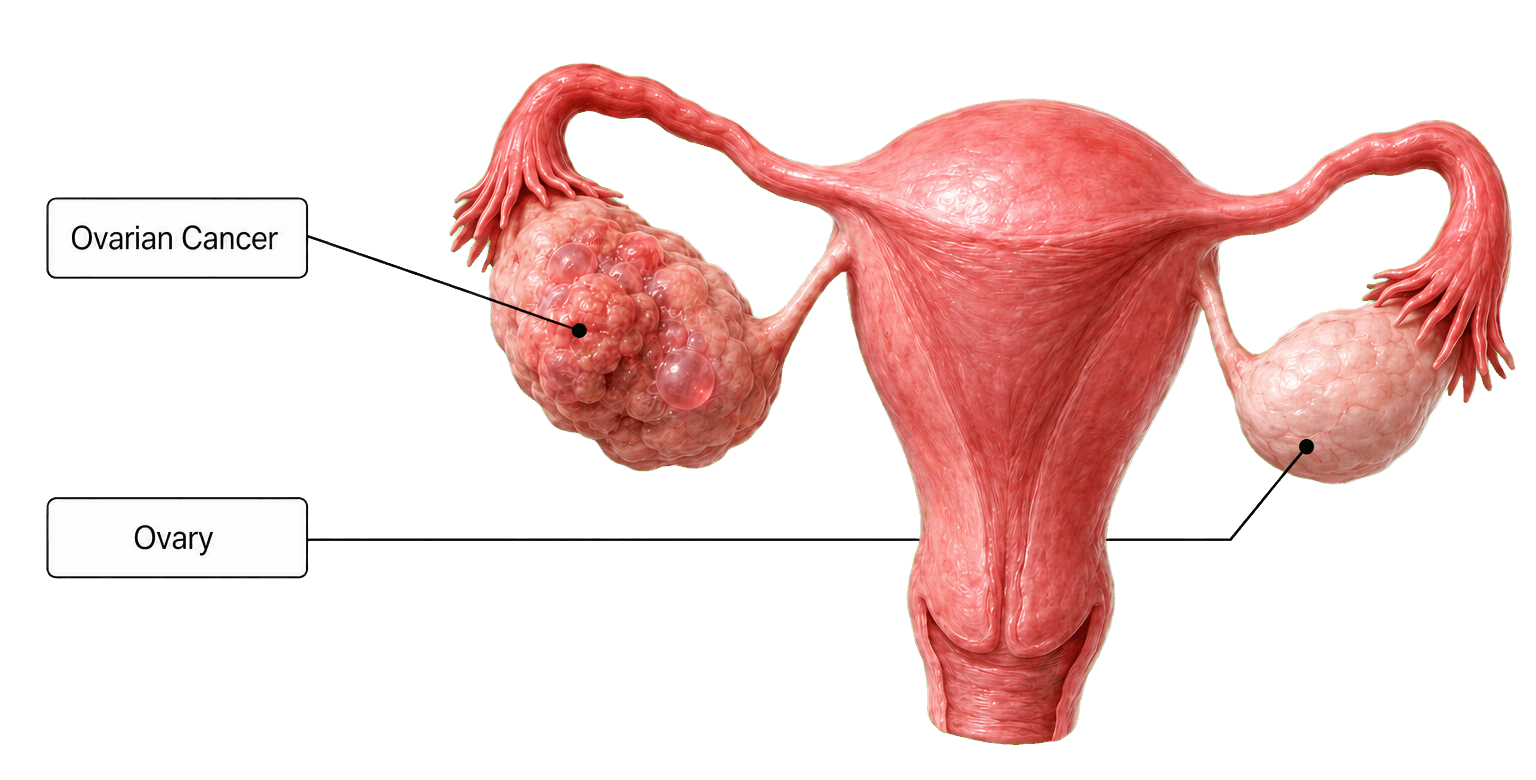
The ovaries are small, oval-shaped glands located on either side of the uterus. They produce and store eggs while also releasing hormones that regulate the menstrual cycle and support pregnancy. During each menstrual cycle, an ovary releases an egg through ovulation until menopause occurs.
Overview
Ovarian cancer develops when abnormal cells in the ovaries grow uncontrollably and form a tumor. It is often difficult to detect in its early stages because symptoms usually do not appear until the disease has become more advanced. :contentReference[oaicite:0]{index=0}
As ovarian cancer progresses, it may spread to nearby tissues or distant parts of the body. Early diagnosis and appropriate treatment are important because they improve treatment planning and may lead to better outcomes. :contentReference[oaicite:1]{index=1}
Risk Factors
Factors We Cannot Control

Age Over 60
The risk of ovarian cancer increases with age and is highest in people over 60.

Inherited Gene Mutations
Inherited BRCA1, BRCA2 and certain other gene mutations increase the likelihood of developing ovarian cancer.

Family History
Having close relatives with ovarian, breast, uterine or colorectal cancer increases the risk.
Lifestyle & Health Factors

Obesity
Obesity is associated with an increased risk of ovarian cancer.
Hormone Replacement Therapy
Using postmenopausal hormone replacement therapy may increase ovarian cancer risk.

Reproductive History
Never being pregnant, having a first pregnancy after age 30 or never breastfeeding may increase the risk.
Symptoms
1. Abdominal or Pelvic Pain
Persistent pain or discomfort in the abdomen, pelvis or back may occur.

2. Bloating
Persistent abdominal bloating or swelling is a common symptom.

3. Feeling Full Quickly
Feeling full soon after eating or experiencing a reduced appetite may occur.

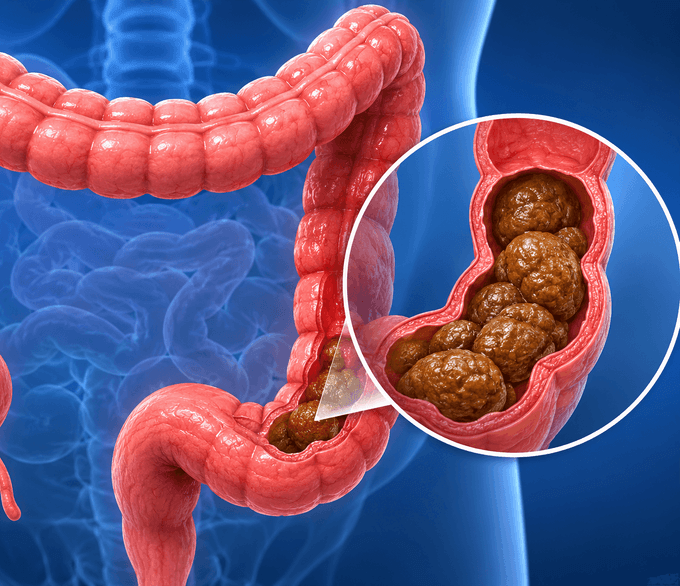
4. Changes in Bowel Habits
Diarrhea or constipation may develop as the disease progresses.
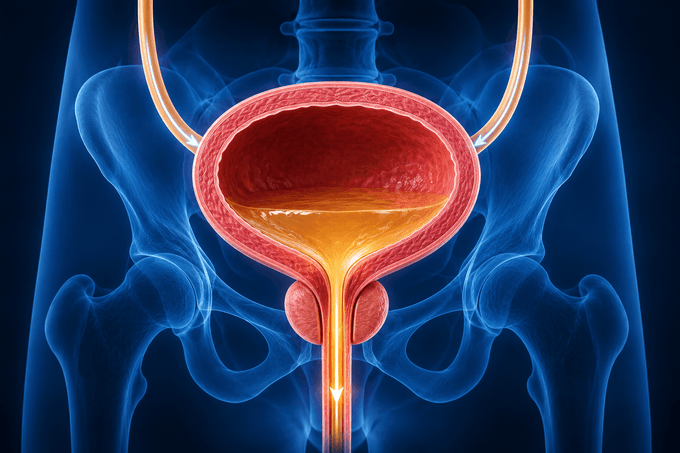
5. Frequent Urination
Needing to urinate more often than usual may be a symptom.
6. Unexplained Weight Loss
Weight loss without trying can occur in some people with ovarian cancer.

Diagnosis
1. Pelvic Examination
A healthcare provider checks for enlarged ovaries, masses or other abnormal findings.

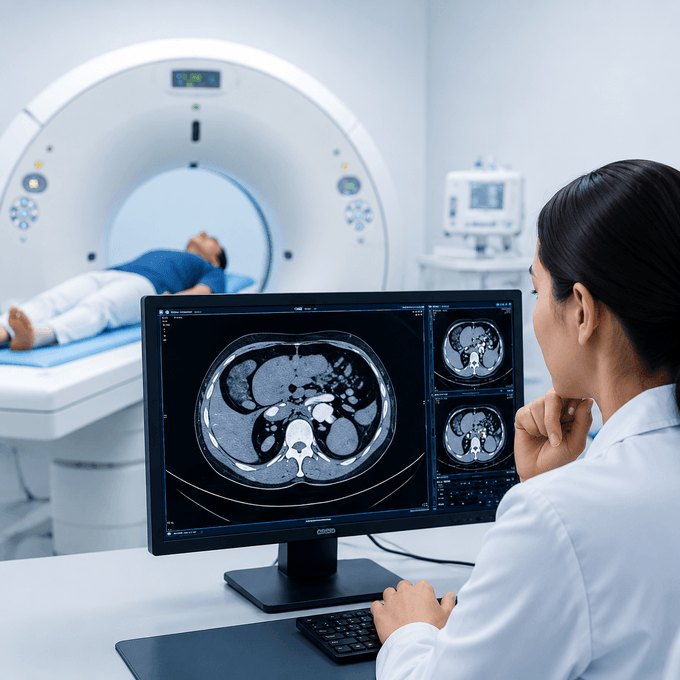
2. Imaging Tests
Ultrasound, CT, MRI or PET scans help identify tumors and determine whether the cancer has spread.
3. Blood Tests
Blood tests, including CA-125 and genetic testing, may help evaluate ovarian cancer.

4. Surgical Biopsy
A biopsy performed during surgery confirms the diagnosis and helps determine the cancer stage.

Treatments
1. Surgery
Surgery is usually the first treatment and aims to remove as much of the cancer as possible.

2. Chemotherapy
Chemotherapy may be given before or after surgery to destroy remaining cancer cells.

3. Targeted Therapy
Targeted therapy focuses on specific characteristics of cancer cells to slow or stop their growth.

4. Hormone Therapy
Hormone therapy may be used for ovarian cancers that rely on hormones to grow.
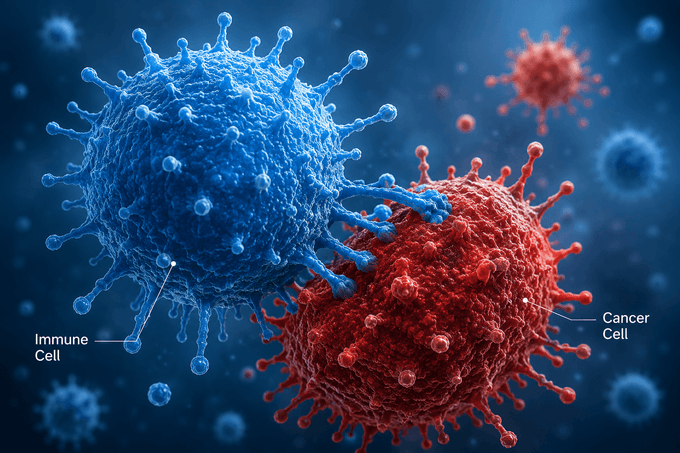
5. Immunotherapy
Immunotherapy helps the immune system recognize and attack certain ovarian cancer cells.