Pancreatic Cancer
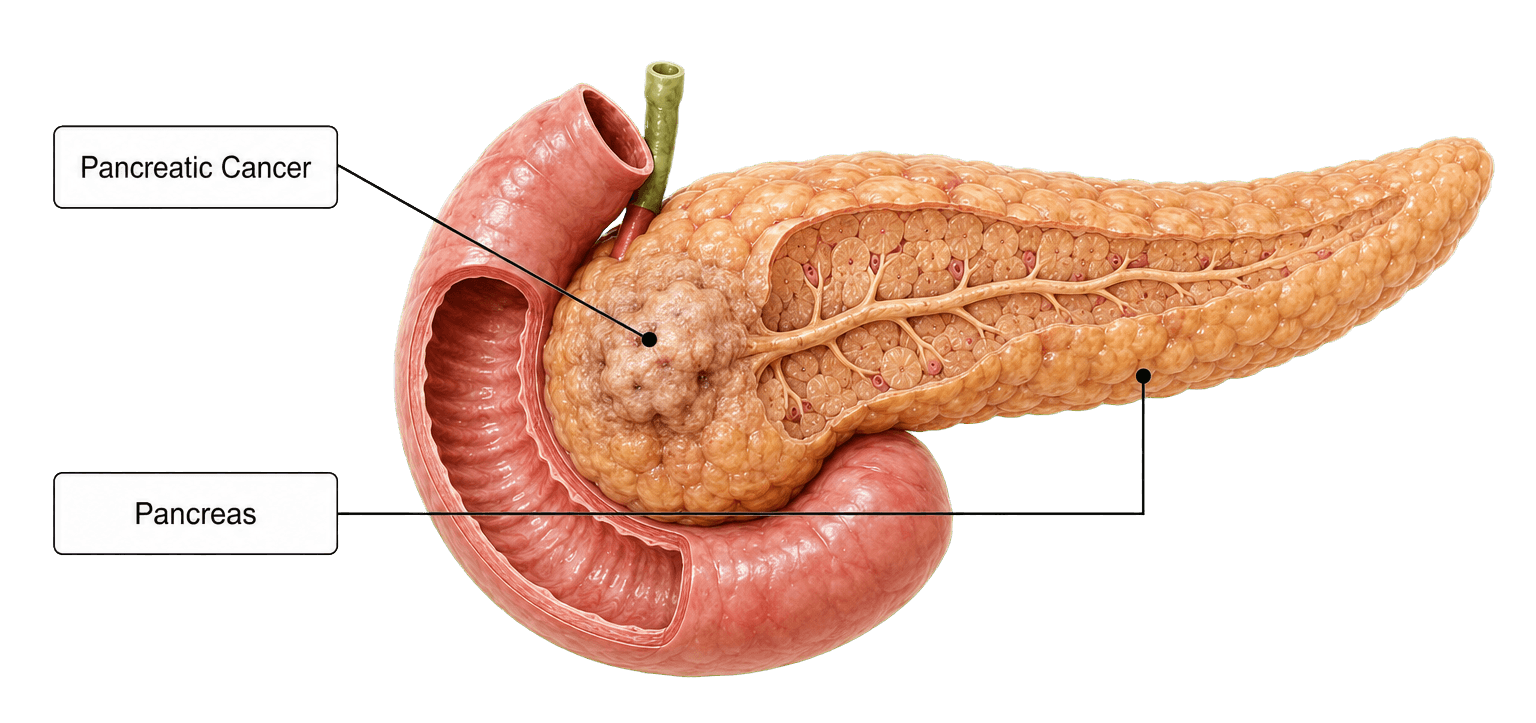
The pancreas is a large gland located in the back of the abdomen and functions as part of both the digestive and endocrine systems. It produces enzymes that aid digestion and hormones that help regulate blood sugar levels. The pancreas also contributes to supporting the function of organs such as the heart, liver, and kidneys.
Overview
Pancreatic cancer develops when abnormal cells in the pancreas grow uncontrollably and form a tumor. It is an aggressive cancer that often develops silently because symptoms usually don't appear until the disease has advanced. :contentReference[oaicite:0]{index=0}
Pancreatic cancer is difficult to detect early and can spread beyond the pancreas before it is diagnosed. Early evaluation and treatment are important because they can improve treatment options, although management often depends on how far the cancer has progressed. :contentReference[oaicite:1]{index=1}
Risk Factors
Factors We Cannot Control

Age Over 60
Most people diagnosed with pancreatic cancer are older than 60 years.

Inherited Gene Mutations
Inherited gene changes, including BRCA1 and BRCA2 mutations, can increase pancreatic cancer risk.

Family History
Having close biological relatives with pancreatic cancer increases the likelihood of developing the disease.

Type 2 Diabetes
Type 2 diabetes is associated with a higher risk of pancreatic cancer.
Lifestyle & Health Factors

Smoking or Tobacco Use
Smoking cigarettes, cigars or other tobacco products is one of the strongest risk factors for pancreatic cancer.

Obesity
Obesity, particularly excess weight around the waist, increases pancreatic cancer risk.

Chemical Exposure
Long-term exposure to certain pesticides and petroleum-related chemicals may increase risk.
Symptoms
1. Abdominal or Back Pain
Pain in the upper abdomen, middle back or side is a common symptom.

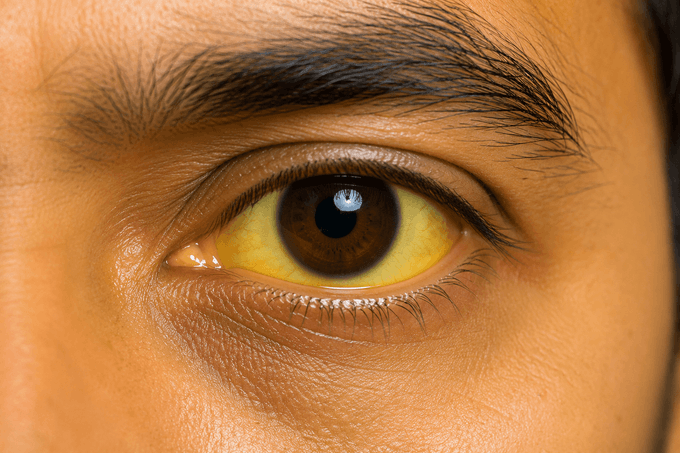
2. Jaundice
Yellowing of the skin and eyes may occur when the tumor blocks the bile duct.
3. Weight Loss
Unexplained weight loss and loss of appetite are common signs.

4. Digestive Problems
Nausea, upset stomach, constipation or diarrhea may develop as the disease progresses.

5. Dark Urine or Pale Stool
Changes in urine or stool color may occur because of blocked bile flow.

6. Fatigue
Persistent tiredness or weakness may develop even with adequate rest.

Diagnosis
1. Imaging Tests
CT scans are commonly used to detect pancreatic tumors. MRI, PET scans and endoscopic ultrasound may also be performed.

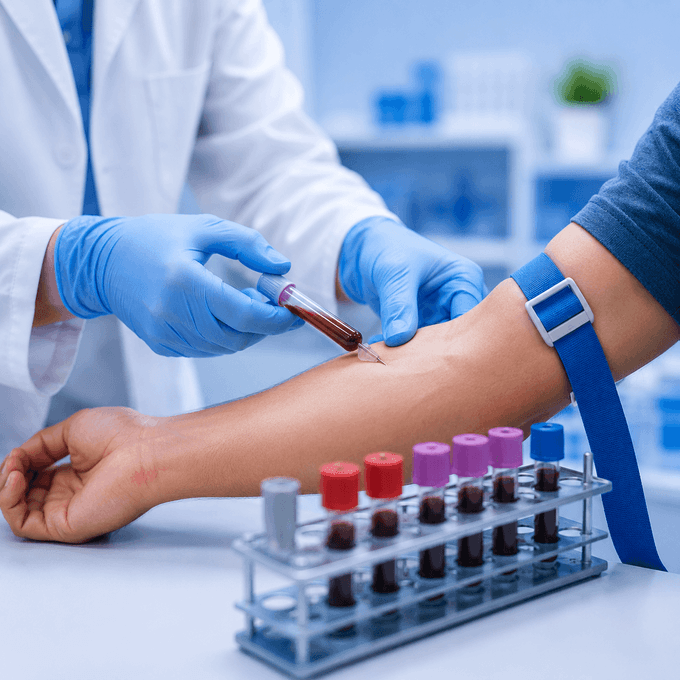
2. Blood Tests
Blood tests may measure enzymes and tumor markers such as CA 19-9.
3. Biopsy
A tissue sample is removed with a needle and examined under a microscope to confirm the diagnosis.

4. Genetic Testing
Cancer cells may be tested for gene mutations to help guide targeted treatment options.

Treatments
1. Surgery
Surgery offers the best chance for cure when the cancer is confined to the pancreas and can be completely removed.

2. Chemotherapy
Chemotherapy uses medicines to destroy cancer cells and is commonly used before or after surgery or for advanced disease.

3. Radiation Therapy
Radiation therapy uses high-energy X-rays and may be combined with chemotherapy before or after surgery.

4. Targeted Therapy
Targeted therapy attacks specific proteins or genetic changes that help pancreatic cancer grow.