Penile Cancer
Penile cancer develops when cells in the penis grow and multiply uncontrollably. The penis is an external organ of the male reproductive and urinary systems that allows urine and semen to leave the body and plays a role in reproduction.
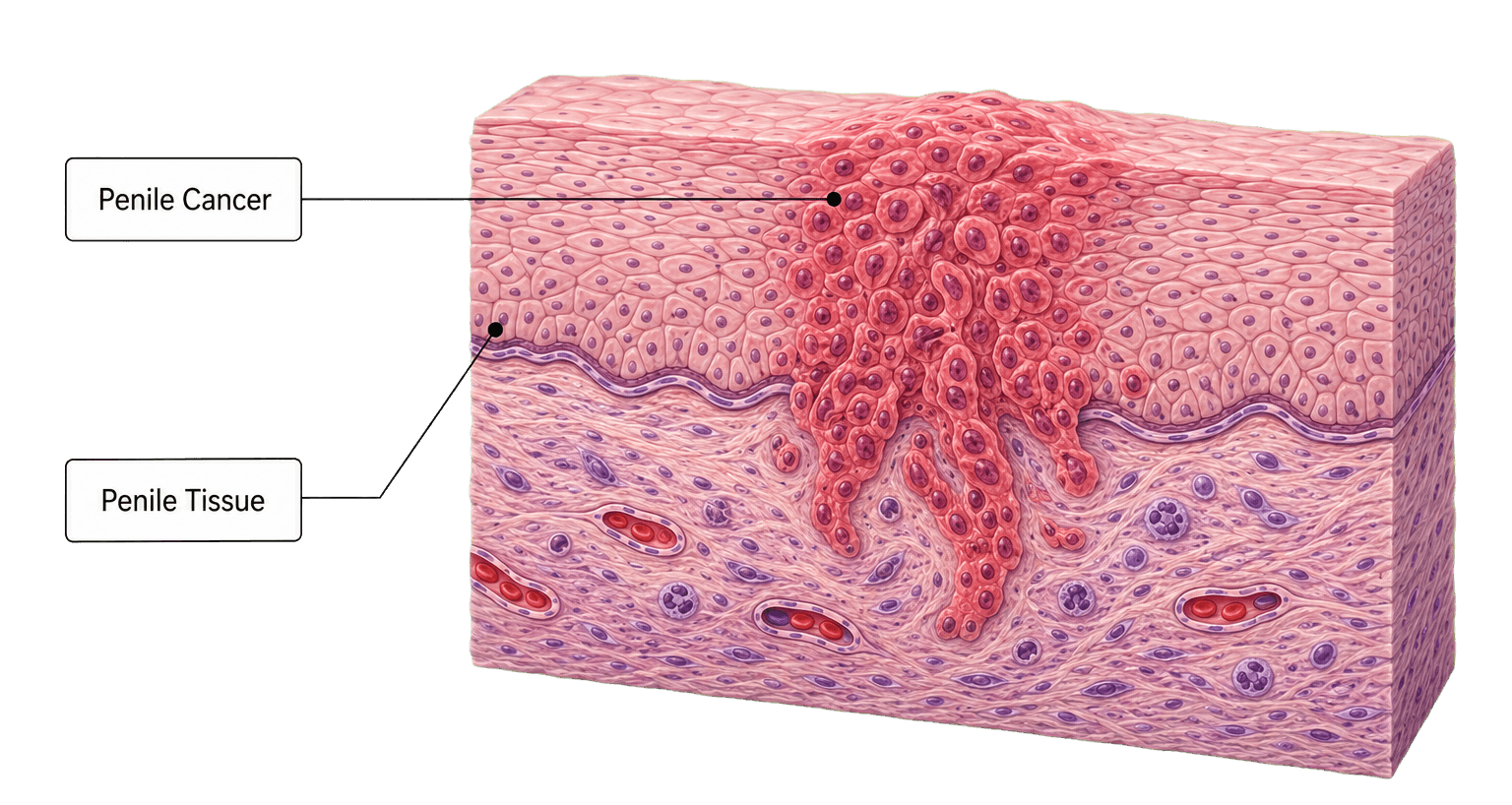
Overview
Penile cancer develops when abnormal cells in the penis grow uncontrollably and form a tumor. It most commonly begins on the head of the penis or beneath the foreskin in uncircumcised people, although it can develop anywhere on the penis. :contentReference[oaicite:0]{index=0}
Penile cancer is uncommon, but it is highly treatable when diagnosed early. If the disease spreads beyond the penis to nearby lymph nodes or other parts of the body, treatment becomes more challenging, making prompt evaluation of any unusual penile changes important. :contentReference[oaicite:1]{index=1}
Risk Factors
Factors We Cannot Control

Age Over 55
Most penile cancer cases occur in people who are 55 years of age or older.

HPV Infection
Certain high-risk types of human papillomavirus (HPV) increase the likelihood of developing penile cancer.

Phimosis or Lichen Sclerosus
Conditions affecting the foreskin, including phimosis and lichen sclerosus, are associated with increased risk.
Lifestyle & Health Factors

Smoking or Tobacco Use
Smoking cigarettes or using other tobacco products increases the risk of penile cancer.

Poor Penile Hygiene
Not cleaning beneath the foreskin regularly may contribute to chronic irritation and increase cancer risk.

Previous PUVA Therapy
PUVA treatment for psoriasis has been linked to a higher risk of penile cancer.
Symptoms
1. Lump or Sore
A painless lump or sore on the penis that may bleed is one of the most common symptoms.

2. Skin Changes
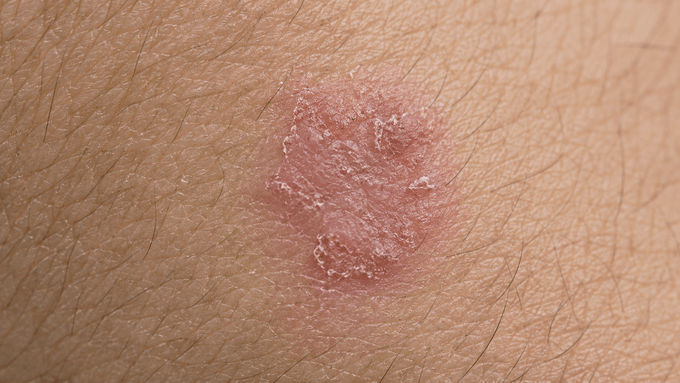
The skin may become thicker, change color or develop unusual flat or crusty growths.
3. Foul-Smelling Discharge
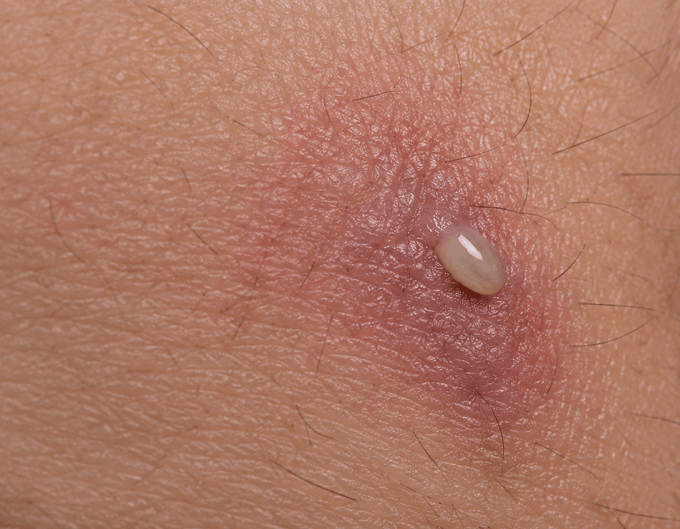
A foul-smelling fluid beneath the foreskin may occur, particularly in uncircumcised people.
4. Persistent Rash
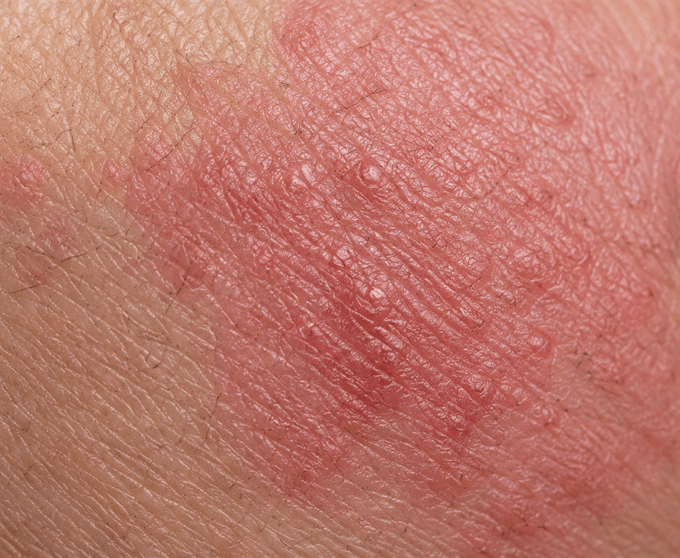
A rash or irritation on the penis that does not improve should be evaluated.
5. Swelling
Swelling or irritation, especially around the head of the penis, may occur.
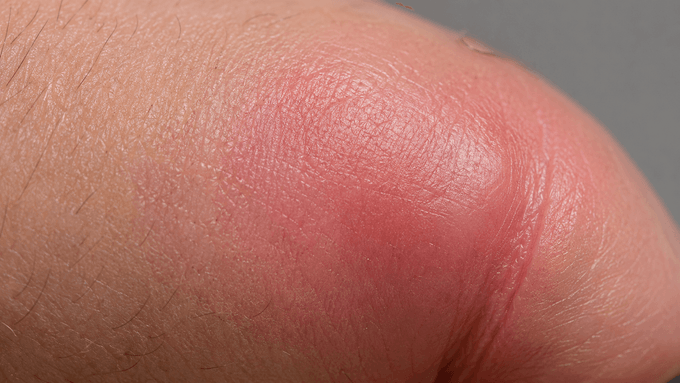
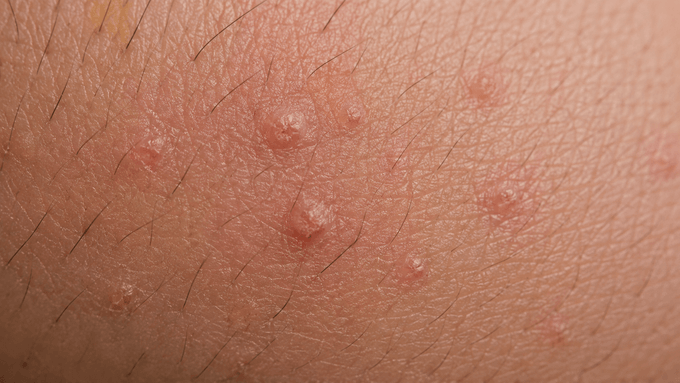
6. Small Crusty Bumps
Small raised or crusted bumps may develop on the penis.
Diagnosis
1. Physical Examination
A healthcare provider examines the penis for abnormal skin changes, lumps or discoloration and reviews symptoms and medical history.

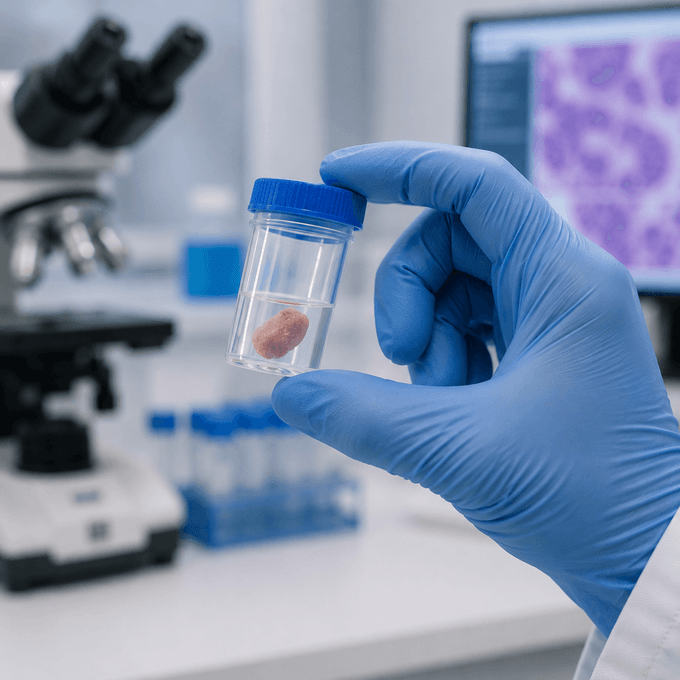
2. Biopsy
A biopsy removes suspicious tissue so it can be examined under a microscope to confirm cancer.
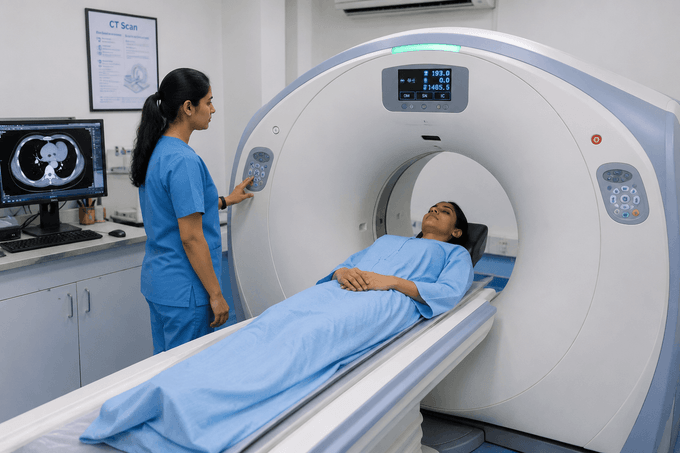
3. CT Scan or MRI
CT and MRI scans help determine the size of the tumor and whether it has spread.
4. Ultrasound or PET Scan
Ultrasound and PET scans may be used to evaluate the extent of the cancer.

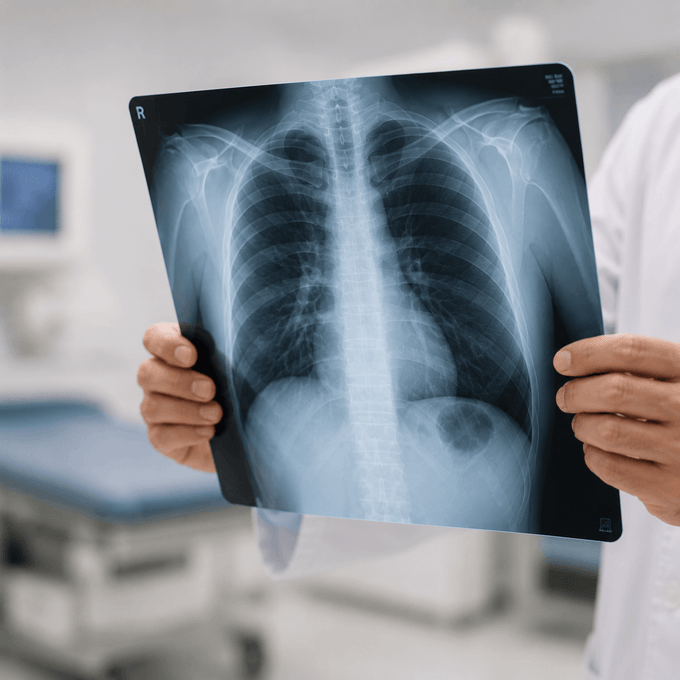
5. Chest X-ray
A chest X-ray may be performed to check whether the cancer has spread to the lungs.
Treatments
1. Surgery
Surgery is the most common treatment and removes the tumor while preserving as much healthy tissue as possible whenever feasible.

2. Circumcision
If cancer is limited to the foreskin, circumcision may be enough to remove the disease.
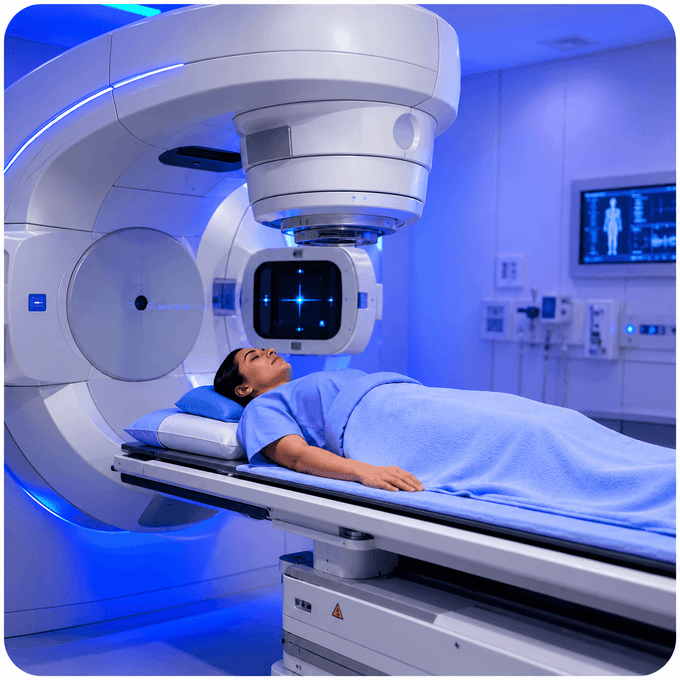
3. Radiation Therapy
Radiation therapy uses high-energy beams to destroy cancer cells or shrink tumors before surgery.
4. Chemotherapy
Chemotherapy may be given before or after surgery or when cancer has spread beyond the penis.

5. Laser Therapy or Cryotherapy
Laser treatment or cryotherapy may be used to destroy small, early-stage tumors while preserving normal tissue.

6. Penectomy
Partial or total removal of the penis may be necessary for advanced cancers that cannot be treated with organ-preserving surgery.