Rectal Cancer
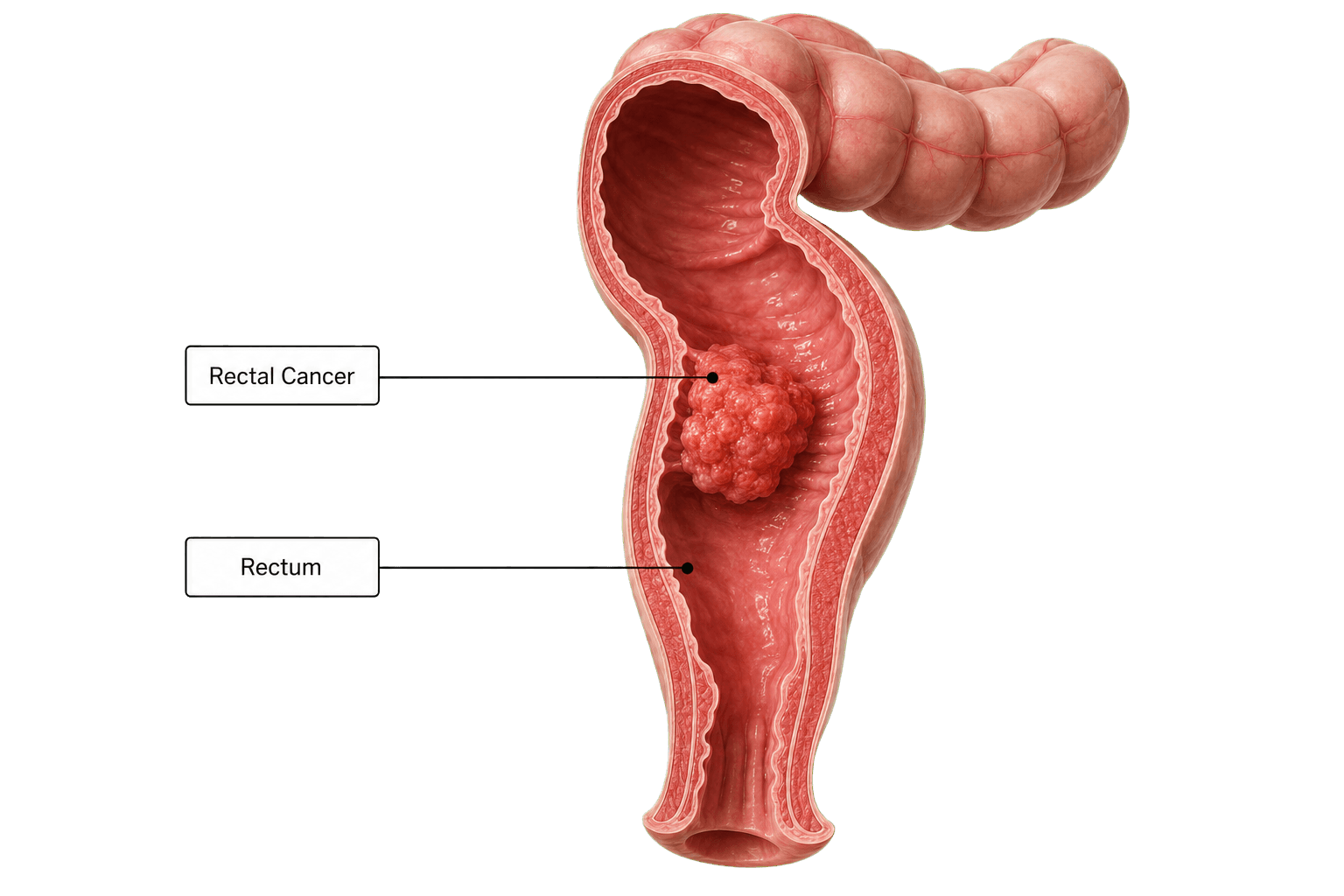
The rectum is the final section of the large intestine, located between the colon and the anal canal. Its main role is to collect and store waste before it leaves the body. As waste enters the rectum, it is held temporarily while remaining water and electrolytes are absorbed, and nerves signal when it is time for a bowel movement.
Overview
Rectal cancer develops when abnormal cells grow in the lining of the rectum and form a tumor. Most rectal cancers begin as small growths called polyps, which can gradually become cancer over several years if left untreated. :contentReference[oaicite:0]{index=0}
Screening tests such as colonoscopy can detect and remove precancerous polyps before they develop into cancer. When rectal cancer is diagnosed early, treatment is often more successful and may involve surgery along with other therapies depending on the stage of the disease. :contentReference[oaicite:1]{index=1}
Risk Factors
Factors We Cannot Control
Older Age
The risk of rectal cancer increases with age, with the average age at diagnosis being about 63 years.
Family History
Having a close biological relative with rectal cancer nearly doubles the risk.

Inherited Genetic Syndromes
Conditions such as Lynch syndrome, familial adenomatous polyposis (FAP) and related inherited disorders increase risk.
Lifestyle & Health Factors

Obesity
People with obesity have a greater likelihood of developing rectal cancer.

Smoking
Smoking tobacco increases the risk of developing rectal cancer and may worsen outcomes.
Symptoms
1. Rectal Bleeding
Bleeding from the rectum is one of the most common symptoms of rectal cancer.

2. Changes in Bowel Habits
Persistent diarrhea, constipation or changes in how and when you pass stool may occur.
3. Narrow Stools
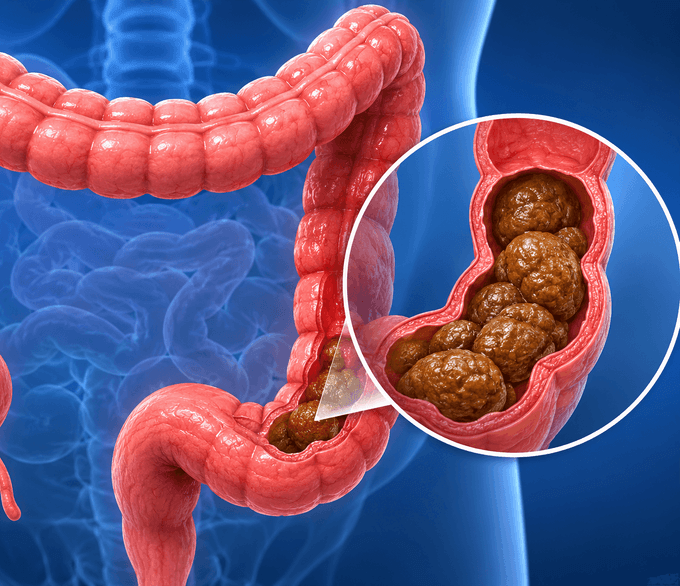
Stools that become thin or pencil-shaped may be a warning sign.

4. Abdominal Pain
Pain or discomfort in the abdomen may develop as the cancer grows.

5. Fatigue
Persistent tiredness or weakness can occur, especially if bleeding causes anemia.

6. Unexplained Weight Loss
Losing weight without trying may occur in advanced disease.

Diagnosis
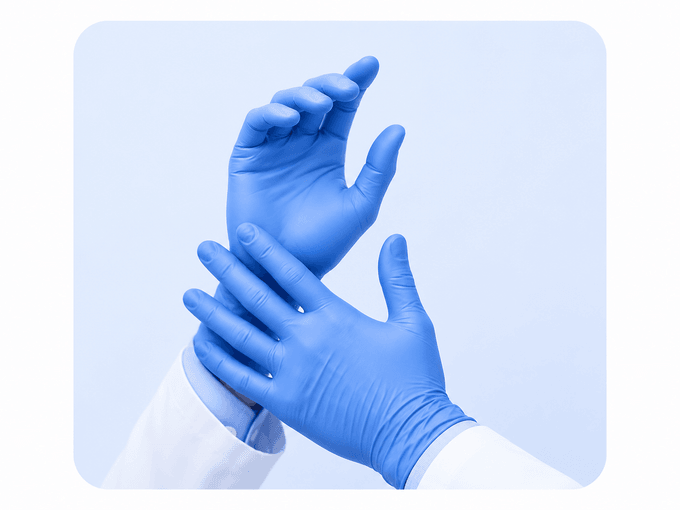
1. Digital Rectal Examination
A healthcare provider examines the rectum using a gloved finger to check for abnormal growths.
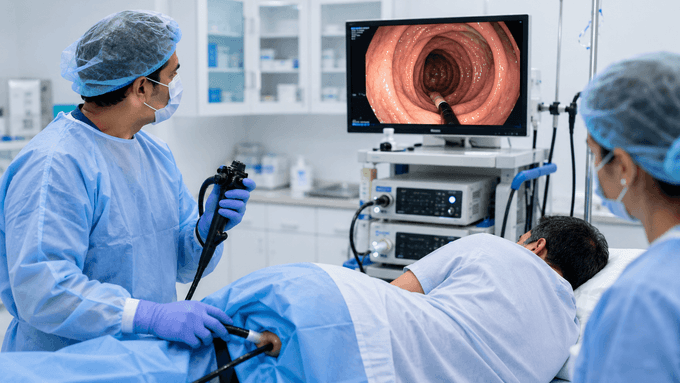
2. Colonoscopy
A colonoscopy allows the provider to examine the rectum and colon and collect tissue samples if needed.
3. Biopsy
A biopsy confirms the diagnosis by examining tissue under a microscope.

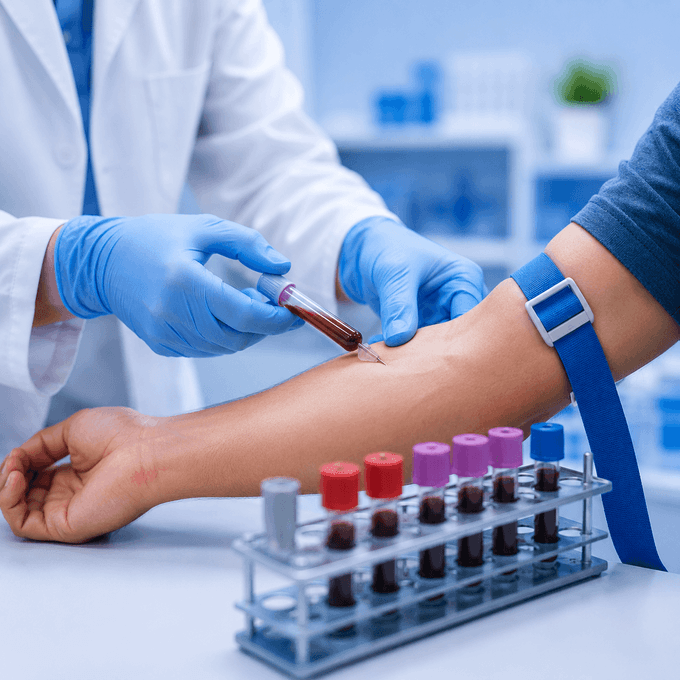
4. Blood Tests
Blood tests, including CBC, liver function tests and CEA tumor marker testing, help evaluate the disease.
5. Imaging Tests
CT scans, MRI and pelvic ultrasound help determine the size of the tumor and whether it has spread.

Treatments
1. Surgery
Surgery is the primary treatment and removes the cancerous tumor along with surrounding tissue when needed.

2. Chemotherapy
Chemotherapy uses medicines to destroy cancer cells and may be given before or after surgery.

3. Radiation Therapy
Radiation therapy uses high-energy beams to shrink or destroy cancer cells, often together with chemotherapy.

4. Targeted Therapy
Targeted therapy attacks specific features of cancer cells while limiting damage to healthy tissue.

5. Immunotherapy
Immunotherapy may be used for certain rectal cancers to help the immune system recognize and destroy cancer cells.
