Renal Cell Carcinoma
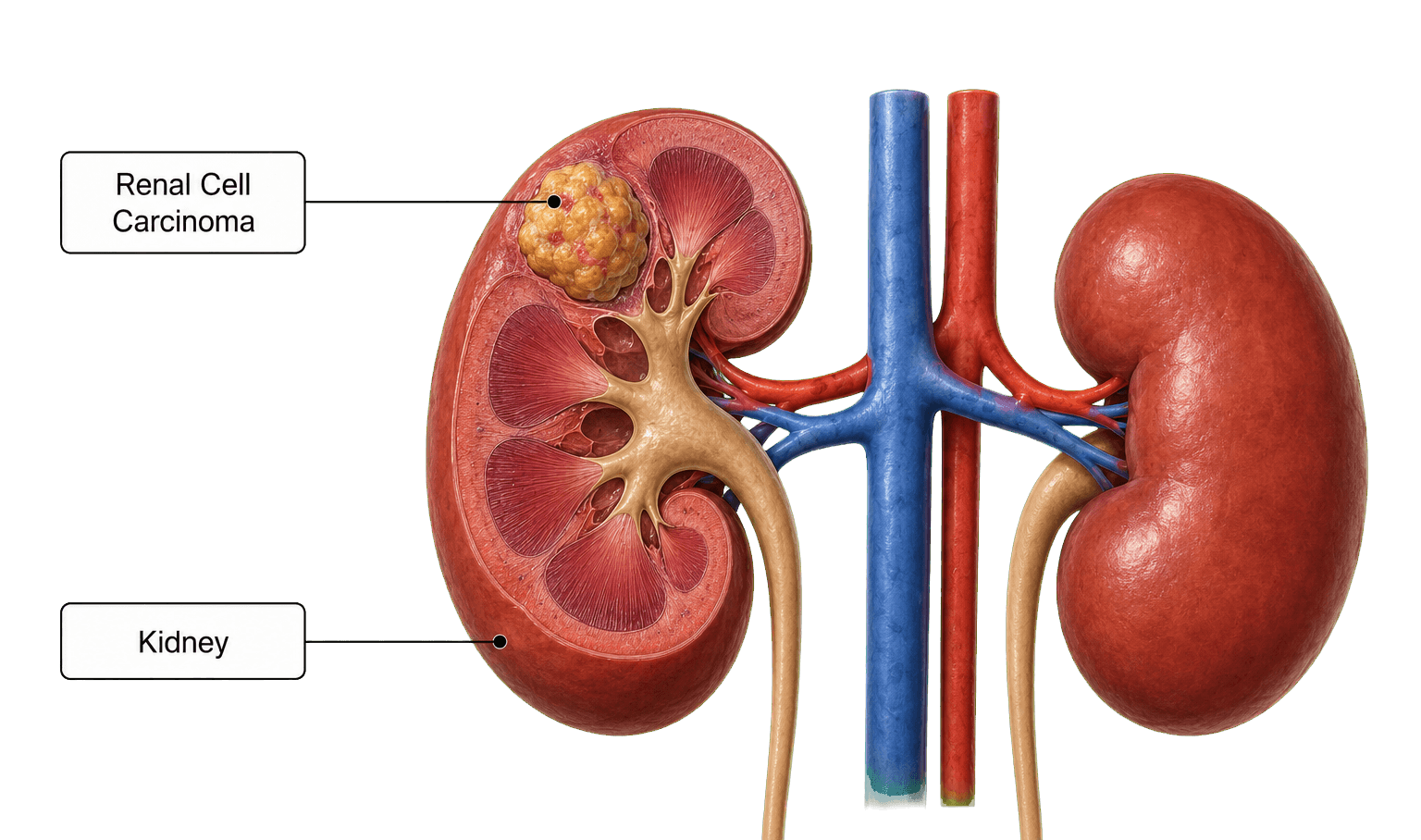
Renal cell carcinoma (RCC) is the most common form of kidney cancer. The kidneys are organs that filter the blood, remove waste products, and help regulate the body's fluid balance. Most people have two kidneys, positioned on either side of the spine in the lower back.
Overview
Renal cell carcinoma (RCC) is the most common type of kidney cancer. It begins in the tiny filtering tubes inside the kidneys, called tubules, where abnormal cells grow uncontrollably and form a tumor. RCC usually develops in one kidney, although multiple tumors can occur in one or both kidneys. :contentReference[oaicite:0]{index=0}
Many people with renal cell carcinoma have no symptoms during its early stages, and tumors are often discovered during imaging performed for other reasons. Treatment depends on whether the cancer remains confined to the kidney or has spread to other parts of the body, making early detection important whenever possible. :contentReference[oaicite:1]{index=1}
Risk Factors
Factors We Cannot Control
Older Age
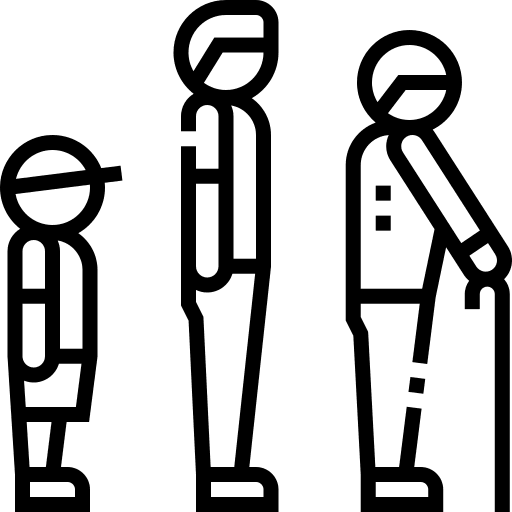
Renal cell carcinoma is most commonly diagnosed in adults between 60 and 80 years of age.

Male Sex
Men are more likely to develop renal cell carcinoma than women.

Inherited Genetic Conditions
Certain inherited disorders and gene changes can increase the risk of developing renal cell carcinoma.
Family History
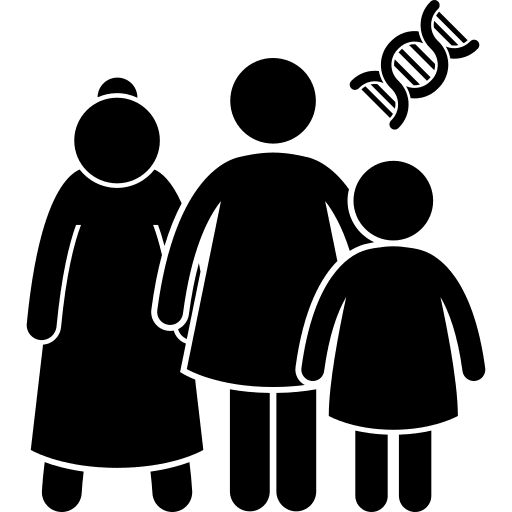
Having close biological relatives with kidney cancer may increase your likelihood of developing the disease.
Lifestyle & Health Factors

Smoking
Smoking tobacco is one of the most important preventable risk factors for renal cell carcinoma.

Obesity
Having obesity increases the risk of developing renal cell carcinoma.
Symptoms
1. Blood in the Urine
Blood in the urine (hematuria) is one of the most common symptoms of renal cell carcinoma.

2. Pain in the Side
Persistent pain in the side between the ribs and hips may occur.

3. Abdominal or Flank Lump
A firm lump may develop in the abdomen, lower back or side.

4. Fever or Night Sweats
Unexplained fever or night sweats can occur in some people.

5. Weight Loss
Losing weight without trying may be a sign of advanced disease.

6. Fatigue
Persistent tiredness or weakness may develop, sometimes due to anemia.

Diagnosis
1. Ultrasound
Ultrasound helps determine whether a kidney mass is fluid-filled or solid.

2. CT Scan
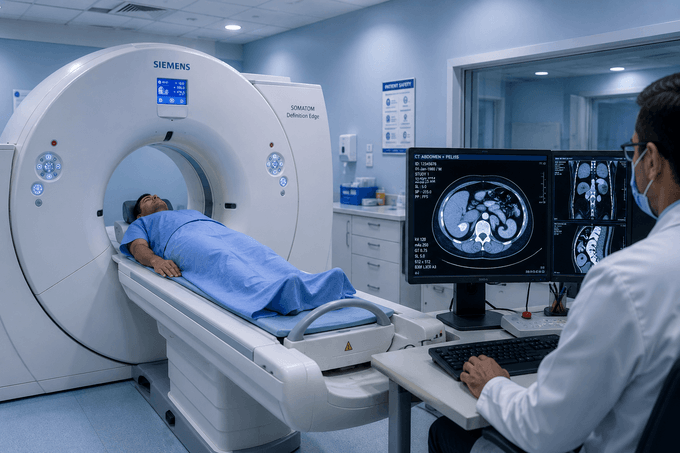
CT scans provide detailed images of the kidneys and help evaluate the size and location of the tumor.
3. MRI
MRI may be used when CT scans are unsuitable or when additional detail is needed.

4. Biopsy
Although not always required, a biopsy may be performed in selected cases to confirm the diagnosis or evaluate cancer that has spread.

5. Cancer Staging
Imaging studies help determine whether the cancer is localized or has spread, guiding treatment planning.

Treatments
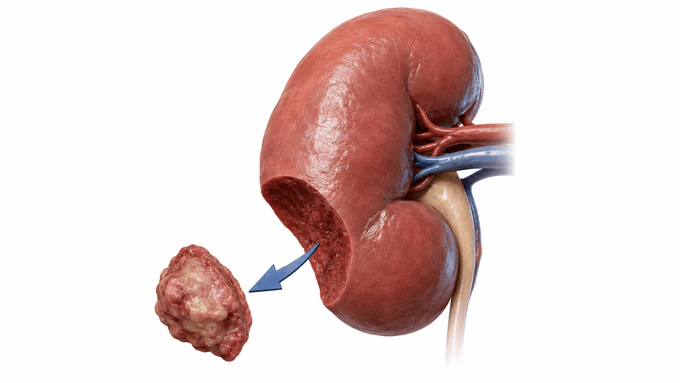
1. Partial Nephrectomy
Partial nephrectomy removes the tumor while preserving as much healthy kidney tissue as possible.
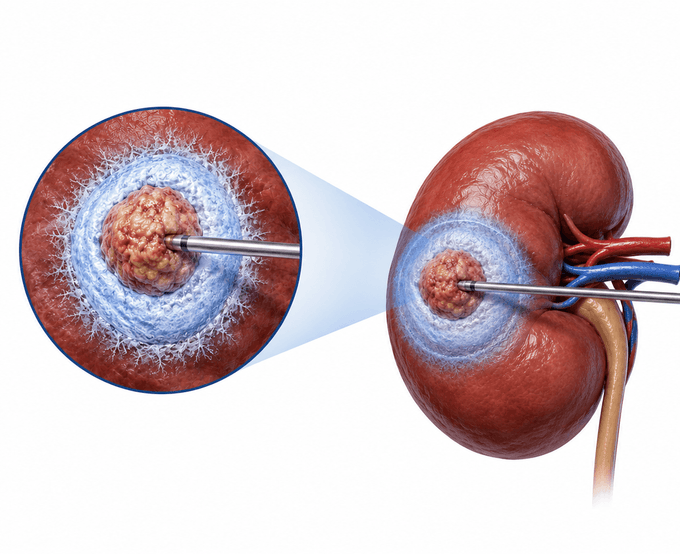
2. Cryotherapy or Radiofrequency Ablation
These procedures destroy cancer cells using extreme cold or heat when surgery is not suitable.
3. Immunotherapy
Immunotherapy helps the immune system recognize and attack renal cell carcinoma cells.

4. Targeted Therapy
Targeted therapy blocks specific pathways that help cancer cells grow and survive.

5. Radiation Therapy
Radiation therapy may be used to control symptoms or treat cancer that has spread to other areas.
