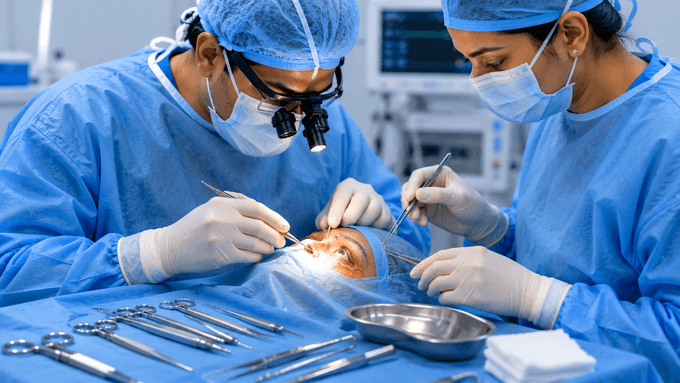
Retinoblastoma
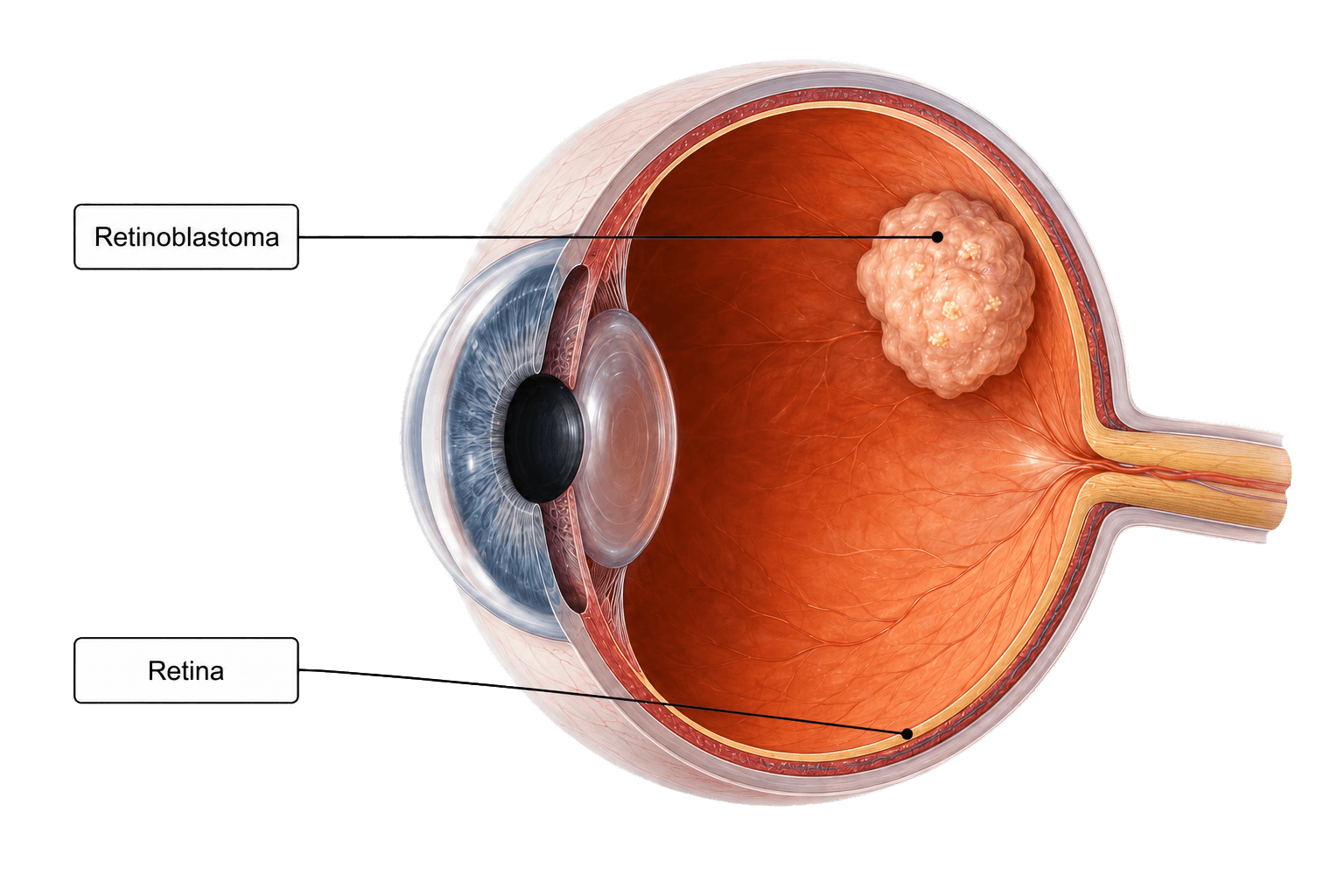
Retinoblastoma is a rare form of eye cancer that primarily affects children and develops in the retina. The retina is a light-sensitive layer at the back of the eye that receives light and converts it into signals, which are then transmitted to the brain to produce vision.
Overview
Retinoblastoma is a rare eye cancer that begins in the retina, the light-sensing tissue at the back of the eye. It primarily affects young children, most often before the age of 3, and may develop in one eye or both eyes. Early diagnosis greatly improves the chances of successful treatment and preserving vision whenever possible.
Retinoblastoma develops when changes in the RB1 gene cause retinal cells to grow uncontrollably and form tumors. The condition may occur sporadically or be inherited, and treatment is planned according to whether one or both eyes are affected and if the cancer has spread beyond the eye.
Risk Factors
Factors We Cannot Control

Young Age
Retinoblastoma almost always develops in young children, with most cases diagnosed before 3 years of age.
Inherited RB1 Gene Mutation
Some children inherit a mutation in the RB1 gene, significantly increasing their risk of developing retinoblastoma.
Family History
Children with a biological family history of retinoblastoma have a greater chance of developing the disease.
Lifestyle & Health Factors

No Lifestyle Risk Factors
This page does not identify clearly established lifestyle-related risk factors for astrocytoma.
Symptoms
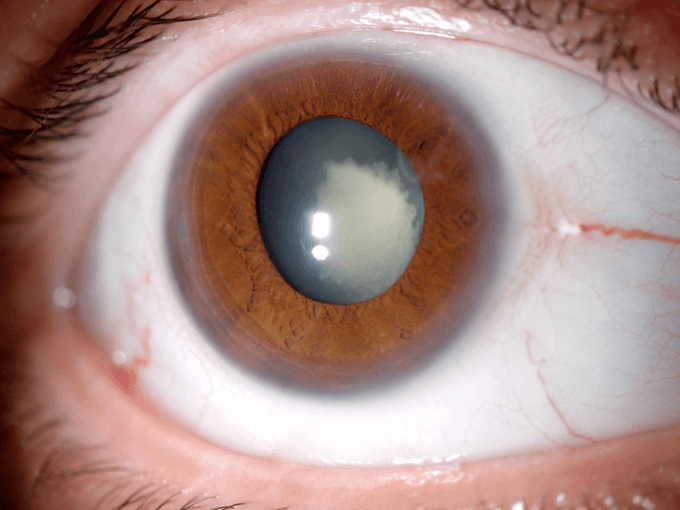
1. White Pupil (Leukocoria)
A white reflection in the pupil, especially in flash photographs, is the most common early sign of retinoblastoma.
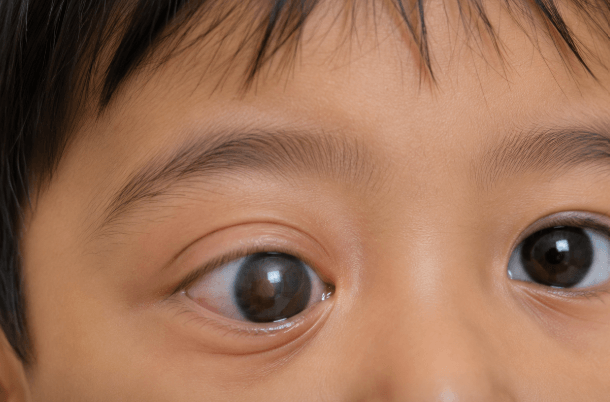
2. Crossed or Misaligned Eyes
The eyes may not point in the same direction because vision is affected.

3. Bulging or Enlarged Eye
Some children develop bulging or enlargement of the affected eye.
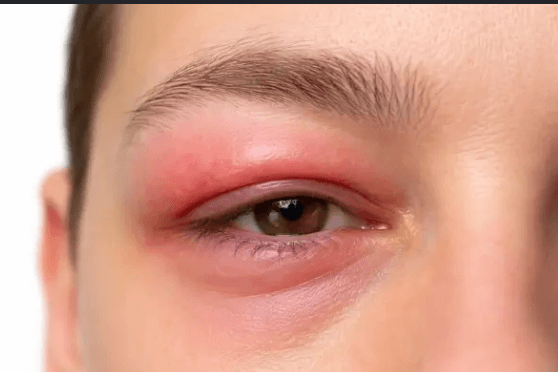
4. Eye Swelling or Redness
Inflammation or swelling around the eye can occur as the disease progresses.
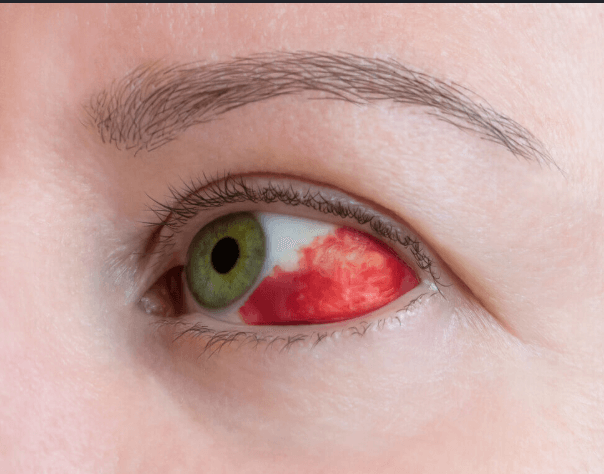
5. Blood in the Front of the Eye
Blood may collect in the front chamber of the eye in some children.
Diagnosis
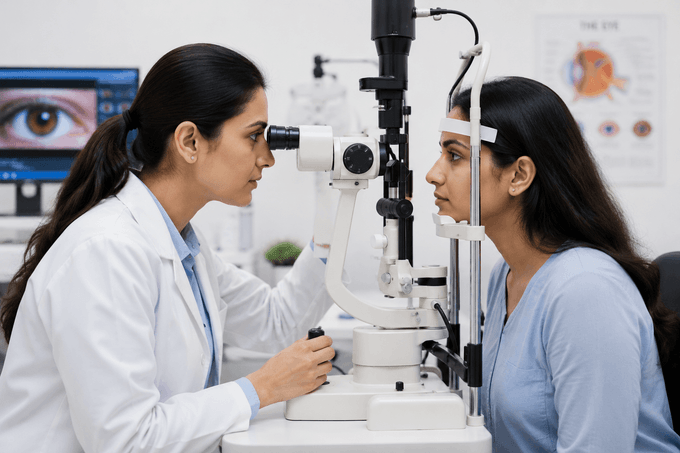
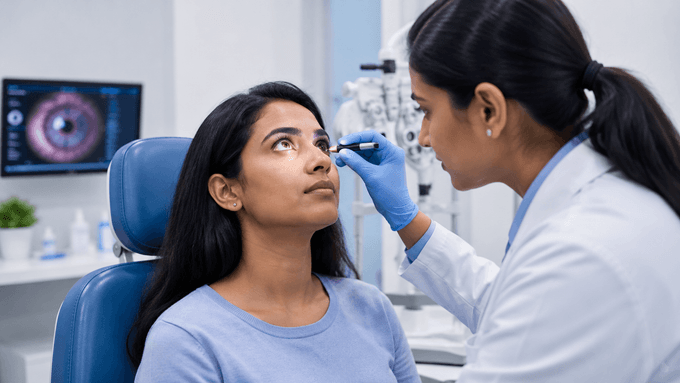
1. Dilated Eye Examination
An ophthalmologist examines the inside of the eye after dilating the pupil to identify tumors.
2. Ultrasound
Eye ultrasound helps detect tumors and calcium deposits commonly seen with retinoblastoma.

3. CT Scan
CT scans may identify calcium deposits and provide additional information about the tumor.
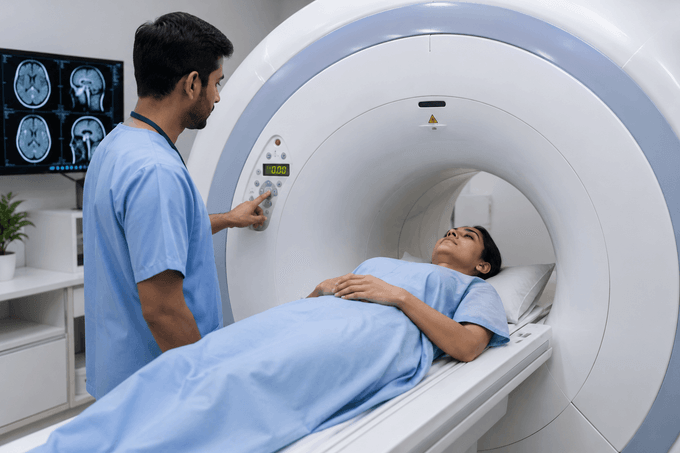
4. MRI
MRI helps determine whether the cancer has spread beyond the eye, particularly to the brain.
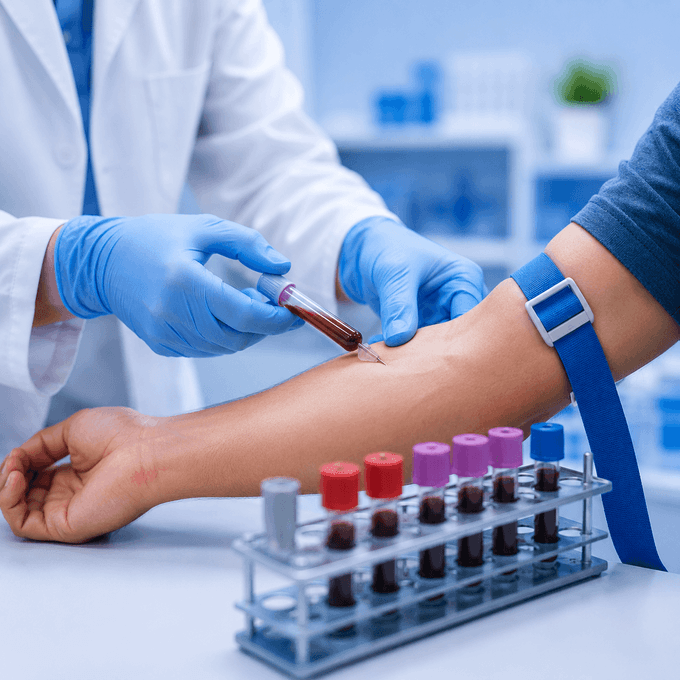
5. Genetic Testing
Testing for RB1 gene mutations helps determine whether the condition is hereditary.
Treatments
1. Chemotherapy
Chemotherapy destroys cancer cells and may shrink tumors before other treatments.

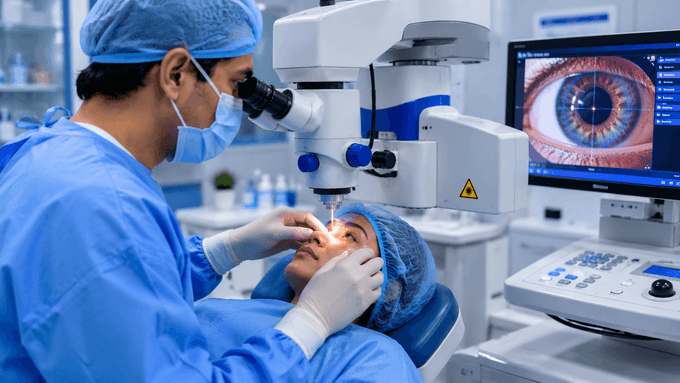
2. Laser Therapy
Laser treatment destroys blood vessels that supply the tumor, helping eliminate cancer cells.
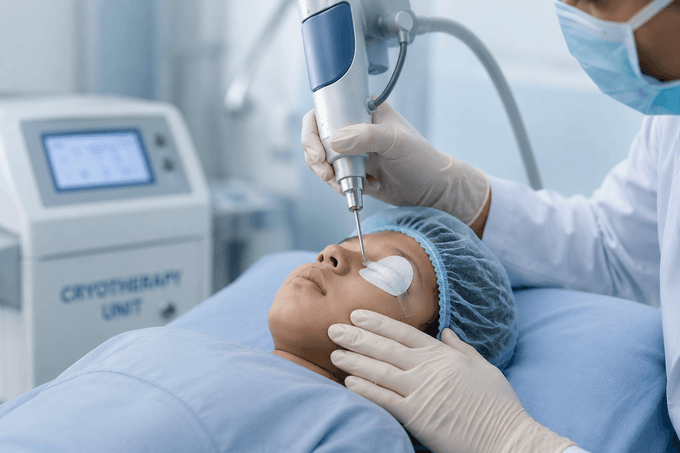
3. Cryotherapy
Cryotherapy freezes and destroys small retinoblastoma tumors.
4. Radiation Therapy
Radiation therapy may be used to precisely target and destroy cancer cells within the eye.

5. Thermotherapy
Thermotherapy uses controlled heat generated by laser energy to destroy cancer cells.
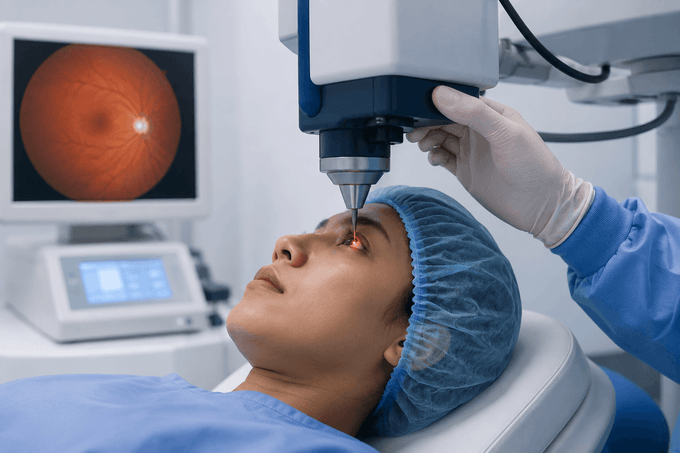
6. Enucleation
If vision cannot be preserved or the tumor is extensive, surgical removal of the affected eye may be necessary.