Rhabdomyosarcoma
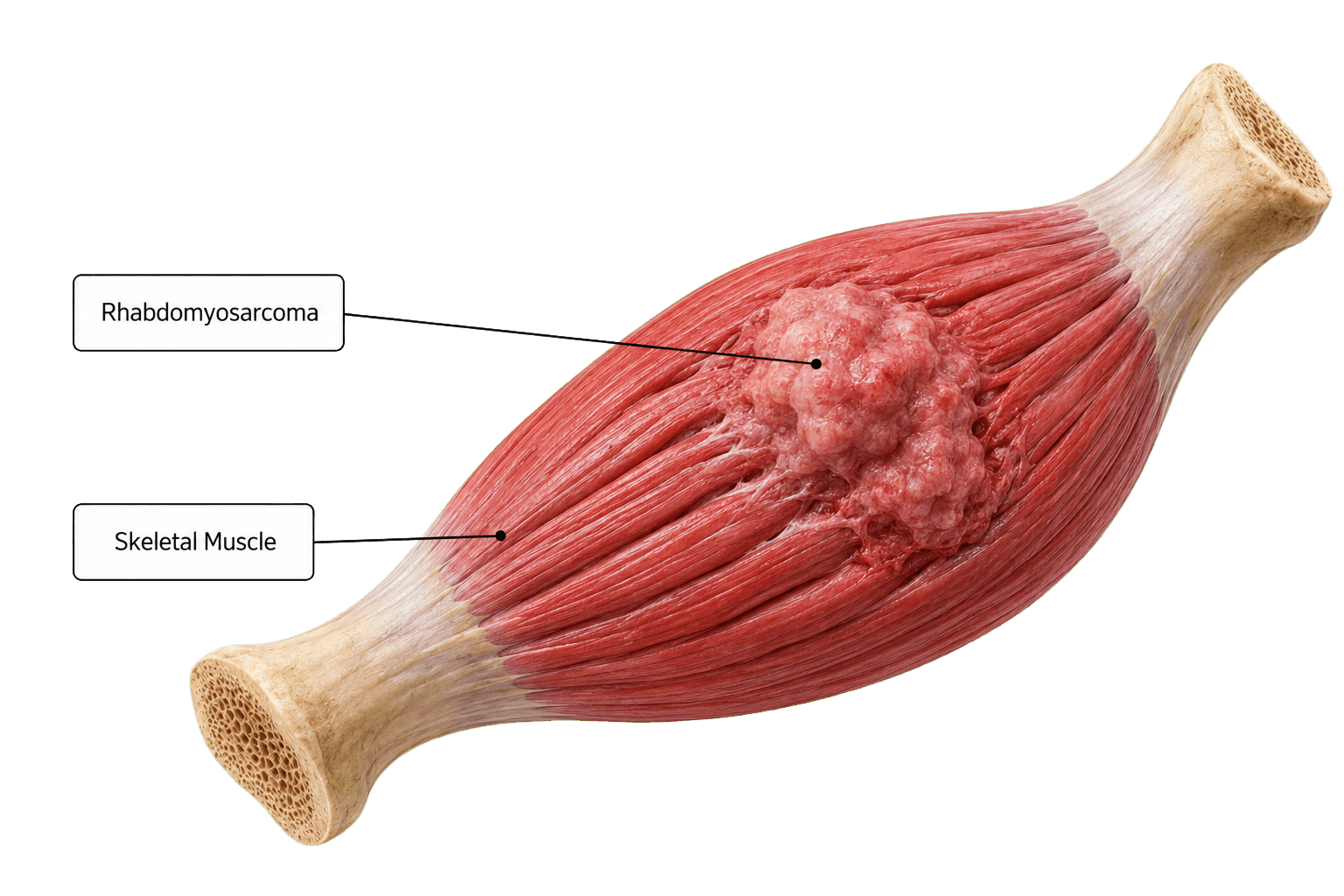
Rhabdomyosarcoma can develop in different parts of the body and most commonly occurs in areas associated with skeletal muscles. Skeletal muscles make up about 30% to 40% of the body's total mass and are attached to bones, enabling voluntary movement and supporting a wide range of everyday functions.
Overview
Rhabdomyosarcoma is a rare type of soft tissue cancer that develops from cells that normally form skeletal muscle. Although it can occur at any age, it most commonly affects children and teenagers and may develop in many parts of the body, including the head and neck, arms, legs, bladder and abdomen. :contentReference[oaicite:0]{index=0}
There are several forms of rhabdomyosarcoma that differ in how they behave and where they commonly occur. Treatment depends on the tumor type, its location and whether it has spread, and while many people respond well to treatment, the cancer can sometimes return after remission. :contentReference[oaicite:1]{index=1}
Risk Factors
Factors We Cannot Control

Young Age
Rhabdomyosarcoma most commonly affects children and teenagers, although adults can also develop the disease.
Inherited Genetic Disorders
Certain inherited genetic conditions can increase the risk of developing rhabdomyosarcoma.
Lifestyle & Health Factors

No Proven Lifestyle Risk Factors
Current evidence has not identified smoking, diet or other lifestyle habits as direct causes of thymoma or thymic carcinoma.
Symptoms
1. Lump or Swelling
A painless or painful lump in an arm, leg or another part of the body may be an early sign.

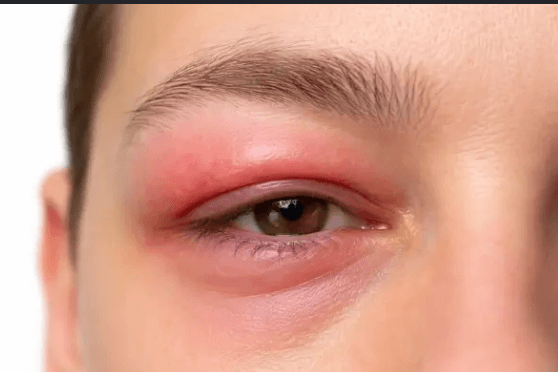
2. Eye Bulging or Swelling
Tumors near the eye may cause the eye to bulge or become swollen.
3. Nosebleeds or Sinus Problems
Tumors in the nasal cavity may lead to persistent nosebleeds or sinus-related symptoms.

4. Blood in Urine or Difficulty Urinating
Tumors involving the bladder or urinary tract may cause urinary symptoms.

5. Abdominal Pain or Vomiting
Tumors within the abdomen can cause pain, constipation or vomiting.

Diagnosis
1. Physical Examination
A healthcare provider checks for lumps, swelling and other signs while reviewing symptoms and family history.

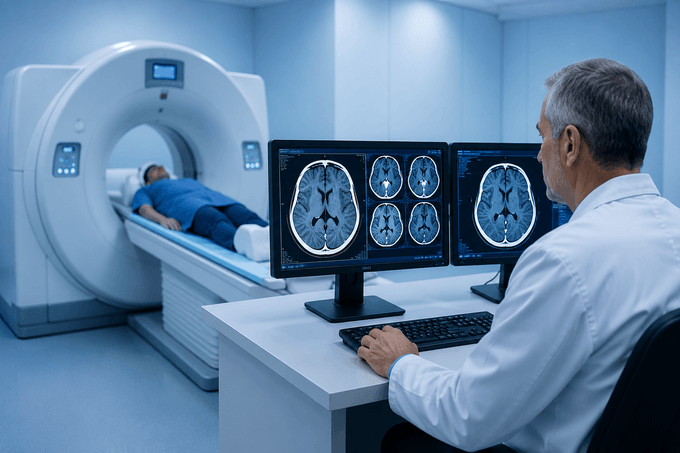
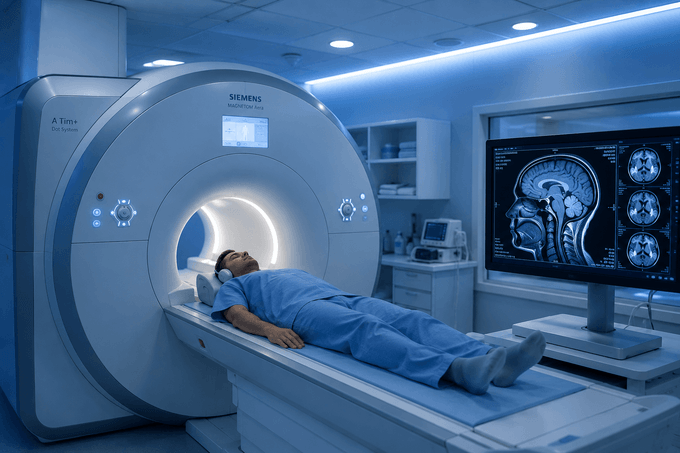
2. CT Scan or MRI
Imaging tests help determine the tumor's size, location and relationship to nearby structures.
3. PET Scan or Bone Scan
These scans help determine whether the cancer has spread to other parts of the body.
4. Biopsy
A tissue sample is examined under a microscope to confirm the diagnosis.

Treatments
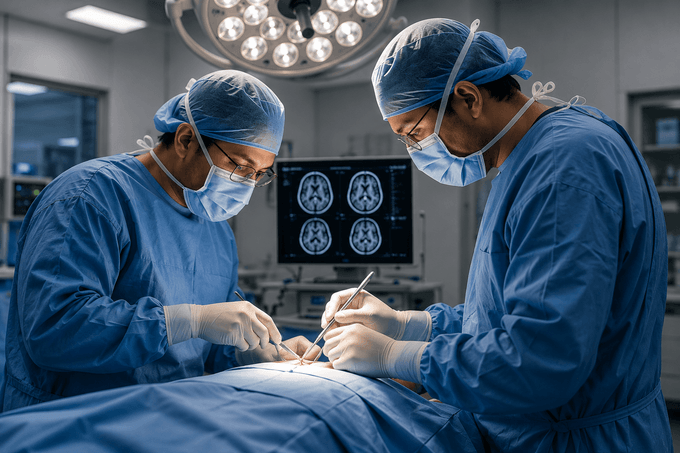
1. Surgery
Surgery aims to remove as much of the tumor as possible while preserving nearby healthy tissue.
2. Chemotherapy
Chemotherapy uses medicines to destroy cancer cells throughout the body.

3. Radiation Therapy
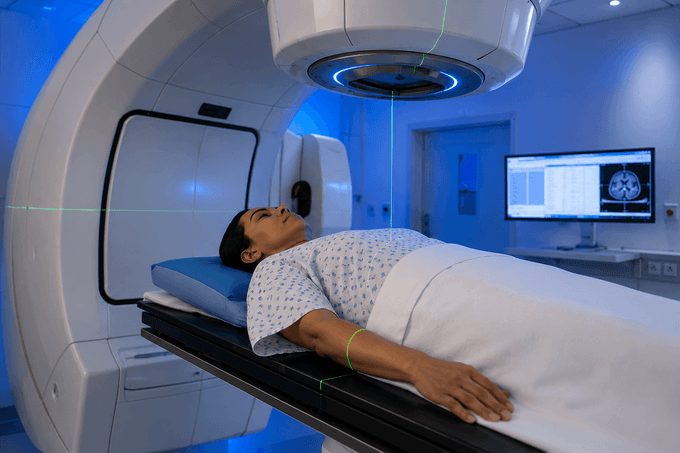
Radiation therapy uses high-energy beams to destroy remaining cancer cells after surgery or chemotherapy.