Skin Cancer
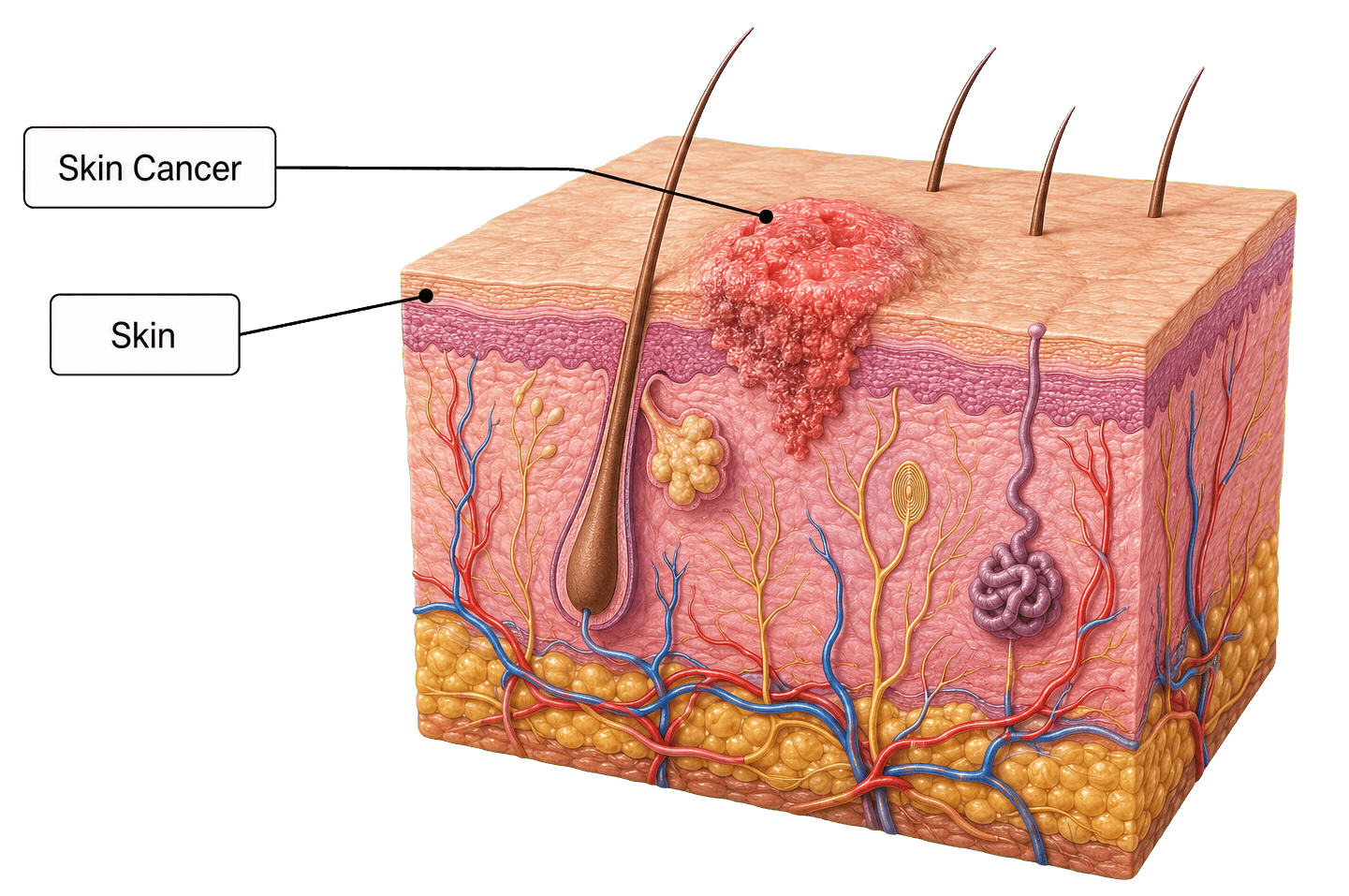
The skin is the body's largest organ and is composed of water, proteins, fats, and minerals. It serves as a protective barrier against germs, helps regulate body temperature, and allows the body to sense touch, heat, and cold.
Overview
Skin cancer develops when abnormal skin cells grow uncontrollably, most often because of damage caused by ultraviolet (UV) radiation from the sun or tanning beds. It is the most common type of cancer worldwide.
The three main types of skin cancer are basal cell carcinoma, squamous cell carcinoma and melanoma. Most skin cancers are highly treatable when detected early. Regular skin examinations, sun protection and prompt evaluation of suspicious skin changes are important for early diagnosis and successful treatment.
Risk Factors
Factors We Cannot Control

Many or Unusual Moles
Having many moles or atypical moles increases the risk, particularly for melanoma.
Family or Personal History
A personal or family history of skin cancer increases the likelihood of developing it again.

Weakened Immune System
People with weakened immune systems have a greater risk of developing skin cancer.
Lifestyle & Health Factors
Excessive UV Exposure
Long-term exposure to sunlight or ultraviolet radiation is the leading cause of skin cancer.
Tanning Beds
Using indoor tanning beds significantly increases the risk of developing skin cancer, including melanoma.
Symptoms
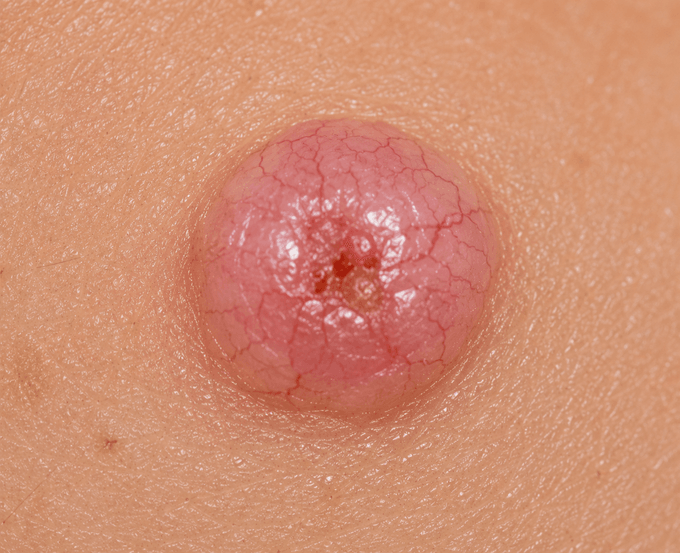
1. New Skin Growth
A new bump, spot or lesion that continues to grow may be an early sign of skin cancer.
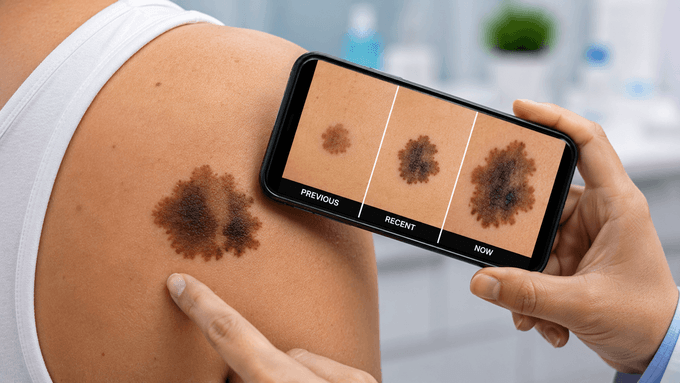
2. Changing Mole
A mole that changes in size, shape, color or begins to bleed should be evaluated.
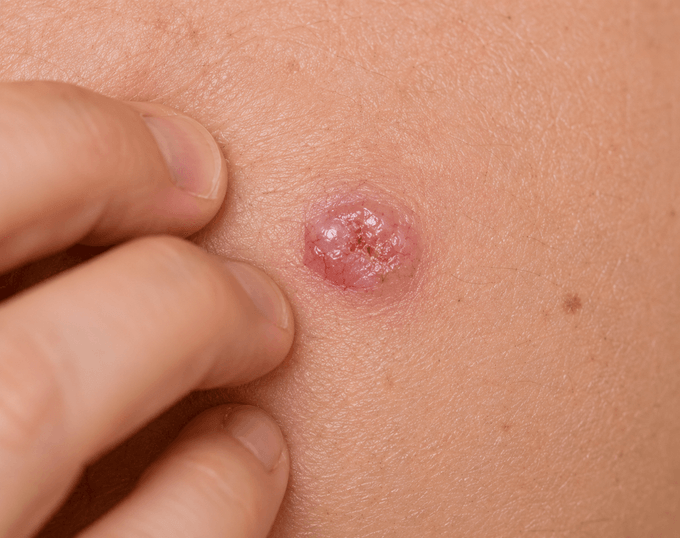
3. Non-Healing Sore
A sore that doesn't heal or repeatedly returns may indicate skin cancer.
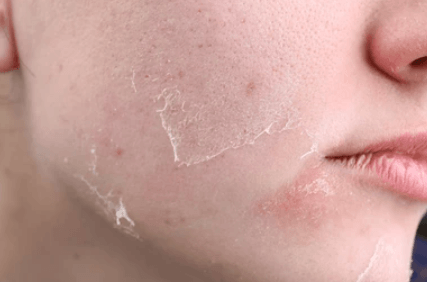
4. Scaly or Crusty Patch
Persistent rough, scaly or crusted patches may be a warning sign of skin cancer.
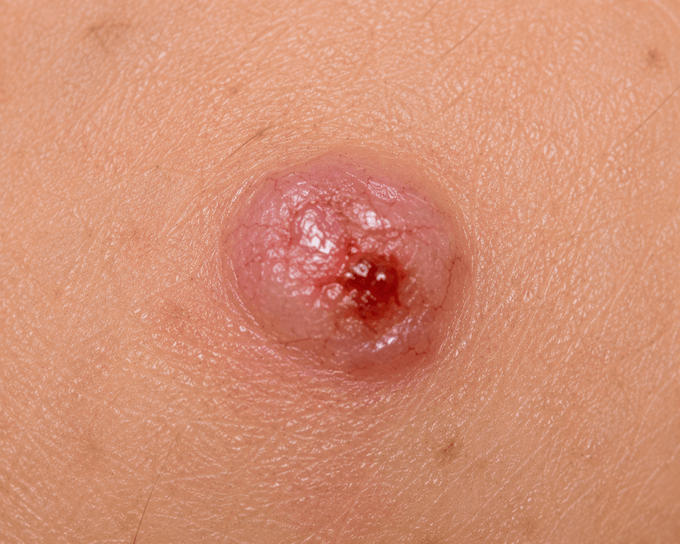
5. Bleeding or Itching Lesion
A skin lesion that bleeds, itches or becomes painful should be examined by a healthcare provider.
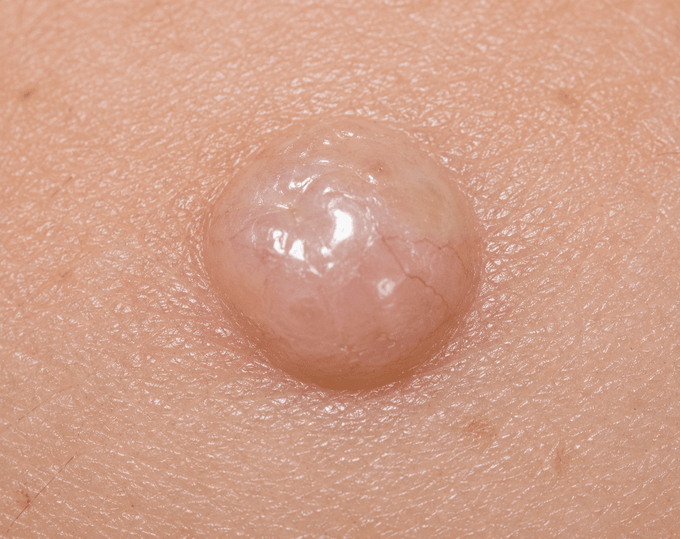
6. Pearly or Waxy Bump
A shiny, pearly or waxy bump is a common sign of basal cell carcinoma.
Diagnosis
1. Skin Examination
A healthcare provider or dermatologist carefully examines suspicious skin lesions and moles.

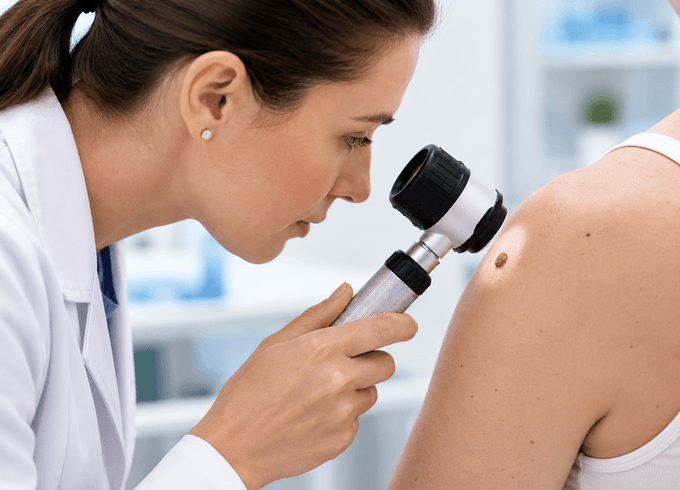
2. Dermoscopy
A dermatoscope provides a magnified view of skin lesions to identify suspicious features.
3. Skin Biopsy
Removing a sample of skin tissue confirms the diagnosis and identifies the type of skin cancer.

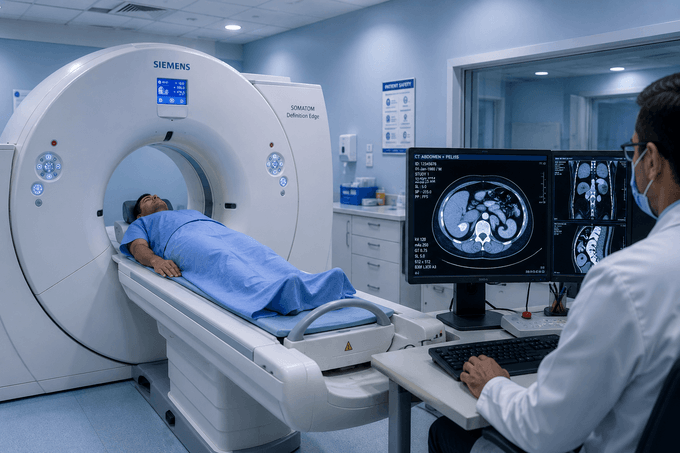
4. CT, MRI or PET Scan
Imaging tests may be used if there is concern that the cancer has spread beyond the skin.
Treatments
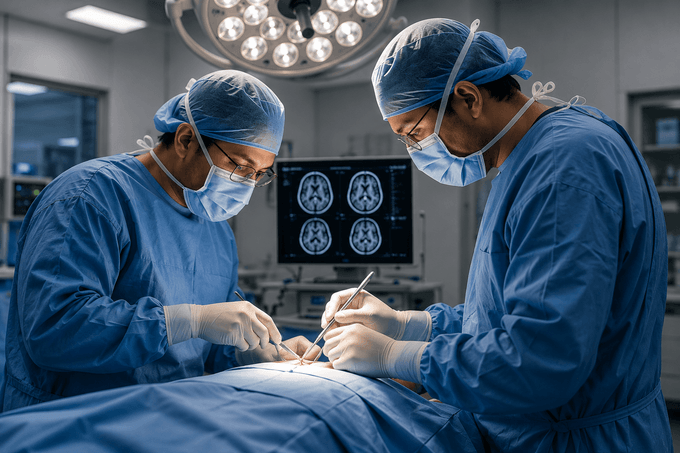
1. Surgery
Surgical removal is the most common treatment for skin cancer and often cures early-stage disease.
2. Mohs Surgery
Mohs surgery removes cancer layer by layer while preserving as much healthy skin as possible.
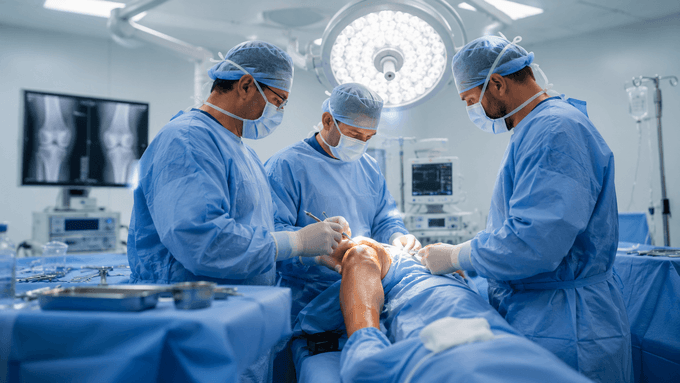
3. Radiation or Systemic Therapy
Advanced skin cancers may require radiation therapy, chemotherapy, immunotherapy or targeted therapy depending on the cancer type.