Small Intestine Cancer
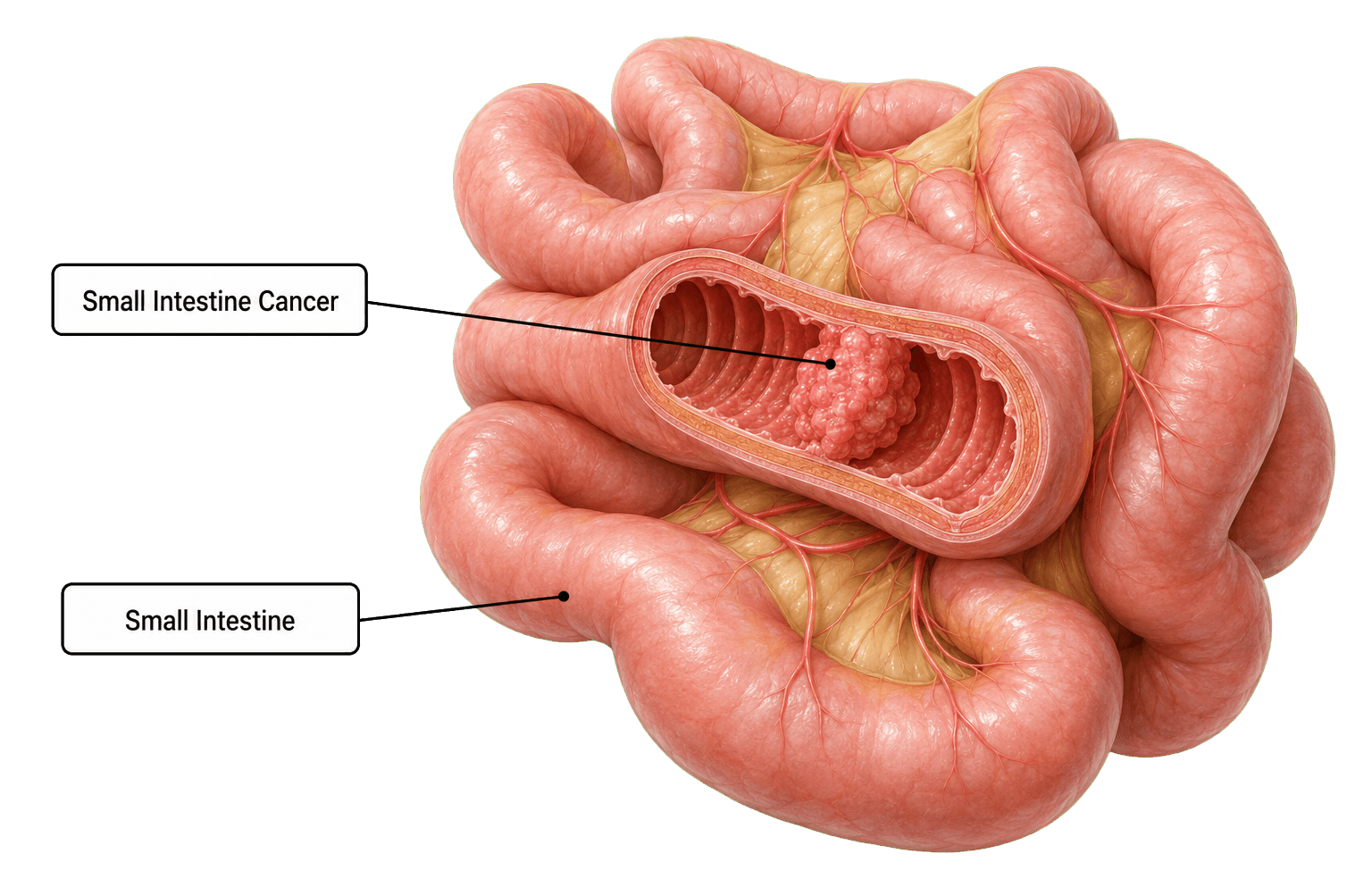
The small intestine, also known as the small bowel, is a vital part of the digestive system that connects the stomach to the large intestine. It breaks down food, absorbs nutrients and water, and moves digested food through the digestive tract.
Overview
Small intestine cancer is a rare cancer that develops when abnormal cells grow uncontrollably in the tissues of the small intestine (small bowel). It most commonly occurs in the duodenum or ileum and can interfere with normal digestion and nutrient absorption.
There are several types of small intestine cancer, including adenocarcinoma, neuroendocrine (carcinoid) tumors, lymphoma and gastrointestinal stromal tumors (GIST). Treatment depends on the cancer type, stage and location and may include surgery, chemotherapy, radiation therapy, targeted therapy or immunotherapy.
Risk Factors
Factors We Cannot Control

Older Age
Most people diagnosed with small intestine cancer are over 65 years of age.

Inherited Genetic Syndromes
Conditions such as Lynch syndrome, familial adenomatous polyposis (FAP) and Peutz-Jeghers syndrome increase the risk.

Crohn's Disease or Celiac Disease
Long-term inflammatory bowel conditions increase the likelihood of developing small intestine cancer.

Weakened Immune System
People with weakened immune systems or certain autoimmune diseases have a higher risk.
Lifestyle & Health Factors

Smoking
Tobacco use may increase the risk of developing small intestine cancer.

Diet High in Red or Smoked Meat
Some studies suggest that diets rich in smoked, salty or processed meats may contribute to risk.
Symptoms
1. Abdominal Pain or Cramps
Persistent abdominal pain or cramping is one of the most common symptoms.

2. Unexplained Weight Loss
Losing weight without trying may be an early warning sign.

3. Nausea and Vomiting
A growing tumor may block the intestine, leading to nausea or vomiting.

4. Blood in Stool
Bleeding from the tumor may cause red or black-colored stools.

5. Abdominal Lump
Some people develop a noticeable lump or swelling in the abdomen.

6. Fatigue or Anemia
Chronic bleeding may lead to anemia, causing weakness and fatigue.

Diagnosis
1. Physical Examination
Your healthcare provider reviews symptoms, medical history and examines your abdomen.

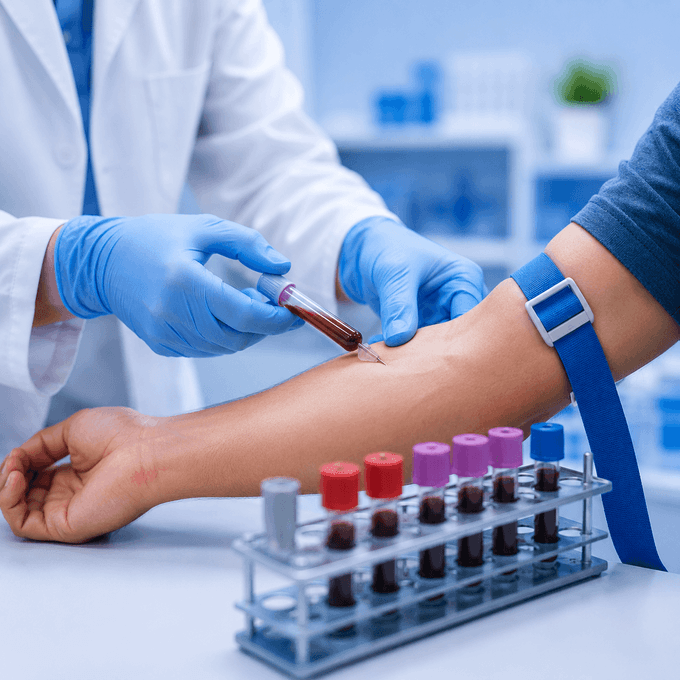
2. Blood Tests
Blood tests help identify anemia, liver function changes and other abnormalities.
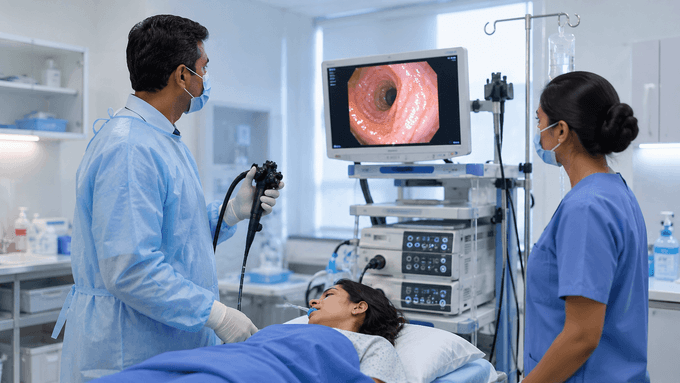
3. Endoscopy or Capsule Endoscopy
These procedures allow doctors to examine the inside of the small intestine and obtain tissue samples if needed.
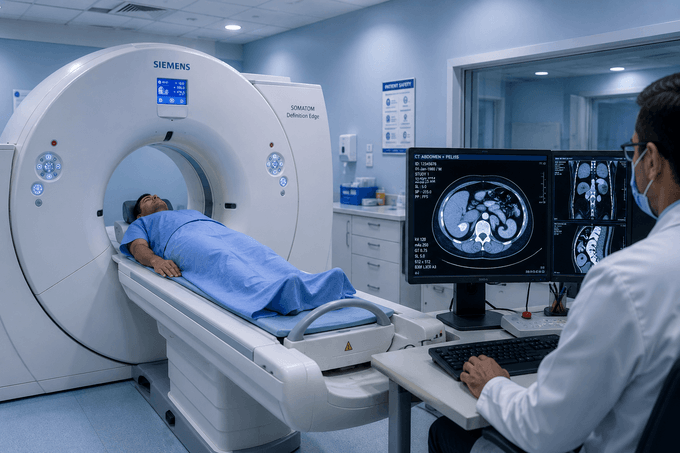
4. CT Scan or MRI
Imaging tests determine the location, size and spread of the tumor.
5. Biopsy
A biopsy confirms the diagnosis and identifies the specific type of small intestine cancer.

Treatments
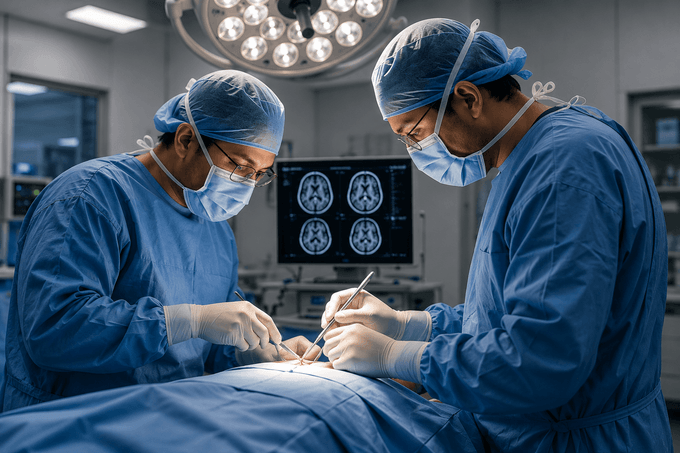
1. Surgery
Surgery is the primary treatment and removes the tumor along with affected portions of the small intestine if necessary.
2. Chemotherapy
Chemotherapy may be recommended after surgery or for advanced cancers to destroy cancer cells.

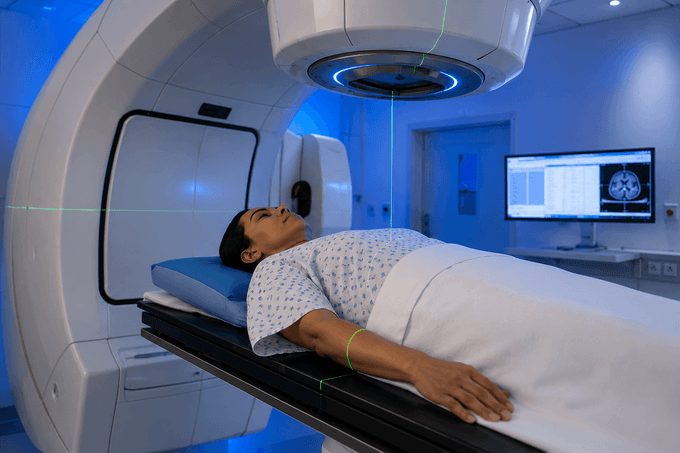
3. Radiation Therapy
Radiation therapy may be used for selected cases or to help relieve symptoms when surgery isn't possible.
4. Targeted Therapy or Immunotherapy
Certain tumor types may benefit from targeted therapy or immunotherapy depending on their genetic characteristics.