Testicular Cancer
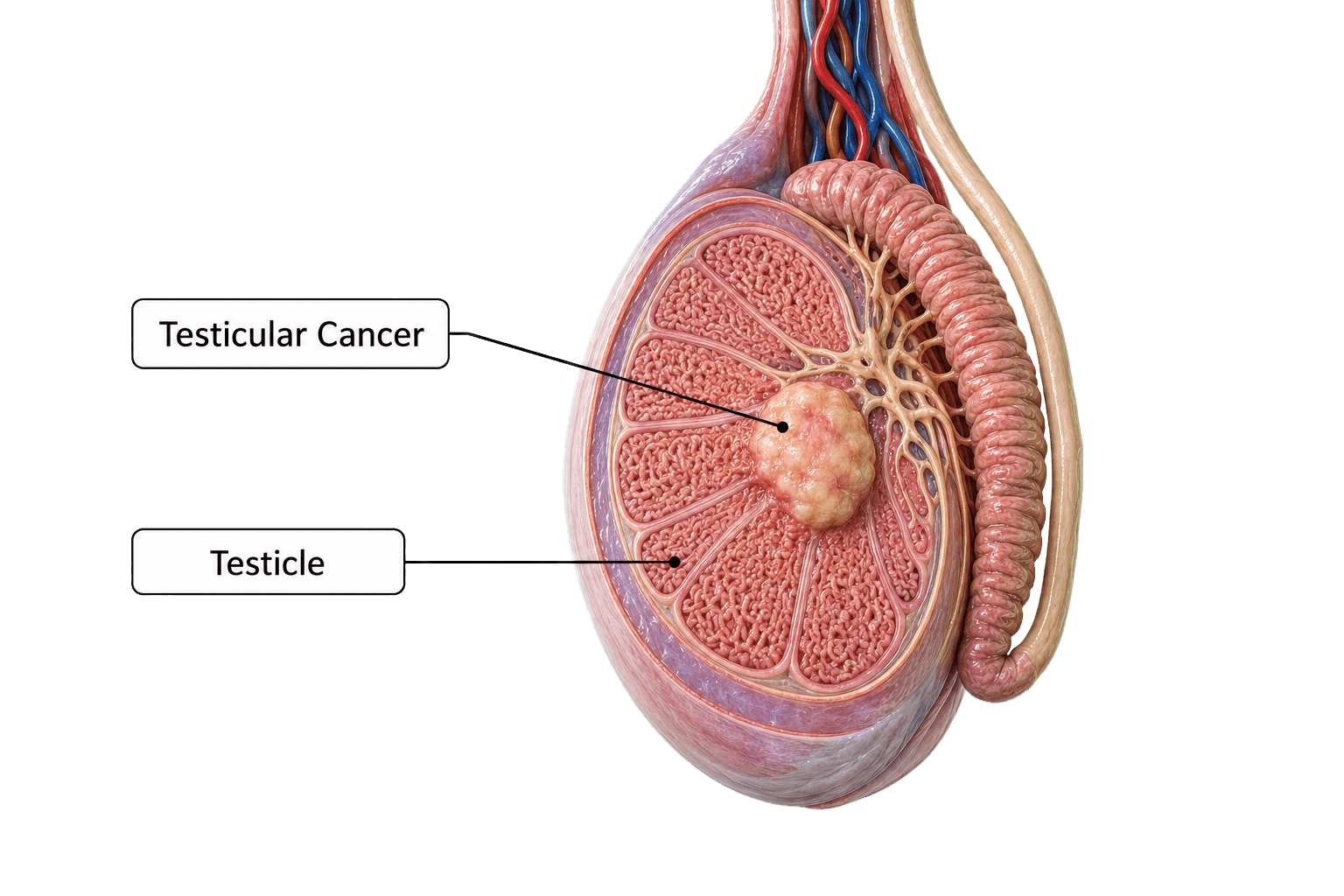
The testicles, also known as testes, are part of the male reproductive system and are located within the scrotum. They produce sperm and the hormone testosterone, which plays an important role in puberty by contributing to muscle development, body and facial hair growth, a deeper voice, and increased height.
Overview
Testicular cancer develops when abnormal cells grow uncontrollably in one or both testicles. Although it is uncommon overall, it is the most frequently diagnosed cancer in males between 15 and 44 years of age. Most testicular cancers begin in germ cells, which are responsible for producing sperm. :contentReference[oaicite:0]{index=0}
The type of tumor and the extent of disease help determine the most appropriate treatment approach. Testicular cancer is highly treatable, and early diagnosis often leads to excellent outcomes with a high likelihood of cure. :contentReference[oaicite:1]{index=1}
Risk Factors
Factors We Cannot Control

Undescended Testicle
People born with an undescended testicle have a higher risk of developing testicular cancer.
Family History
Having a father, brother or son with testicular cancer increases the likelihood of developing the disease.

Previous Testicular Cancer
People who have had testicular cancer in one testicle are at greater risk of developing it in the other.

Inherited Conditions
Certain inherited conditions, including Klinefelter syndrome, increase the risk of testicular cancer.
Lifestyle & Health Factors

Low Fertility or Infertility
Reduced fertility has been associated with an increased risk of testicular cancer.
Symptoms
1. Painless Lump
A painless lump or hard mass in a testicle is the most common sign of testicular cancer.

2. Swelling
One testicle may become swollen or enlarged without an obvious cause.

3. Feeling of Heaviness
A sensation of heaviness or pressure in the scrotum may develop.

4. Back or Chest Pain
If the cancer has spread, symptoms may include back pain, chest pain or shortness of breath.

5. Unexplained Weight Loss
Weight loss without trying may occur in advanced stages of the disease.

Diagnosis
1. Physical Examination
Your healthcare provider checks the testicles for lumps, swelling and enlarged lymph nodes.

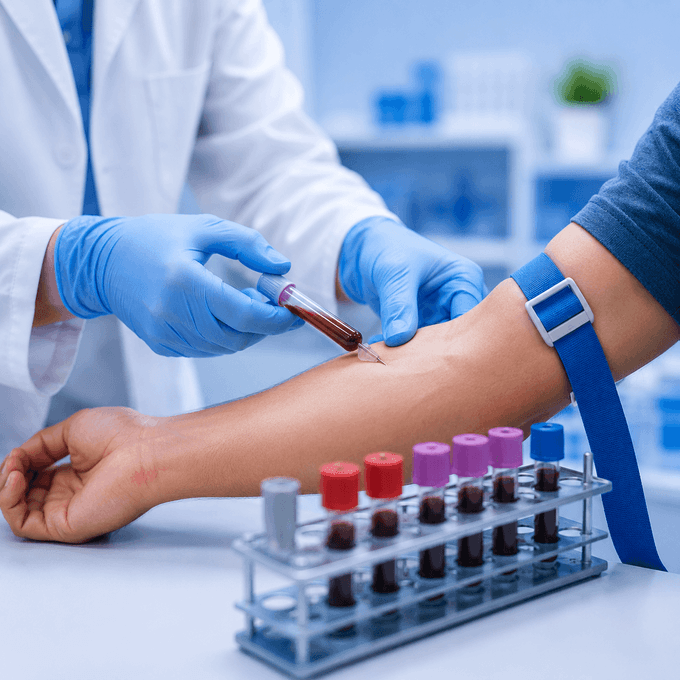
2. Blood Tumor Marker Tests
Blood tests measure tumor markers such as AFP, beta-hCG and LDH to assist diagnosis and treatment planning.
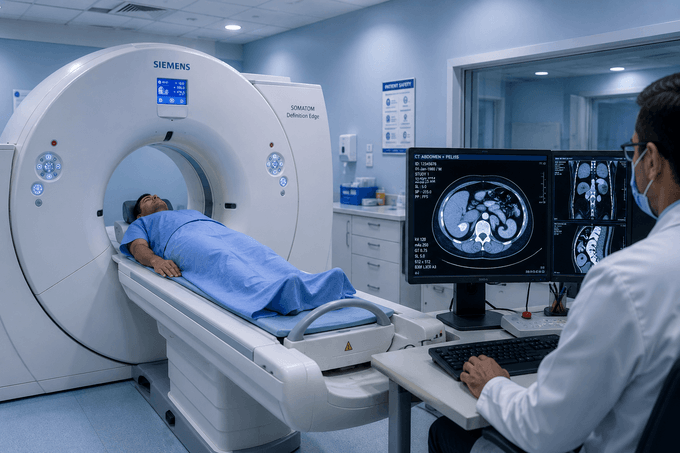
3. CT Scan or MRI
Imaging tests determine whether cancer has spread beyond the testicle.
Treatments
1. Radical Inguinal Orchiectomy
Surgical removal of the affected testicle is the primary treatment for nearly all cases.

2. Retroperitoneal Lymph Node Dissection
Surgery to remove abdominal lymph nodes may be recommended for certain nonseminoma tumors.

3. Radiation Therapy
Radiation therapy may be used after surgery for selected seminoma tumors.

4. Chemotherapy
Chemotherapy destroys cancer cells that have spread beyond the testicle or reduces the risk of recurrence.