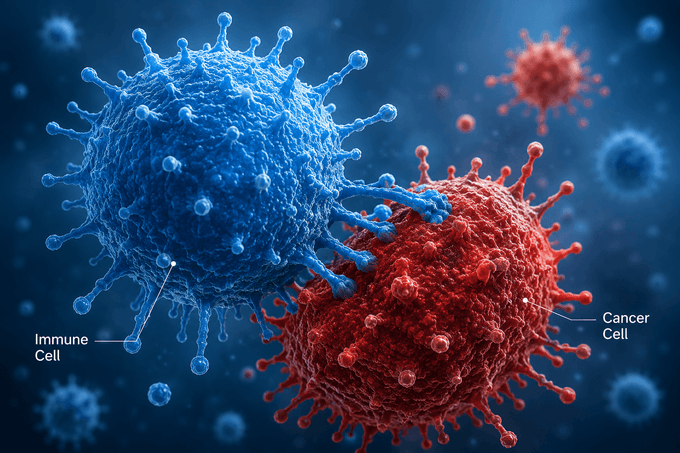
Throat Cancer
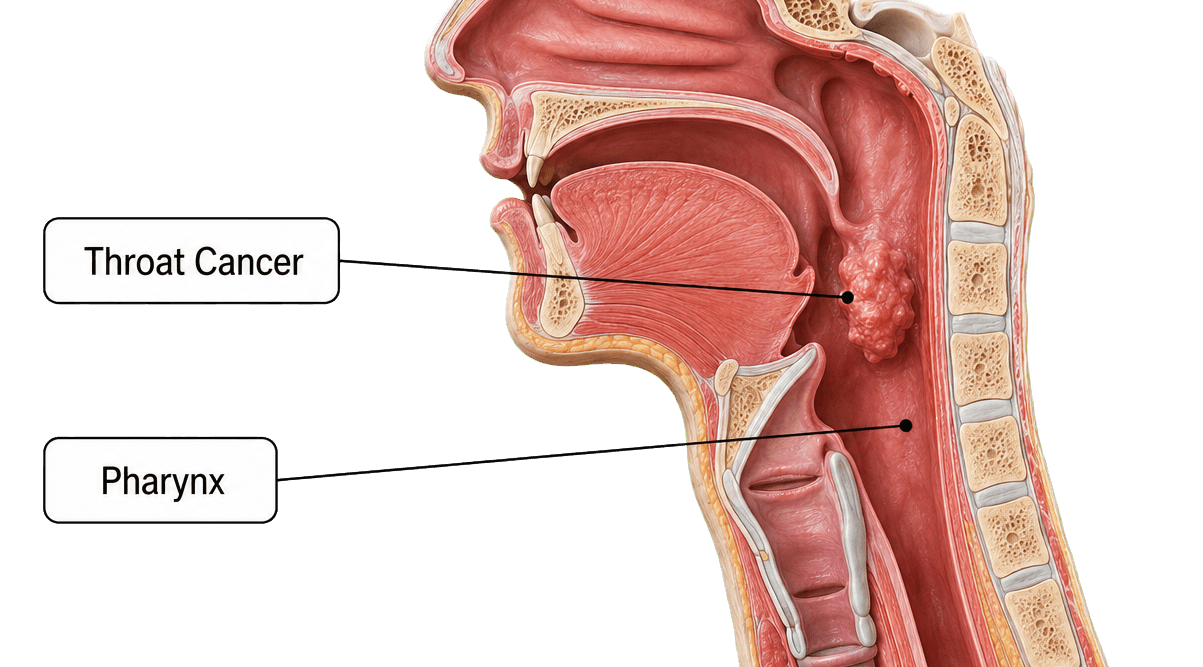
The pharynx, commonly known as the throat, is a muscular tube located in the neck that forms part of both the respiratory and digestive systems. It helps direct air to the lungs and carries food and liquids to the esophagus while helping keep them out of the airway.
Overview
Throat cancer is a general term for cancers that develop in the throat (pharynx) or voice box (larynx). These cancers begin when abnormal cells grow uncontrollably in tissues of the throat. In the United States, most throat cancers develop in the oropharynx, which is the middle part of the throat. :contentReference[oaicite:0]{index=0}
Throat cancer often causes few symptoms in its early stages, and early signs may resemble common conditions such as a sore throat or earache. The type, location and extent of the cancer guide treatment decisions, and early diagnosis improves the chances of successful treatment while helping preserve important functions like speaking and swallowing. :contentReference[oaicite:1]{index=1}
Risk Factors
Factors We Cannot Control

Epstein-Barr Virus Infection
Epstein-Barr virus infection increases the risk of certain throat cancers, especially nasopharyngeal cancer.
Exposure to Harmful Substances
Long-term exposure to substances such as asbestos, wood dust and formaldehyde can increase the risk.
Lifestyle & Health Factors

Smoking or Tobacco Use
Smoking and using tobacco products are the strongest risk factors for throat cancer.

Heavy Alcohol Consumption
Drinking excessive amounts of alcohol increases the risk, particularly when combined with tobacco use.
Symptoms
1. Hoarseness or Voice Changes
Ongoing hoarseness or changes in the voice are common symptoms, particularly with laryngeal cancer.

2. Difficulty Swallowing
Pain or difficulty while swallowing can occur as the tumor grows.

3. Neck Lump
A lump in the neck may indicate enlarged lymph nodes affected by cancer.

4. Ear Pain
Persistent ear pain without an ear infection can be associated with throat cancer.

Diagnosis
1. Physical Examination
A healthcare provider examines the throat and neck for lumps or other signs of cancer.

2. Endoscopy or Laryngoscopy
A thin scope is used to examine the throat and voice box for abnormal tissue.

3. Biopsy
A biopsy removes suspicious tissue to confirm the presence of cancer cells.

4. CT Scan or MRI
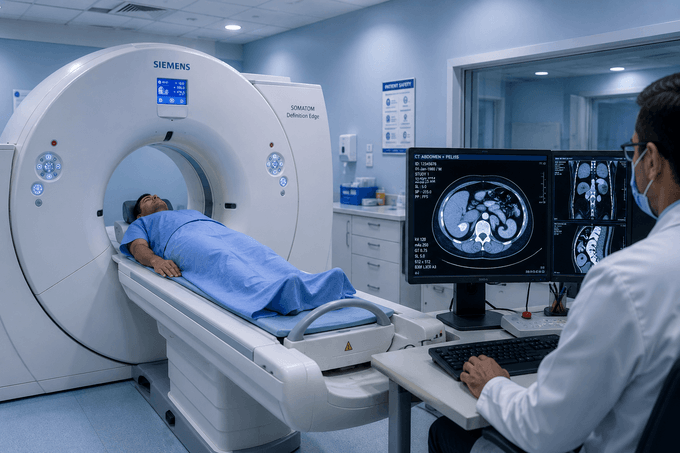
Imaging helps determine the size of the tumor and whether it has spread.
5. PET Scan
PET scanning helps identify cancer that has spread beyond the throat.

Treatments
1. Surgery
Surgery removes the tumor while preserving breathing, speaking and swallowing whenever possible.

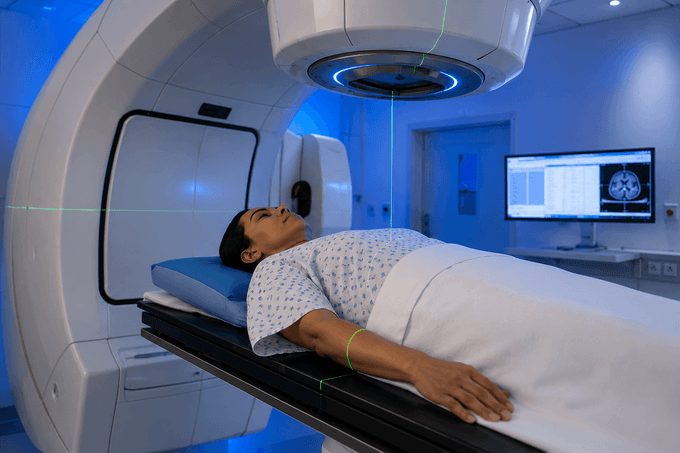
2. Radiation Therapy
Radiation therapy may be used alone for early cancers or combined with other treatments.
3. Chemotherapy
Chemotherapy is often combined with radiation therapy or used before or after surgery.

4. Targeted Therapy
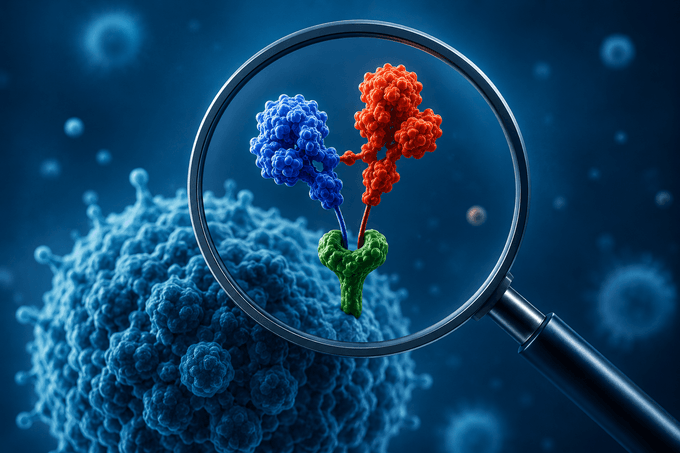
Targeted therapy blocks specific proteins that help cancer cells grow.
5. Immunotherapy
Immunotherapy helps the immune system recognize and attack certain advanced throat cancers.