Thymoma & Thymic Carcinoma
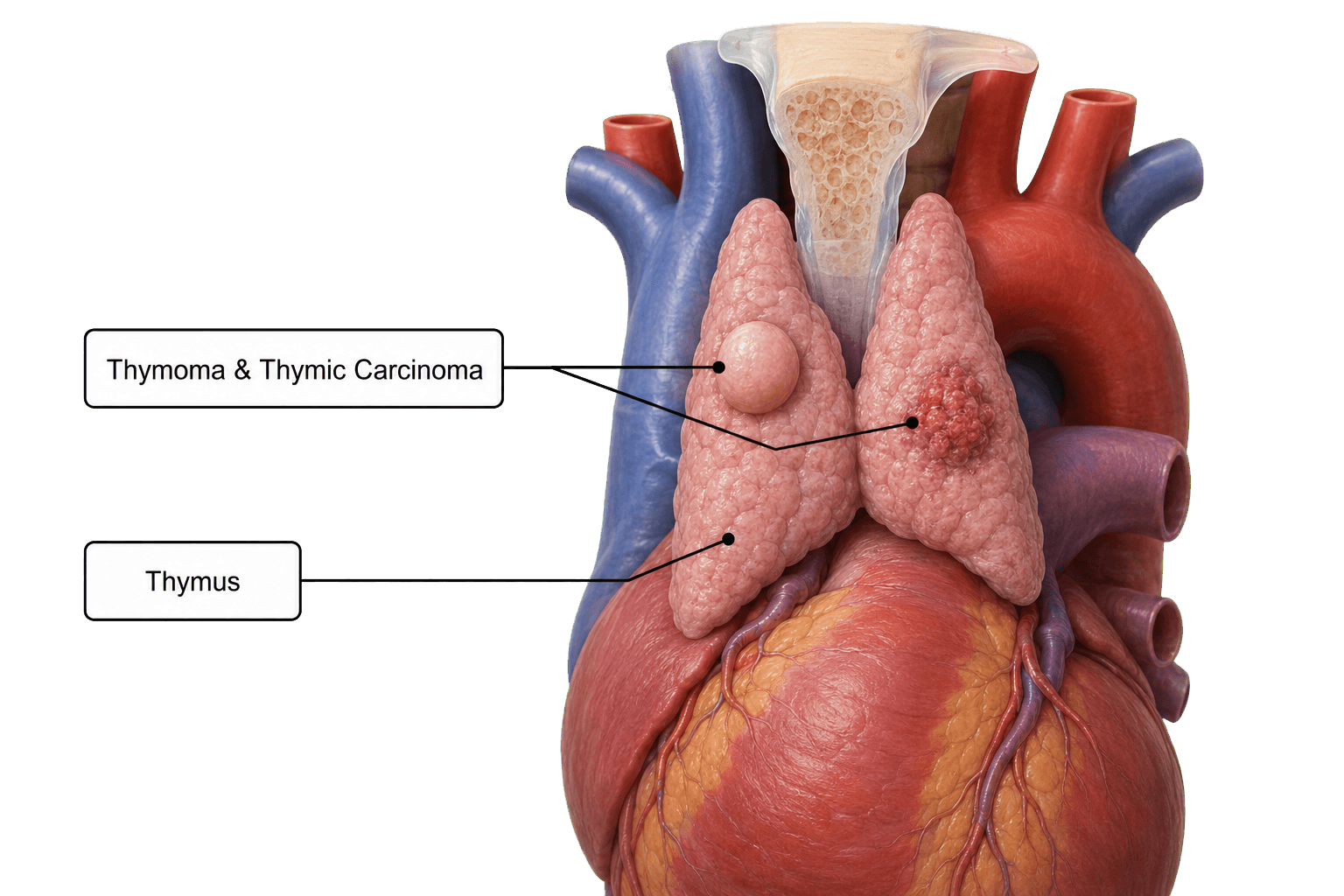
Thymomas and thymic carcinomas are rare cancers that develop in the thymus gland. The thymus is a small gland that is part of the lymphatic and endocrine systems, where it helps produce and mature T-cells, a type of white blood cell that plays an important role in fighting disease and infection.
Overview
Thymoma and thymic carcinoma are rare cancers that develop from epithelial cells in the thymus gland. Although both are classified as thymic epithelial tumors, thymomas usually grow slowly and remain confined to the thymus, while thymic carcinomas are more aggressive and are more likely to spread to other parts of the body. :contentReference[oaicite:0]{index=0}
Many people do not experience symptoms during the early stages, and these tumors are often discovered during imaging performed for other reasons. Treatment and outlook depend on the specific tumor type and how far the cancer has spread, making early evaluation and accurate staging important for treatment planning. :contentReference[oaicite:1]{index=1}
Risk Factors
Factors We Cannot Control
Middle to Older Age
Thymoma and thymic carcinoma occur most commonly in adults between 40 and 75 years of age.

Autoimmune Disorders
Several autoimmune conditions, particularly myasthenia gravis, are strongly associated with thymoma.
Unknown Causes
No confirmed inherited genetic or environmental risk factors have been identified.
Lifestyle & Health Factors

No Proven Lifestyle Risk Factors
Current evidence has not identified smoking, diet or other lifestyle habits as direct causes of thymoma or thymic carcinoma.
Symptoms
1. Chest Pain or Pressure
A growing tumor may cause discomfort or pressure in the chest.

2. Persistent Cough
A cough that does not improve may occur when the tumor affects nearby structures.

3. Shortness of Breath
Breathing difficulties can develop if the tumor compresses the lungs or airways.

4. Difficulty Swallowing
Some tumors press on the esophagus, making swallowing uncomfortable.

5. Swelling of the Face or Arms
Compression of large veins in the chest may cause swelling of the face, neck or upper limbs.

Diagnosis
1. Physical Examination
Your healthcare provider reviews symptoms and performs a physical examination.

2. CT Scan
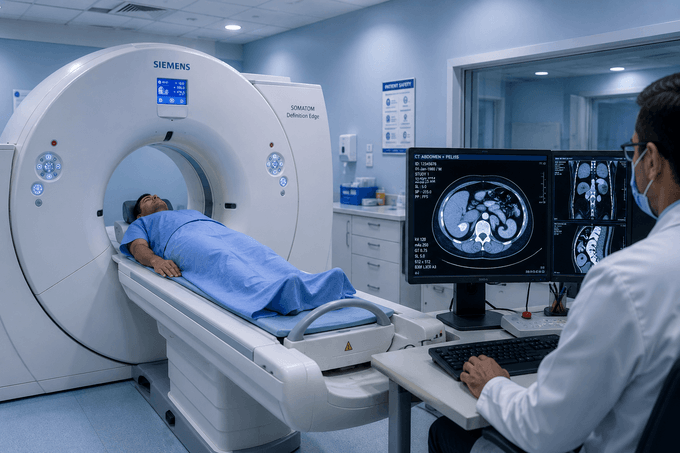
CT imaging helps identify the tumor's size, location and relationship to nearby structures.
3. PET Scan
PET scans help evaluate whether cancer has spread to other parts of the body.
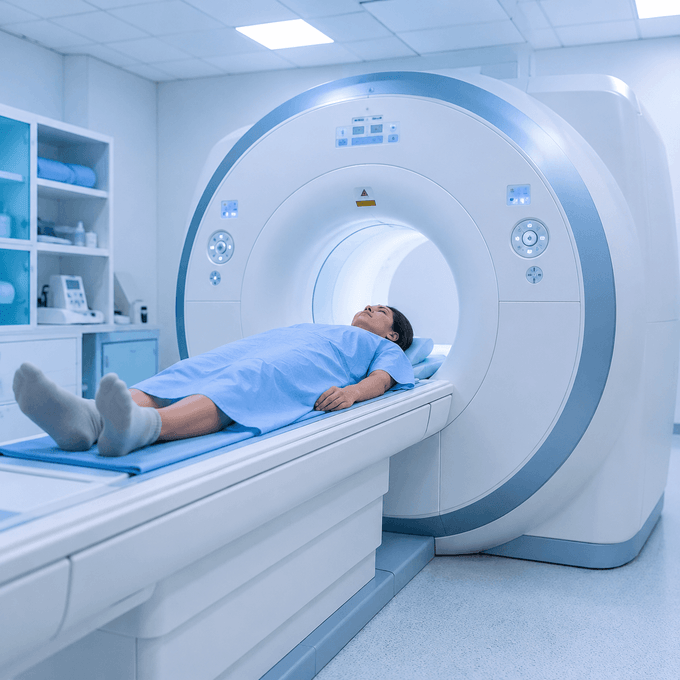
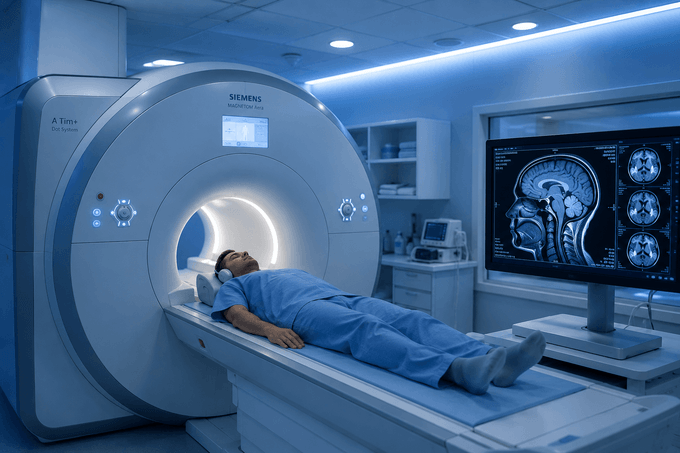
4. MRI
MRI may be used to evaluate tumor invasion into surrounding tissues.
5. Biopsy
A biopsy confirms the diagnosis by examining tumor cells under a microscope.

Treatments
1. Surgery
Surgical removal of the tumor is the primary treatment for many early-stage thymomas and selected thymic carcinomas.

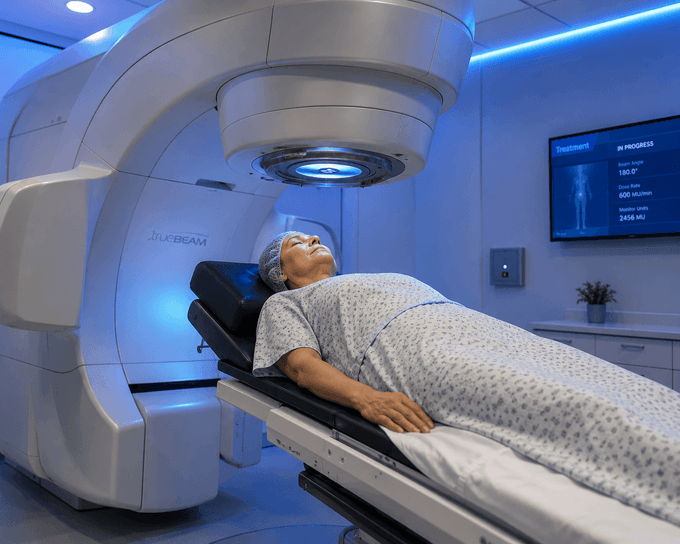
2. Radiation Therapy
Radiation therapy may be used after surgery or when surgery is not possible.
3. Chemotherapy
Chemotherapy is commonly used for advanced disease or tumors that cannot be completely removed.

4. Clinical Trials
Some people may be eligible for clinical trials evaluating newer treatment approaches.