Thyroid Cancer
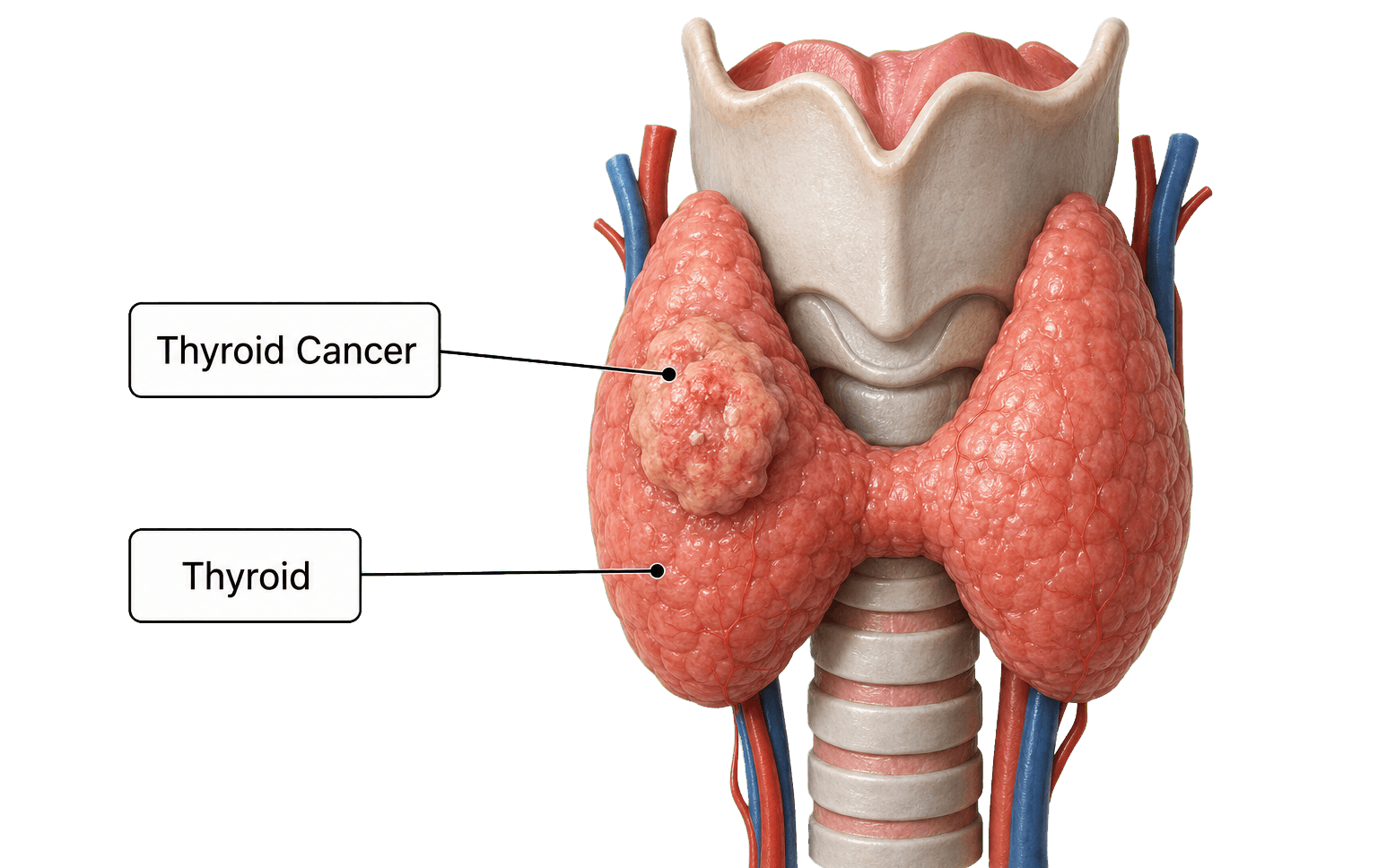
The thyroid is an important endocrine gland that produces and releases hormones responsible for regulating metabolism, or how the body uses energy. These hormones also influence functions such as heart rate, breathing, digestion, body temperature, brain development, mental activity, skin and bone maintenance, and fertility.
Overview
Thyroid cancer develops when abnormal cells grow within the thyroid gland. Healthcare providers classify thyroid cancer according to the type of thyroid cells where it begins, with several forms differing in how they grow and behave. Most thyroid cancers respond well to treatment and many can be cured.
Many people have few or no symptoms in the early stages, and the condition is often discovered during an examination or imaging performed for another reason. The type of thyroid cancer and how far it has spread determine the treatment approach, making early diagnosis important for achieving the best possible outcome.
Risk Factors
Factors We Cannot Control
Family History
Having a family history of thyroid cancer increases the likelihood of developing the disease.
Inherited Genetic Syndromes
Certain inherited conditions, including MEN2, Cowden syndrome and familial adenomatous polyposis, increase thyroid cancer risk.
Radiation Exposure
Radiation therapy to the head or neck, especially during childhood, increases the risk of thyroid cancer.

Age and Sex
Thyroid cancer is more common in women and is diagnosed at different ages in women and men.
Lifestyle & Health Factors

Obesity
Obesity is associated with an increased risk of developing thyroid cancer.
Symptoms
1. Neck Lump
A painless lump or thyroid nodule is often the first noticeable sign.

2. Voice Hoarseness
Persistent hoarseness or changes in the voice may develop.

3. Difficulty Swallowing
The growing tumor may make swallowing uncomfortable or difficult.

Diagnosis
1. Physical Examination
A healthcare provider examines the thyroid gland and neck for nodules or enlarged lymph nodes.

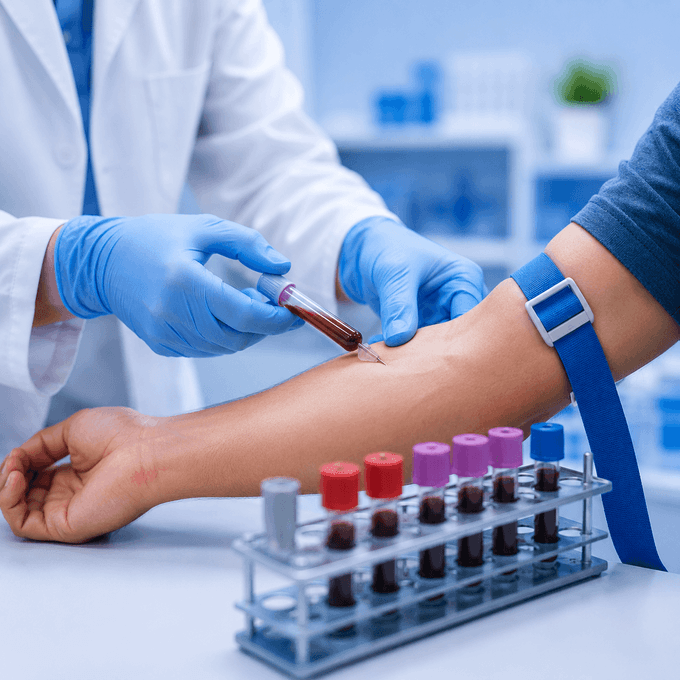
2. Blood Tests
Thyroid blood tests help evaluate thyroid hormone function.
3. Fine-Needle Biopsy
A fine-needle aspiration biopsy removes thyroid cells to determine whether cancer is present.

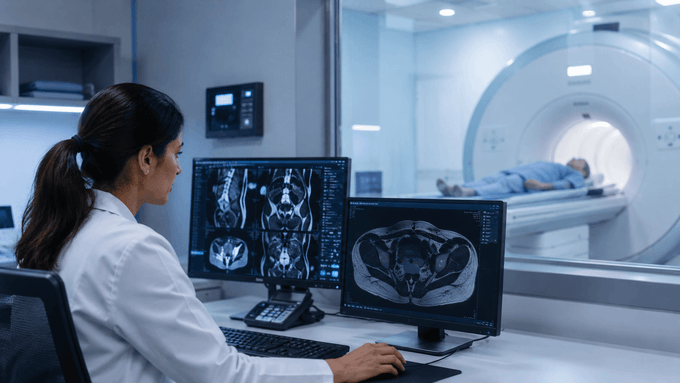
4. Imaging Tests
Ultrasound, radioactive iodine scans, CT scans or PET scans help evaluate the thyroid and detect cancer spread.
Treatments
1. Surgery
Surgery to remove part or all of the thyroid gland is the most common treatment.

2. Radioiodine Therapy
Radioactive iodine destroys remaining thyroid tissue or cancer cells after surgery.

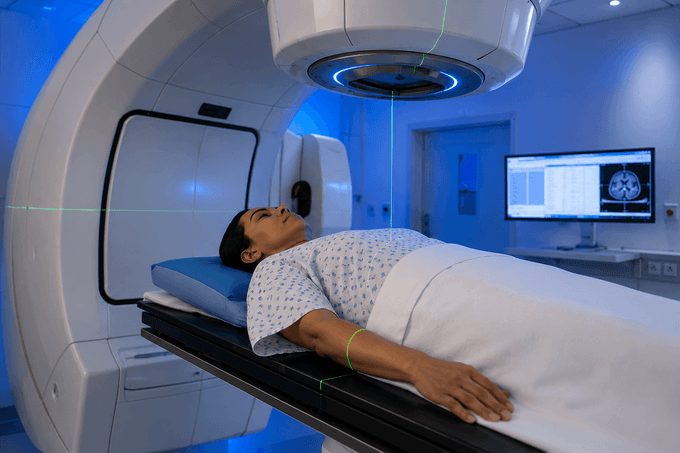
3. Radiation Therapy
External radiation therapy may be recommended for cancers that cannot absorb radioactive iodine.
4. Targeted Therapy
Targeted medicines attack specific genetic changes found in some advanced thyroid cancers.

5. Chemotherapy
Chemotherapy may be used for aggressive thyroid cancers that do not respond to other treatments.