Vaginal Cancer
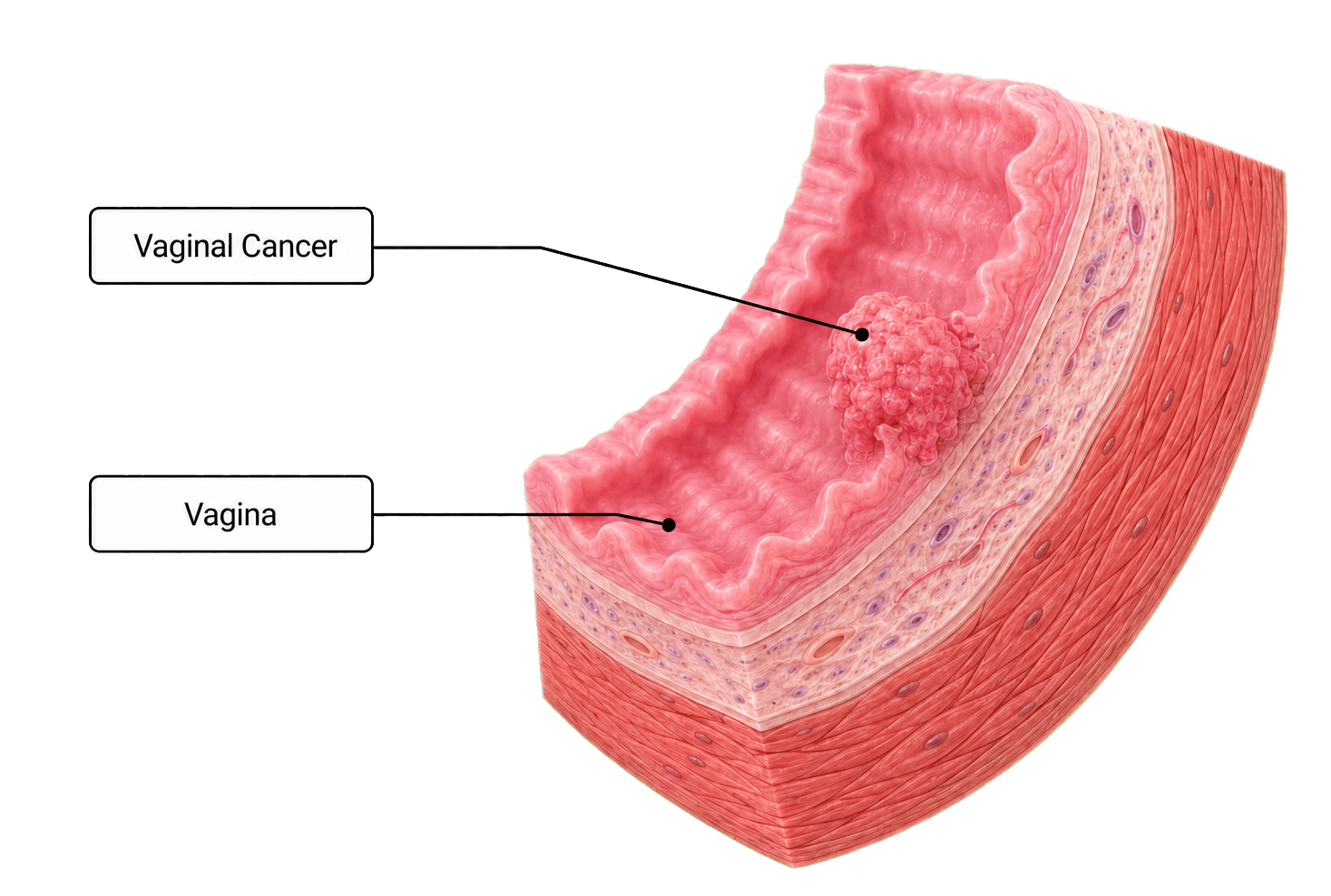
The vagina is a muscular, stretchy tube that is part of the female reproductive system and connects internal and external reproductive anatomy. It plays an important role in menstruation, sexual activity, conception, and childbirth. It also acts as a passage through which menstrual blood leaves the body and supports reproductive processes.
Overview
Vaginal cancer is a rare cancer that develops in the lining of the vagina. Primary vaginal cancer begins in the vagina itself, while cancers from nearby organs, such as the cervix or uterus, can spread to the vagina. The most common type is squamous cell carcinoma, which starts in the flat cells lining the vaginal wall. :contentReference[oaicite:0]{index=0}
Vaginal cancer often causes no symptoms in its early stages and may be discovered during a routine pelvic examination or Pap test. When detected early, treatment is generally more successful and may include surgery, radiation therapy or chemotherapy depending on the stage and type of cancer. :contentReference[oaicite:1]{index=1}
Risk Factors
Factors We Cannot Control

Human Papillomavirus (HPV)
Persistent infection with certain high-risk HPV types increases the likelihood of developing vaginal cancer.

Older Age
The risk increases with age, and most people are diagnosed after the age of 60.

History of Cervical Cancer or Dysplasia
Previous cervical cancer or abnormal cervical cell changes increase the risk of vaginal cancer.

DES Exposure Before Birth
Exposure to diethylstilbestrol (DES) during pregnancy before birth increases the risk of clear cell adenocarcinoma.
Lifestyle & Health Factors

Smoking
Smoking approximately doubles the risk of developing vaginal cancer.

Vaginal Intraepithelial Neoplasia (VAIN)
Having VAIN increases the chance that abnormal vaginal cells may eventually become cancerous.
Symptoms
1. Abnormal Vaginal Bleeding
Bleeding after sex or after menopause is one of the most common symptoms.

2. Abnormal Vaginal Discharge
Watery, bloody or foul-smelling vaginal discharge may occur.

3. Pain During Sex
Sexual intercourse may become painful as the tumor grows.

4. Painful or Frequent Urination
Pain while urinating or needing to urinate frequently may develop.

5. Pelvic Pain
Persistent pain or discomfort in the pelvic area can occur in more advanced disease.

Diagnosis
1. Pelvic Examination
A healthcare provider examines the vagina and surrounding organs for abnormalities.

2. Pap Test
A Pap test may detect abnormal cells that require further evaluation.

3. Colposcopy
A colposcope provides a magnified view of the vagina to identify suspicious areas.

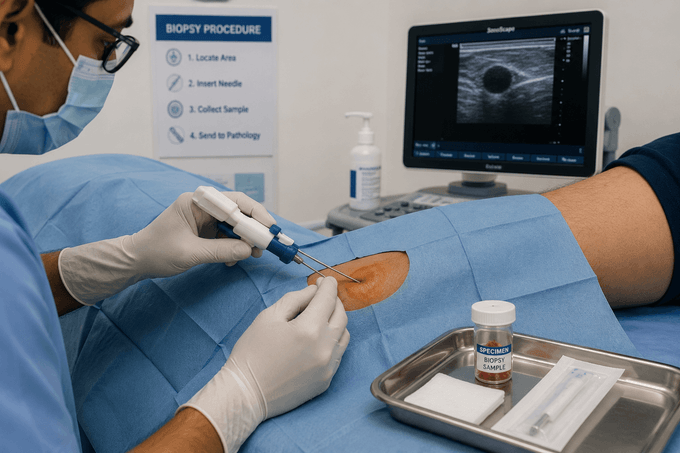
4. Biopsy
A tissue sample is removed and examined under a microscope to confirm the diagnosis.
5. CT, MRI or PET Scan
Imaging tests help determine the extent of the cancer and whether it has spread.

Treatments
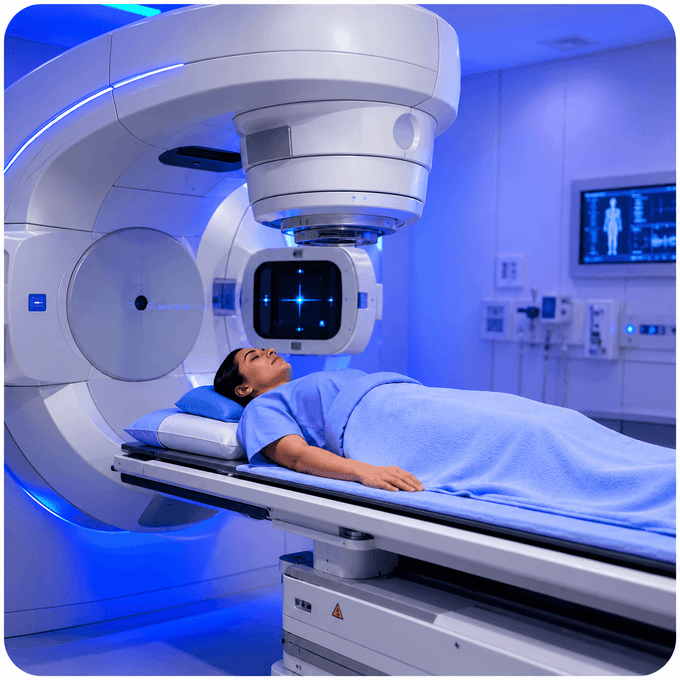
1. Radiation Therapy
Radiation therapy is the most common treatment and may be delivered externally or internally.
2. Chemotherapy
Chemotherapy may be combined with radiation or used to treat advanced disease.

3. Surgery
Surgery may remove the tumor or affected tissues, particularly in early-stage cancers.
