Vulvar Cancer
The vulva includes the external parts of the female reproductive system such as the inner and outer labia, clitoris, vaginal opening, and urethral opening. It plays an important role in reproductive health and is involved in urination, menstruation, conception, and childbirth.
Overview
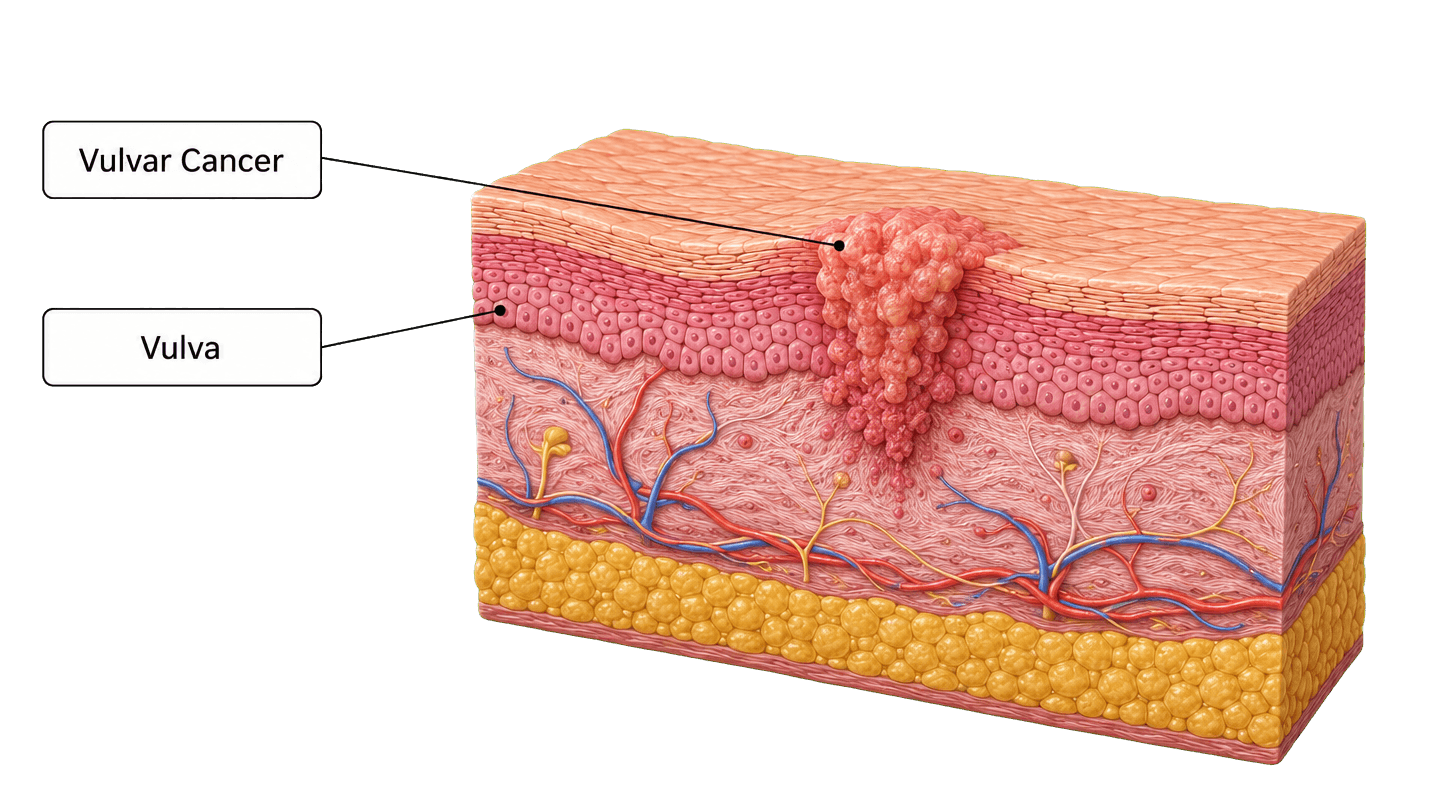
Vulvar cancer is a rare cancer that develops in the tissues of the vulva. It usually develops slowly over several years, often beginning as precancerous changes called vulvar intraepithelial neoplasia (VIN). The most common type is squamous cell carcinoma, which starts in the surface cells of the vulva. :contentReference[oaicite:0]{index=0}
Most vulvar cancers occur on the labia majora or labia minora, although they can develop anywhere on the vulva. Early diagnosis and treatment improve outcomes, with surgery being the most common treatment option. :contentReference[oaicite:1]{index=1}
Risk Factors
Factors We Cannot Control

Human Papillomavirus (HPV)
Persistent infection with high-risk HPV types is one of the leading causes of vulvar cancer.

Lichen Sclerosus
This chronic skin condition affecting the vulva increases the risk of vulvar cancer.

Older Age
Most people diagnosed with vulvar cancer are over the age of 50.

Weakened Immune System
Conditions such as HIV can reduce the body's ability to fight abnormal cell growth.
Lifestyle & Health Factors

Smoking
Smoking increases the risk of developing vulvar cancer, especially in people with HPV infection.
Vulvar Intraepithelial Neoplasia (VIN)
Untreated VIN is a precancerous condition that can develop into vulvar cancer.
Symptoms
1. Persistent Itching or Burning
Long-lasting itching, burning or irritation of the vulva is a common symptom.

2. Skin Color Changes
The skin may become lighter, darker or develop white patches.

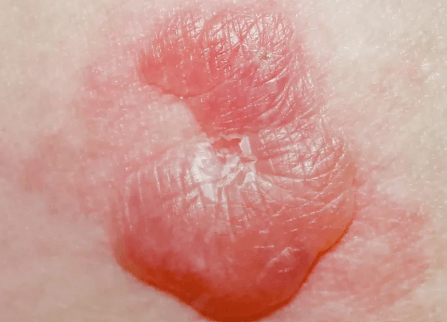
3. Lump, Wart or Open Sore
A lump, wart-like growth or ulcer that doesn't heal should be evaluated.
4. Pain or Tenderness
Pain, tenderness or discomfort may occur, especially during urination or sexual intercourse.

5. Bleeding
Bleeding unrelated to menstruation may be a warning sign.

6. Persistent Vulvar Pain
Ongoing pain or soreness that doesn't improve should be examined by a healthcare provider.

Diagnosis
1. Pelvic Examination
A healthcare provider examines the vulva and surrounding tissues for abnormal changes.

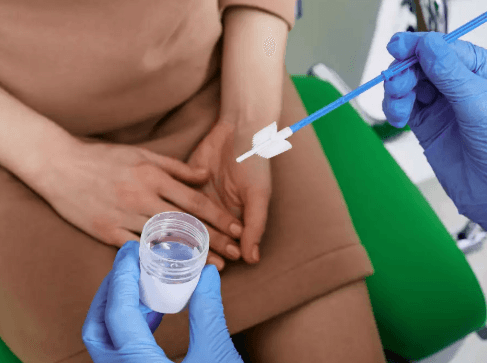
2. Pap Test and HPV Testing
These tests may identify abnormal cells or HPV infection associated with vulvar cancer.
3. Colposcopy
A magnifying instrument helps examine the vulva, vagina and cervix more closely.
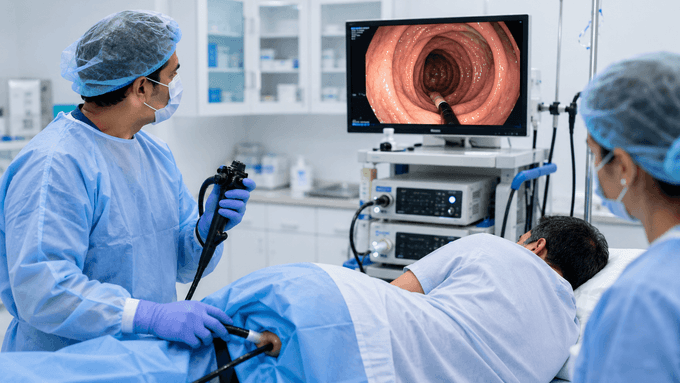
4. Biopsy
Removing a small tissue sample is the only way to confirm vulvar cancer.

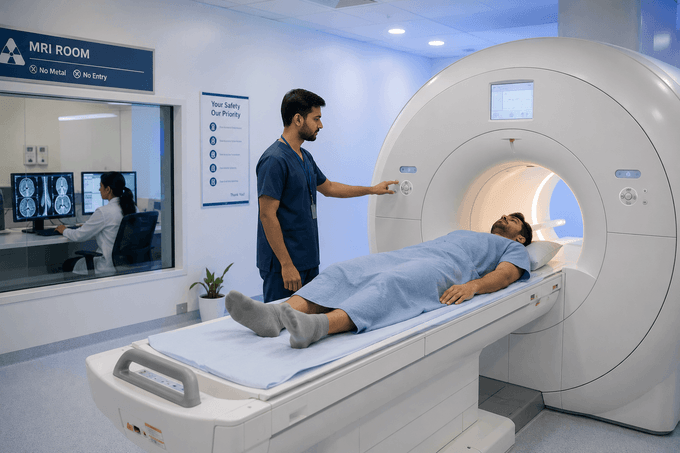
5. CT, MRI or PET Scan
Imaging tests determine whether the cancer has spread to nearby tissues or distant organs.
Treatments
1. Surgery
Surgery is the primary treatment and removes the cancer while preserving as much healthy tissue as possible.

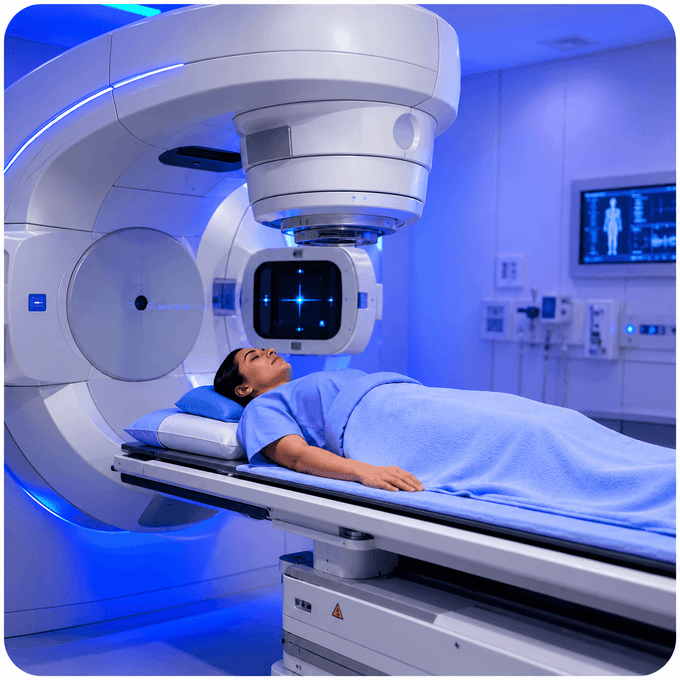
2. Radiation Therapy
High-energy radiation destroys cancer cells or reduces the chance of recurrence.
3. Chemotherapy
Chemotherapy may be combined with radiation or used for advanced disease.

4. Laser Surgery
Laser treatment may remove certain precancerous lesions or very early cancers.

5. Immunotherapy
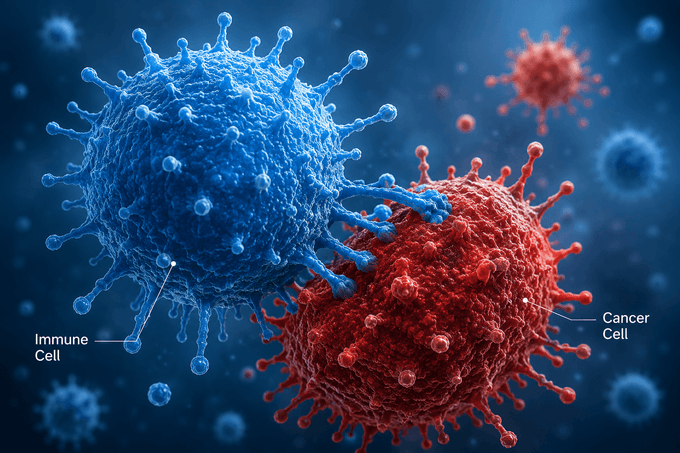
Selected advanced vulvar cancers may be treated with medicines that help the immune system attack cancer cells.